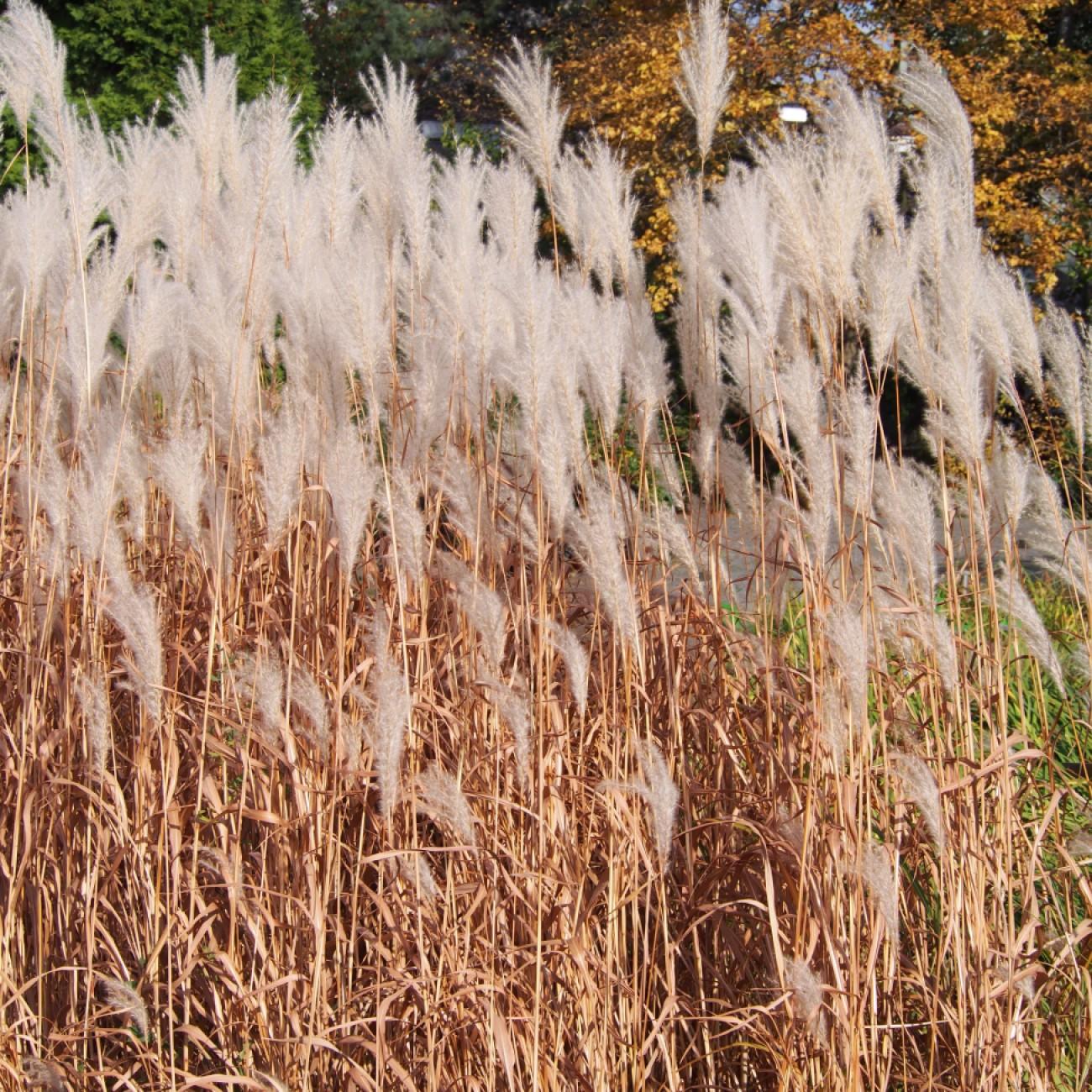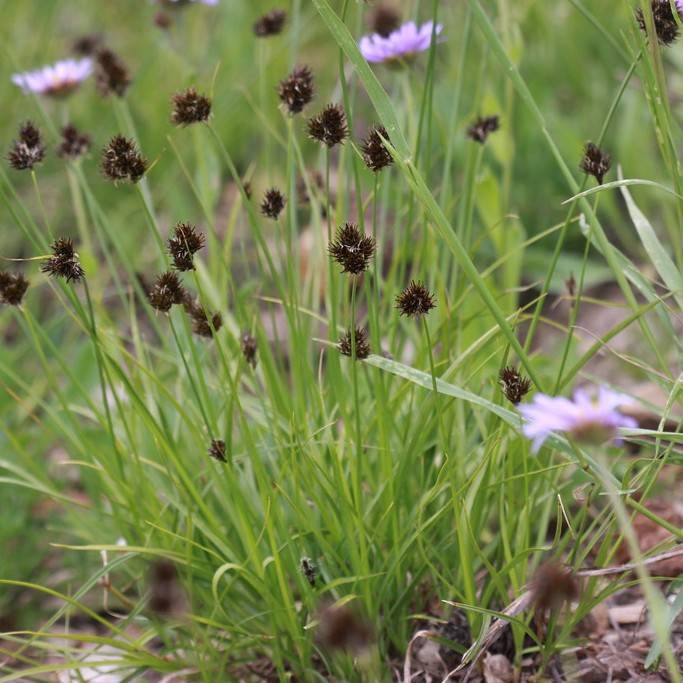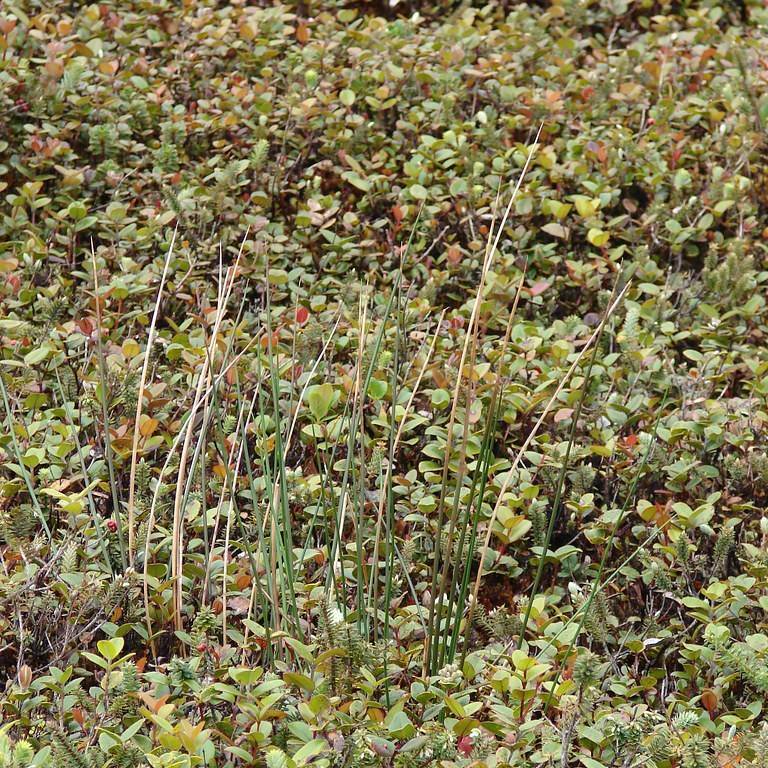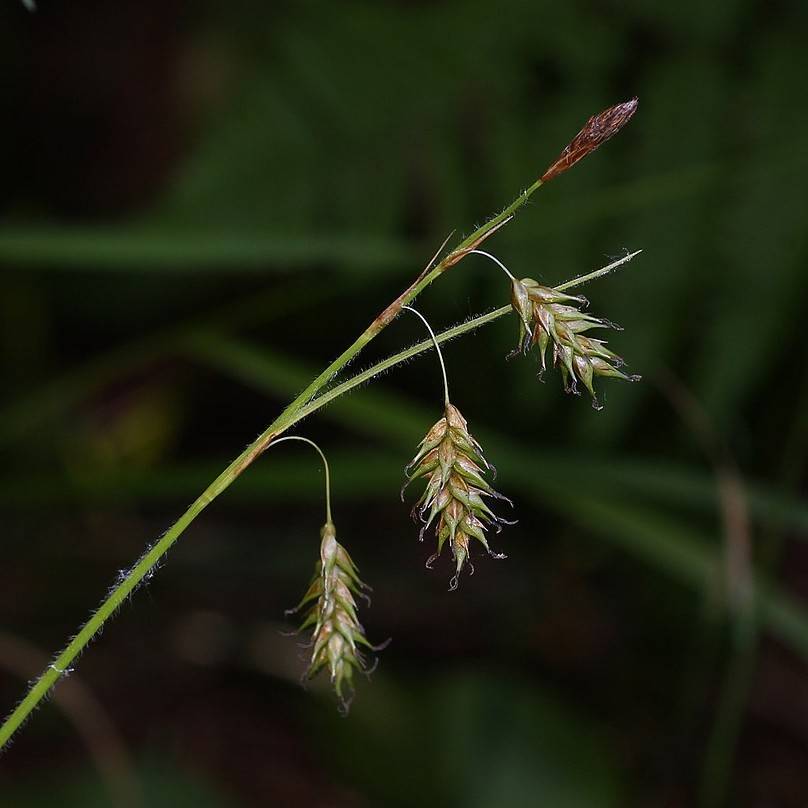
Chestnut Colored Sedge
Carex buchananii
Overview
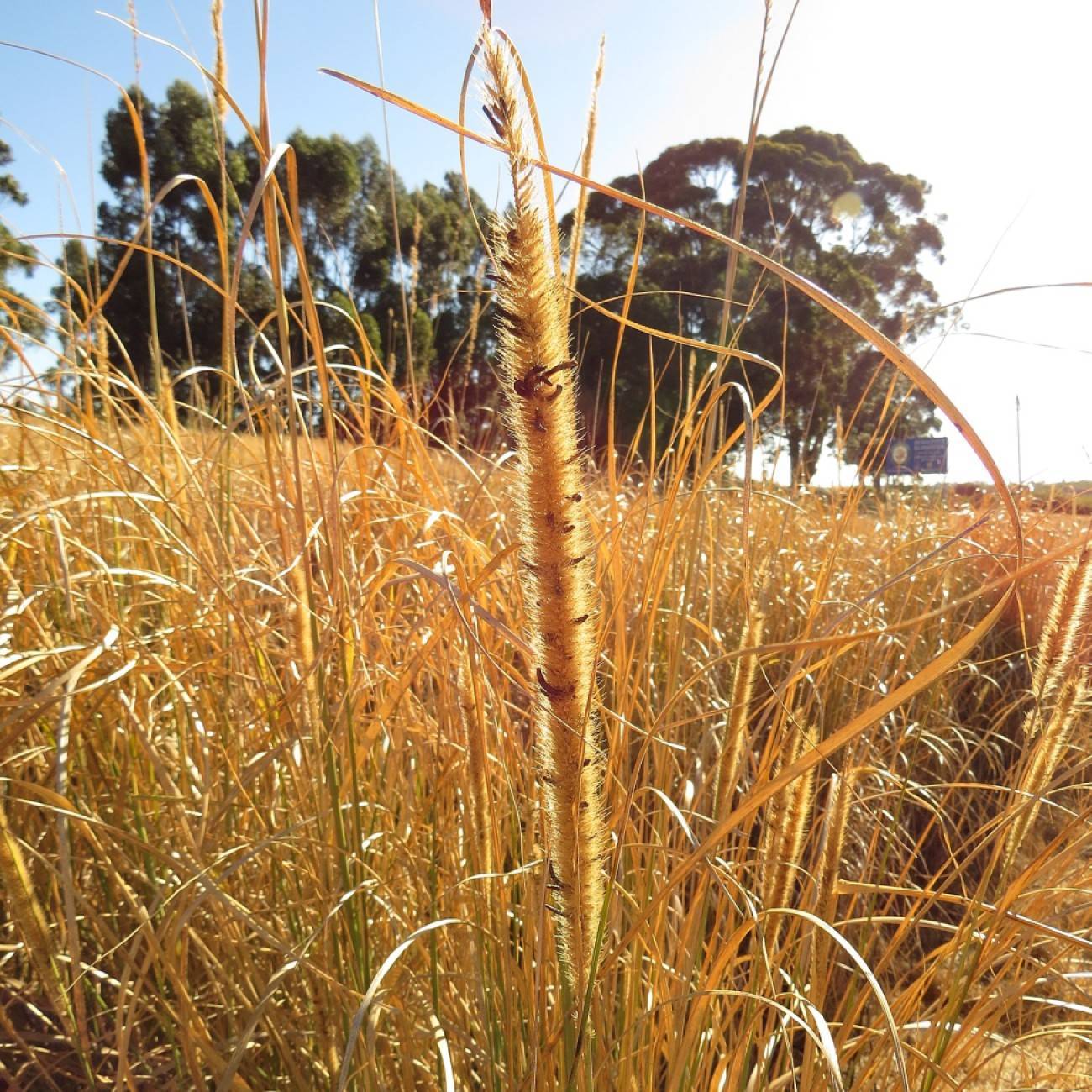
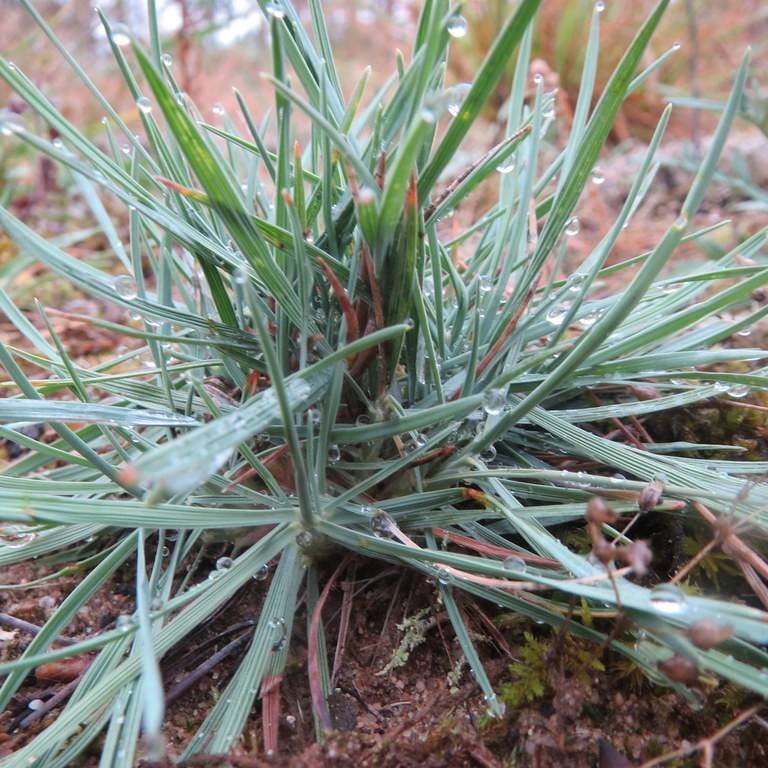
Chestnut colored sedge is a dense, tufted ornamental grass-like perennial native to New Zealand's lowland and montane grasslands. Its narrow, upright to arching foliage retains a rich chestnut-brown hue year-round, providing warm contrast to green-leaved plants. It is widely cultivated in temperate regions for its low-maintenance nature and adaptability to a range of growing conditions, working equally well in rock gardens, border edges, and patio containers.
Care Guide
Watering
Prefers consistently moist, well-drained soil and tolerates occasional short dry spells once established; avoid waterlogged conditions that can cause root rot. Water deeply when the top 1-2 inches of soil feel dry, reducing frequency in winter when growth slows.
Light
Thrives in full sun to partial shade, with the richest chestnut foliage color developing in locations with at least 6 hours of direct sunlight daily. In very hot, arid climates, provide afternoon shade to prevent leaf scorch and excessive drying.
Soil
Adaptable to most soil types including sandy, loamy, and clay soils, as long as drainage is adequate. It tolerates slightly acidic to neutral pH levels, and can even grow in poorly drained, boggy areas better than many other ornamental sedges.
Fertilizer
Requires minimal feeding; apply a balanced, slow-release granular fertilizer in early spring before new growth emerges if soil is nutrient-poor. Avoid over-fertilizing, as this can cause lush, floppy growth that loses the plant's characteristic compact shape and rich color.
Temperature
Hardy in USDA zones 7-9, tolerating winter temperatures as low as 0°F (-18°C) once established. It tolerates high summer temperatures well, but may need extra water during prolonged heatwaves to prevent foliage browning at the tips.
Pruning
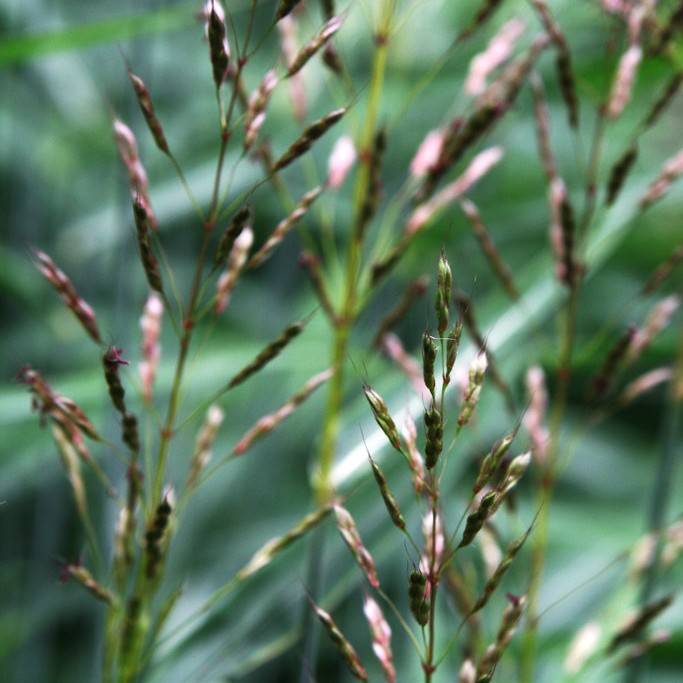
Trim back dead or damaged foliage in late winter or early spring before new growth emerges, cutting back the entire clump to 2-3 inches above the soil line if it looks untidy. Remove any faded flower stems as they appear to keep the clump looking neat and encourage new leaf growth.
Propagation
Easily propagated by division in early spring or fall, splitting mature clumps into smaller sections with a sharp knife and replanting immediately at the same depth they were growing previously. It can also be grown from seed sown in cold frames in fall, though seed-grown plants may show slight variation in foliage color.
Humidity
Tolerates a wide range of humidity levels, from dry inland air to humid coastal conditions, with no specific humidity requirements. Avoid placing it in overly stagnant, high-humidity environments with poor air circulation, as this can increase the risk of fungal leaf spots.
Repotting
If grown in containers, repot every 2-3 years in spring, moving to a slightly larger pot with fresh, well-drained potting mix. Root-bound clumps can be divided during repotting to produce new plants and prevent overcrowding in the container.
Uses & Symbolism
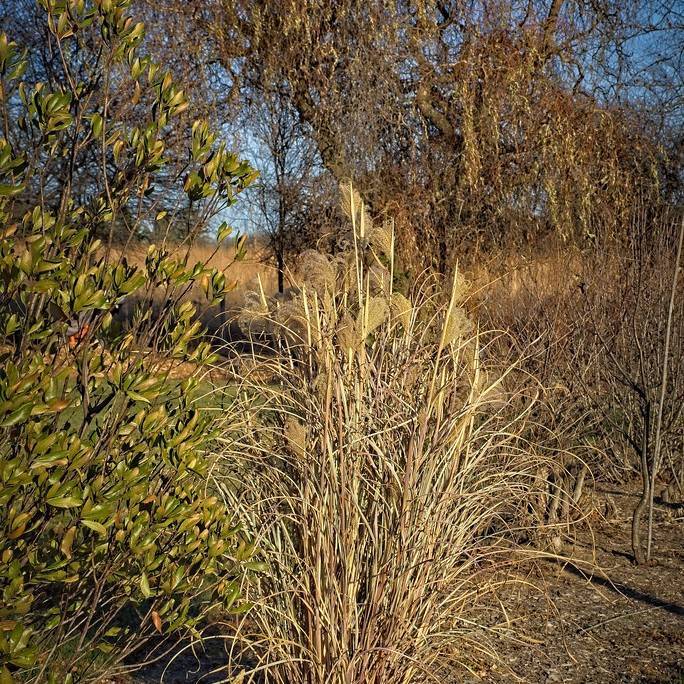
Widely used as an ornamental accent in landscape designs, providing year-round textural and color contrast in mixed borders, rock gardens, rain gardens, and coastal plantings. It is also popular as a container plant, either as a standalone specimen or as a vertical element in mixed patio planters. Its durable foliage is sometimes used in cut flower arrangements for unique textural interest.
Diseases & Pests
Generally pest and disease resistant, though it may occasionally suffer from aphid infestations that can be treated with insecticidal soap or a strong jet of water. Fungal leaf spot and root rot can occur in overly wet, poorly drained conditions, so ensure proper soil drainage and avoid overwatering to prevent these issues. In very dry conditions, spider mites may colonize the foliage, causing yellow stippling that can be addressed with increased watering and horticultural oil applications.
Related plants
Other plants you might like if you grow Chestnut Colored Sedge.