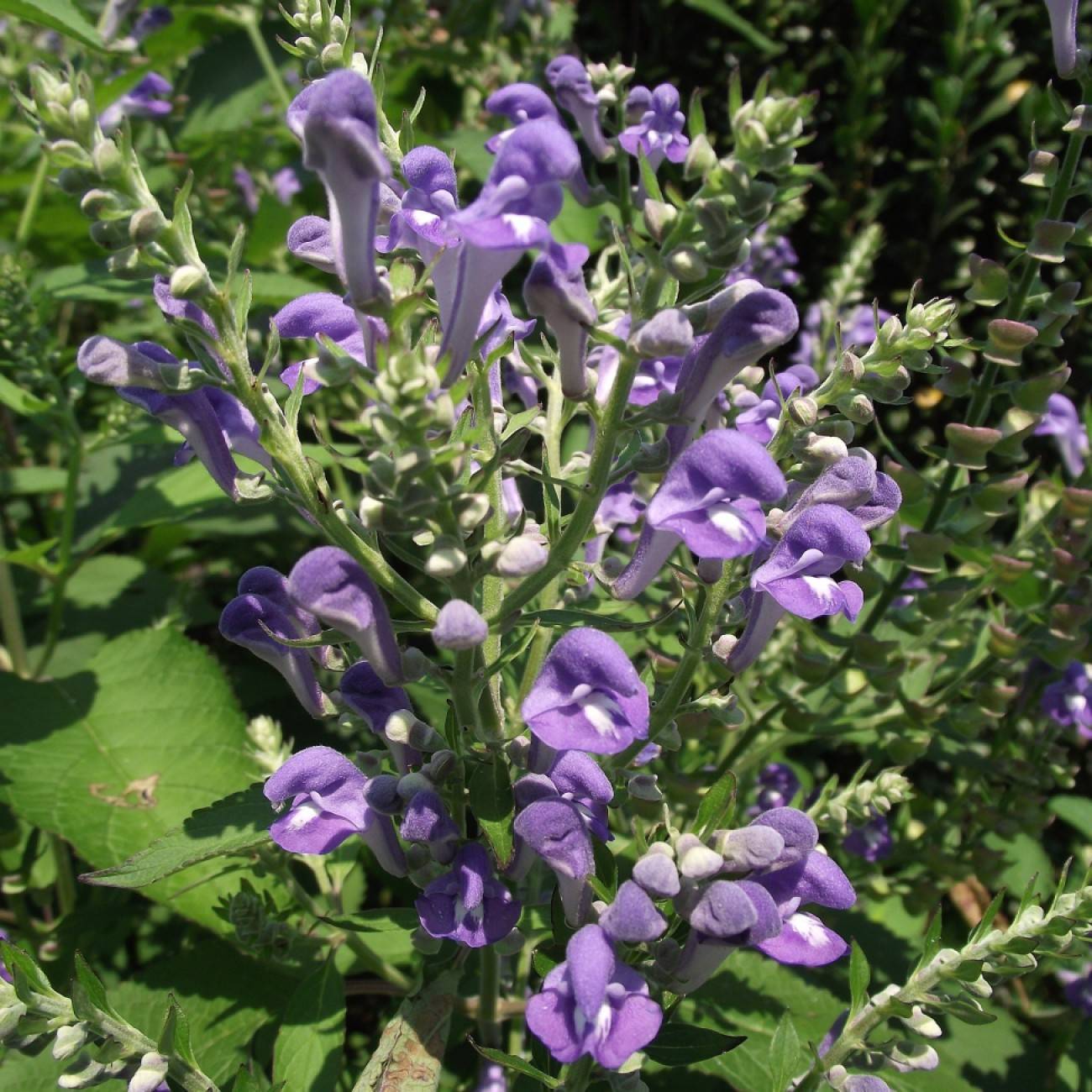
Downy Skullcap
Scutellaria incana
Overview
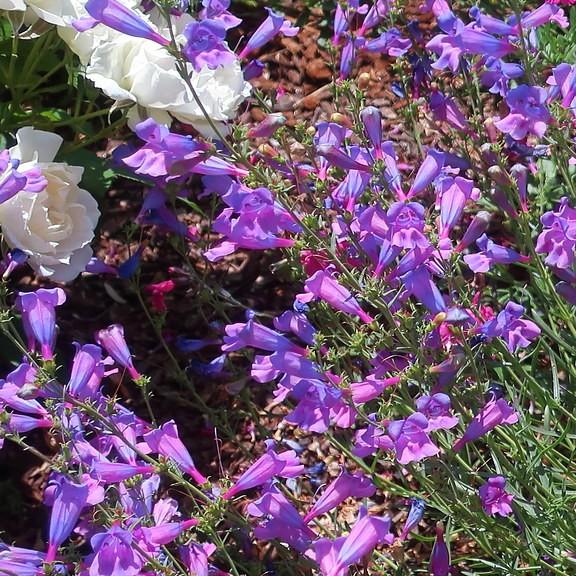
Downy skullcap is a herbaceous perennial named for the soft, fine hairs covering its stems and leaves, and the distinctive skull-shaped calyx that remains after its flowers fade. It naturally occurs in moist prairies, open woodlands, and stream banks, where it forms tidy, non-aggressive clumps that spread slowly via rhizomes. Its tubular, two-lipped flowers are a favorite nectar source for bumblebees, mason bees, and hummingbirds, making it a popular choice for pollinator gardens.
Care Guide
Watering
Water downy skullcap regularly during its first growing season to establish a deep, extensive root system, keeping soil consistently moist but not waterlogged. Once established, it is moderately drought tolerant, requiring supplemental water only during extended periods of hot, dry weather. Avoid overhead watering to reduce the risk of foliar fungal diseases.
Light
This plant thrives in full sun to partial shade, performing best with at least 6 hours of direct sunlight daily for optimal flowering. In hotter southern portions of its range, it benefits from light afternoon shade to prevent leaf scorch and reduce water stress. Too much deep shade will cause leggy growth and reduced bloom production.
Soil
Downy skullcap adapts to a wide range of soil types, including sandy loam, clay, and rocky soils, as long as the site has good drainage. It tolerates slightly acidic to neutral pH levels, and can even handle occasional short-term flooding. It prefers average to medium soil fertility, and does not require overly rich or amended growing medium.
Fertilizer
Fertilization is rarely necessary for established downy skullcap plants growing in average garden soil, as too much nitrogen can cause leggy, floppy growth. If grown in very poor, sandy soil, apply a balanced, slow-release 10-10-10 fertilizer once in early spring before new growth emerges. Avoid fertilizing after mid-summer to prevent tender new growth that can be damaged by early frost.
Temperature
It is hardy in USDA zones 3 through 8, tolerating winter temperatures as low as -40°F (-40°C) without extra protection. It thrives in summer temperatures between 65-85°F (18-29°C), and can handle short periods of high heat above 90°F (32°C) if provided with adequate moisture. Late spring frosts rarely damage new growth, as it emerges relatively late in the season.
Pruning
Prune back spent flower spikes in mid to late summer to encourage a second, lighter flush of blooms later in the season. Cut the entire plant back to 2-3 inches above the soil line in late fall after foliage dies back, or in early spring before new growth emerges. Thin out overcrowded clumps every 3-4 years to improve air circulation and reduce disease risk.
Propagation
Downy skullcap is most easily propagated by dividing mature clumps in early spring just as new growth begins, or in early fall after flowering has finished. It can also be grown from seed, which requires a 30-day period of cold stratification to break dormancy before sowing in spring. Softwood cuttings taken from new growth in late spring or early summer root readily if kept moist and in indirect light.
Humidity
This adaptable plant tolerates a wide range of humidity levels, from the dry conditions of the Great Plains to the high humidity of the southeastern United States. Good air circulation around the foliage is key to preventing fungal issues in areas with high summer humidity. It has no special humidity requirements when grown in appropriate outdoor conditions.
Repotting
When grown in containers, repot downy skullcap every 2-3 years in early spring, moving it to a pot one size larger with fresh, well-draining potting mix. Ensure the container has ample drainage holes to prevent root rot from standing water. If grown indoors as a potted plant, it will need a period of cold dormancy over winter to survive long-term.
Uses & Symbolism
Downy skullcap is a staple in native plant gardens, pollinator habitats, rain gardens, and naturalized meadows, where its long bloom period from mid to late summer adds consistent color when many other spring bloomers have faded. Historically, Indigenous peoples of North America used various parts of the plant to treat headaches, nervous tension, and minor respiratory ailments, though modern medicinal use is limited and should be done under professional guidance. Its compact, clumping habit also makes it a good choice for low perennial borders and cottage garden plantings.
Diseases & Pests
Downy skullcap is relatively pest and disease resistant, but can develop powdery mildew, leaf spot, and rust in areas with poor air circulation, high humidity, or frequent overhead watering. Aphids and spider mites may occasionally infest new growth, though these are rarely severe and can be controlled with insecticidal soap or a strong spray of water. Root rot can occur if plants are grown in poorly draining, constantly saturated soil.
Related plants
Other plants you might like if you grow Downy Skullcap.