Chinese Desert Thorn
Lycium barbarum
Overview
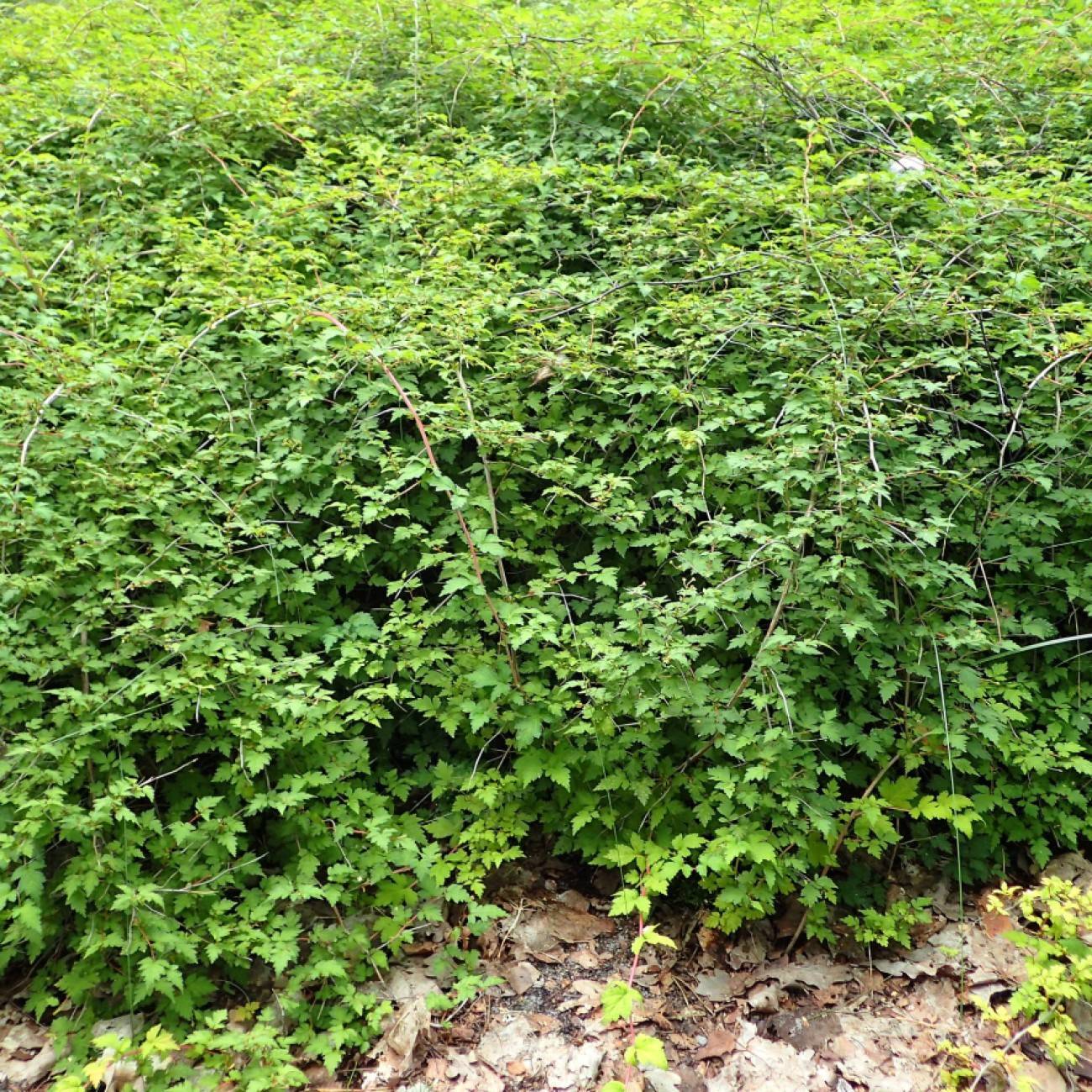
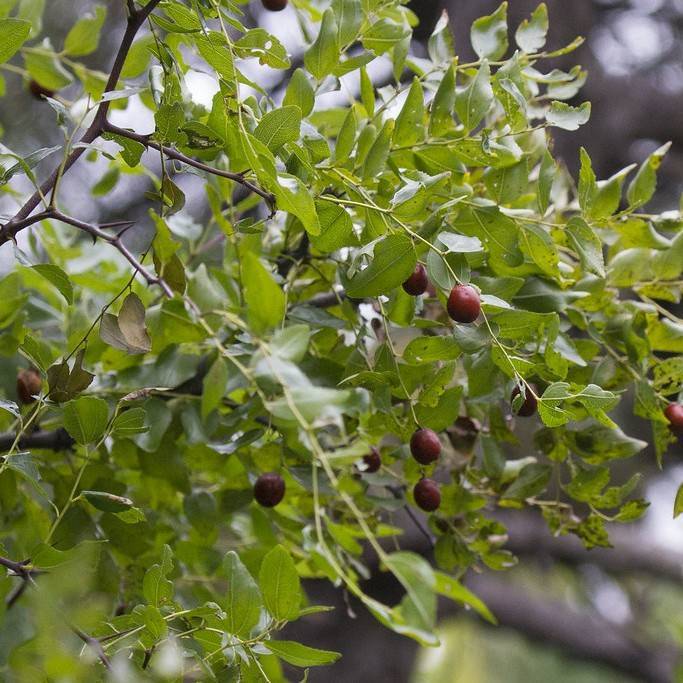
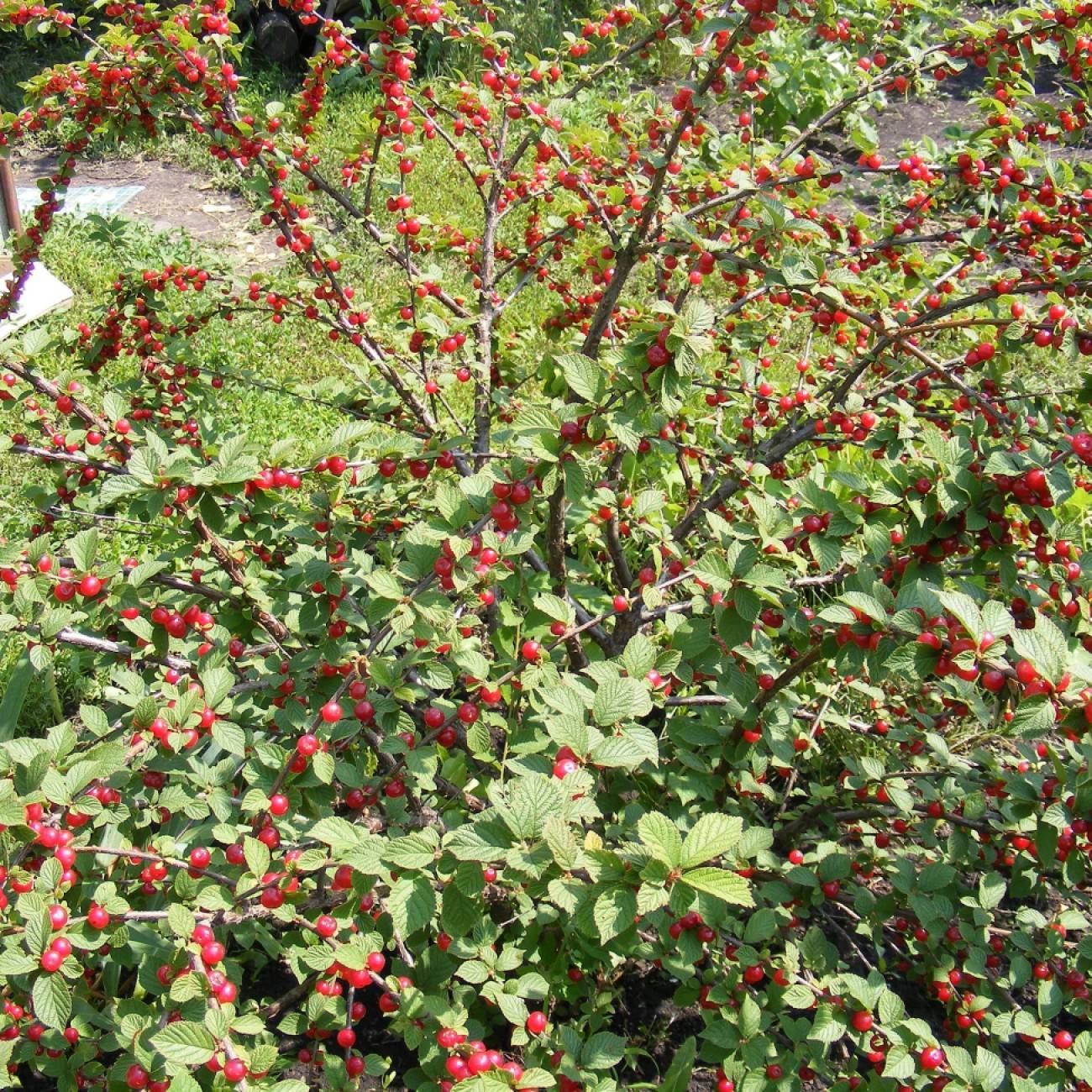
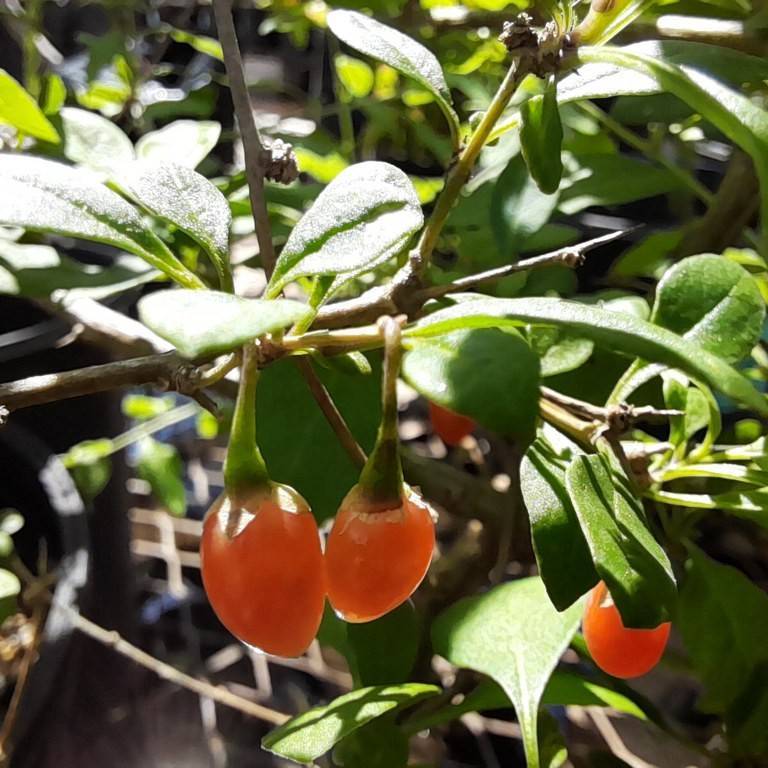
Chinese Desert Thorn, also commonly called goji berry shrub, is a spiny, arching deciduous shrub adapted to harsh, dry, low-nutrient environments. It produces small, pale purple funnel-shaped flowers in late spring, followed by oblong, glossy red berries that ripen from late summer to early fall. It has naturalized in many temperate regions worldwide, valued both for its edible fruit and erosion control benefits in arid landscapes.
Care Guide
Watering
Drought tolerant once established, Chinese Desert Thorn requires regular deep watering during its first growing season to develop a strong root system. Once mature, water only during prolonged dry periods, as overwatering can cause root rot and reduce fruit production. Avoid wetting the foliage when watering to lower fungal disease risk.
Light
Thrives in full, direct sunlight, requiring a minimum of 6 hours of unobstructed sun per day to produce abundant flowers and fruit. It can tolerate very light partial shade, but reduced light will lead to sparse growth and lower berry yields. Indoor cultivation is not recommended due to its high light and space requirements.
Soil
Adaptable to a wide range of soil types, including sandy, loamy, and even poor, rocky soils, as long as the substrate is well-draining. It prefers a neutral to slightly alkaline soil pH between 6.8 and 8.1, and will not survive in heavy, waterlogged clay soils. Amending heavy soils with sand or gravel before planting improves drainage and prevents root damage.
Fertilizer
Low-maintenance and tolerant of low-nutrient soils, Chinese Desert Thorn only requires light fertilization once per year in early spring before new growth emerges. Use a balanced, slow-release 10-10-10 fertilizer, or a thin layer of well-rotted compost spread around the base of the shrub, to support healthy growth and fruiting. Avoid over-fertilizing, which can lead to excessive leaf growth at the expense of berry production.
Temperature
Thrives in temperate to arid climates, with a preferred growing temperature range of 60-85°F (15-29°C). It is extremely cold hardy, tolerating winter temperatures as low as -15°F (-26°C) when dormant, making it suitable for cultivation in USDA hardiness zones 3 through 10. Extreme summer heat above 100°F (38°C) may cause temporary leaf drop if not paired with occasional watering.
Pruning
Prune in late winter while the shrub is dormant to remove dead, damaged, or crossing branches, improving air circulation and light penetration to the inner canopy. Mature shrubs benefit from annual thinning of older, unproductive wood to encourage new, fruit-bearing growth, and can be cut back to 2-3 feet (60-90 cm) every 3-5 years to rejuvenate the plant. Trim wayward, arching branches throughout the growing season to maintain a desired shape and prevent the shrub from spreading into unwanted areas.
Propagation
Most commonly propagated from softwood cuttings taken in early summer, which root readily in moist, well-draining propagation medium under bright, indirect light. It can also be grown from fresh seed extracted from ripe berries, though seed-grown plants may take 2-3 years to produce fruit, while cutting-grown specimens often fruit in their second year. Suckers that grow from the root system of mature plants can also be dug up and transplanted in early spring for easy propagation.
Humidity
Adapted to arid and semi-arid environments, Chinese Desert Thorn prefers low to moderate humidity levels between 30% and 50%. It tolerates very dry air well, but high humidity above 70% increases the risk of fungal leaf spot and powdery mildew infections. Ensure good air circulation around the shrub if grown in more humid climates to reduce disease risk.
Repotting
Rarely grown in containers due to its large size and extensive root system, but if potted, repot every 2-3 years in early spring before new growth begins. Use a fast-draining cactus or succulent potting mix, and select a container with multiple drainage holes that is at least 2 inches (5 cm) larger in diameter than the previous pot to accommodate root growth. After repotting, water lightly and place in full sun to reduce transplant shock.
Uses & Symbolism
The bright red goji berries produced by Chinese Desert Thorn are edible, nutrient-dense, and consumed fresh, dried, or as an ingredient in juices, teas, supplements, and culinary dishes. The shrub is also widely planted for erosion control in arid and semi-arid regions, as its extensive root system stabilizes sandy and rocky soils. In traditional Chinese medicine, the berries, leaves, and root bark are used to support immune function, eye health, and overall vitality.
Diseases & Pests
Chinese Desert Thorn is relatively pest and disease resistant, but may be susceptible to aphids, spider mites, and fruit flies that feed on foliage and developing berries in warm, dry conditions. Fungal diseases including powdery mildew and leaf spot can occur in high humidity or if the foliage stays wet for prolonged periods, especially with poor air circulation. Root rot is the most common serious issue, caused by overwatering or planting in poorly draining, heavy clay soils.
Related plants
Other plants you might like if you grow Chinese Desert Thorn.