%22%2F%3E%0A%20%20%20%20%20%20%3Ccircle%20cx%3D%22920%22%20cy%3D%22180%22%20r%3D%2290%22%20fill%3D%22%23cfe8d5%22%2F%3E%0A%20%20%20%20%20%20%3Cpath%20d%3D%22M600%20590c-90-180-215-255-310-280%200%20165%20118%20296%20270%20296h40z%22%20fill%3D%22%2379b88e%22%2F%3E%0A%20%20%20%20%20%20%3Cpath%20d%3D%22M600%20590c80-150%20198-212%20302-228-8%20142-123%20255-270%20255h-32z%22%20fill%3D%22%235c9f73%22%2F%3E%0A%20%20%20%20%20%20%3Cpath%20d%3D%22M600%20610V360%22%20stroke%3D%22%234f8c64%22%20stroke-width%3D%2218%22%20stroke-linecap%3D%22round%22%2F%3E%0A%20%20%20%20%20%20%3Ctext%20x%3D%22600%22%20y%3D%22700%22%20text-anchor%3D%22middle%22%20font-family%3D%22Arial%2C%20sans-serif%22%20font-size%3D%2244%22%20fill%3D%22%23365c45%22%3E%0A%20%20%20%20%20%20%20%20Plant%20image%20coming%20soon%0A%20%20%20%20%20%20%3C%2Ftext%3E%0A%20%20%20%20%3C%2Fsvg%3E%0A%20%20)
Double Daffodil
Narcissus 'Double Group'
Overview
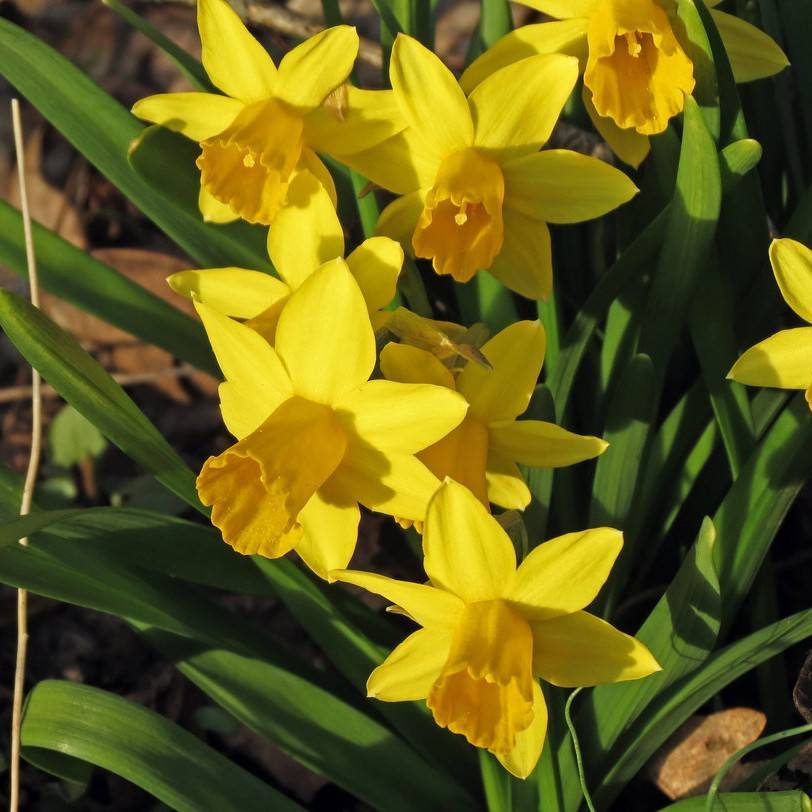
Double daffodils are a horticultural group of Narcissus cultivars distinguished by extra layers of petals, creating full, peony-like blooms that often have a light, sweet fragrance. They are among the earliest spring bulbs to emerge, bringing cheerful color to gardens when most plants are still dormant. These hardy bulbs naturalize readily in suitable climates, returning and multiplying year after year with minimal intervention. Most varieties produce 1 to 2 blooms per stem, with flowering periods lasting 2 to 3 weeks in late winter to mid-spring.
Care Guide
Watering
Water newly planted bulbs thoroughly in fall to encourage root establishment, and provide 1 inch of water weekly during active growth and flowering in spring if rainfall is insufficient. Reduce watering gradually once foliage begins to yellow and die back post-bloom, as bulbs enter dormancy and require dry conditions to prevent rot. Avoid overwatering at any stage, as soggy soil will cause bulb decay quickly.
Light
Double daffodils thrive in full sun, which supports robust growth and maximum bloom production, requiring at least 6 hours of direct sunlight daily during their growing season. They will tolerate partial shade, especially in warmer climates where afternoon shade can prevent blooms from fading prematurely, though flowering may be reduced in heavily shaded sites. Once blooms fade, the foliage still needs ample sunlight to photosynthesize and store energy for the next year’s flowers.
Soil
Grow double daffodils in well-drained, loamy soil with a neutral to slightly acidic pH between 6.0 and 7.0 for best performance. They can adapt to poorer, sandy or clay soils as long as drainage is excellent; amend heavy clay with compost or coarse sand to improve permeability before planting. Avoid waterlogged sites, as standing water will cause bulbs to rot rapidly, even during dormancy.
Fertilizer
Apply a balanced, slow-release bulb fertilizer in early spring as shoots first emerge from the soil, working it gently into the top layer of soil around the plants without disturbing the bulbs. A second light application of phosphorus-rich fertilizer can be added immediately after flowering to support bulb development for the next growing season. Avoid high-nitrogen fertilizers, as these will promote excessive foliage growth at the expense of blooms.
Temperature
Double daffodils are cold-hardy in USDA zones 3 through 8, requiring 12 to 16 weeks of temperatures between 35°F and 45°F (2°C and 7°C) in winter to break dormancy and trigger spring flowering. They can tolerate light spring frosts without damage, even to open blooms, and handle occasional dips to 20°F (-7°C) while actively growing. In warmer zones above 8, bulbs must be pre-chilled in a refrigerator for 10 to 12 weeks before planting in late fall for successful flowering.
Pruning
Deadhead spent blooms immediately after flowering by snipping the flower stem just below the bloom to prevent the plant from expending energy on seed production, which reduces next year’s flowering. Do not cut back or tie up the yellowing foliage after blooming; leave it in place for 6 to 8 weeks to photosynthesize and store nutrients in the bulbs, trimming it only once it has fully died back and turned brown. Remove any damaged or diseased foliage as soon as it appears to prevent the spread of pathogens.
Propagation
Double daffodils are most commonly propagated by dividing mature bulb clumps in late summer or early fall, when bulbs are fully dormant. Dig up the clump, gently separate the small offset bulbs from the parent bulb, replant larger offsets immediately at the same depth as the parent, and grow smaller offsets in a nursery bed for 1 to 2 years until they are large enough to flower. Most double daffodil cultivars do not grow true from seed, so seed propagation is not recommended for home gardeners.
Humidity
Double daffodils are adaptable to a wide range of humidity levels, thriving in the moderate humidity typical of spring in temperate regions with no special requirements. High humidity combined with poor air circulation and wet soil can increase the risk of fungal diseases, so space plants appropriately to ensure airflow around foliage and bulbs. They tolerate dry air well during their summer dormancy period, when bulbs are stored or left in dry soil.
Repotting
Container-grown double daffodils should be lifted and repotted every 2 to 3 years in fall, when bulbs are dormant, to refresh the soil and prevent overcrowding that reduces flowering. Gently separate crowded bulbs, discard any soft or rotting specimens, and replant healthy bulbs in fresh, well-drained potting mix at a depth 2 to 3 times the width of the bulb, with 2 to 3 inches of space between each bulb. After repotting, water lightly and keep containers in a cool, dark place for 8 to 12 weeks to allow root development before moving them to a sunny spot for spring growth.
Uses & Symbolism
Double daffodils are widely planted in perennial borders, rock gardens, naturalized meadows, and containers for their early, vibrant spring blooms that pair well with other spring bulbs such as tulips and hyacinths. They are popular cut flowers, with sturdy stems and long-lasting blooms that work well in spring floral arrangements, though their sap can shorten the vase life of other flowers if not conditioned separately first. Deer and rodent resistant, they are a reliable choice for gardens where wildlife browsing is a common problem.
Diseases & Pests
Double daffodils are relatively pest and disease resistant, but can be affected by bulb rot if grown in poorly drained, overly wet soil, which causes bulbs to become soft, discolored, and unable to produce growth. Fungal diseases such as narcissus basal rot and leaf scorch may occur in warm, humid conditions, causing yellowing foliage, stunted growth, and bulb decay; avoid overhead watering and remove infected plants immediately to prevent spread. Narcissus bulb flies, slugs, and snails may occasionally feed on foliage and bulbs; use organic bait or physical barriers to control infestations, and inspect bulbs carefully before planting to discard infested specimens.
Related plants
Other plants you might like if you grow Double Daffodil.