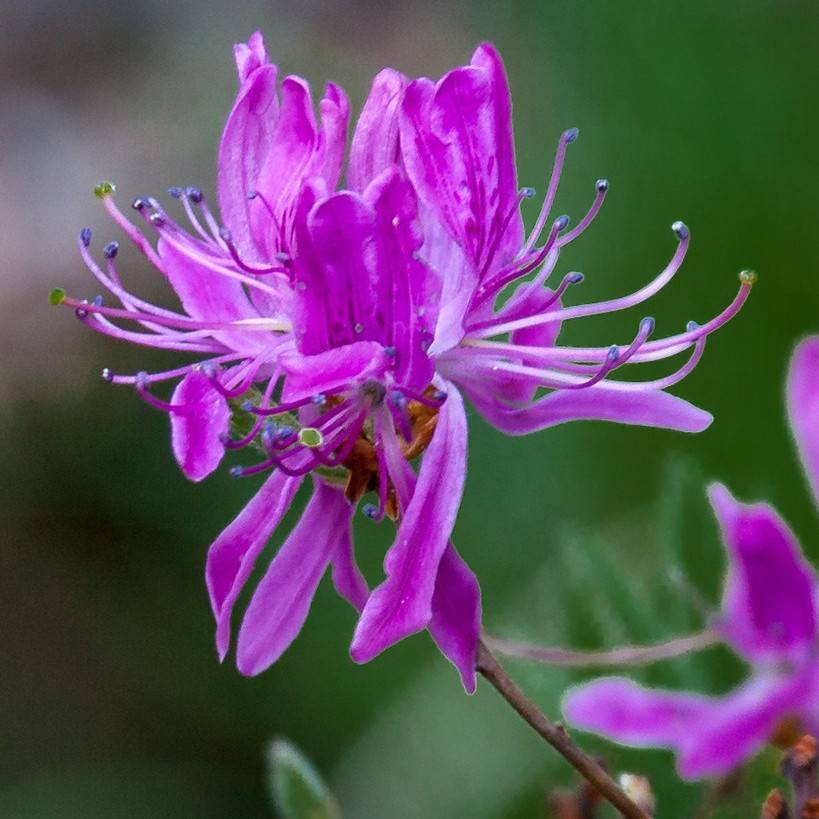
Canada Rosebay Rhodora
Rhododendron canadense
Overview
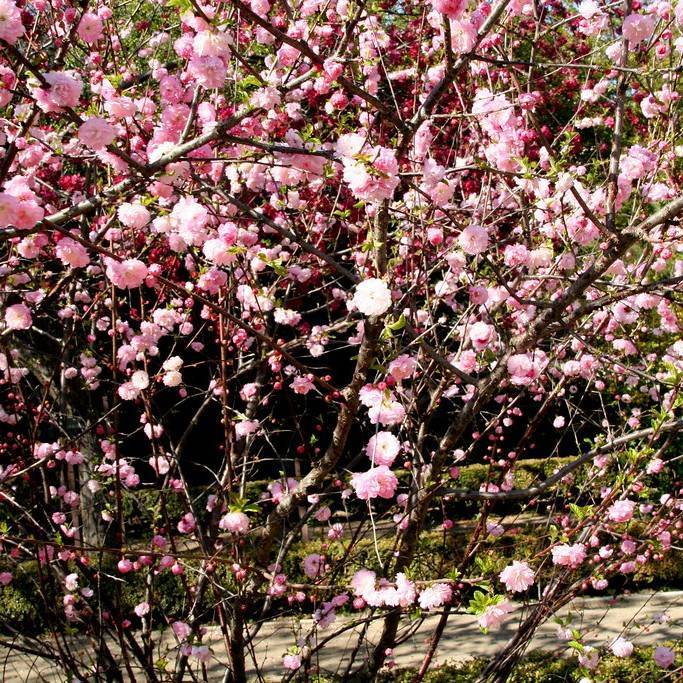
Canada Rosebay Rhodora, often shortened to rhodora, is a low-growing deciduous shrub celebrated for its vibrant early spring floral display. Its blooms appear in dense clusters of rosy-purple (rarely white) flowers just before or as its small, elliptical green leaves unfurl, creating a striking contrast against boggy, woodland landscapes. Adapted to cool, moist climates, it is a staple of northeastern North American wetland ecosystems, including bogs, swamps, and damp acidic woodlands. Its compact, spreading habit makes it a popular choice for native plant gardens and rain gardens in regions with suitable soil conditions.
Care Guide
Watering
Consistent moisture is critical for Canada Rosebay Rhodora, as it is adapted to boggy, wetland habitats and cannot tolerate prolonged drought. Water regularly to keep the soil evenly moist but not waterlogged, reducing frequency slightly in winter when the plant is dormant; avoid using hard tap water, which can raise soil pH and harm the shrub.
Light
This species performs best in partial shade, particularly in the warmer southern end of its range, where direct midday sun can scorch its foliage and dry out the root zone. In cooler northern regions, it can tolerate full sun as long as soil moisture remains consistent; too much deep shade will reduce flowering density.
Soil
Canada Rosebay Rhodora requires highly acidic soil with a pH between 4.0 and 5.5, rich in organic matter such as peat moss, pine needles, or well-rotted oak leaf mold. The soil must be well-draining but moisture-retentive; heavy, alkaline, or compacted soils will quickly lead to root rot and plant decline.
Fertilizer
Fertilize sparingly in early spring, before new growth emerges, using a slow-release, acid-forming fertilizer formulated for rhododendrons or azaleas, applied at half the recommended rate to avoid burning shallow roots. Avoid fertilizers containing lime or high levels of phosphorus, which are toxic to this ericaceous species, and skip fertilization entirely for plants growing in very rich, organic native soils.
Temperature
This shrub is extremely cold-hardy, thriving in USDA zones 3 through 7, and can tolerate winter temperatures as low as -40°F (-40°C) without damage. It does not perform well in hot, humid climates above zone 7, as sustained high temperatures can cause foliage stress and reduce flowering; cool, temperate conditions are ideal.
Pruning
Prune immediately after flowering finishes in late spring, before next year’s flower buds set, to avoid reducing the following season’s display. Remove dead, damaged, or crossing branches to improve air circulation, and trim back overgrown stems to maintain the desired compact shape; avoid heavy pruning, as this species recovers slowly from aggressive cutting.
Propagation
The most reliable method for home gardeners is softwood cuttings taken in early summer, treated with rooting hormone, and planted in a moist, acidic rooting medium under high humidity. It can also be grown from seed sown on the surface of damp, sterile acidic potting mix in late winter, though seed-grown plants may take 3 to 5 years to reach flowering maturity.
Humidity
Canada Rosebay Rhodora prefers moderate to high humidity levels between 50% and 70%, consistent with its native wetland and woodland habitats. Low indoor humidity will cause foliage browning and leaf drop, making it unsuitable for most indoor growing; outdoor plants in dry regions will benefit from regular misting or a nearby water feature to boost ambient moisture.
Repotting
For container-grown specimens, repot every 2 to 3 years in early spring before new growth appears, using an acidic, peat-based potting mix formulated for ericaceous plants. Choose a container with ample drainage holes, and avoid planting too deeply, as this species has shallow roots that are susceptible to rot if buried under excess soil.
Uses & Symbolism
Canada Rosebay Rhodora is widely planted in native plant gardens, rain gardens, and bog gardens for its showy early spring blooms and its value to pollinators, including bumblebees and native bees that feed on its nectar. It is also used in habitat restoration projects for wetland and acidic woodland sites, providing cover and food for native bird species, and has been the subject of literary and artistic works celebrating northeastern North American flora, including an 1834 essay by Ralph Waldo Emerson.
Diseases & Pests
Common pests include rhododendron borers, lace bugs, and spider mites, which can cause foliage stippling, yellowing, and stem damage if populations are left unmanaged. Fungal diseases such as root rot, powdery mildew, and leaf spot are prevalent in poorly draining soil or high-humidity conditions with poor air circulation; these can be prevented by maintaining proper soil pH, avoiding overwatering, and spacing plants to allow airflow between branches.
Related plants
Other plants you might like if you grow Canada Rosebay Rhodora.
%22%2F%3E%0A%20%20%20%20%20%20%3Ccircle%20cx%3D%22920%22%20cy%3D%22180%22%20r%3D%2290%22%20fill%3D%22%23cfe8d5%22%2F%3E%0A%20%20%20%20%20%20%3Cpath%20d%3D%22M600%20590c-90-180-215-255-310-280%200%20165%20118%20296%20270%20296h40z%22%20fill%3D%22%2379b88e%22%2F%3E%0A%20%20%20%20%20%20%3Cpath%20d%3D%22M600%20590c80-150%20198-212%20302-228-8%20142-123%20255-270%20255h-32z%22%20fill%3D%22%235c9f73%22%2F%3E%0A%20%20%20%20%20%20%3Cpath%20d%3D%22M600%20610V360%22%20stroke%3D%22%234f8c64%22%20stroke-width%3D%2218%22%20stroke-linecap%3D%22round%22%2F%3E%0A%20%20%20%20%20%20%3Ctext%20x%3D%22600%22%20y%3D%22700%22%20text-anchor%3D%22middle%22%20font-family%3D%22Arial%2C%20sans-serif%22%20font-size%3D%2244%22%20fill%3D%22%23365c45%22%3E%0A%20%20%20%20%20%20%20%20Plant%20image%20coming%20soon%0A%20%20%20%20%20%20%3C%2Ftext%3E%0A%20%20%20%20%3C%2Fsvg%3E%0A%20%20)