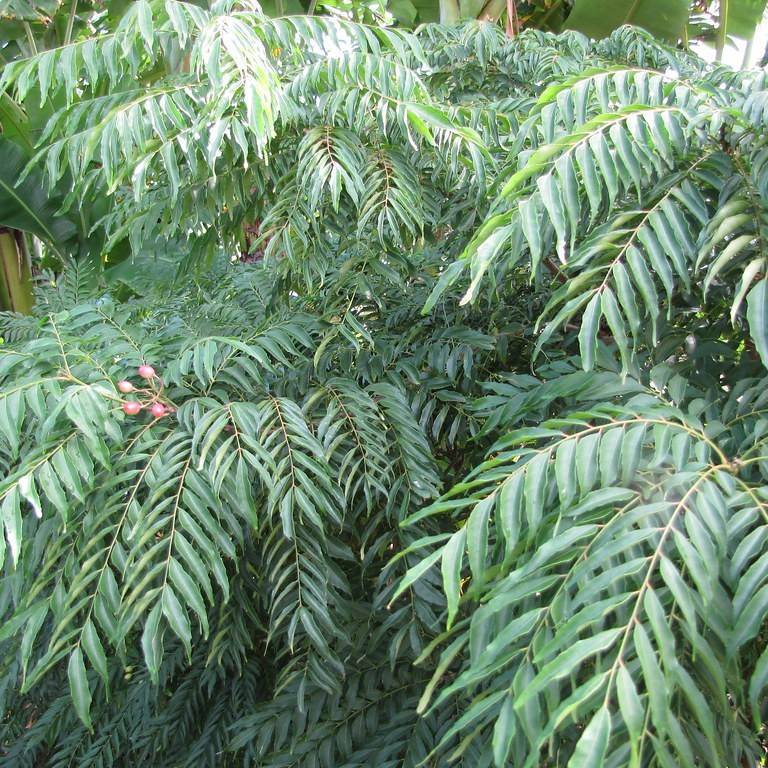
Curry Leaf
Murraya koenigii
Overview
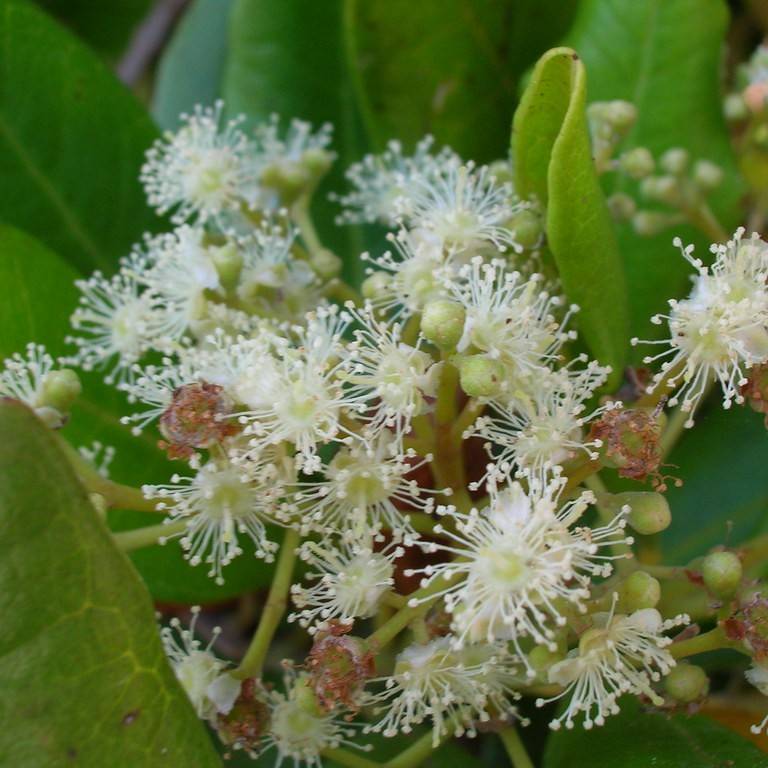
The curry leaf tree is a small, evergreen tropical tree prized for its glossy, pinnate leaves that emit a distinct, warm, spicy aroma when crushed. Native to the Indian subcontinent, it is widely cultivated across tropical and subtropical regions for culinary, medicinal, and ornamental uses. In cooler climates, it is often grown as a potted houseplant to protect it from frost damage. The tree produces small, fragrant white flowers followed by small, dark purple-black edible berries, though the seeds inside the berries are toxic if consumed.
Care Guide
Watering
Water curry leaf plants thoroughly when the top 1-2 inches of soil feel dry to the touch, reducing frequency in the winter when growth slows. Avoid overwatering, as soggy soil can lead to root rot; ensure the pot has adequate drainage holes to prevent standing water. During hot, dry summer months, you may need to water as frequently as once every 2-3 days for outdoor plants.
Light
Curry leaf plants require full sun, meaning 6-8 hours of direct sunlight daily, to thrive and produce dense, aromatic foliage. Indoor plants should be placed in a south-facing window, or supplemented with grow lights if natural sunlight is insufficient to prevent leggy, sparse growth. Avoid placing young plants in intense midday sun immediately after transplanting to prevent leaf scorch, gradually acclimating them to full sun conditions.
Soil
Plant curry leaf trees in a well-draining, loamy or sandy soil mix with a slightly acidic to neutral pH between 6.0 and 7.0 for optimal growth. A suitable potting mix can be made by combining regular potting soil with perlite, coarse sand, or orchid bark to improve drainage and aeration. Avoid heavy, clay-rich soils that retain excess moisture, as these can cause root rot and stunt growth.
Fertilizer
Feed curry leaf plants with a balanced, slow-release fertilizer with an NPK ratio of 10-10-10 every 4-6 weeks during the active growing season from spring to early fall. You can also supplement with nitrogen-rich organic fertilizers such as compost, fish emulsion, or blood meal to encourage lush, healthy leaf production. Stop fertilizing entirely during the winter months when the plant enters a period of dormancy.
Temperature
Curry leaf plants thrive in warm temperatures between 65°F and 85°F (18°C and 29°C), and are highly sensitive to frost and cold temperatures below 40°F (4°C). Outdoor plants in zones 9-12 can be grown year-round in the ground, while plants in cooler regions should be brought indoors or placed in a heated greenhouse during the winter. Sudden temperature drops can cause leaf drop, so avoid placing plants near drafty windows or air conditioning vents when grown indoors.
Pruning
Prune curry leaf plants regularly during the growing season to encourage bushier, more compact growth, pinching or cutting back the top 2-3 inches of new growth to stimulate lateral branching. Remove any yellowed, diseased, or dead leaves and branches as they appear to maintain plant health and improve air circulation. You can harvest up to 1/3 of the plant’s foliage at a time for culinary use, as regular harvesting also promotes denser leaf production.
Propagation
Curry leaf plants are most commonly propagated from fresh seeds, which should be removed from ripe berries, cleaned, and sown immediately in moist, well-draining seed starting mix for the highest germination rate. They can also be propagated from semi-hardwood stem cuttings taken in late spring or early summer, dipped in rooting hormone, and placed in a warm, humid environment until roots develop in 4-6 weeks. Propagation from cuttings has a lower success rate than seed propagation, so multiple cuttings should be taken to improve odds of success.
Humidity
Curry leaf plants prefer moderate to high humidity levels between 50% and 70% to support healthy foliage growth. Indoor plants in dry, heated environments can benefit from regular misting with room-temperature water, placing a pebble tray filled with water under the pot, or using a small humidifier to raise ambient humidity. Low humidity can cause leaf tips to brown and drop, so monitor moisture levels closely during the winter heating season.
Repotting
Repot young curry leaf plants every 1-2 years in the spring, moving them to a pot one size larger than the current one to accommodate root growth. Mature plants only need repotting every 3-4 years, or when roots begin to grow out of the drainage holes or circle the bottom of the pot. After repotting, water the plant thoroughly and place it in a shaded location for a few days to allow it to acclimate to the new soil before returning it to full sun.
Uses & Symbolism
Fresh and dried curry leaves are a core ingredient in South Asian cuisines, used to flavor curries, soups, chutneys, rice dishes, and spice blends, usually removed before serving or eaten whole for their aromatic, slightly bitter taste. In traditional Ayurvedic medicine, curry leaves are used to aid digestion, reduce blood sugar levels, improve hair health, and treat minor skin ailments. The tree is also grown as an ornamental plant for its glossy foliage and fragrant white flowers, which attract pollinators such as bees and butterflies in outdoor gardens.
Diseases & Pests
Curry leaf plants are relatively pest-resistant, but can be affected by common houseplant pests such as aphids, spider mites, scale insects, and mealybugs, which can be treated with neem oil, insecticidal soap, or a gentle spray of water to dislodge small infestations. Root rot is the most common fungal disease, caused by overwatering or poorly draining soil, which can be prevented by allowing the top layer of soil to dry out between waterings and ensuring adequate drainage. Leaf spot and powdery mildew may occur in overly humid, poorly ventilated conditions, which can be addressed by improving air circulation around the plant and reducing overhead watering.
Related plants
Other plants you might like if you grow Curry Leaf.