Bitter Ginger
Zingiber zerumbet
Overview
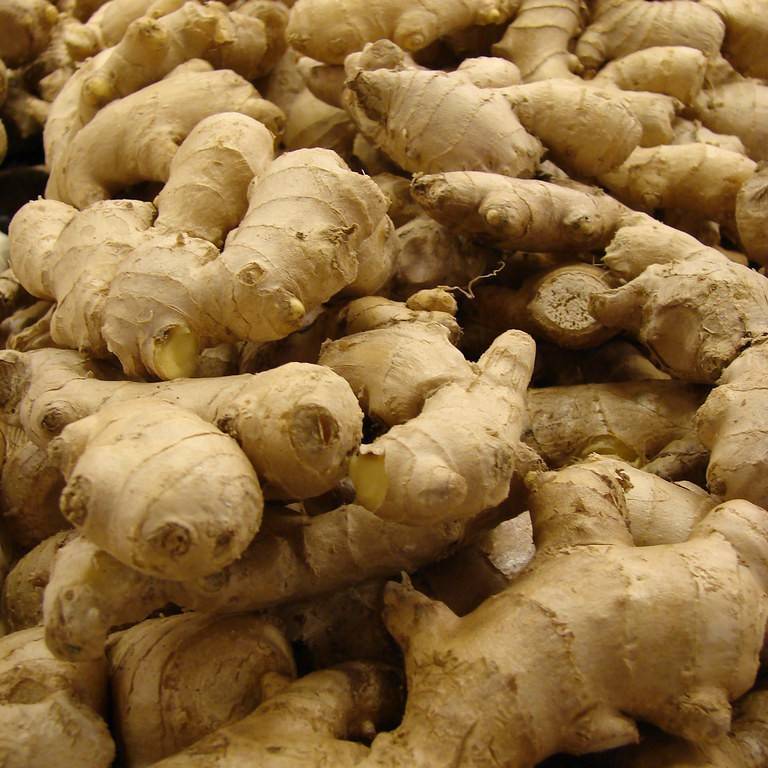
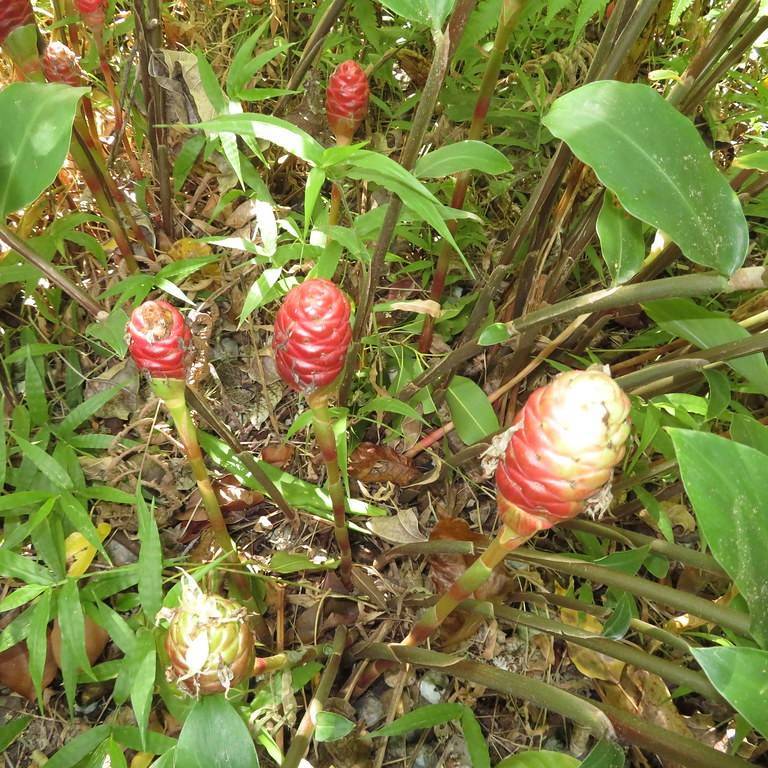
Bitter ginger, also known as awapuhi or shampoo ginger, is a rhizomatous herb in the ginger family recognizable by its long, lance-shaped green leaves and striking, waxy red or green cone-like flower bracts that produce a clear, slippery mucilage as they mature. Native to tropical wet forest habitats, it spreads slowly via branching, pungent rhizomes that have a characteristic bitter, earthy flavor distinct from common culinary ginger. It has a long history of use in Indigenous traditional medicine and cultural practices across its native range.
Care Guide
Watering
Keep soil consistently moist but not waterlogged during the active growing season from spring to fall, watering whenever the top 1 inch of soil feels dry to the touch. Reduce watering significantly in the dormant winter period, allowing the top half of the soil to dry out between waterings to prevent rhizome rot. Avoid using hard or chlorinated water if possible, as this can cause leaf tip browning over time.
Light
Bitter ginger thrives in bright, indirect light, such as the filtered sunlight found under a tropical forest canopy. It can tolerate partial shade, but too much deep shade will reduce flowering and slow rhizome growth. Protect it from direct, intense midday sun, which can scorch its delicate leaves and cause unsightly brown patches.
Soil
Plant in a loose, well-draining, nutrient-rich soil with a slightly acidic to neutral pH between 5.5 and 7.0. A mix of peat moss, perlite, and aged organic compost works well, as it retains adequate moisture without becoming soggy around the sensitive rhizomes. Avoid heavy, compacted clay soils that trap water and increase the risk of root rot.
Fertilizer
Feed every 2 to 3 weeks during the active growing season with a balanced, water-soluble fertilizer diluted to half the recommended strength to support foliage and rhizome development. Use a fertilizer with slightly higher potassium content if you want to encourage more abundant flower bract production. Stop fertilizing entirely during the dormant winter months when growth slows significantly.
Temperature
Bitter ginger prefers warm, tropical temperatures between 65°F and 85°F (18°C and 29°C) for optimal growth. It cannot tolerate frost, and temperatures below 50°F (10°C) will trigger dormancy, with leaves dying back until conditions warm again. If grown outdoors in temperate climates, dig up rhizomes before the first frost and store them in a cool, dry place over winter for replanting in spring.
Pruning
Remove yellowed, brown, or damaged leaves at the base of the stem throughout the growing season to improve air circulation and maintain a tidy appearance. After flowering is complete, you can snip off spent flower bracts if desired, though leaving them in place will not harm the plant. Cut back all dead foliage to the soil line once the plant enters winter dormancy to reduce the risk of pest and disease issues.
Propagation
Bitter ginger is most easily propagated by dividing mature rhizomes in early spring just before new growth begins. Carefully dig up the rhizome clump, cut it into sections with at least 2 to 3 visible growth buds per piece, allow the cut surfaces to callus over for 1 to 2 days, then plant each section 2 to 3 inches deep in prepared soil. It can also be grown from fresh seed, though seed-grown plants take much longer to reach maturity and produce flowers.
Humidity
As a tropical plant, bitter ginger prefers high humidity levels between 60% and 80% to thrive. If grown indoors in dry climates, boost humidity by placing the pot on a pebble tray filled with water, using a room humidifier, or misting the leaves regularly with room-temperature water. Low humidity will cause leaf tips to turn brown and crispy over time, even with adequate watering.
Repotting
Repot container-grown bitter ginger every 2 to 3 years in early spring, just before new growth emerges, to refresh the soil and give the expanding rhizome clump more space. Choose a pot that is 2 to 3 inches wider than the current container, with adequate drainage holes to prevent water buildup. Divide large rhizome clumps during repotting if you want to propagate new plants or control the size of your existing specimen.
Uses & Symbolism
The bitter rhizomes are used in traditional Southeast Asian and South Asian medicine to treat inflammation, digestive issues, pain, and respiratory conditions, and are occasionally used as a flavoring agent in savory dishes and herbal teas. The slippery mucilage extracted from mature flower bracts is a traditional natural shampoo and hair conditioner, widely used in Hawaii and other Pacific islands, and is a common ingredient in natural hair care products. It is also grown as an ornamental plant in tropical gardens for its attractive foliage and unique, long-lasting flower bracts that work well in cut flower arrangements.
Diseases & Pests
Bitter ginger is relatively pest-resistant, but can be susceptible to common sap-sucking insects such as aphids, spider mites, and mealybugs, which can be treated with neem oil or insecticidal soap. Overwatering or poorly draining soil is the most common cause of issues, leading to rhizome rot, fungal root rot, and leaf spot diseases that can be prevented by following proper watering practices. In very humid, stagnant conditions, it may develop powdery mildew on leaves, which can be managed by improving air circulation around the plant.
Related plants
Other plants you might like if you grow Bitter Ginger.