Hyssop
Hyssopus officinalis
Overview
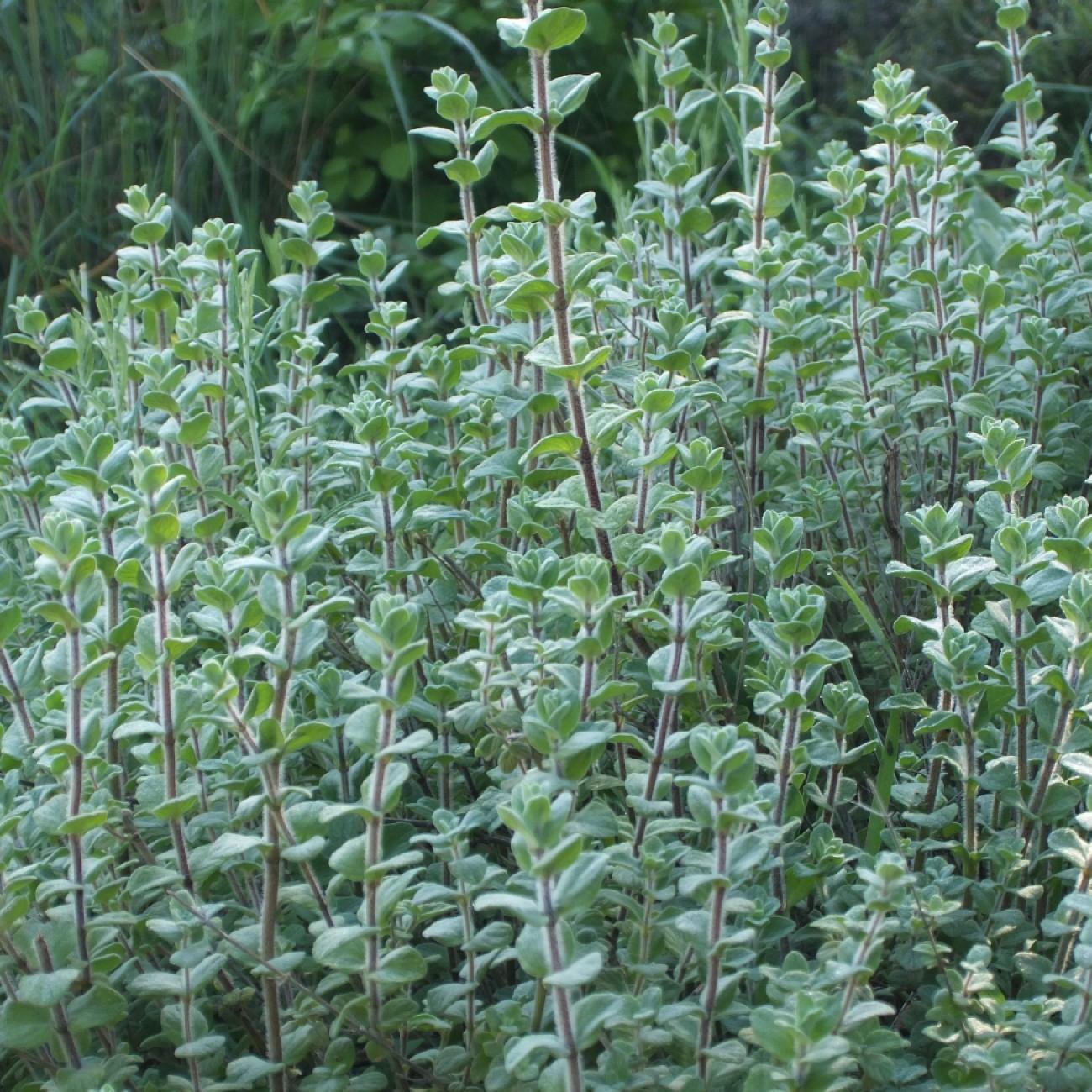
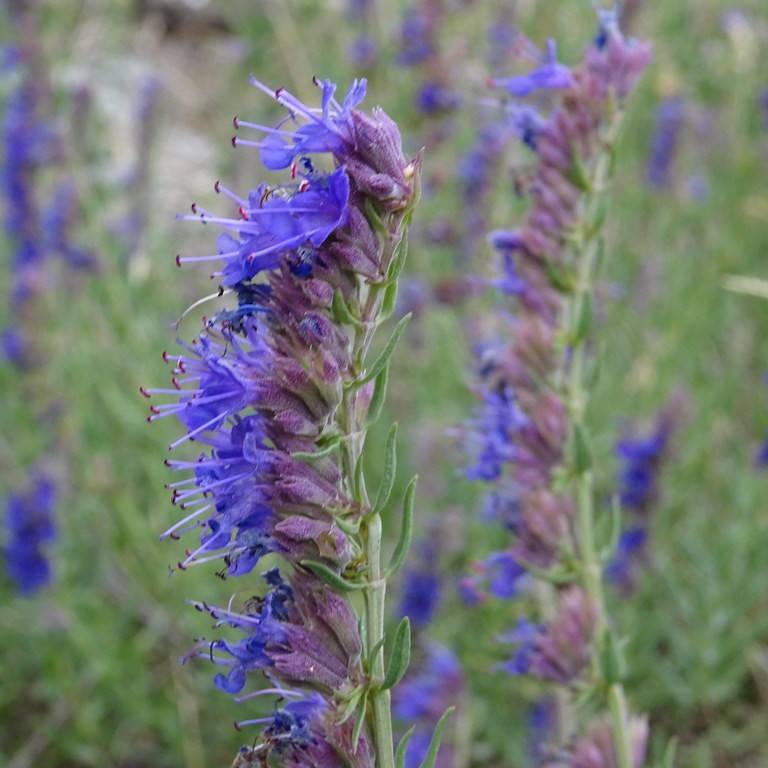
Hyssop is a bushy, semi-evergreen herb with narrow, aromatic dark green leaves and upright spikes of tubular flowers that bloom from mid to late summer. It has a long history of use in traditional medicine, religious rituals, and culinary preparations, dating back to ancient Greek and Roman times. The plant’s strong, minty-balsamic scent makes it a popular addition to herb gardens, rock gardens, and pollinator landscapes, where it draws bees, butterflies, and hummingbirds.
Care Guide
Watering
Hyssop is drought-tolerant once established, requiring only occasional deep watering during prolonged dry periods. Avoid overwatering, as saturated soil can lead to root rot; allow the top 1 to 2 inches of soil to dry out completely between waterings. Newly planted hyssop needs regular, light watering for the first 2 to 3 months to help it develop a strong root system.
Light
Hyssop thrives in full sun, requiring at least 6 to 8 hours of direct sunlight daily to produce dense foliage and abundant flowers. It can tolerate very light partial shade, but plants grown in shadier conditions will become leggy, produce fewer blooms, and have less intense aroma. When grown indoors, place it in a south-facing window or under grow lights to meet its light requirements.
Soil
This herb prefers well-drained, sandy or loamy soil with a slightly alkaline to neutral pH between 6.5 and 8.0. It can tolerate poor, rocky, or dry soils that many other plants struggle in, as long as drainage is excellent. Heavy clay soils that hold moisture should be amended with sand or gravel to improve drainage before planting.
Fertilizer
Hyssop is a light feeder that rarely needs supplemental fertilizer, as it grows well in nutrient-poor soils. Over-fertilizing will cause the plant to produce lush, leggy growth with reduced aroma and flavor. If desired, apply a thin layer of compost around the base of the plant in early spring to provide gentle, slow-release nutrients for the growing season.
Temperature
Hyssop is cold-hardy in USDA zones 3 through 9, tolerating winter temperatures as low as -30°F (-34°C) when established. It prefers warm, dry growing conditions between 65°F and 85°F (18°C to 29°C) and can withstand high summer temperatures as long as it has good air circulation. In areas with extremely cold, wet winters, apply a light layer of mulch around the base to protect roots from frost damage and excess moisture.
Pruning
Prune hyssop in early spring before new growth emerges, cutting back woody stems to about 6 inches above the ground to encourage bushy, vigorous new growth. Deadhead spent flower spikes throughout the summer to promote continuous blooming and prevent the plant from self-seeding excessively, if desired. After flowering finishes in late summer, you can cut back the entire plant by one-third to prevent it from becoming woody and sprawling over time.
Propagation
Hyssop can be easily propagated from seed, stem cuttings, or root division. Sow seeds directly outdoors in spring after the last frost, or start them indoors 6 to 8 weeks before the last frost date, keeping soil moist until germination occurs in 7 to 14 days. Take 3 to 4 inch semi-ripe stem cuttings in mid-summer, dip the cut end in rooting hormone, and plant in well-drained potting mix; roots will form in 2 to 3 weeks. Divide established clumps every 3 to 4 years in early spring or fall to rejuvenate plants and produce new specimens.
Humidity
Hyssop prefers low to moderate humidity levels between 40% and 60%, and it is highly tolerant of dry air. High humidity and poor air circulation can lead to fungal diseases such as powdery mildew, so space plants 12 to 18 inches apart to allow for good airflow. When grown indoors, avoid placing it in overly humid areas such as bathrooms, and ensure the room is well-ventilated.
Repotting
Hyssop grown in containers should be repotted every 2 to 3 years in early spring, before new growth begins. Choose a pot that is 1 to 2 inches larger than the current one, with drainage holes to prevent waterlogging, and use a well-drained, sandy potting mix mixed with a small amount of compost. After repotting, water lightly and place the plant in full sun to help it acclimate to its new container.
Uses & Symbolism
Hyssop leaves and flowering tops are used fresh or dried as a culinary herb to add a bitter, minty flavor to soups, stews, salads, liqueurs, and herbal teas. It has been used in traditional medicine to treat respiratory ailments, digestive issues, and topical wounds, and it is a common ingredient in aromatherapy products for its calming, uplifting scent. As an ornamental plant, it adds color to herb gardens, rock gardens, and border edges, and its nectar-rich flowers support beneficial pollinators including bees and butterflies.
Diseases & Pests
Hyssop is relatively pest and disease resistant, but it can develop fungal issues such as powdery mildew, root rot, and leaf spot when grown in overly wet, poorly drained soil or high humidity conditions. Common pests include aphids, spider mites, and whiteflies, which can be controlled with insecticidal soap, neem oil, or by introducing beneficial predatory insects such as ladybugs. To prevent most issues, ensure plants have good air circulation, well-drained soil, and avoid overhead watering that keeps foliage wet for extended periods.
Related plants
Other plants you might like if you grow Hyssop.