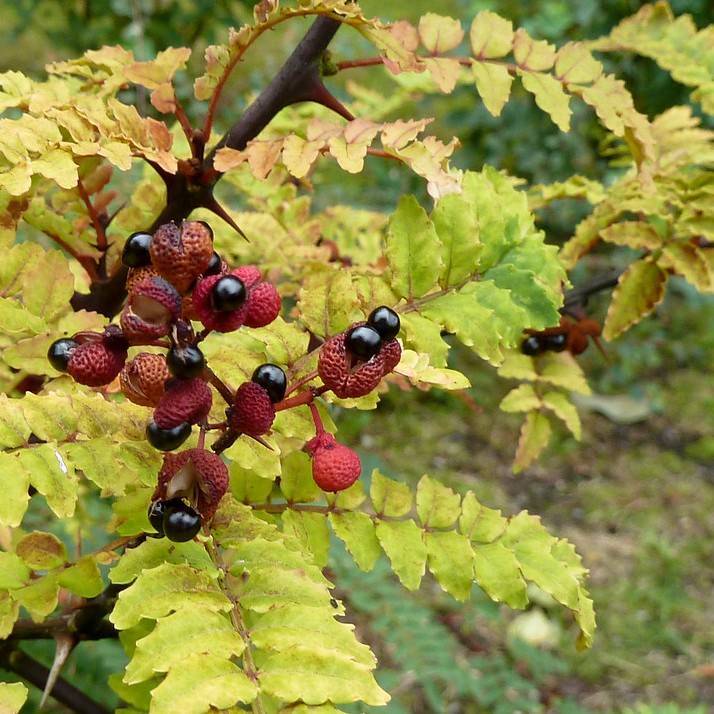
Japanese Pepper
Zanthoxylum piperitum
Overview
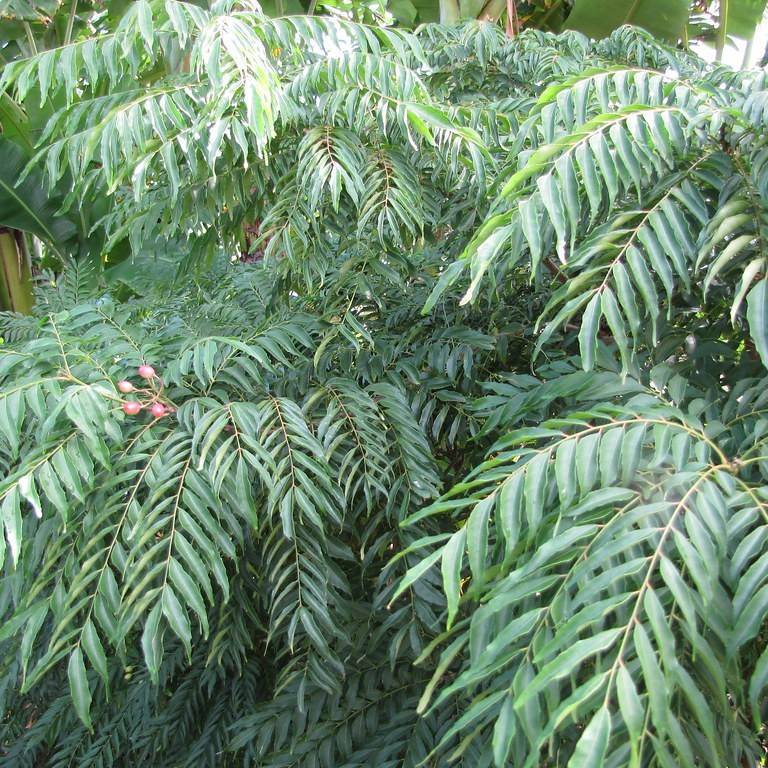
Japanese Pepper, also called sanshō, is a spiny deciduous shrub or small tree recognizable by its glossy, pinnate leaves and clusters of small, reddish bumpy berries. All parts of the plant carry a distinctive citrusy, pungent aroma and produce a mild numbing sensation on the tongue when consumed, a trait shared with its close relative Sichuan pepper. It is widely cultivated across East Asia for culinary and medicinal applications, and is valued in ornamental gardens for its attractive foliage and hardiness.
Care Guide
Watering
Water young Japanese Pepper plants regularly to keep the soil consistently moist but not waterlogged, especially during dry summer months. Established plants are moderately drought tolerant, requiring supplemental watering only during extended periods of no rainfall to avoid stressing the root system. Reduce watering frequency in late fall and winter to prevent root rot when the plant is dormant.
Light
Grow Japanese Pepper in full sun to partial shade, with at least 6 hours of direct sunlight daily to support robust foliage growth and berry production. Plants grown in too much shade will produce less aromatic foliage and fewer fruits, with sparser, leggy growth. In extremely hot, arid climates, provide light afternoon shade to prevent leaf scorch during the hottest summer months.
Soil
Japanese Pepper thrives in well-draining, loamy or sandy soil with a slightly acidic to neutral pH range of 5.5 to 7.0. It can tolerate poor, rocky soils as long as drainage is adequate, as it is highly susceptible to root rot in heavy, waterlogged clay soils. Amend heavy garden soil with compost or coarse sand at planting time to improve drainage and boost organic content.
Fertilizer
Apply a balanced, slow-release granular fertilizer in early spring just before new growth emerges to support foliage and fruit development for the growing season. Avoid over-fertilizing with high-nitrogen products, as this can promote excessive soft foliage growth at the expense of berry production and increase vulnerability to winter damage. Potted plants benefit from a diluted liquid fertilizer applied every 4 to 6 weeks during the active growing season.
Temperature
Japanese Pepper is cold hardy in USDA zones 5 to 9, tolerating winter temperatures as low as -20°F (-29°C) once fully established. Young plants may require winter protection such as mulch around the root zone or burlap wrapping in areas with harsh, freezing winters to prevent cold damage. It tolerates summer temperatures up to 95°F (35°C) as long as it receives adequate moisture and light afternoon shade in extreme heat.
Pruning
Prune Japanese Pepper in late winter while the plant is dormant to remove dead, damaged, or crossing branches, and to maintain its desired size and shape. Thin out overcrowded inner branches to improve air circulation, which reduces the risk of fungal diseases and encourages better light penetration for even growth. Wear thick gloves when pruning to avoid injury from the plant’s sharp, thorny stems.
Propagation
Japanese Pepper is most commonly propagated from semi-hardwood cuttings taken in mid to late summer, rooted in a well-draining propagation medium under high humidity. It can also be grown from seed, though seeds require 3 to 4 months of cold stratification to break dormancy, and germination rates are often low and inconsistent. Grafting onto rootstock of the same species is used commercially to ensure consistent fruit quality and growth characteristics for culinary cultivars.
Humidity
Japanese Pepper adapts well to a wide range of humidity levels, thriving in the moderate 40-70% humidity common across most of its native growing regions. It tolerates dry air well once established, though young plants may benefit from occasional misting in extremely arid climates to prevent leaf edge browning. Avoid excessively high, sustained humidity around the foliage, as this can increase the risk of fungal leaf spot diseases.
Repotting
Potted Japanese Pepper plants should be repotted every 2 to 3 years in early spring before new growth begins, moving to a container one size larger to accommodate root growth. Use a well-draining potting mix formulated for woody shrubs, and ensure the container has ample drainage holes to prevent water buildup around the roots. Trim any circling or damaged roots during repotting to encourage healthy new root development and prevent root binding.
Uses & Symbolism
Japanese Pepper’s young leaves, ripe berries, and ground dried peel are core ingredients in Japanese cuisine, used to season grilled meats, noodles, pickles, and the iconic spice blend shichimi togarashi. In traditional East Asian medicine, extracts from the bark and berries are used to aid digestion, reduce inflammation, and treat minor gastrointestinal discomfort. It is also grown as an ornamental shrub in home gardens for its attractive glossy foliage, drought tolerance, and deer-resistant properties.
Diseases & Pests
Japanese Pepper is relatively pest resistant, but may be susceptible to aphids, scale insects, and spider mites that feed on tender new growth, especially in dry, warm conditions. Fungal diseases such as leaf spot and powdery mildew can occur in areas with poor air circulation or prolonged high humidity, causing spotted or discolored foliage. Root rot is the most serious issue, typically caused by overwatering or planting in poorly draining soil, which can lead to wilting, yellowing leaves, and eventual plant death if not addressed quickly.
Related plants
Other plants you might like if you grow Japanese Pepper.