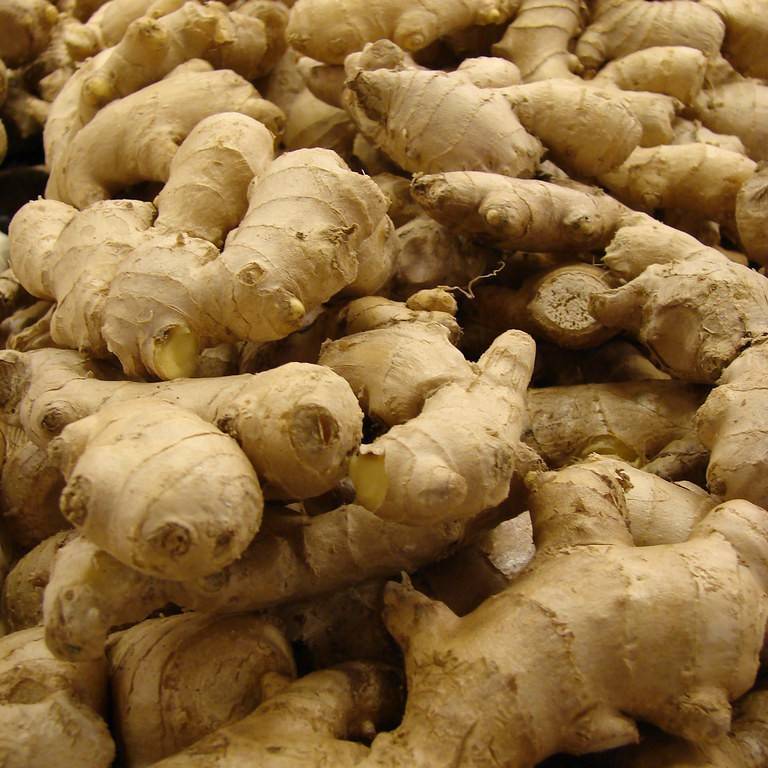
Common Ginger
Zingiber officinale
Overview
Common ginger is a herbaceous perennial that grows from branching, fleshy rhizomes, producing tall, reed-like stems with narrow, bright green lanceolate leaves. It bears small, yellow-green flowers with purple lips on dense, cone-shaped inflorescences, though it rarely blooms when cultivated for culinary use. Native to tropical Southeast Asia, it has been cultivated for over 5,000 years for its culinary and medicinal properties, and is now grown in warm, humid regions across the globe.
Care Guide
Watering
Keep soil consistently moist but not waterlogged during the active growing season, watering when the top 1 inch of soil feels dry to the touch. Reduce watering frequency in fall as foliage begins to die back, and keep soil barely damp during the dormant winter period to prevent rhizome rot.
Light
Thrives in partial shade or dappled sunlight, as direct midday sun can scorch its delicate leaves. Indoors, place it near a bright, east-facing window that receives gentle morning sun and filtered light for the remainder of the day.
Soil
Requires loose, well-draining, loamy soil rich in organic matter with a slightly acidic to neutral pH between 6.0 and 7.0. A mix of potting soil, compost, and perlite or coarse sand works well for container-grown plants to ensure proper drainage.
Fertilizer
Feed with a balanced, slow-release organic fertilizer every 4-6 weeks during the active growing season from spring to early fall. Avoid fertilizing during the dormant winter period when the plant is not actively growing, as this can burn the rhizomes.
Temperature
Prefers warm temperatures between 68-86°F (20-30°C) during active growth, and cannot tolerate frost or temperatures below 50°F (10°C). In cooler climates, grow it in containers that can be moved indoors during cold months to protect the rhizomes from freezing.
Pruning
Remove yellowed, damaged, or dead leaves as they appear throughout the growing season to maintain plant health and improve air circulation. Cut back the entire foliage stalk to soil level once it dies back naturally in fall to prepare the plant for its dormant period.
Propagation
Easily propagated by dividing mature rhizomes in early spring before new growth begins. Cut rhizomes into sections with 2-3 visible growth buds each, allow the cut surfaces to callous over for 1-2 days, then plant 2-3 inches deep in moist, well-draining soil.
Humidity
Requires moderate to high humidity between 50-70% to thrive, as dry air can cause leaf tips to brown. Indoor plants benefit from regular misting, placement on a pebble tray filled with water, or use of a humidifier during dry winter months.
Repotting
Container-grown plants should be repotted every 1-2 years in early spring before new growth emerges, using a slightly larger pot with fresh, nutrient-rich potting mix. Gently separate rhizomes during repotting if you wish to propagate new plants or control the size of your existing ginger patch.
Uses & Symbolism
The pungent rhizomes are a staple ingredient in global cuisines, used fresh, dried, pickled, or powdered to add flavor to curries, stir-fries, baked goods, and beverages like ginger tea and ginger ale. It has a long history of use in traditional medicine to alleviate nausea, reduce inflammation, aid digestion, and soothe cold and flu symptoms. Ornamental varieties with showier blooms are sometimes grown in tropical gardens for their attractive foliage and unique flowers.
Diseases & Pests
Common fungal issues include rhizome rot, caused by overwatering or poorly draining soil, and leaf spot, which presents as brown or yellow lesions on foliage. Pests that may affect ginger include aphids, spider mites, and root-knot nematodes, which can damage leaves and reduce rhizome yield. Ensure proper air circulation, avoid overwatering, and use organic insecticides or neem oil to treat pest infestations when they occur.
Related plants
Other plants you might like if you grow Common Ginger.