Dittany Of Crete
Origanum dictamnus
Overview
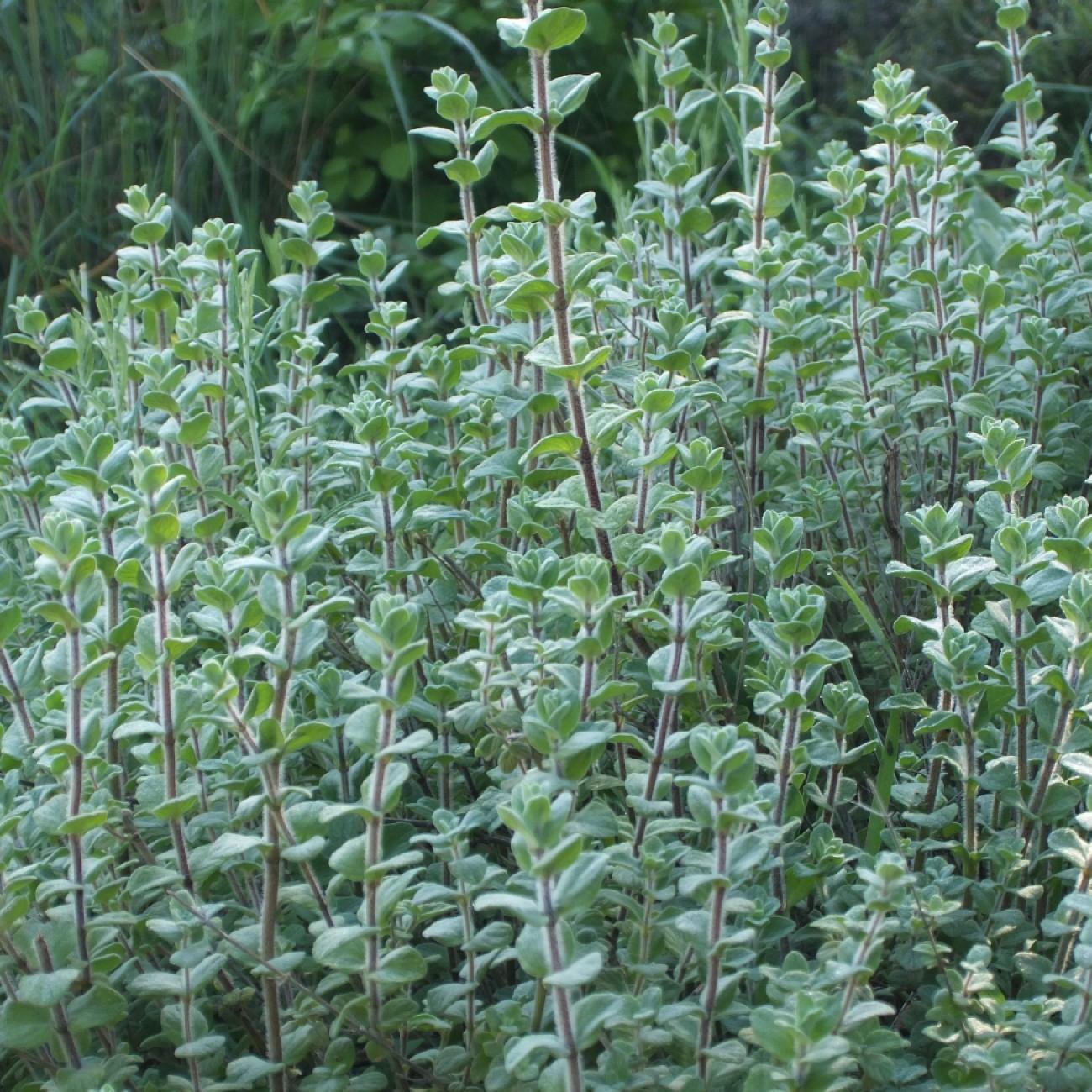
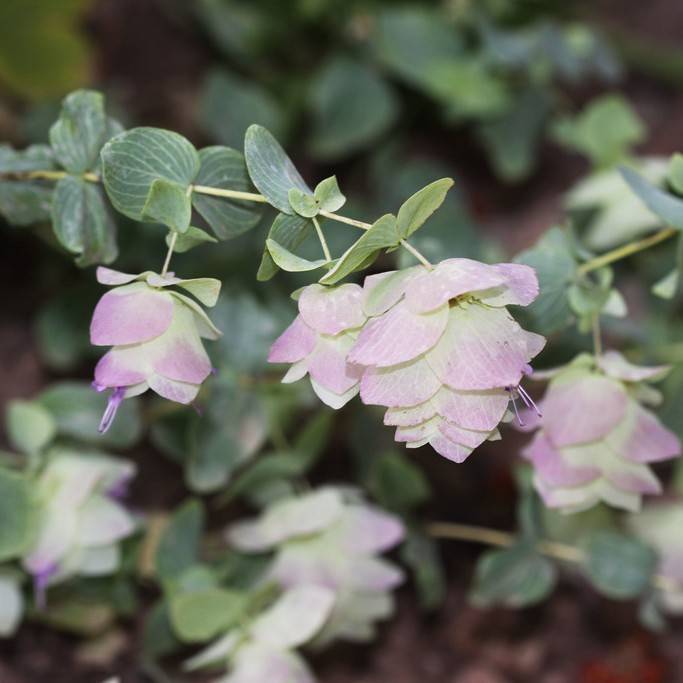
Dittany of Crete is a low-growing, woody subshrub recognizable by its soft, woolly gray-green leaves and dense clusters of tiny, pale pink to purple bracted flowers that bloom in summer. It has been celebrated for millennia in Greek folklore and traditional medicine, historically harvested from steep Cretan cliff faces for its reputed healing properties. Today, it is cultivated worldwide as an ornamental herb, culinary ingredient, and drought-tolerant rock garden plant.
Care Guide
Watering
Dittany of Crete is highly drought-tolerant and prone to root rot if overwatered; allow the top 2 to 3 inches of soil to dry completely between deep, infrequent waterings. Reduce watering drastically in winter, providing just enough moisture to prevent the root ball from desiccating entirely. Avoid wetting the fuzzy foliage when watering to minimize fungal disease risk.
Light
This species thrives in full, direct sunlight, requiring a minimum of 6 hours of unobstructed sun per day to maintain its compact growth habit and encourage abundant flowering. When grown indoors, place it in a south-facing window or under grow lights to prevent leggy, weak growth. Too much shade will reduce its aromatic oil content and make it susceptible to pest infestations.
Soil
Dittany of Crete requires sharply draining, alkaline to neutral soil with a high proportion of grit or sand to mimic its native limestone habitat. A commercial cactus or succulent mix amended with crushed limestone or perlite works well for container-grown specimens. Heavy, water-retentive garden soils will cause rapid root rot, so raised beds or rock gardens are ideal for outdoor planting.
Fertilizer
Feed sparingly, as over-fertilization leads to soft, leggy growth and reduced aromatic oil production. Apply a diluted, balanced liquid herb fertilizer once at the start of the growing season in spring, and avoid fertilizing for the rest of the year. No fertilizer is needed in winter when the plant is semi-dormant.
Temperature
It prefers warm, Mediterranean-style temperatures between 60 and 85°F (15 and 29°C) during the active growing season. It is hardy to USDA zones 7 to 10, tolerating light frost down to 20°F (-7°C) if planted in well-drained soil; in cooler zones, grow it in a container and overwinter indoors. Protect it from harsh, cold winds which can damage its fuzzy foliage.
Pruning
Prune back spent flower stems after blooming to encourage bushier new growth and prevent the plant from becoming woody and sparse. In early spring, trim back up to one-third of the previous year’s growth to maintain a compact, tidy shape and stimulate fresh leaf production. Remove any yellow or damaged foliage regularly to improve air circulation around the plant.
Propagation
Dittany of Crete is most easily propagated from semi-hardwood stem cuttings taken in late spring or early summer, which root readily in well-draining gritty medium under bright, indirect light. It can also be grown from seed, though germination rates are often low and seeds require a period of cold stratification to sprout. Division of mature clumps is not recommended, as the plant’s woody root system does not tolerate disturbance well.
Humidity
This species is adapted to low to moderate humidity levels between 30 and 50%, thriving in the dry air typical of Mediterranean regions. High humidity, especially paired with cool temperatures, increases the risk of fungal leaf spots and root rot, so ensure good air circulation around the plant at all times. Avoid misting the fuzzy foliage, as trapped moisture can cause leaf decay.
Repotting
Container-grown dittany only needs repotting every 2 to 3 years, when its roots have fully filled the existing pot and are growing through the drainage holes. Repot in spring, using a slightly larger container with ample drainage holes and fresh, gritty, well-draining soil. Avoid disturbing the root ball more than necessary during repotting to minimize transplant shock.
Uses & Symbolism
Dittany of Crete is used as a culinary herb in Cretan cuisine, added to salads, meat dishes, and herbal teas for its mild, oregano-like, slightly bitter flavor. It has a long history of use in traditional medicine to soothe digestive issues, treat minor wounds, and reduce inflammation, though modern clinical research on its efficacy is limited. As an ornamental, it is planted in rock gardens, xeriscapes, and herb planters for its attractive silvery foliage and long-lasting pink summer blooms.
Diseases & Pests
The most common issues for dittany of Crete are root rot and fungal leaf spots, caused by overwatering, poor drainage, or high humidity. It may be infested by common herb pests including aphids, spider mites, and whiteflies, especially when grown indoors in low light or stagnant air. Powdery mildew can also develop on foliage if the plant is grown in too much shade with poor air circulation.
Related plants
Other plants you might like if you grow Dittany Of Crete.