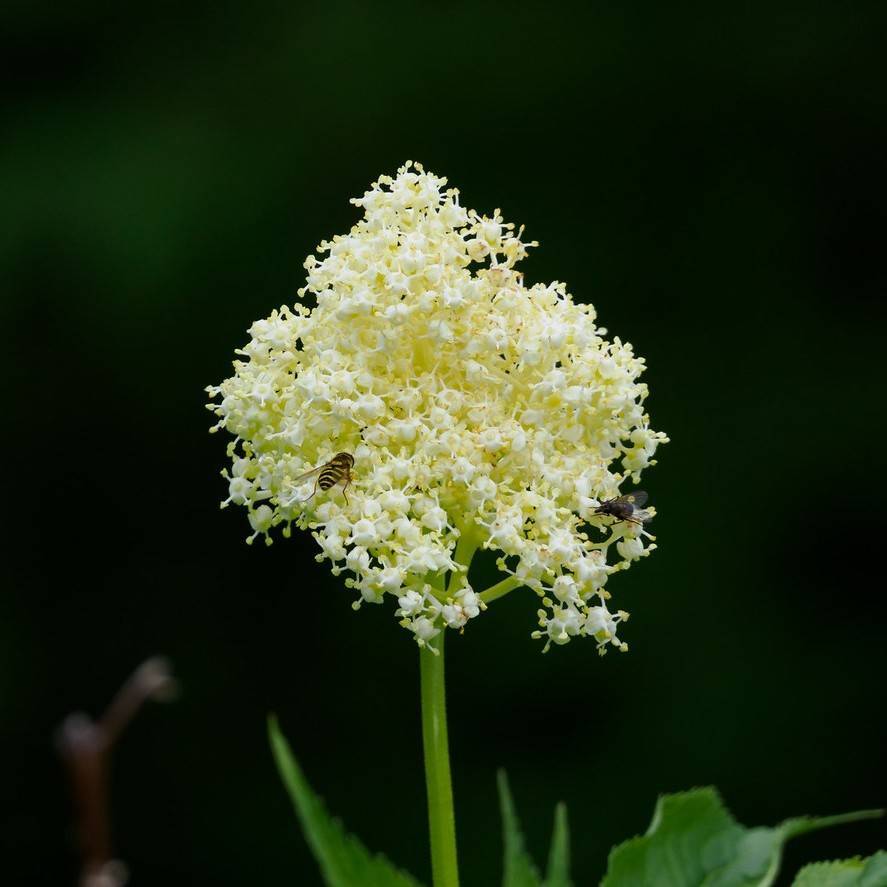
Elderberry
Sambucus nigra
Overview
Elderberry is a hardy, multi-stemmed deciduous shrub that produces flat-topped clusters of creamy white flowers in late spring, followed by drooping bunches of small, deep purple-black berries in late summer to early fall. It is widely cultivated for both ornamental value and culinary, medicinal uses, with cultivated varieties offering larger, more consistent berry yields than wild specimens. The plant is highly attractive to pollinators such as bees and butterflies, and its berries provide a critical food source for birds and other wildlife in temperate regions.
Care Guide
Watering
Elderberry prefers consistently moist, well-drained soil, requiring 1 to 2 inches of water per week during active growth and fruit development, especially during periods of prolonged drought. Reduce watering frequency in fall and winter once the plant enters dormancy, taking care not to oversaturate the soil to avoid root rot. Established plants have moderate drought tolerance, but consistent moisture will support larger, juicier berry yields.
Light
Elderberry thrives in full sun, which encourages maximum flower and fruit production, though it can tolerate partial shade, particularly in regions with intense, hot summer sun. Too much shade will result in sparse flowering, reduced berry yields, and a leggy, sparse growth habit. Position plants in a location that receives at least 6 hours of direct sunlight daily for best performance.
Soil
Elderberry adapts to a wide range of soil types, including loam, clay, and sandy soils, but performs best in fertile, humus-rich, well-drained soil with a slightly acidic to neutral pH between 5.5 and 7.0. It tolerates occasional wet soil, making it suitable for planting near rain gardens or low-lying areas, but prolonged waterlogging will damage its root system. Amend poor, sandy or heavy clay soils with well-rotted compost or aged manure prior to planting to improve structure and nutrient content.
Fertilizer
Feed established elderberry shrubs in early spring before new growth emerges with a balanced, slow-release 10-10-10 fertilizer, or a generous top dressing of well-rotted compost or aged manure to support vegetative growth and fruit development. Avoid over-fertilizing with high-nitrogen products, as this can encourage excessive leaf growth at the expense of flower and berry production. No additional fertilizer is needed during the growing season unless plants show clear signs of nutrient deficiency such as yellowing leaves or stunted growth.
Temperature
Elderberry is cold hardy in USDA zones 3 through 9, tolerating winter temperatures as low as -40°F (-40°C) once fully established. It requires approximately 800 to 1,000 chill hours below 45°F (7°C) during winter dormancy to trigger consistent flowering and fruiting the following growing season. Young shrubs may benefit from a layer of mulch around the base in winter to protect shallow root systems from extreme temperature fluctuations.
Pruning
Prune elderberry shrubs in late winter or early spring while the plant is dormant, removing any dead, damaged, or crossing branches to improve air circulation and reduce disease risk. Elderberries produce fruit on second-year canes, so remove canes that are 3 years old or older each year to encourage vigorous new growth that will support future berry yields. After harvesting berries in late summer, you can trim back overly long or unruly branches to maintain a tidy, compact shape if desired.
Propagation
Elderberry is most easily propagated from hardwood cuttings taken in late winter during dormancy, using 8 to 12 inch segments of healthy, one-year-old canes planted directly in moist potting soil or prepared garden beds. It can also be propagated from softwood cuttings taken in early summer, or from seed, though seed-grown plants may not retain the exact characteristics of the parent plant and can take 2 to 3 years to produce fruit. For best fruiting results, plant at least two different elderberry varieties within 50 feet of each other to facilitate cross-pollination.
Humidity
Elderberry tolerates a wide range of humidity levels, thriving in the moderate humidity typical of its native temperate regions, with ideal relative humidity between 40% and 70%. It can handle higher humidity levels as long as there is good air circulation around the foliage to prevent fungal diseases such as powdery mildew and leaf spot. Very low humidity may cause leaf edge browning, but established plants usually adapt well to short periods of dry air.
Repotting
Elderberry grown in containers should be repotted every 2 to 3 years in early spring before new growth emerges, moving to a pot one size larger with fresh, nutrient-rich potting mix amended with compost. Choose a heavy, large container with adequate drainage holes to prevent the shrub from tipping over as it grows, as it develops a wide, shallow root system and a relatively top-heavy growth habit. After repotting, water thoroughly and place in a sunny location to support new root establishment.
Uses & Symbolism
Ripe, cooked elderberries are widely used to make jams, jellies, syrups, pies, and fermented beverages such as wine and cordials, and are valued in herbal medicine for their reputed immune-supporting properties. The shrub's large, lacy foliage and showy spring flower clusters make it a popular ornamental planting for hedgerows, wildlife gardens, and naturalized landscapes. Elderflower, the fragrant bloom of the plant, is also harvested to make cordials, teas, and flavored desserts.
Diseases & Pests
Elderberry is relatively resistant to most pests and diseases, but can be susceptible to fungal issues such as powdery mildew, leaf spot, and canker, especially in areas with poor air circulation, high humidity, or prolonged leaf wetness. Common pests include aphids, spider mites, and elderberry borers, which can damage foliage and weaken stems if populations are left unmanaged. Birds are the most common nuisance for fruit growers, as they feed heavily on ripening berries; netting placed over shrubs as berries begin to color can help protect yields.
Related plants
Other plants you might like if you grow Elderberry.
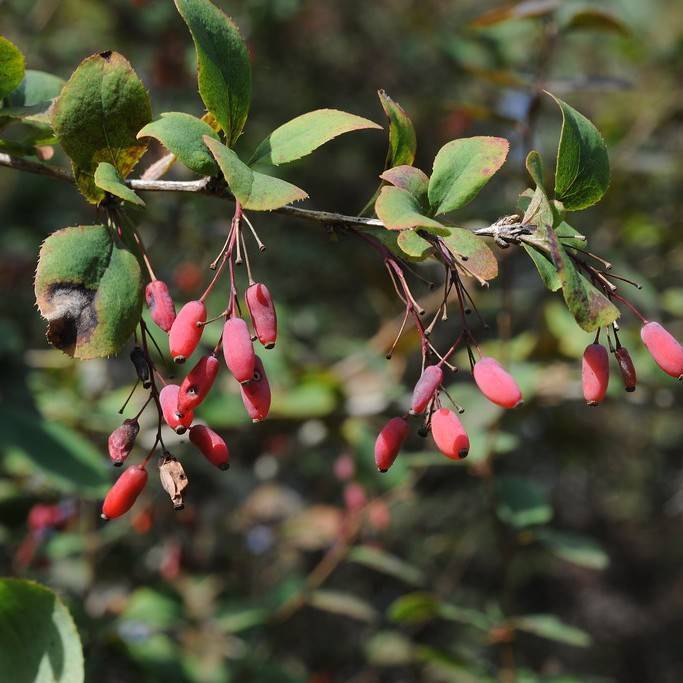
barberry
Berberis mentorensis
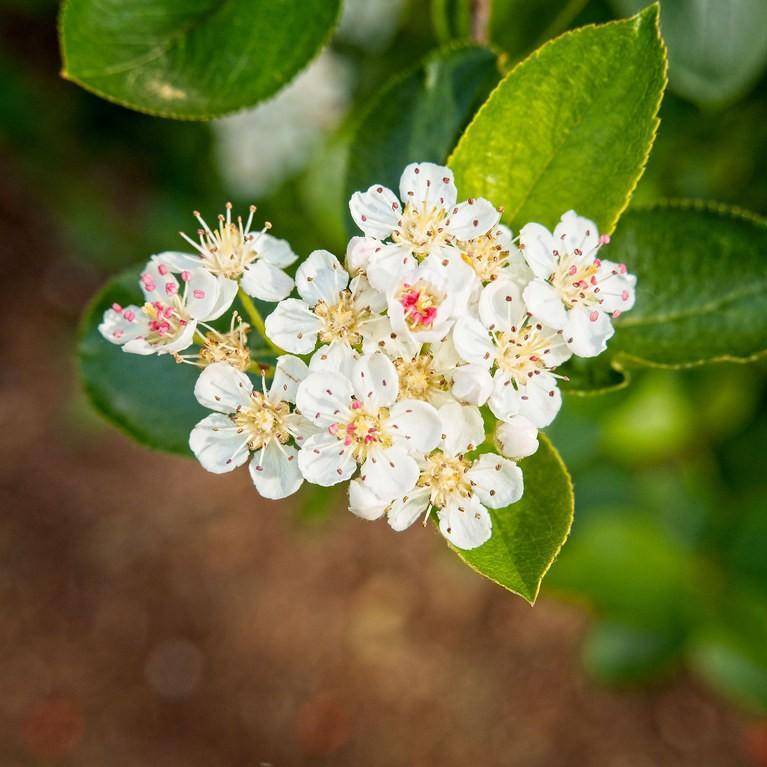
black chokeberry
Aronia melanocarpa
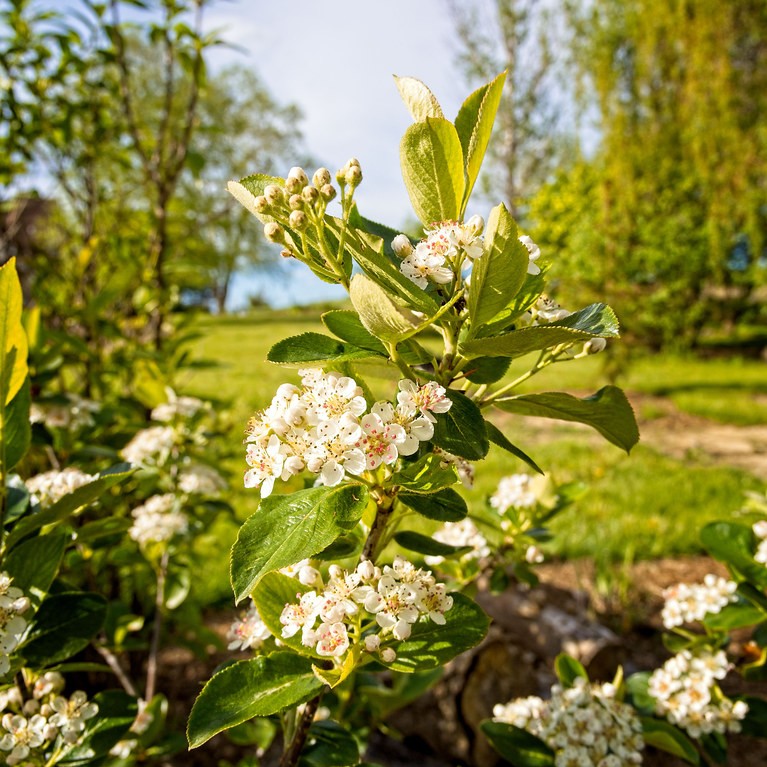
black chokeberry
Aronia melanocarpa 'Autumn Magic'
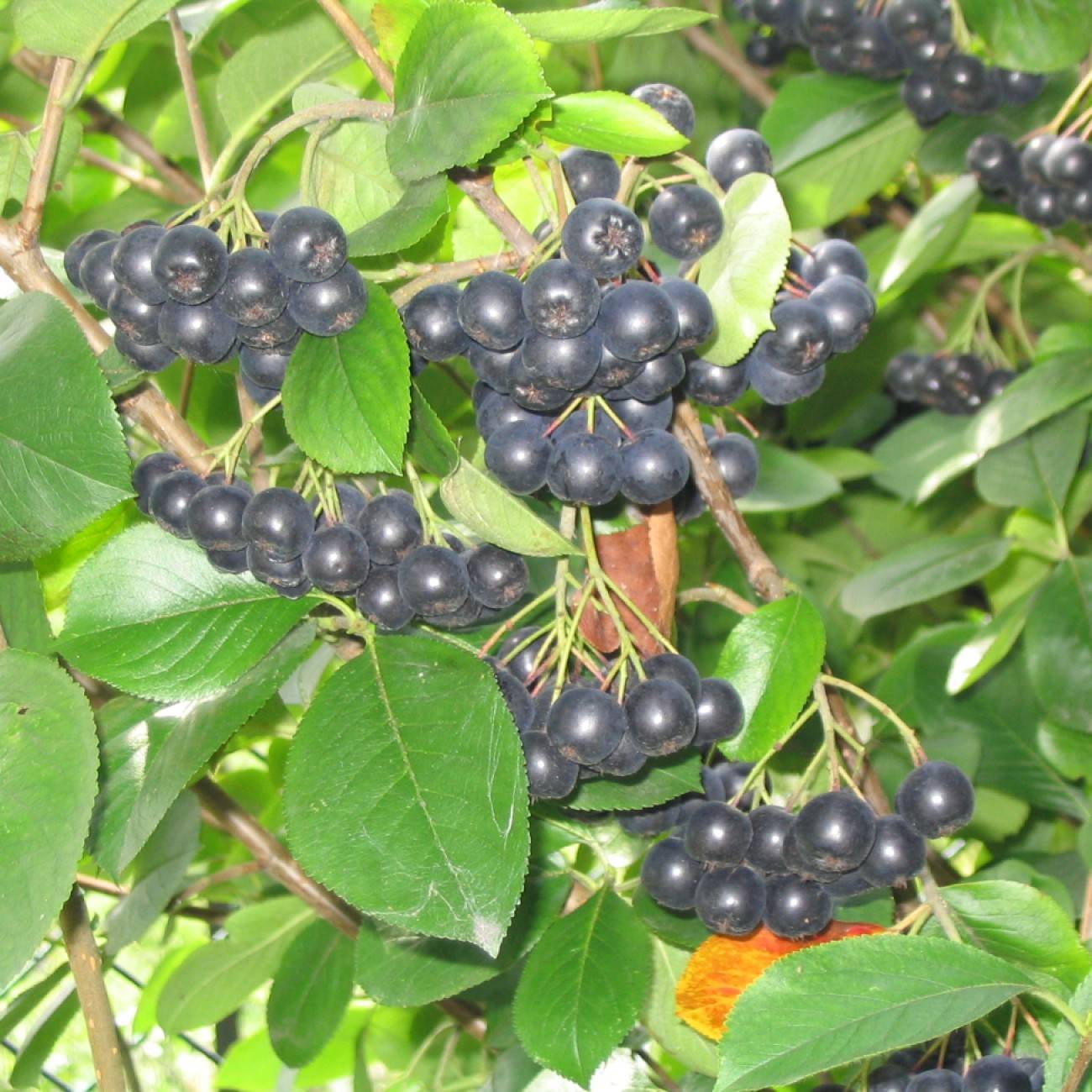
black chokeberry
Aronia melanocarpa 'Estland'
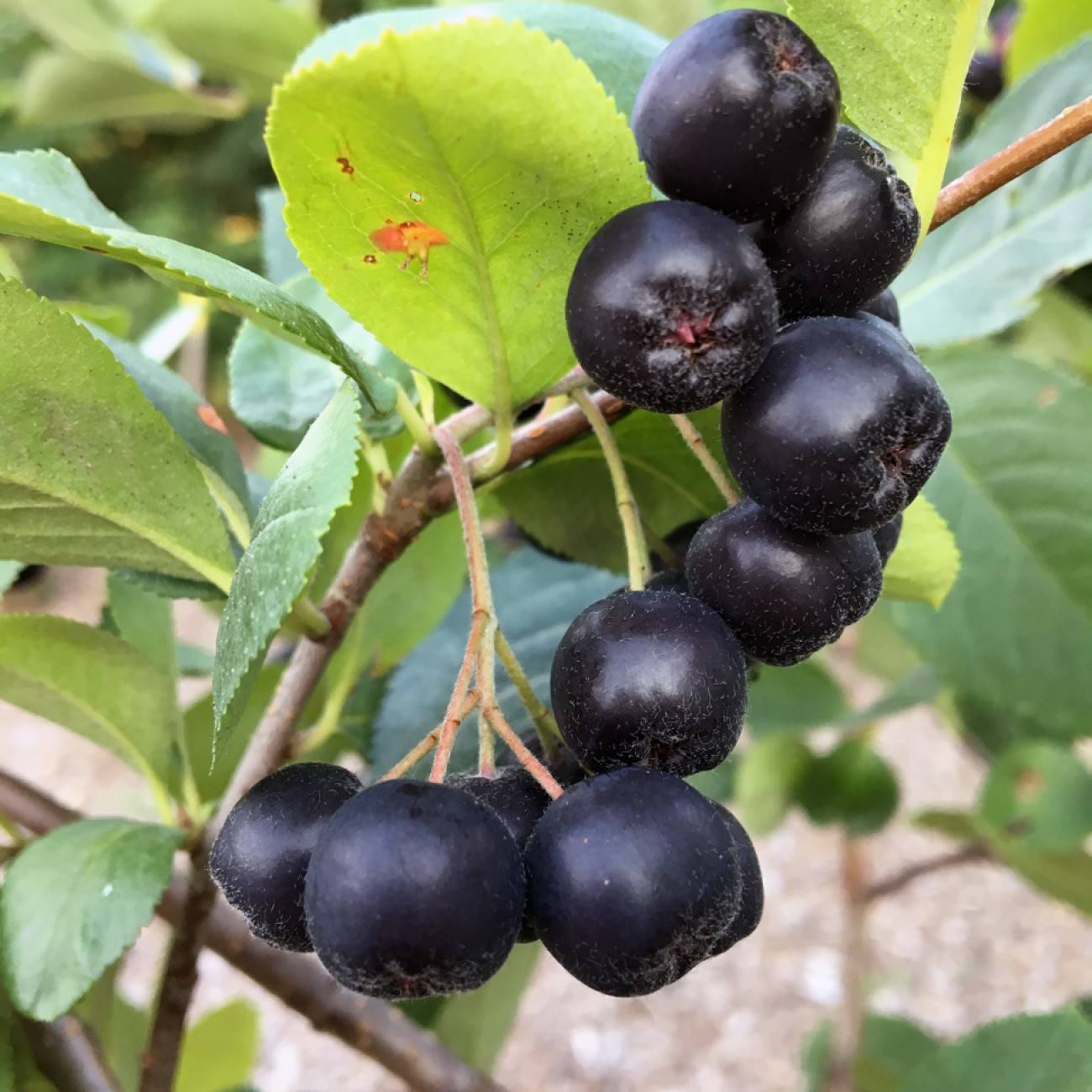
black chokeberry
Aronia melanocarpa 'Morton' IROQUOIS BEAUTY
black chokeberry
Aronia melanocarpa 'Professor Ed'
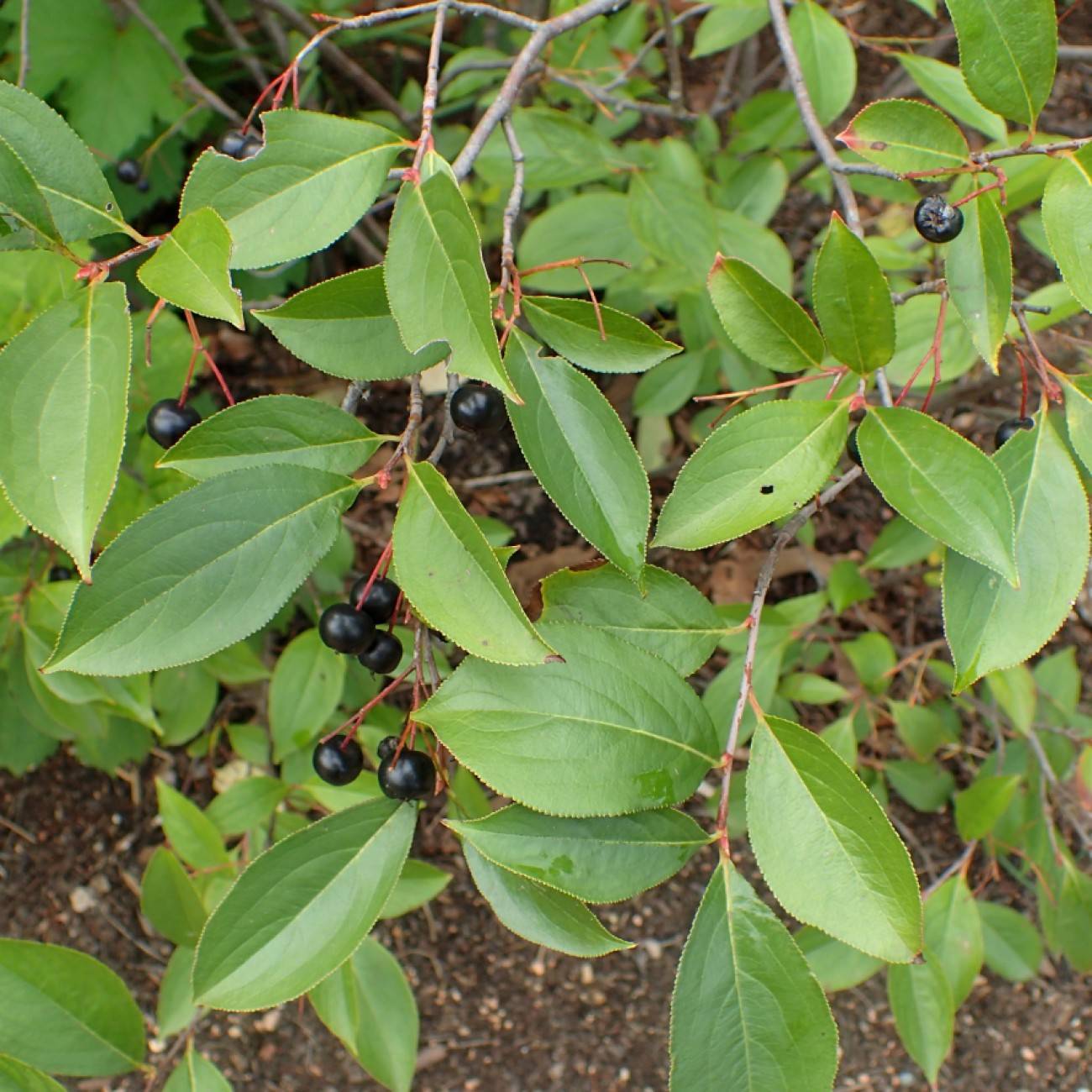
black chokeberry
Aronia melanocarpa var. elata
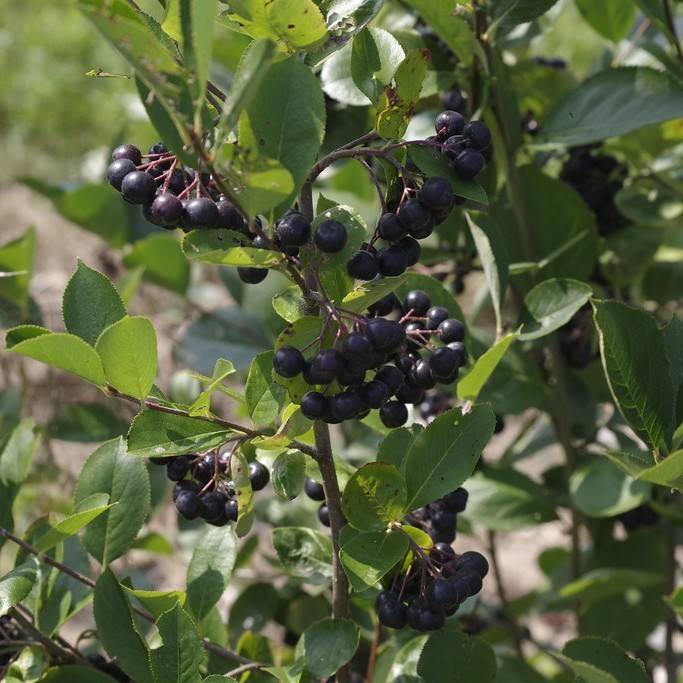
black chokeberry
Aronia melanocarpa 'Viking'