Cupflower
Nierembergia scoparia
Overview
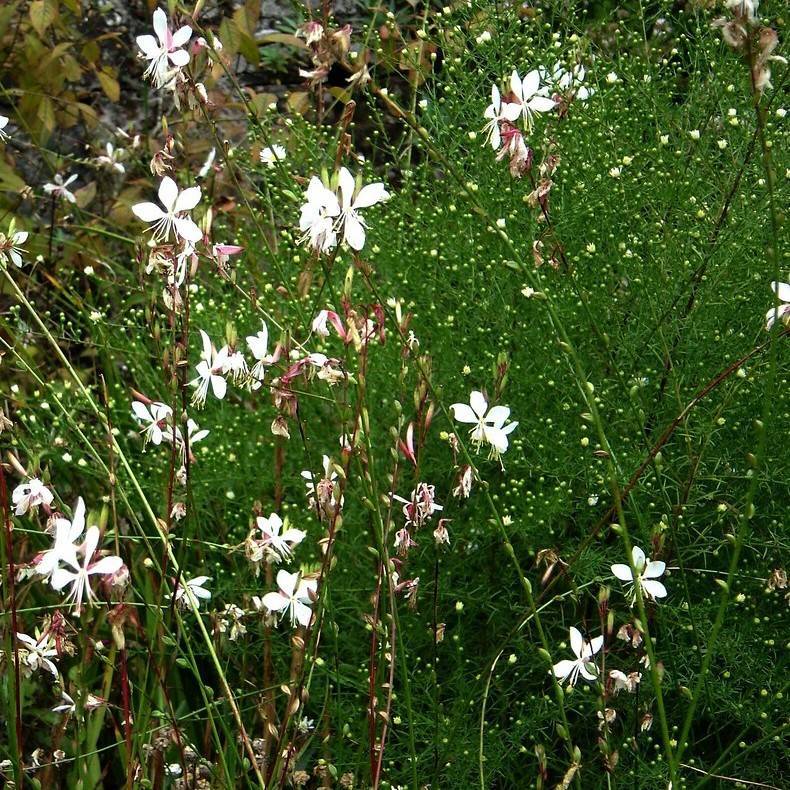
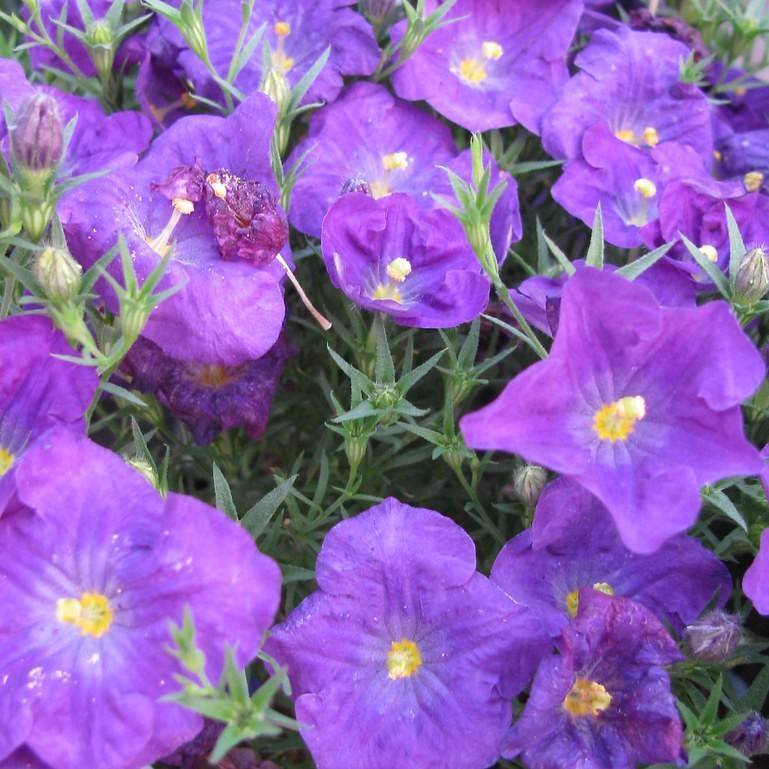
Cupflower, also called tall nierembergia, is a tender perennial often grown as an annual in cooler climates, prized for its dense, trailing habit and abundant delicate blooms. Its small, narrow, bright green foliage forms a compact mat that spills over container edges or fills gaps in rock gardens and border fronts. The five-petaled, cup-shaped flowers have faint yellow centers and remain open throughout the day, attracting pollinators like bees and butterflies. It thrives in both full sun and partial shade, making it a versatile choice for a range of garden settings.
Care Guide
Watering
Cupflower prefers consistently moist, well-drained soil; water deeply when the top 1 inch of soil feels dry to the touch, avoiding overwatering that can lead to root rot. During hot, dry summer periods, increase watering frequency to prevent wilting, especially for plants grown in containers that dry out more quickly. Reduce watering in fall as growth slows, allowing the soil to dry slightly more between sessions.
Light
Grow cupflower in full sun for the most abundant bloom production, though it tolerates partial shade in regions with intense midday summer heat. A minimum of 6 hours of direct sunlight daily is ideal to keep the plant compact and prevent leggy growth. When grown indoors, place it near a south or west-facing window to receive enough bright light to support flowering.
Soil
Cupflower adapts to most average garden soils but thrives in fertile, loamy, well-drained substrates with a neutral to slightly acidic pH between 6.0 and 7.0. For container planting, use a high-quality potting mix amended with perlite or coarse sand to improve drainage and prevent waterlogging. Avoid heavy, clay soils that retain excess moisture, as these can quickly cause root rot in this shallow-rooted species.
Fertilizer
Feed cupflower with a balanced, water-soluble fertilizer diluted to half strength every 2 to 3 weeks throughout the active growing season from spring to fall. Avoid over-fertilizing with high-nitrogen formulas, as this can promote excessive foliage growth at the expense of blooms. For in-ground plants, incorporate a slow-release granular fertilizer into the soil at planting time to provide steady, low-level nutrition for the first few months.
Temperature
Cupflower thrives in temperatures between 60 and 80°F (15 to 27°C) and can tolerate brief dips down to 25°F (-4°C) if grown as a perennial in USDA hardiness zones 8 to 10. In cooler regions below zone 8, it is typically grown as an annual, as sustained freezing temperatures will kill the plant. High summer temperatures above 90°F (32°C) may cause temporary wilting, but plants usually recover once temperatures cool if soil moisture is maintained.
Pruning
Deadhead spent blooms regularly throughout the flowering season to encourage continuous new bud production and prevent the plant from putting energy into seed formation. If the plant becomes leggy or sparse in mid-summer, trim it back by one-third to one-half its height to stimulate fresh, bushy growth and a new flush of flowers. No heavy pruning is needed in fall for perennial plants; simply remove dead foliage after the first frost to keep the planting area tidy.
Propagation
Cupflower is most commonly propagated from seed, sown indoors 8 to 10 weeks before the last expected frost date, or directly outdoors after all danger of frost has passed. Seeds require light to germinate, so press them gently into the soil surface without covering, and keep the substrate consistently moist at 70 to 75°F (21 to 24°C) for germination in 14 to 21 days. Softwood stem cuttings can also be taken from healthy, non-flowering shoots in late spring or early summer, rooted in moist perlite or potting mix with high humidity.
Humidity
Cupflower tolerates average ambient humidity levels between 40% and 60%, which is typical of most outdoor and indoor growing environments. It does not require extra humidity in most climates, though extremely dry, arid conditions may cause leaf browning at the edges if paired with insufficient watering. Avoid placing indoor plants near heating or cooling vents that produce dry, blowing air that can desiccate foliage.
Repotting
Container-grown cupflower typically needs repotting every 1 to 2 years in early spring before new growth begins, or when roots start to emerge from the drainage holes of the current pot. Choose a pot that is 1 to 2 inches larger in diameter than the current one, with adequate drainage holes, and use fresh, well-draining potting mix to reduce the risk of root rot. For plants grown as annuals, repotting is rarely needed during their single growing season unless they outgrow their container prematurely.
Uses & Symbolism
Cupflower is widely used as a ground cover, border edging, or filler plant in rock gardens, and its trailing habit makes it an excellent choice for hanging baskets, window boxes, and container combinations. Its long-lasting blooms make it a popular cut flower for small, informal arrangements, adding delicate color to mixed bouquets. In pollinator gardens, it provides a reliable nectar source for bees, butterflies, and other beneficial insects throughout the growing season.
Diseases & Pests
Cupflower is relatively pest and disease resistant, but may be susceptible to aphids, whiteflies, and spider mites, especially when grown in hot, dry conditions or indoors under low light. Overwatering or poorly drained soil can lead to root rot, powdery mildew, and botrytis blight, which cause yellowing foliage, wilting, and gray mold growth on stems and flowers. Slugs and snails may also feed on young foliage in damp, shaded locations, leaving irregular holes in the leaves.
Related plants
Other plants you might like if you grow Cupflower.