Culver's Root
Veronicastrum virginicum
Overview
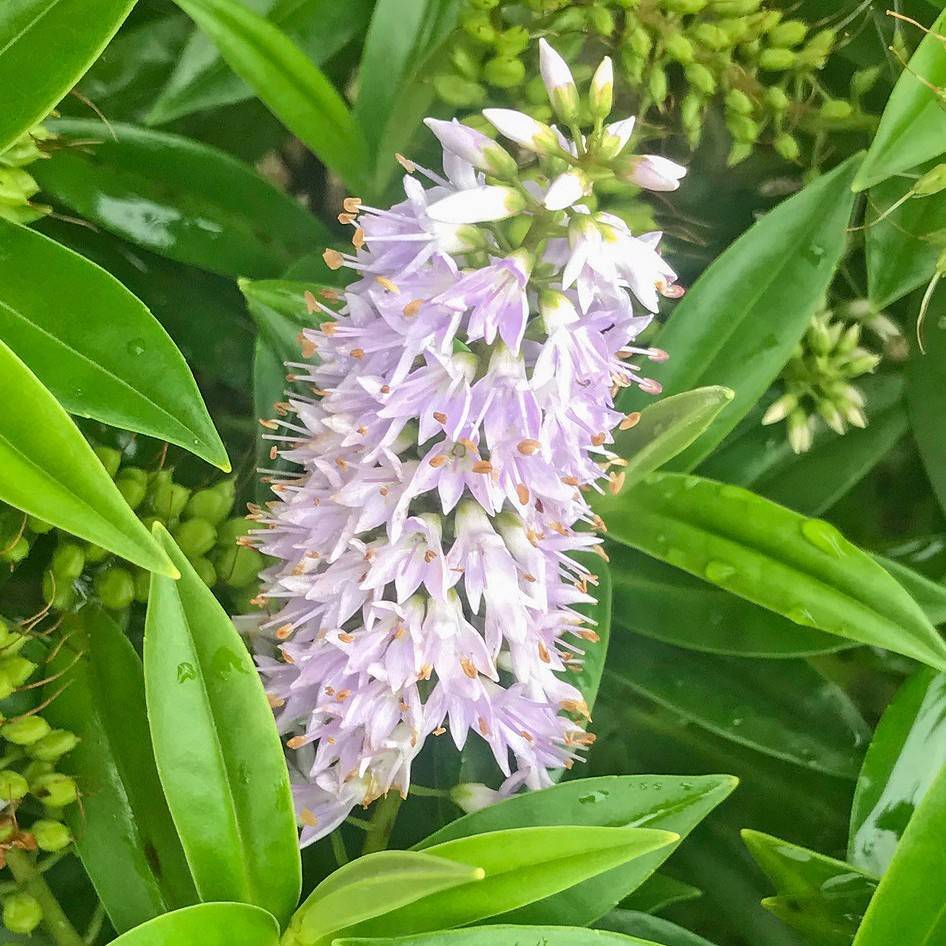
Culver's Root is a herbaceous perennial native to moist meadows, prairies, and woodland edges across eastern and central North America. It produces tall, upright spikes of tiny, tubular flowers in shades of white, pale pink, or lavender that bloom from mid to late summer, rising above whorls of lance-shaped, dark green foliage. Its rigid, unbranched stems make it a striking vertical accent in garden beds, and it rarely requires staking when grown in appropriate conditions.
Care Guide
Watering
Culver's Root prefers consistently moist, well-drained soil, and should be watered regularly during dry periods to prevent the soil from drying out completely. It can tolerate short periods of drought once established, but prolonged dryness may cause leaf browning or reduced flowering. Avoid overwatering or saturated soil, which can lead to root rot.
Light
This plant thrives in full sun, which encourages the strongest, most upright growth and maximum flower production. It can tolerate partial shade, especially in warmer southern climates, but may become leggy and require staking if grown in too much shade. A minimum of 6 hours of direct sunlight per day is recommended for optimal performance.
Soil
Culver's Root adapts to a wide range of soil types, including sandy, loamy, and clay soils, as long as they drain well. It prefers fertile, humus-rich soil with a neutral to slightly acidic pH between 6.0 and 7.5. Amending poor soil with compost or well-rotted manure before planting will support vigorous growth.
Fertilizer
This low-maintenance perennial typically does not require heavy fertilization, and excess nitrogen can cause weak, floppy stems. A light application of balanced, slow-release fertilizer in early spring, or a top dressing of compost, is sufficient to support healthy growth and flowering. Avoid fertilizing after mid-summer, as this can encourage tender new growth that is vulnerable to frost damage.
Temperature
Culver's Root is hardy in USDA zones 3 through 8, tolerating winter temperatures as low as -40°F (-40°C) and summer highs up to 90°F (32°C). It performs best in regions with moderate summer temperatures, and may benefit from afternoon shade in areas with extreme summer heat. Frost will kill back the above-ground foliage in fall, and the plant will regrow from its root system in spring.
Pruning
Little pruning is required for Culver's Root, though spent flower spikes can be deadheaded after blooming to encourage a potential second flush of smaller flowers, or left in place to provide winter interest and food for seed-eating birds. Cut back the entire plant to 2-3 inches above the soil line in late fall or early spring before new growth emerges. If plants become leggy in partial shade, you can pinch back stems in early summer to encourage bushier growth.
Propagation
Culver's Root is most commonly propagated by division in early spring or fall, when the plant is dormant. Dig up the entire root clump, carefully separate it into smaller sections with at least one growing bud each, and replant immediately at the same depth as the original plant. It can also be grown from seed sown directly outdoors in fall, or stratified for 30-60 days before sowing indoors in spring, though seed-grown plants may take 2-3 years to reach flowering maturity.
Humidity
This adaptable plant tolerates a wide range of humidity levels, thriving in the moderate humidity typical of its native North American range. It does not require any special humidity adjustments when grown in garden settings, as long as its soil moisture needs are met. It can handle both humid summer conditions and drier air in more arid parts of its range if provided with adequate water.
Repotting
Culver's Root is primarily grown in outdoor garden beds, but if planted in containers, it should be repotted every 2-3 years in early spring before new growth begins. Choose a large, deep container with drainage holes to accommodate its extensive root system, and use a fertile, well-draining potting mix. When repotting, you can divide the root clump to keep the plant a manageable size for container growth.
Uses & Symbolism
Culver's Root is a popular choice for pollinator gardens, native plant landscapes, rain gardens, and cottage garden borders, where its tall flower spikes attract bees, butterflies, and beneficial wasps throughout the summer. Historically, Indigenous peoples and early settlers used the root of the plant to make medicinal preparations for treating digestive issues, fever, and constipation, though it is rarely used in modern herbalism due to potential side effects. Its long-lasting cut flowers are also valued for fresh floral arrangements, and the dried seed heads add texture to winter gardens.
Diseases & Pests
Culver's Root is relatively pest and disease resistant, though it can be susceptible to powdery mildew in humid conditions with poor air circulation, which presents as a white, powdery coating on the leaves. Root rot may occur if the plant is grown in heavy, waterlogged soil, so proper drainage is essential to prevent this issue. Aphids and slugs may occasionally feed on young foliage, but infestations are usually minor and can be controlled with insecticidal soap or manual removal.
Related plants
Other plants you might like if you grow Culver's Root.