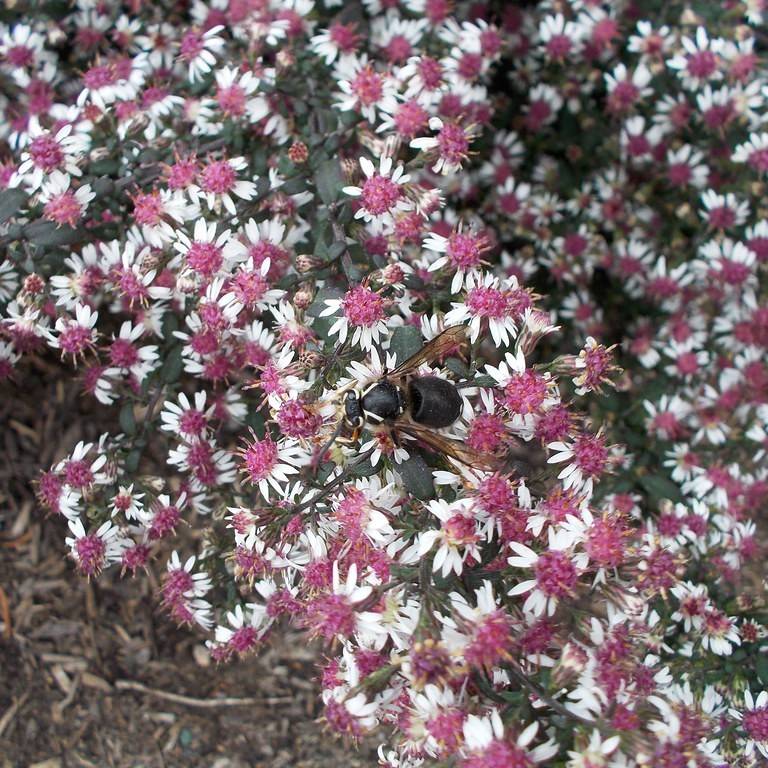
Calico Aster
Symphyotrichum lateriflorum
Overview
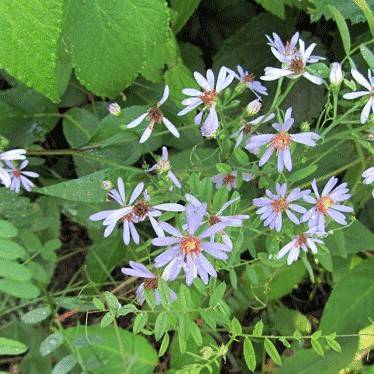
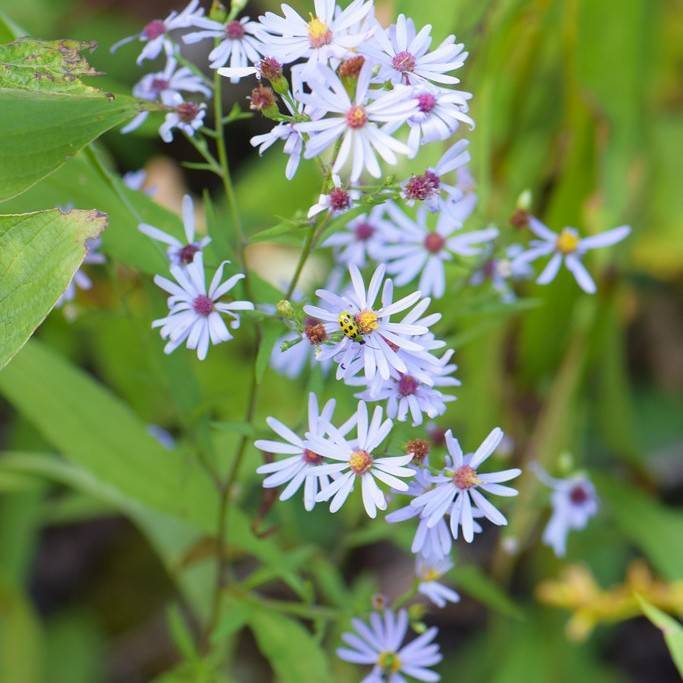
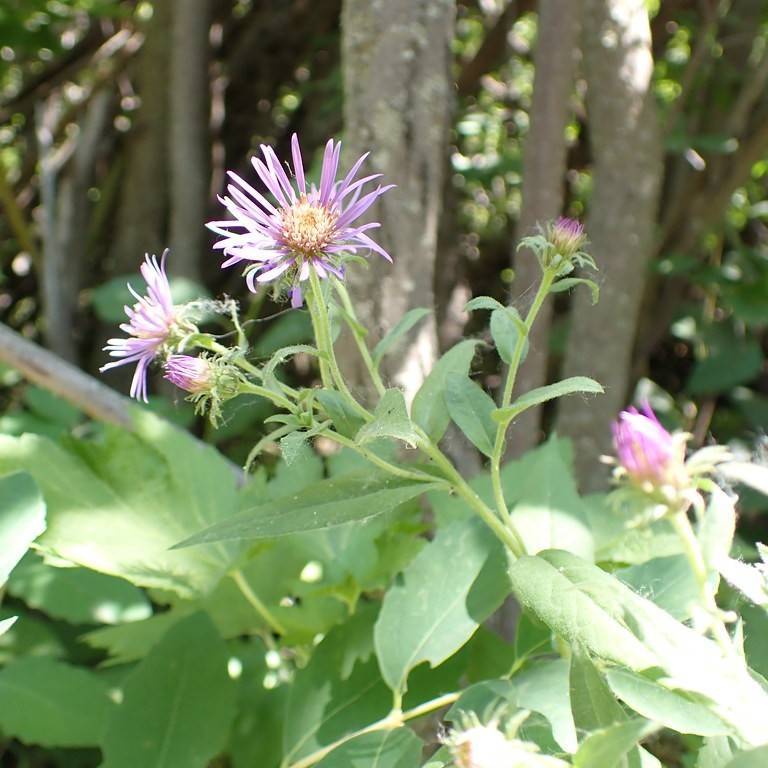
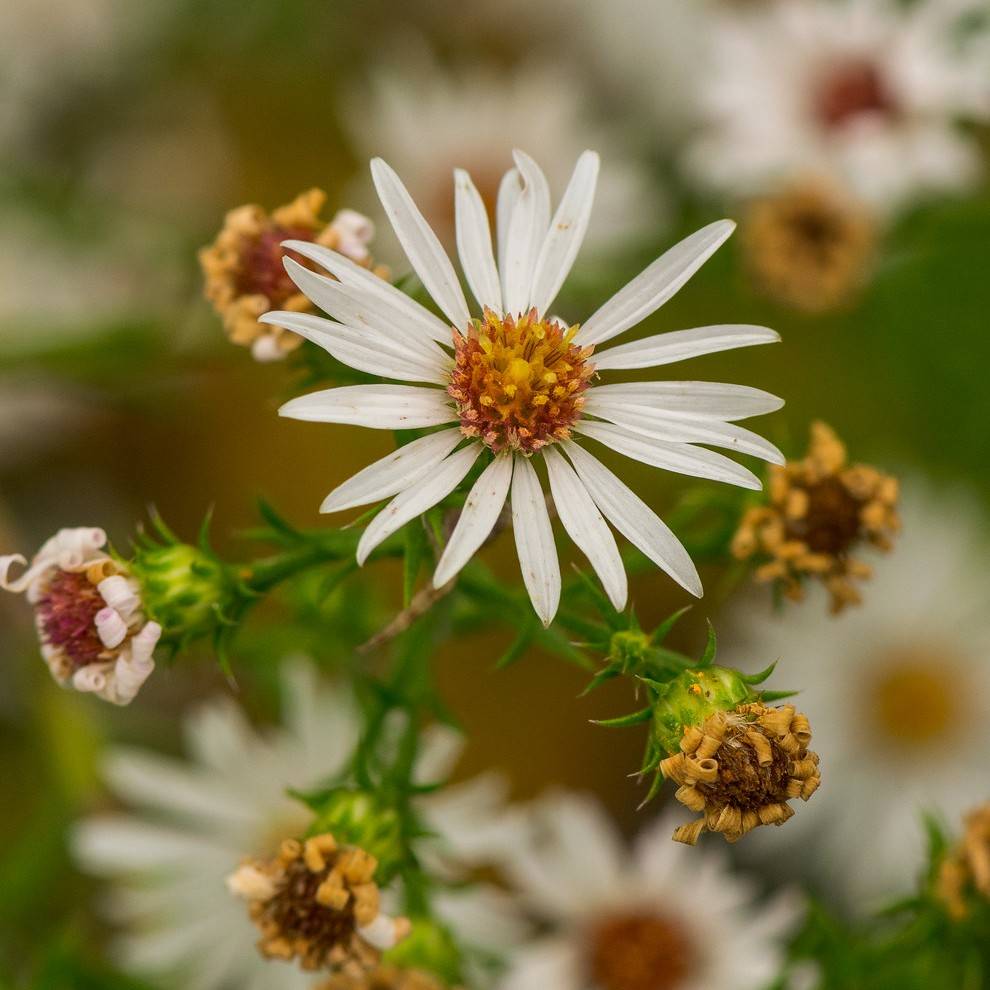
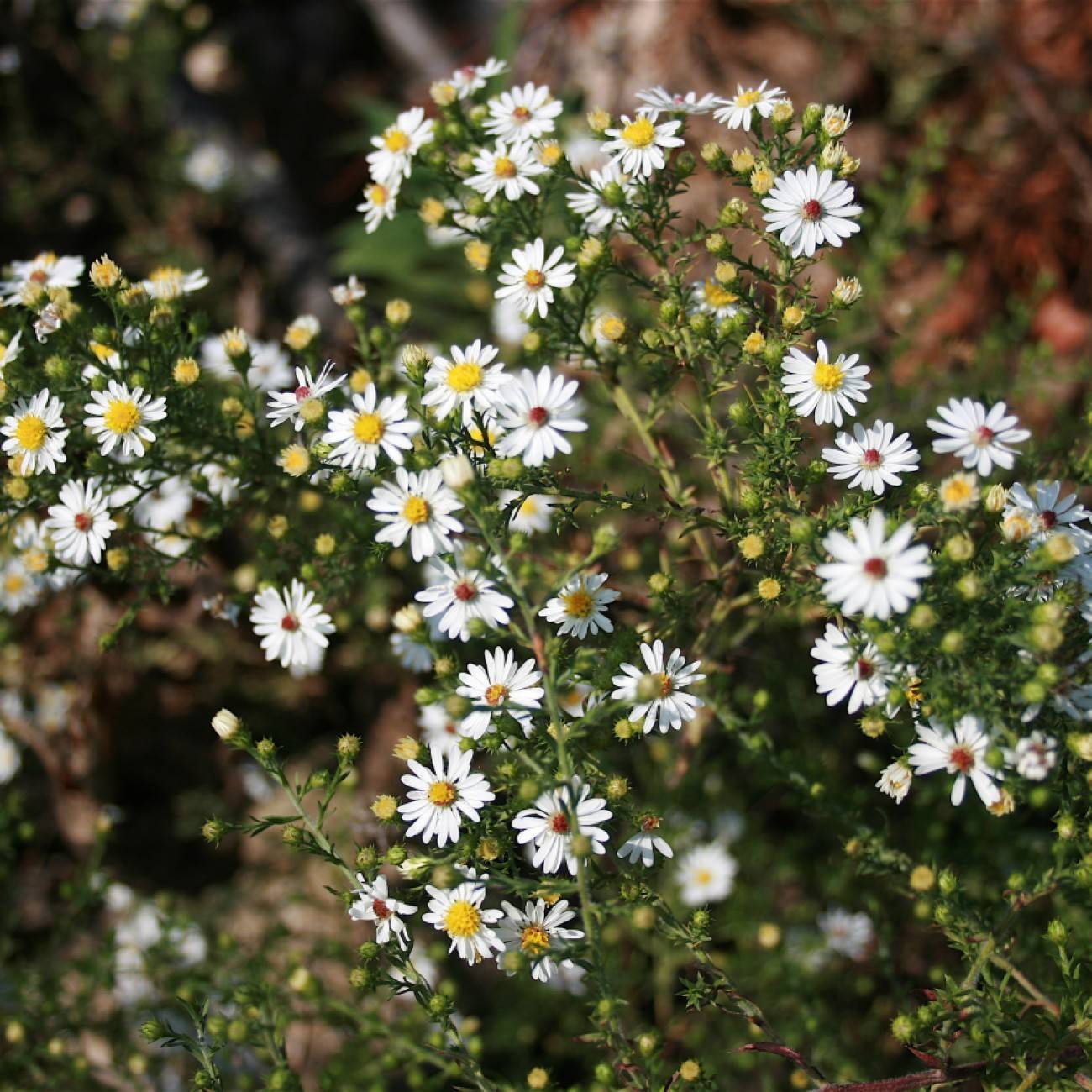
Calico aster, formerly classified under the genus Aster, gets its common name from the mixed hue of its maturing flower heads, which shift from bright white to soft lilac as they age. This hardy wildflower naturally grows in woodland edges, meadows, and stream banks, forming dense, bushy clumps with slender, branching stems lined with narrow, lance-shaped leaves. It is a keystone late-season pollinator plant, supporting bees, butterflies, and beneficial insects when other nectar sources are scarce.
Care Guide
Watering
Calico aster prefers consistently moist, well-drained soil, though it develops moderate drought tolerance once fully established. Water deeply during extended dry spells, avoiding overhead watering to reduce the risk of foliar fungal diseases. Reduce watering frequency in late fall as the plant enters dormancy.
Light
Thrives in full sun, which promotes the most abundant flowering and sturdy, compact growth that requires minimal staking. It can tolerate partial shade, particularly in regions with hot summer afternoons, though plants grown in shadier conditions may become leggy and produce fewer blooms.
Soil
Adaptable to a wide range of soil types, including sandy, loamy, and even heavy clay soils, as long as drainage is adequate. It tolerates slightly acidic to slightly alkaline pH levels, and benefits from a 2-inch layer of organic compost mixed into the planting site to boost nutrient content and moisture retention.
Fertilizer
Light feeding is sufficient; apply a balanced, slow-release 10-10-10 fertilizer in early spring just as new growth emerges. Avoid over-fertilizing, which can lead to excessive, floppy stem growth and reduced flower production. Additional feeding is not required for plants grown in nutrient-rich garden soil.
Temperature
Hardy in USDA zones 3 through 8, tolerating winter temperatures as low as -40°F (-40°C) and summer highs up to 95°F (35°C). It requires a period of cold winter dormancy to thrive, making it unsuitable for tropical or subtropical climates without seasonal cooling. Young plants may benefit from a light layer of winter mulch in their first year to protect shallow roots from freeze-thaw cycles.
Pruning
Pinch back stem tips in late spring to early summer to encourage bushier growth and more flower buds, reducing the need for staking as the plant matures. After flowering ends in late fall, cut back the entire plant to 2-3 inches above the soil line to prevent overwintering pest eggs and fungal spores from persisting. Remove any dead or damaged stems throughout the growing season to improve air circulation.
Propagation
Easily propagated by division in early spring or late fall, splitting mature clumps every 2-3 years to prevent overcrowding and maintain vigorous growth. It can also be grown from seed sown directly outdoors in fall, or started indoors 6-8 weeks before the last spring frost after a 30-day cold stratification period. Softwood stem cuttings taken in late spring root readily in moist, well-drained potting mix under indirect light.
Humidity
Adaptable to average ambient humidity levels between 40% and 70%, which are typical across its native range. It tolerates both mild dry air and short periods of high humidity, though prolonged humid conditions without adequate air circulation increase the risk of powdery mildew. No additional humidity measures are required for outdoor or indoor-grown specimens.
Repotting
Container-grown calico asters should be repotted every 1-2 years in early spring, moving to a pot one size larger with fresh, well-drained potting mix amended with compost. Ensure the new pot has ample drainage holes to prevent root rot, and avoid planting the crown deeper than it sat in the previous container. After 3-4 years, container specimens can be divided and repotted to refresh their growth.
Uses & Symbolism
Calico aster is widely planted in native pollinator gardens, wildflower meadows, and rain gardens for its late-season blooms and ability to support beneficial insects. It makes an excellent cut flower for arrangements, with sturdy stems and long-lasting small blooms that add delicate texture to mixed bouquets. Historically, some Indigenous North American tribes used parts of the plant to make topical remedies for skin irritations and minor aches.
Diseases & Pests
The most common issues affecting calico aster are foliar fungal diseases including powdery mildew, rust, and leaf spot, which thrive in humid conditions with poor air circulation. Common pests include aphids, spider mites, and aster leafhoppers, which can transmit aster yellows disease, a bacterial infection that causes stunted growth and deformed flowers. Ensuring adequate spacing between plants, avoiding overhead watering, and removing infected foliage promptly reduces the risk of most pest and disease problems.
Related plants
Other plants you might like if you grow Calico Aster.