Cucumber Tree
Magnolia acuminata
Overview
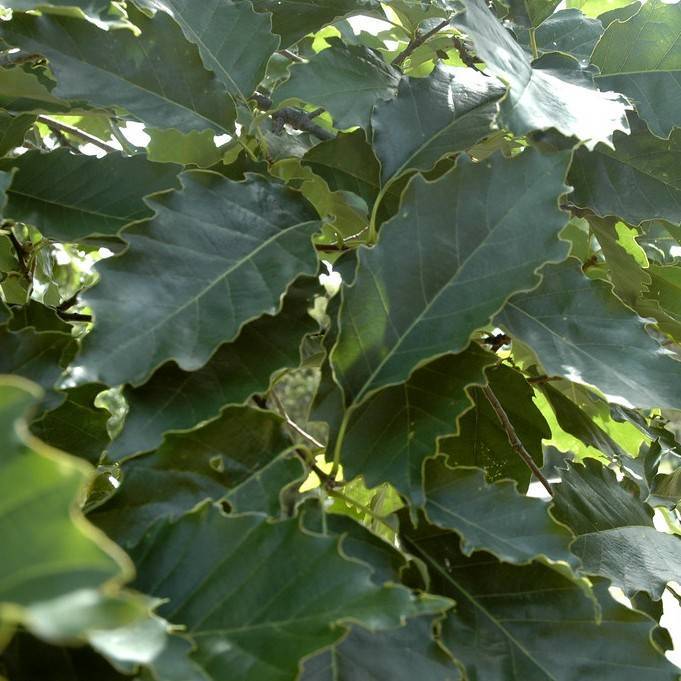
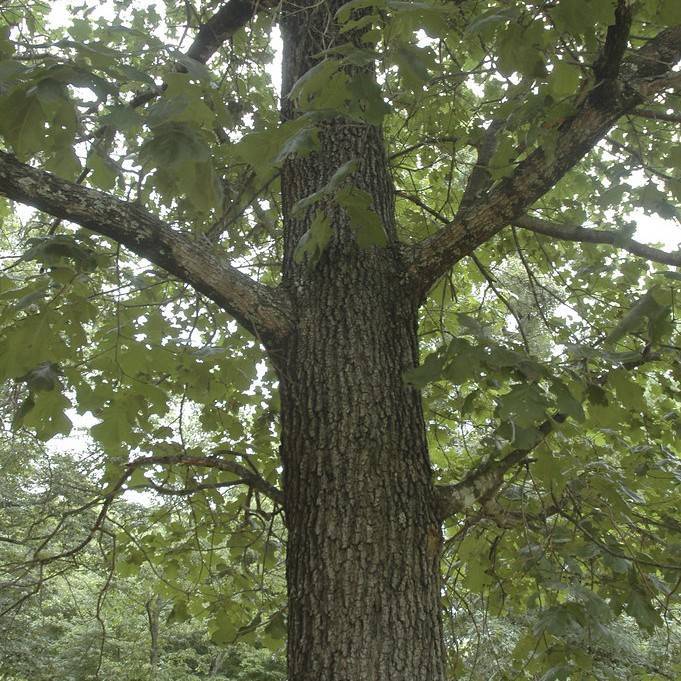
The cucumber tree is the largest and most cold-tolerant species of North American native magnolia, valued for its broad, pyramidal form, large 6 to 12 inch oval leaves, and subtle yellow-green spring blooms. Unlike more ornamental magnolia species, its flowers are often hidden high in the canopy, appearing after leaves emerge to avoid late frost damage. Its distinctive immature fruit are green, knobby, and cylindrical, resembling small cucumbers, before ripening to a dark red cone that splits open to release bright red coated seeds in fall.
Care Guide
Watering
Water young cucumber trees regularly to keep the soil consistently moist but not waterlogged, especially during periods of drought, to support their deep root development. Mature trees are moderately drought tolerant, though supplemental watering during extended dry spells will prevent leaf scorch and support healthy fruiting. Avoid overwatering in heavy, poorly drained soils, as this can lead to root rot.
Light
Cucumber trees thrive in full sun to partial shade, with young saplings benefiting from light dappled shade to protect their tender foliage from harsh midday sun in warmer climates. Mature trees perform best with at least 6 hours of direct sunlight daily to support abundant flowering and fruiting, and will develop a more compact, uniform form in full sun exposures. They can tolerate deep shade but will grow more sparsely and produce far fewer blooms.
Soil
This species prefers deep, fertile, moist, well-drained loamy soils with a slightly acidic to neutral pH between 5.5 and 7.0, though it can adapt to mildly alkaline soils better than many other magnolia species. It will not tolerate compacted, waterlogged, or extremely sandy soils, as these restrict root growth and reduce nutrient uptake. Amending planting sites with organic matter such as compost or well-rotted leaf mold will improve soil structure and support healthy establishment.
Fertilizer
Fertilize young cucumber trees annually in early spring before new growth emerges with a balanced, slow-release 10-10-10 fertilizer formulated for trees and shrubs, to support vigorous vegetative growth. Mature, well-established trees only need fertilization every 2 to 3 years, or if they show signs of nutrient deficiency such as yellowing leaves or stunted growth. Avoid fertilizing after mid-summer, as this can stimulate late, tender new growth that is vulnerable to frost damage in fall.
Temperature
Cucumber trees are extremely cold hardy, suitable for USDA zones 3 through 8, and can tolerate winter temperatures as low as -40°F (-40°C) without significant damage. They prefer temperate climates with consistent seasonal temperature changes, and may struggle in regions with extremely hot, dry summers without supplemental irrigation. Late spring frosts can damage new growth and emerging flowers, so plant in a site protected from harsh cold winds if grown in the northern edge of its range.
Pruning
Prune cucumber trees only minimally, as they develop a naturally attractive pyramidal form with little intervention, and heavy pruning can leave them vulnerable to disease and pest infestations. Remove dead, damaged, or crossing branches in late winter while the tree is dormant, before new leaf buds begin to swell. Avoid pruning in spring or early summer, as magnolia sap bleeds heavily when cut during active growth, which can weaken the tree.
Propagation
Cucumber trees are most commonly propagated from fresh, stratified seeds, which require 3 to 6 months of cold, moist stratification to break dormancy before sowing in early spring. Softwood cuttings taken in early summer can also root successfully if treated with rooting hormone and kept under high humidity, though success rates are often lower than seed propagation. Grafting onto hardy magnolia rootstock is used commercially to preserve specific cultivars, though seed-grown trees typically come true to the parent species.
Humidity
Cucumber trees prefer moderate to high humidity levels between 40% and 70%, typical of their native eastern North American forest habitats. They can tolerate average indoor humidity if grown as a young specimen in a large container, but will thrive best with occasional misting during very dry periods. Mature outdoor trees adapt well to normal regional humidity levels, though extremely dry air can cause leaf edge scorch during prolonged heatwaves.
Repotting
Young cucumber trees grown in containers should be repotted every 2 to 3 years in early spring before new growth emerges, moving to a pot only 2 to 3 inches larger than the previous one to avoid overpotting and waterlogged soil. Use a well-drained, acidic potting mix amended with pine bark and compost to mimic their native forest soil conditions. Once trees reach 6 to 8 feet tall, they are best transplanted to a permanent outdoor location, as their large root systems quickly outgrow even large containers.
Uses & Symbolism
Cucumber trees are widely planted as ornamental shade trees for parks, large yards, and streetscapes, valued for their attractive form, dense summer foliage, and tolerance of urban conditions compared to more delicate magnolia species. Their lightweight, fine-grained wood is used commercially for furniture, cabinetry, and veneer, marketed interchangeably with other magnolia lumber as 'yellow poplar'. They are also important for wildlife, providing nectar for native pollinators and seeds eaten by songbirds, squirrels, and small mammals in fall.
Diseases & Pests
Cucumber trees are relatively disease resistant, though they can be susceptible to magnolia scale, a sap-sucking insect that excretes honeydew leading to sooty mold growth on foliage, treatable with horticultural oil applications in late winter. Fungal leaf spots and anthracnose can occur in overly wet, humid conditions, causing brown spots on leaves, which can be managed by improving air circulation around the tree and avoiding overhead watering. Root rot is the most serious issue, typically occurring in poorly drained, waterlogged soils, and can be prevented by planting in well-drained sites and avoiding overwatering.
Related plants
Other plants you might like if you grow Cucumber Tree.