Armenian Oak
Quercus pontica
Overview
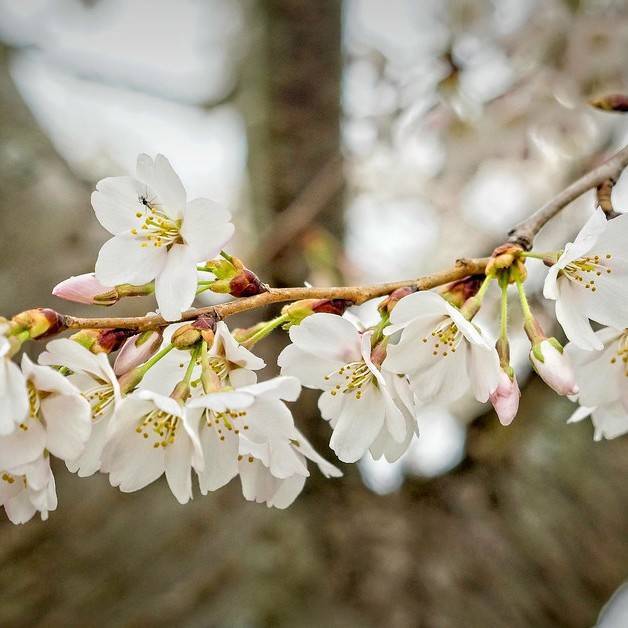
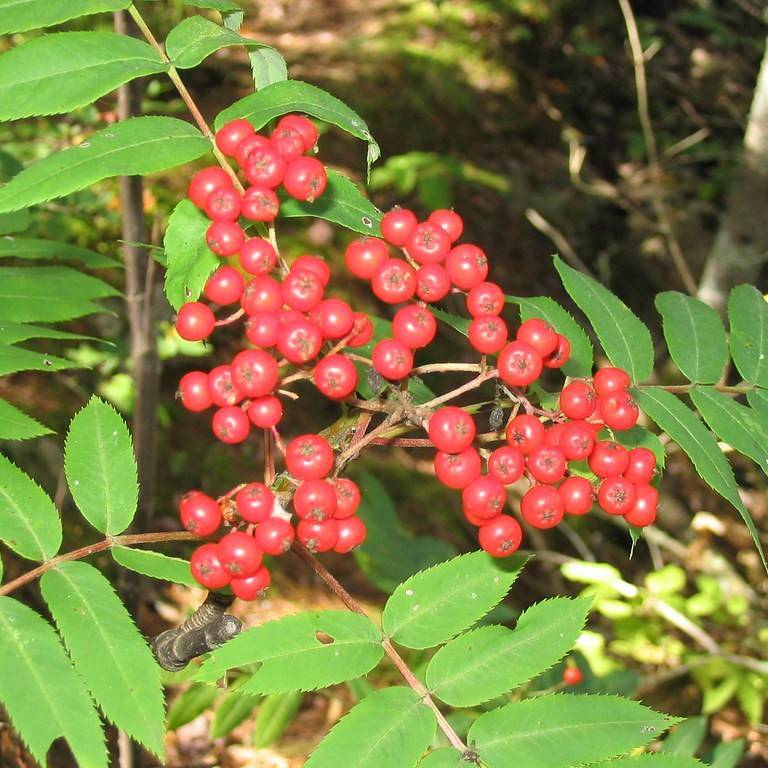
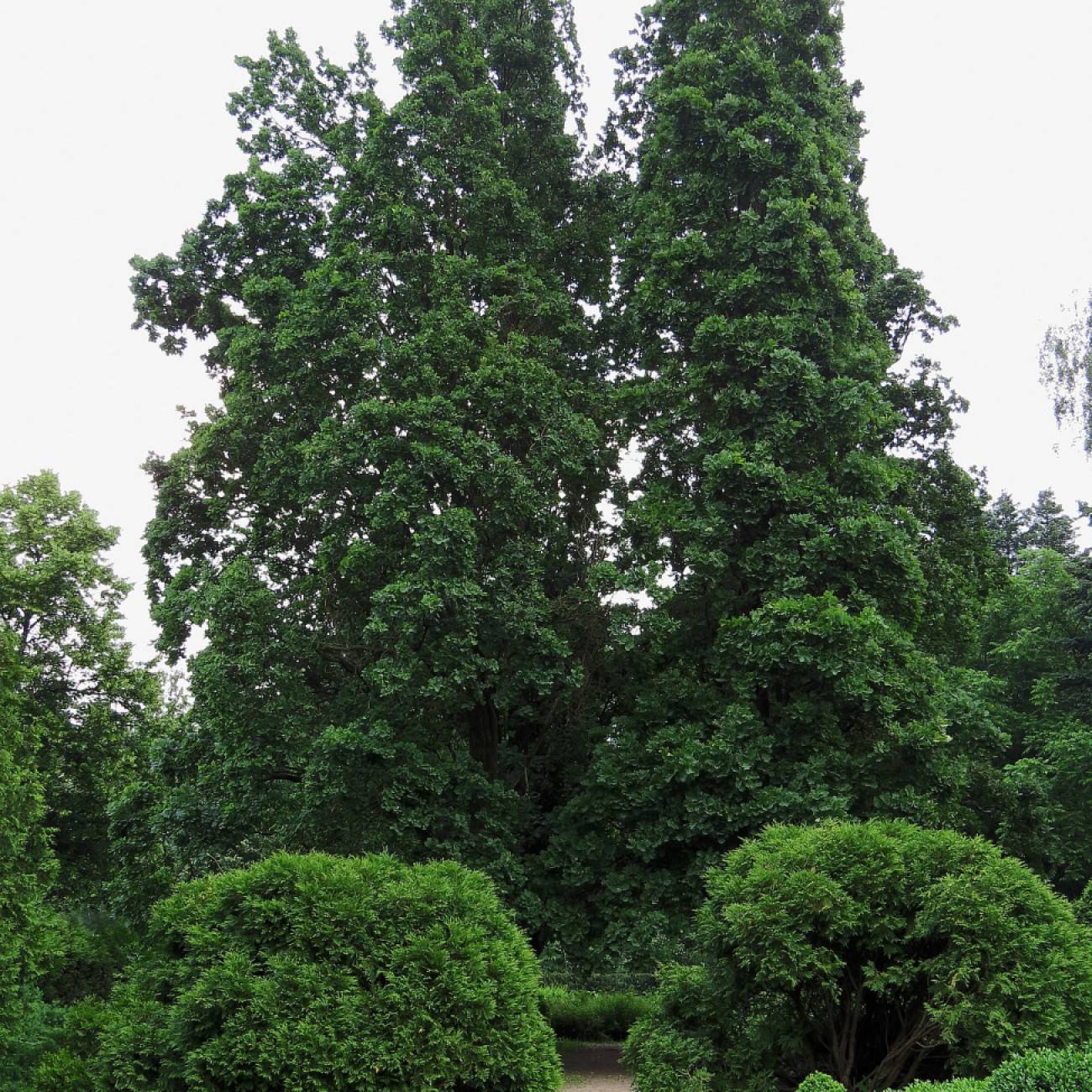
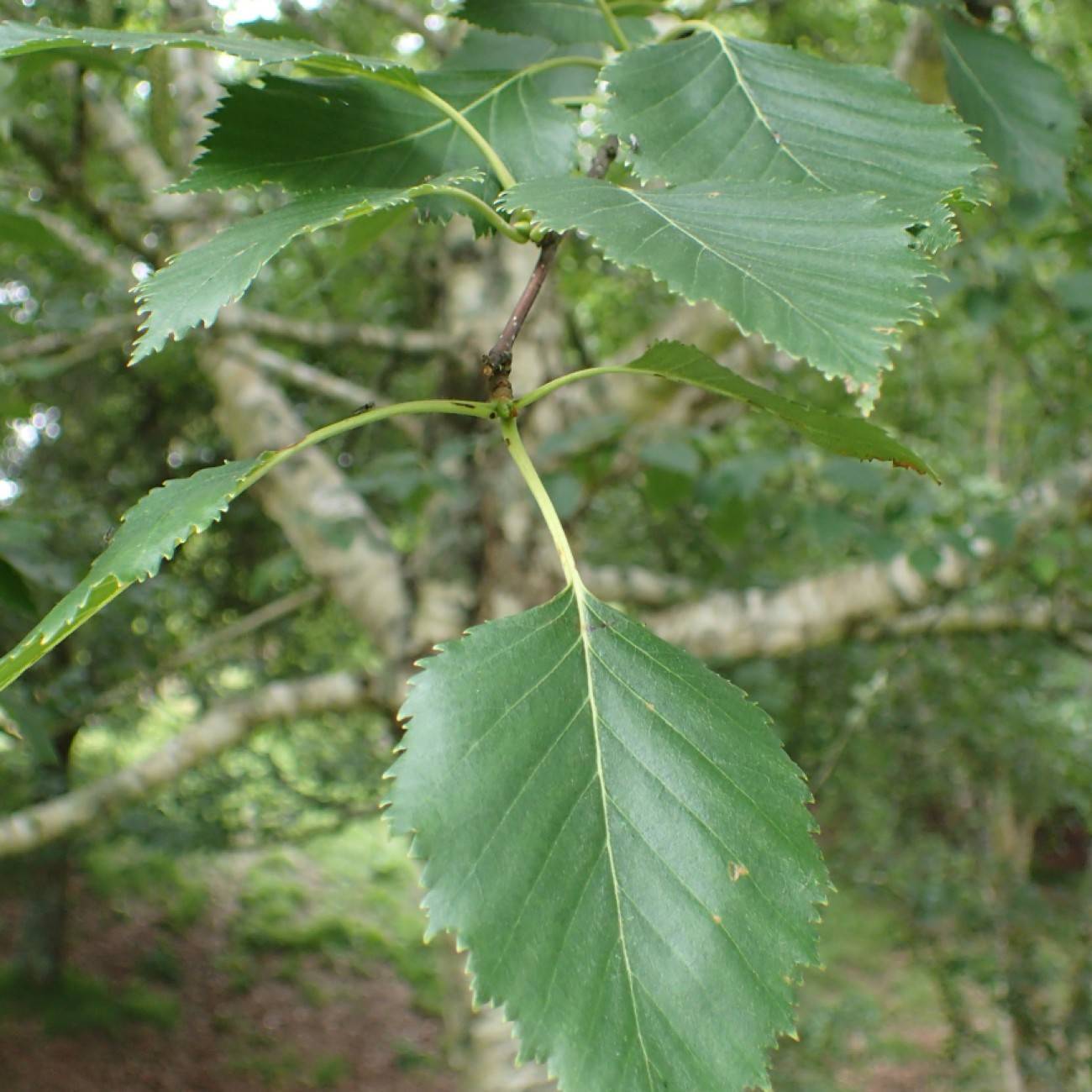
Armenian oak is a slow-growing deciduous tree distinguished by large, glossy, deeply lobed leaves that turn warm bronze and gold hues in autumn. Unlike many oaks, it often develops a rounded, multi-stemmed habit in cultivation, making it a striking ornamental specimen for larger landscapes. It thrives in cool, temperate climates and is well-adapted to mountainous terrain in its native range, where it grows at elevations between 1,000 and 2,000 meters.
Care Guide
Watering
Armenian oak prefers consistently moist, well-drained soil, especially during its establishment period; young trees require regular, deep watering to develop a strong root system. Once mature, it is highly drought-tolerant, only needing supplemental water during extended periods of extreme heat or low rainfall, as overwatering can lead to root rot in poorly drained sites. Avoid shallow, frequent watering, as this encourages shallow root growth that makes the tree less resilient to dry conditions.
Light
This species grows best in full sun, receiving at least 6 hours of direct, unfiltered sunlight daily to support healthy foliage development and a dense, rounded growth habit. It can tolerate very light, dappled shade, but prolonged shaded conditions will lead to sparse foliage, leggy growth, and reduced autumn color intensity. When planting, choose an open site away from taller trees that would block sunlight as the oak matures.
Soil
Armenian oak adapts to a wide range of soil types, including loam, sandy loam, and clay loam, as long as the soil provides excellent drainage, as standing water will quickly damage its root system. It prefers slightly acidic to neutral soil pH, between 5.5 and 7.0, though it can tolerate mildly alkaline conditions better than many other oak species. Adding organic matter such as well-rotted compost to the planting hole improves soil structure and nutrient retention for young establishing trees.
Fertilizer
Young Armenian oak trees benefit from a balanced, slow-release fertilizer applied in early spring, before new foliage emerges, to support steady growth during their first 5 to 10 years in the landscape. Mature, established trees rarely require fertilization, as they are able to access sufficient nutrients from the surrounding soil, especially if a layer of organic mulch is maintained around the root zone annually. Avoid high-nitrogen fertilizers, which can encourage excessive, weak foliage growth that is more susceptible to pest damage.
Temperature
This cold-hardy tree thrives in temperate climates, with an ideal growing temperature range between 45°F and 75°F (7°C and 24°C), and is hardy down to USDA zone 5, tolerating winter temperatures as low as -20°F (-29°C). It is well-adapted to cool mountain summers, but can tolerate occasional high temperatures up to 95°F (35°C) if provided with adequate soil moisture. It does not perform well in hot, humid subtropical climates, where prolonged high humidity increases the risk of fungal leaf diseases.
Pruning
Pruning is best done in late winter, when the tree is dormant, to remove dead, damaged, or crossing branches and maintain its desired shape, as pruning during active growth can attract pests and lead to excessive sap bleeding. Young trees can be lightly pruned to encourage a strong central leader or multi-stemmed habit, depending on landscape preferences, but avoid removing more than 25% of the tree’s foliage in a single year. Always use clean, sharp pruning tools to make smooth cuts, and avoid cutting into the branch collar, which supports rapid wound healing.
Propagation
Armenian oak is most reliably propagated from fresh, ripe acorns, which are collected in autumn as soon as they fall from the tree, as they lose viability quickly if allowed to dry out. Acorns should be sown immediately outdoors in a prepared seed bed, or stratified in moist sand for 3 to 4 months at 33°F to 41°F (1°C to 5°C) before sowing in spring, as they require cold stratification to break dormancy. Vegetative propagation from cuttings is possible but has a very low success rate, so seed propagation is the standard method for both home gardeners and commercial nurseries.
Humidity
Armenian oak prefers moderate ambient humidity, between 40% and 60%, which matches the conditions of its native mountainous Caucasus habitat. It can tolerate lower humidity levels common in drier temperate regions, but extended periods of humidity above 70% can increase susceptibility to fungal leaf spots and powdery mildew, especially if foliage remains wet for long periods. Providing ample spacing between trees to promote air circulation reduces disease risk in more humid growing areas.
Repotting
Armenian oak is rarely grown in containers long-term, as it develops a deep, extensive root system that quickly outgrows even large pots, and it is best planted directly in the landscape as soon as it outgrows its nursery container. If kept in a container temporarily, repot young saplings every 1 to 2 years in early spring, using a well-draining, loam-based potting mix and a container with multiple drainage holes to prevent waterlogging. Once the tree reaches 6 feet (1.8 m) tall, it should be transplanted to a permanent outdoor location, as container growth will stunt its development and reduce its long-term health.
Uses & Symbolism
Armenian oak is primarily planted as an ornamental specimen tree in larger parks, estates, and native plant landscapes, valued for its attractive lobed foliage, vibrant autumn color, and compact, rounded habit that fits well in spaces too small for larger oak species. Its acorns are an important food source for local wildlife, including squirrels, deer, and a variety of bird species, making it a popular choice for wildlife gardens and habitat restoration projects in its native range. Its dense, durable wood is occasionally used locally for small woodworking projects, fuel, and fence posts, though its relatively small mature size limits commercial timber use.
Diseases & Pests
Armenian oak is relatively resistant to most common oak pests and diseases, but it can be susceptible to powdery mildew and fungal leaf spot in prolonged warm, humid conditions with poor air circulation, which cause unsightly leaf discoloration but rarely threaten the tree’s long-term health. Oak wilt, a fatal fungal disease spread by beetles and root grafts, is a serious risk in regions where the pathogen is present, so avoid pruning during active beetle flight periods to reduce infection risk. Occasional infestations of aphids, scale insects, and oak leaf miners may occur, which can be controlled with horticultural oil or insecticidal soap for severe cases, though most infestations are minor and tolerated by healthy, established trees.
Related plants
Other plants you might like if you grow Armenian Oak.