American Mountain Ash
Sorbus americana
Overview
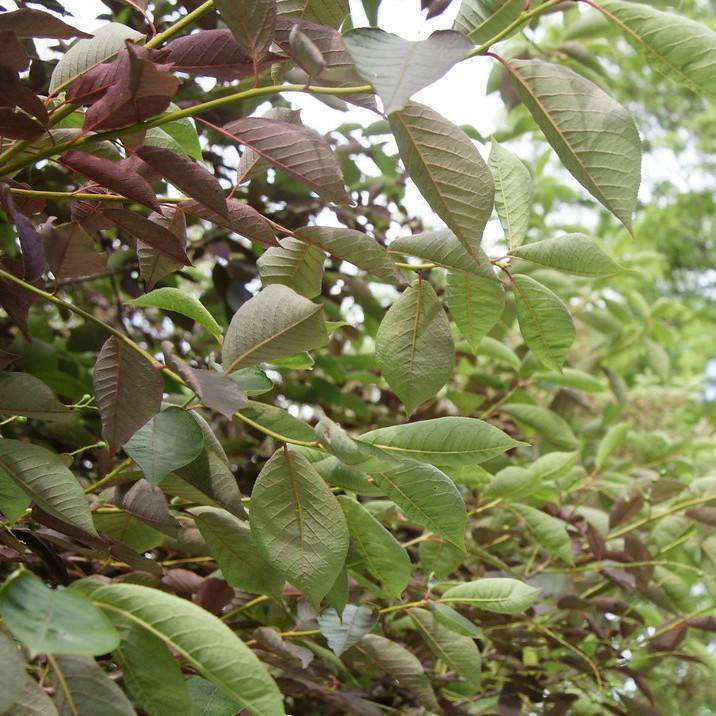
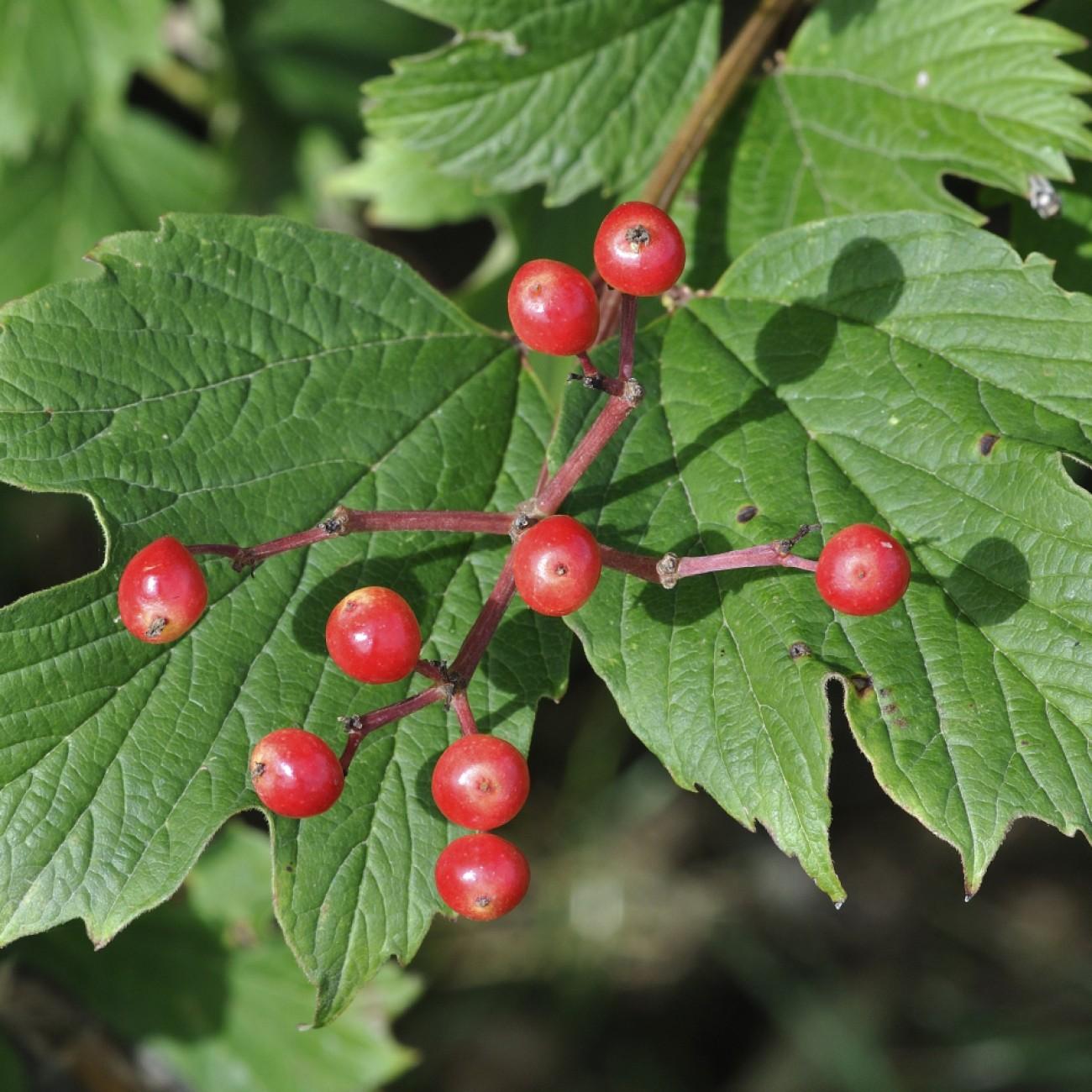
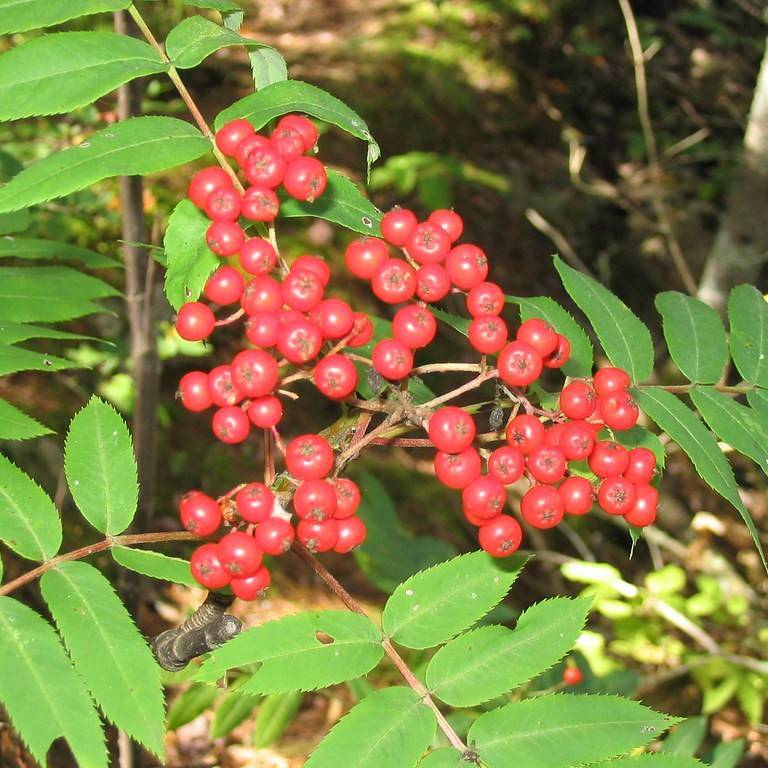
American Mountain Ash is a slender, deciduous tree that thrives in cool, high-elevation or northern forest environments. It produces flat clusters of small, creamy white flowers in spring, followed by dense bunches of glossy red berries that persist through winter. Its pinnate leaves turn vivid shades of orange, red, and purple in autumn, making it a popular ornamental for cold-climate landscapes.
Care Guide
Watering
American Mountain Ash prefers consistently moist, well-drained soil, especially during its first few years of establishment. Water deeply during extended dry periods, avoiding overwatering that can lead to root rot. Mature trees have moderate drought tolerance, requiring supplemental watering only during prolonged heatwaves.
Light
This tree grows best in full sun, which encourages abundant flowering and berry production. It can tolerate partial shade, though shaded specimens may produce fewer blooms and berries, and have a more open, sparse growth habit. Avoid planting in full, dense shade, as this will severely limit its vigor and ornamental value.
Soil
It adapts to a wide range of soil types, including sandy, loamy, and rocky soils, as long as drainage is good. It prefers slightly acidic to neutral soil pH, between 5.0 and 7.5, and will struggle in heavy, poorly drained clay soils that stay saturated for long periods. Adding organic matter to the planting hole improves soil structure and nutrient retention for young trees.
Fertilizer
Young American Mountain Ash trees benefit from a balanced, slow-release fertilizer applied in early spring each year to support healthy growth. Mature trees generally do not require regular fertilization, though a light application of nitrogen-rich fertilizer can be applied if growth is stunted or foliage appears pale. Avoid overfertilizing, as this can lead to excessive, weak growth that is susceptible to pest damage.
Temperature
This species is extremely cold-hardy, thriving in USDA zones 2 through 6, and can tolerate winter temperatures as low as -50°F (-46°C). It does not perform well in hot, humid climates south of zone 7, where high summer temperatures and humidity can lead to stress and increased disease susceptibility. Planting in cooler, well-ventilated sites helps prevent heat stress in the southern end of its range.
Pruning
Prune American Mountain Ash during the dormant winter season to remove dead, damaged, or crossing branches, and to maintain a healthy, open canopy. Avoid heavy pruning, as this can stimulate excessive water sprout growth that weakens the tree over time. Disinfect pruning tools between cuts to prevent the spread of fire blight, a common bacterial disease affecting Rosaceae family plants.
Propagation
American Mountain Ash is most commonly propagated from seed, which requires 3-4 months of cold stratification to break dormancy before sowing in spring. Softwood cuttings taken in early summer can also root successfully if treated with rooting hormone and kept in a moist, humid environment. Grafting onto hardy Sorbus rootstock is often used for cultivated varieties to ensure consistent growth and disease resistance.
Humidity
It prefers moderate humidity levels typical of its native eastern North American forest habitats, and tolerates the drier air of northern interior regions well. High humidity in warmer southern climates can increase the risk of fungal leaf spots and other foliar diseases, so ensuring good air circulation around the tree is important. It does not require supplemental humidity when grown in suitable outdoor climates.
Repotting
American Mountain Ash is almost exclusively grown as an outdoor landscape tree and is not suitable for long-term container growth. Young saplings purchased in containers should be planted directly into the landscape in early spring or fall, rather than repotted into larger containers. If temporarily holding a sapling before planting, keep it in a cool, shaded area and water regularly to prevent root ball drying.
Uses & Symbolism
American Mountain Ash is widely planted as an ornamental tree for its showy spring flowers, vibrant fall foliage, and persistent winter berries that provide visual interest in cold-climate landscapes. Its berries are an important food source for a variety of bird species, including robins, cedar waxwings, and grouse, during the winter months when other food is scarce. While the raw berries are bitter and toxic in large quantities, they can be cooked and made into jams, jellies, and pies when properly prepared to remove toxic compounds.
Diseases & Pests
American Mountain Ash is highly susceptible to fire blight, a bacterial disease that causes wilting, blackening of branches, and eventual tree death if left untreated, especially in warm, humid conditions. It is also prone to fungal leaf spots, powdery mildew, and rust diseases, which can disfigure foliage but rarely cause serious long-term damage to healthy, well-established trees. Common pests include borers, aphids, and scale insects, which can weaken stressed trees; proper cultural care, including good air circulation and avoiding overwatering, reduces pest and disease risk.
Related plants
Other plants you might like if you grow American Mountain Ash.