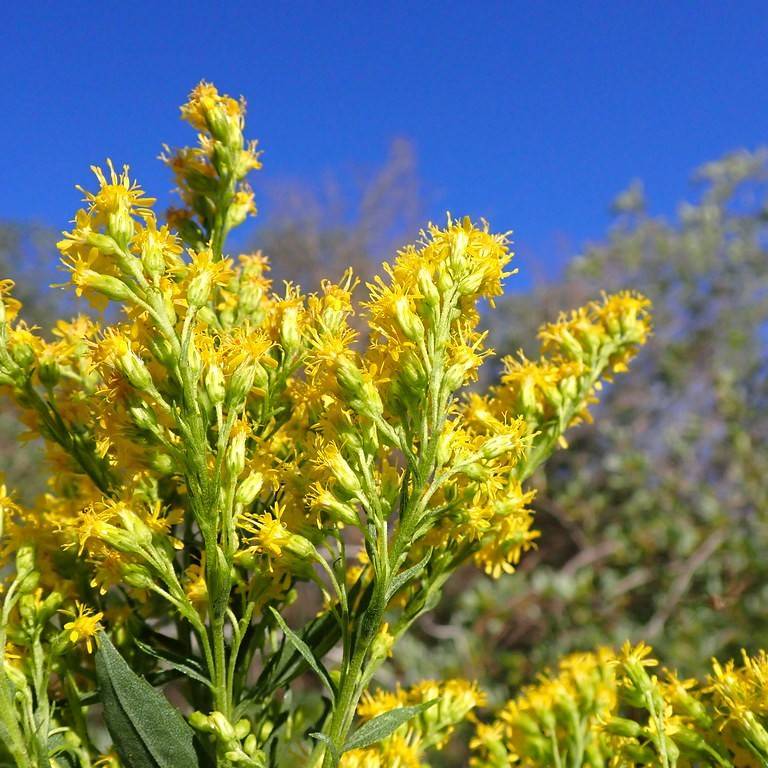
Canadian Goldenrod
Solidago canadensis
Overview
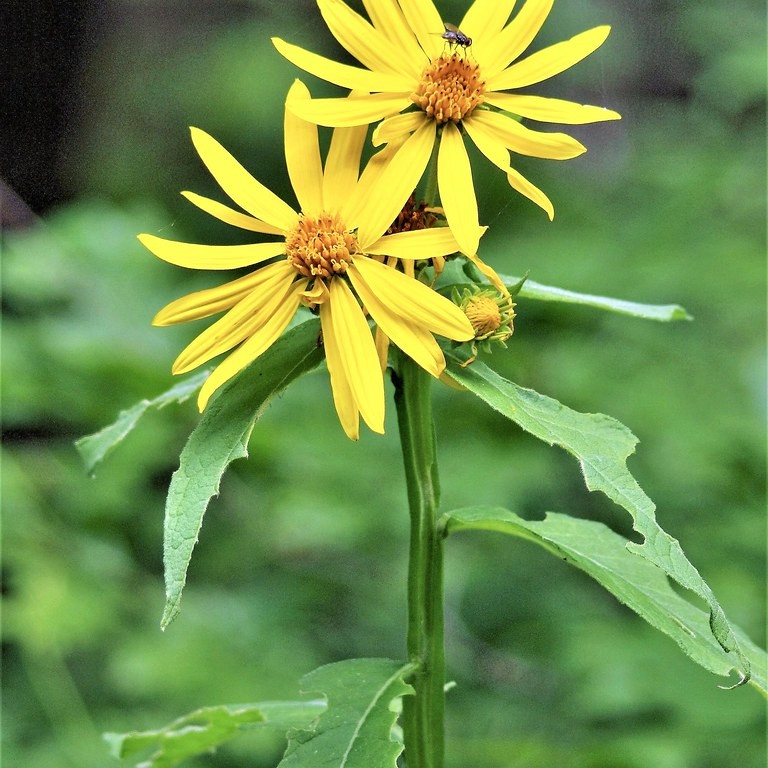
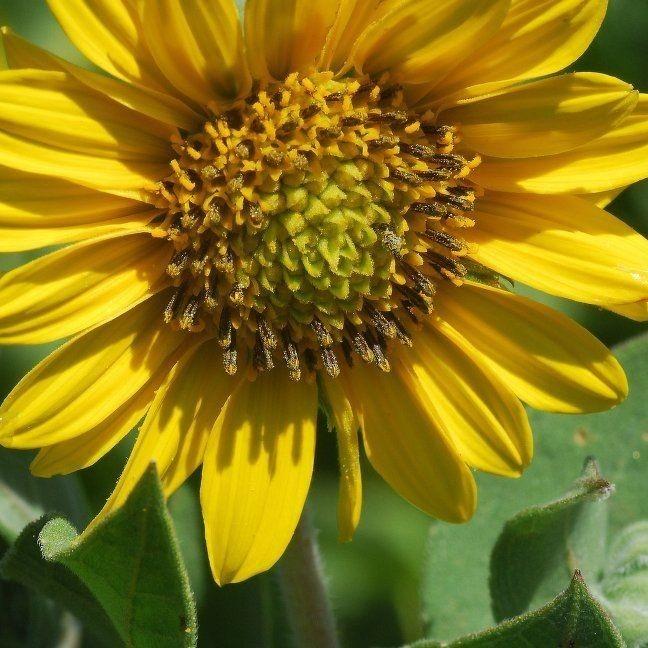
Canadian goldenrod is a hardy herbaceous perennial that forms dense, spreading clumps via underground rhizomes, thriving in open meadows, prairies, roadsides, and disturbed sites across its native range. From late summer to early fall, it produces abundant, arching plumes of tiny, bright yellow daisy-like flowers that create a striking golden display in naturalistic landscapes. Highly adaptable and fast-growing, it is a keystone pollinator plant that supports hundreds of native bee, butterfly, and beneficial insect species.
Care Guide
Watering
Canadian goldenrod is drought-tolerant once established, requiring only occasional deep watering during prolonged dry spells; overwatering or poorly drained soil can lead to root rot. Newly planted specimens need regular, consistent moisture to develop a strong root system for the first growing season.
Light
This species grows best in full sun, receiving at least 6 hours of direct sunlight daily, which encourages robust flowering and prevents leggy, floppy growth. It can tolerate partial shade, but flowering will be reduced and stems may require staking to remain upright.
Soil
Canadian goldenrod is extremely adaptable to a wide range of soil types, including sandy, loam, clay, and poor, disturbed soils, as long as drainage is adequate. It tolerates a pH range from 5.0 to 7.5, and does not require rich or amended soil to thrive.
Fertilizer
Fertilization is rarely necessary, as this plant grows well in low-nutrient soils; excess fertilizer will encourage overly lush, floppy growth and reduce flowering. If grown in extremely poor soil, a single application of balanced, slow-release fertilizer in early spring is sufficient.
Temperature
It is extremely cold-hardy, thriving in USDA zones 3 through 9, and tolerates winter temperatures as low as -40°F (-40°C). It adapts well to high summer temperatures, and only suffers heat stress in extreme, prolonged drought conditions without supplemental water.
Pruning
Deadheading spent flower clusters in late fall can prevent unwanted self-seeding, especially in formal garden settings where spread is a concern. Cut back entire stems to 2-3 inches above the soil line in late winter or early spring to make room for new, healthy growth.
Propagation
The easiest method of propagation is division in early spring or late fall, when the plant is dormant; dig up clumps, split the rhizome into sections with at least one growing bud each, and replant immediately. It can also be grown from seed sown directly outdoors in fall or cold-stratified for 4-6 weeks and sown indoors in early spring.
Humidity
Canadian goldenrod tolerates a wide range of humidity levels, adapting well to both dry continental climates and humid midwestern and eastern North American conditions. It has no specific humidity requirements, though poor air circulation in high-humidity areas can increase risk of foliar fungal diseases.
Repotting
When grown in containers, repot every 2-3 years in early spring to refresh the soil and contain rhizome spread, as the plant will quickly outgrow small pots. Use a standard all-purpose potting mix with added perlite for drainage, and choose a wide, deep pot to accommodate its spreading root system.
Uses & Symbolism
Canadian goldenrod is widely planted in pollinator gardens, meadow restorations, and naturalistic landscapes to support native bees, butterflies, and beneficial predatory insects, including serving as a host plant for over 100 caterpillar species. Historically, Indigenous peoples used its leaves and flowers for medicinal purposes to treat colds, sore throats, and inflammation, and it is still used in modern herbalism for similar applications. Its long-lasting cut flowers are popular in fresh and dried floral arrangements, adding bright golden color to bouquets.
Diseases & Pests
Healthy plants are largely pest and disease resistant, but can occasionally be affected by foliar fungal diseases including powdery mildew, leaf spot, and rust, especially in shaded, poorly ventilated locations with high humidity. Common pests include aphids, leaf beetles, and gall midges, which create distinctive round galls on stems; these rarely cause serious harm and can be controlled by removing affected stems if desired. Overly wet, poorly drained soil can lead to root rot, which is the most common cause of plant death.
Related plants
Other plants you might like if you grow Canadian Goldenrod.