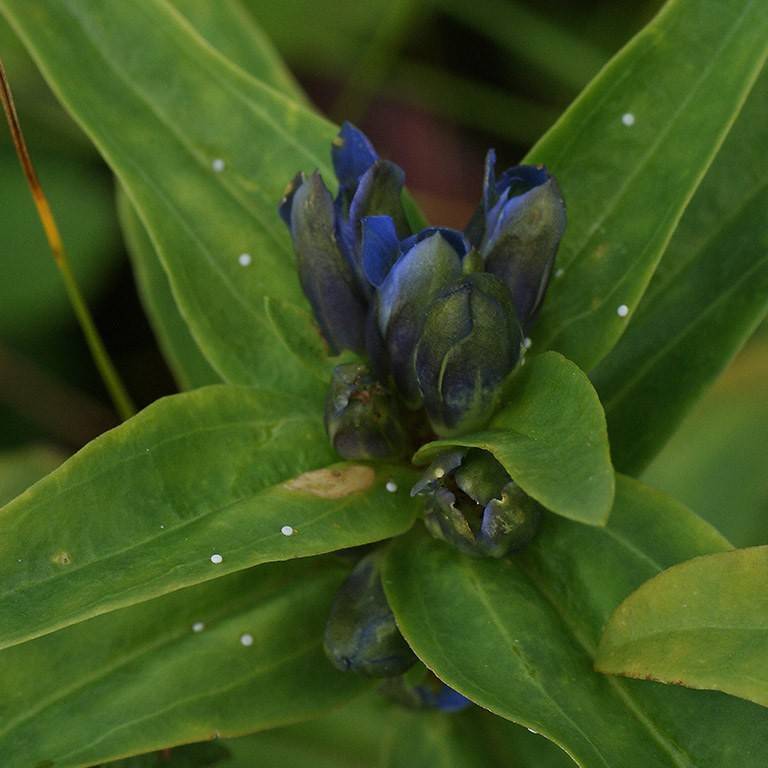
Cross Gentian
Gentiana cruciata
Overview
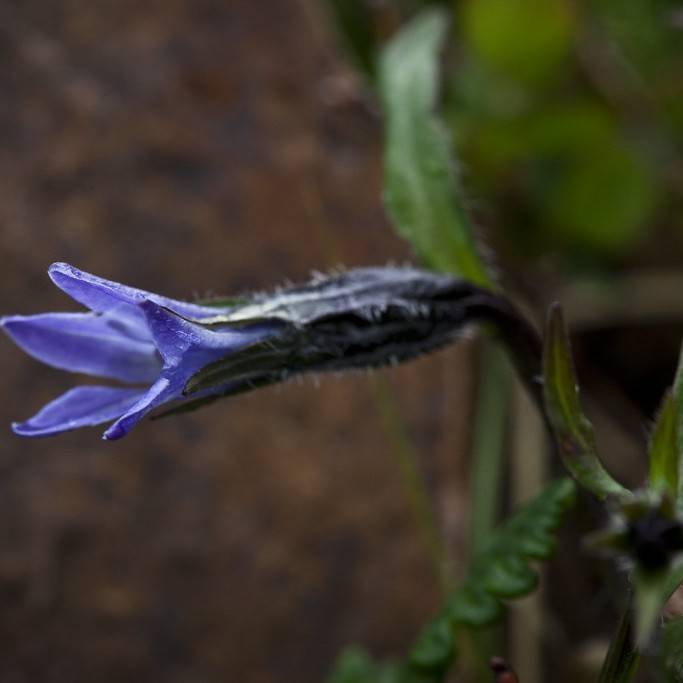
Cross gentian, named for its distinct four-petaled, cross-shaped blue blooms and whorled stem leaves arranged in a cross pattern, is a hardy alpine species native to mountainous regions of Eurasia. It thrives in cool, temperate habitats including meadows, rocky slopes, and open woodland edges, blooming from mid to late summer to attract pollinators like bumblebees. The species has a long history of use in herbal medicine, with its bitter roots harvested for digestive tonics.
Care Guide
Watering
Cross gentian requires consistently moist, well-drained soil and does not tolerate drought or waterlogged conditions; water deeply when the top 1 inch of soil feels dry, reducing frequency in winter when the plant is dormant. Avoid overhead watering to prevent foliar fungal issues, directing water at the base of the plant instead. In alpine or rock garden settings, ensure natural rainfall is sufficient, supplementing only during extended dry periods.
Light
This species prefers full sun to partial shade, performing best in locations that receive 4-6 hours of direct sunlight daily, with light afternoon shade in regions with hot summer temperatures. Too much deep shade will reduce flowering and cause leggy growth, while excessive harsh midday sun can scorch delicate foliage. For indoor cultivation, place near a south or east-facing window with bright, filtered light.
Soil
Cross gentian thrives in neutral to slightly alkaline, humus-rich, gritty, well-drained soil that mimics its native rocky alpine habitat; avoid heavy clay soils that retain excess moisture. A suitable mix for container growing combines equal parts loam, coarse sand or perlite, and well-rotted leaf mold to improve drainage and nutrient content. Amend heavy garden soil with crushed limestone if pH is too acidic, to meet the plant's alkaline preference.
Fertilizer
Feed cross gentian sparingly with a balanced, slow-release organic fertilizer in early spring, just as new growth emerges, to support healthy foliage and bloom development. Avoid high-nitrogen fertilizers, which can encourage excessive leaf growth at the expense of flowers, and do not fertilize after mid-summer to prevent stimulating tender new growth before winter dormancy. In nutrient-rich garden soils, additional fertilization may not be necessary every year.
Temperature
This hardy species tolerates cold winter temperatures down to -30°F (-34°C), suitable for USDA hardiness zones 3 through 8, and requires a period of cold winter dormancy to bloom reliably the following season. It prefers cool summer temperatures between 60-75°F (15-24°C), and may struggle in regions with prolonged heat above 85°F (29°C), where partial afternoon shade is recommended to reduce heat stress. Mulch around the base of the plant in late fall to insulate roots from extreme temperature fluctuations in winter.
Pruning
Prune spent flower stems after blooming to maintain a tidy growth habit and prevent unwanted self-seeding, if desired, though light self-seeding can be encouraged in naturalized rock garden settings. Cut back all dead foliage to the ground in late fall or early spring before new growth emerges, to reduce overwintering sites for pests and diseases. Avoid heavy pruning of healthy green foliage during the growing season, as this can reduce the plant's ability to photosynthesize and store energy for the next year.
Propagation
Cross gentian is most commonly propagated by seed sown in fall directly outdoors, as seeds require a 2-3 month period of cold stratification to germinate successfully; seeds sown indoors should be refrigerated in moist potting mix for 8-10 weeks before sowing in spring. It can also be propagated by careful root division in early spring, just as new growth emerges, though the plant has a deep taproot that can be damaged easily during division, making this method less reliable. Softwood cuttings taken from new growth in late spring can root in moist, gritty potting mix under high humidity, though success rates are moderate.
Humidity
Cross gentian prefers moderate humidity levels between 40-60%, typical of its native mountain habitats, and does not tolerate prolonged high humidity combined with warm temperatures, which increases the risk of fungal diseases. Ensure good air circulation around plants, especially in humid climates, to reduce moisture buildup on foliage and prevent rot. Indoor-grown specimens do not require extra humidity, as long as they are not placed near dry heating vents in winter.
Repotting
Container-grown cross gentian should be repotted every 2-3 years in early spring, just before new growth emerges, using a fresh, well-drained alkaline potting mix to replenish nutrients and prevent soil compaction. Choose a pot that is 1-2 inches larger in diameter than the current one, with ample drainage holes to prevent waterlogging, as the plant's taproot requires room to grow downward. Avoid repotting during the blooming period, as this can stress the plant and cause flower drop.
Uses & Symbolism
Cross gentian is a popular ornamental plant for rock gardens, alpine troughs, and native wildflower meadows, valued for its vivid blue blooms and compact, low-growing habit. Its bitter roots have been used for centuries in traditional European herbal medicine to make digestive tonics, appetite stimulants, and treatments for mild gastrointestinal complaints. The plant is also a valuable nectar source for native pollinators, particularly bumblebees, supporting local biodiversity in temperate gardens.
Diseases & Pests
Cross gentian is relatively pest and disease resistant when grown in suitable conditions, but can be susceptible to root rot if planted in poorly drained, waterlogged soil, which can cause wilting, yellowing foliage, and eventual plant death. Fungal leaf spots and powdery mildew may occur in conditions of high humidity and poor air circulation, which can be treated with organic fungicides and by spacing plants to improve airflow. Slugs and snails may occasionally feed on young, tender foliage in spring, particularly in damp, shaded locations, and can be controlled with bait, barriers, or hand removal.
Related plants
Other plants you might like if you grow Cross Gentian.