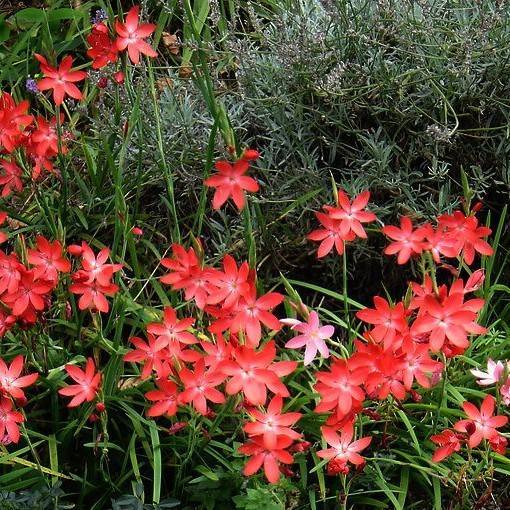
Crimson Flag Lily
Hesperantha coccinea (syn. Schizostylis coccinea)
Overview
Crimson flag lily, previously classified under Schizostylis, is a rhizomatous perennial valued for its late-season blooms that extend garden color well after most summer flowers fade. Its satiny, star-shaped crimson flowers face upward along erect stems, contrasting sharply with narrow, sword-shaped bright green foliage that forms dense, grass-like clumps. In mild climates, it may remain semi-evergreen through winter, providing year-round structural interest to moist garden beds.
Care Guide
Watering
Crimson flag lily requires consistently moist, well-drained soil throughout the growing season, and should not be allowed to dry out completely even during winter dormancy. Water deeply once or twice per week in dry weather, ensuring water penetrates to the rhizome level rather than wetting only the soil surface. Avoid waterlogged conditions in cold winter months, as saturated frozen soil can cause rhizome rot.
Light
This plant thrives in full sun to partial shade, with at least 6 hours of direct sunlight daily for optimal flowering. In regions with intense midday sun, light afternoon shade prevents foliage scorching and extends bloom life. Too much shade will result in leggy growth and reduced flower production.
Soil
Crimson flag lily prefers fertile, humus-rich, slightly acidic to neutral soil with a pH between 6.0 and 7.0, and excellent drainage to prevent rhizome rot. Amending heavy clay soil with compost or well-rotted manure improves structure and moisture retention without causing sogginess. It tolerates poorly drained sites better than many other perennials, making it suitable for rain garden edges and boggy border areas.
Fertilizer
Feed established clumps in early spring with a balanced, slow-release granular fertilizer to support new foliage growth and future bloom production. A second application of diluted liquid bloom fertilizer (high in phosphorus) can be applied as flower buds begin to form in late summer to boost flower size and vibrancy. Avoid over-fertilizing with high-nitrogen products, as this promotes excessive foliage growth at the expense of blooms.
Temperature
Crimson flag lily is hardy in USDA zones 6 to 9, tolerating winter temperatures down to -10°F (-23°C) when planted in well-drained soil and mulched heavily in cold regions. It prefers cool to moderate summer temperatures between 60–75°F (15–24°C), and may struggle in prolonged, extreme heat above 90°F (32°C) without regular watering and shade. In areas colder than zone 6, it can be grown in containers and overwintered indoors in a cool, bright location.
Pruning
Cut back faded flower stems to the base after blooming finishes in late autumn to encourage tidy growth and prevent self-seeding. In late winter or early spring, trim back any brown or damaged foliage to make way for new spring growth, cutting the entire clump back to 2–3 inches above the soil line if foliage has died back over winter. Remove any yellow or diseased leaves throughout the growing season to maintain plant health and air circulation.
Propagation
The most reliable propagation method is division of mature clumps every 3–4 years in early spring, just as new growth emerges, to maintain vigor and flowering performance. Dig up the entire rhizome clump, gently separate sections with at least one growing point and a portion of healthy root, and replant immediately at the same depth as the original plant. It can also be grown from seed sown in containers in autumn, though seed-grown plants may take 2–3 years to reach flowering size and may not retain the exact flower color of the parent plant.
Humidity
Crimson flag lily adapts well to average outdoor humidity levels between 40–60%, which is typical of its native South African grassland habitat. It tolerates higher humidity in mild, coastal regions as long as air circulation is good around the foliage to prevent fungal diseases. It does not require extra humidity when grown outdoors, though indoor container plants benefit from occasional misting if indoor air is very dry.
Repotting
Container-grown crimson flag lilies should be repotted every 2–3 years in early spring, before new growth begins, to refresh the soil and prevent root crowding. Choose a pot with drainage holes at least 2 inches larger in diameter than the current container, and use a fertile, well-drained potting mix amended with compost to retain moisture. Plant rhizomes at the same depth they were growing previously, and water thoroughly after repotting to settle the soil around the roots.
Uses & Symbolism
Crimson flag lily is a popular ornamental plant for moist borders, rain gardens, pond edges, and cottage gardens, where its late-season crimson blooms provide a striking contrast to yellow and orange autumn foliage. It makes an excellent cut flower, with sturdy stems and long-lasting blooms that hold up well in floral arrangements for up to two weeks. In its native range, it has been used in traditional medicine to treat minor digestive ailments, though it is not widely used for medicinal purposes in modern cultivation.
Diseases & Pests
The most common pests affecting crimson flag lily are aphids and spider mites, which suck sap from new growth and can be controlled with insecticidal soap or a strong jet of water. Fungal diseases such as leaf spot and root rot can occur in overly wet, poorly drained soil or when foliage remains consistently damp with poor air circulation. Slugs and snails may feed on young, tender foliage in spring, so barriers or organic bait can be used to protect new growth in areas with high slug populations.
Related plants
Other plants you might like if you grow Crimson Flag Lily.
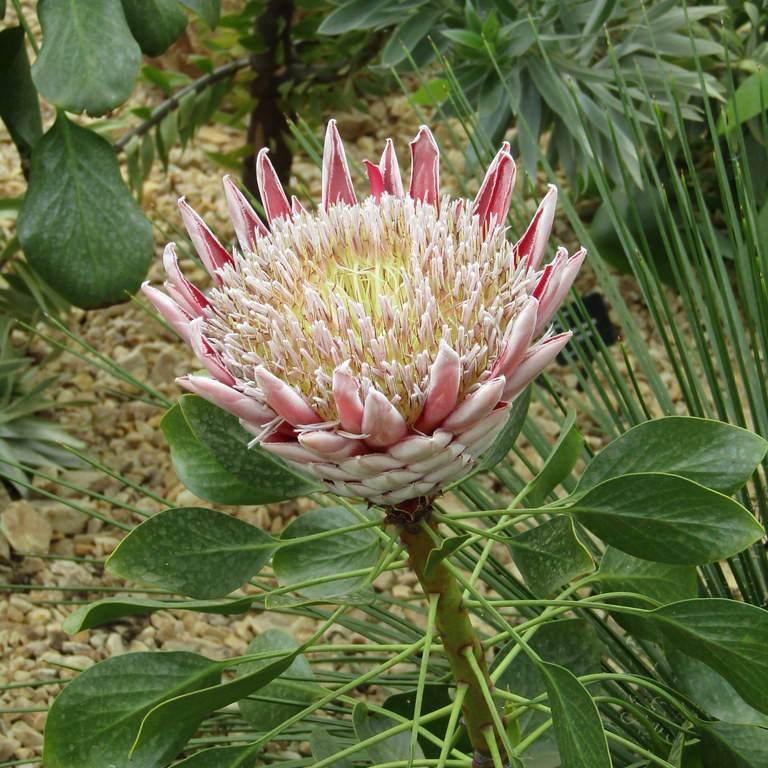
King Protea
Protea cynaroides
%22%2F%3E%0A%20%20%20%20%20%20%3Ccircle%20cx%3D%22920%22%20cy%3D%22180%22%20r%3D%2290%22%20fill%3D%22%23cfe8d5%22%2F%3E%0A%20%20%20%20%20%20%3Cpath%20d%3D%22M600%20590c-90-180-215-255-310-280%200%20165%20118%20296%20270%20296h40z%22%20fill%3D%22%2379b88e%22%2F%3E%0A%20%20%20%20%20%20%3Cpath%20d%3D%22M600%20590c80-150%20198-212%20302-228-8%20142-123%20255-270%20255h-32z%22%20fill%3D%22%235c9f73%22%2F%3E%0A%20%20%20%20%20%20%3Cpath%20d%3D%22M600%20610V360%22%20stroke%3D%22%234f8c64%22%20stroke-width%3D%2218%22%20stroke-linecap%3D%22round%22%2F%3E%0A%20%20%20%20%20%20%3Ctext%20x%3D%22600%22%20y%3D%22700%22%20text-anchor%3D%22middle%22%20font-family%3D%22Arial%2C%20sans-serif%22%20font-size%3D%2244%22%20fill%3D%22%23365c45%22%3E%0A%20%20%20%20%20%20%20%20Plant%20image%20coming%20soon%0A%20%20%20%20%20%20%3C%2Ftext%3E%0A%20%20%20%20%3C%2Fsvg%3E%0A%20%20)
Climbing Tea Rose
Rosa 'Climbing Tea' (hybrid tea climbing cultivar group)
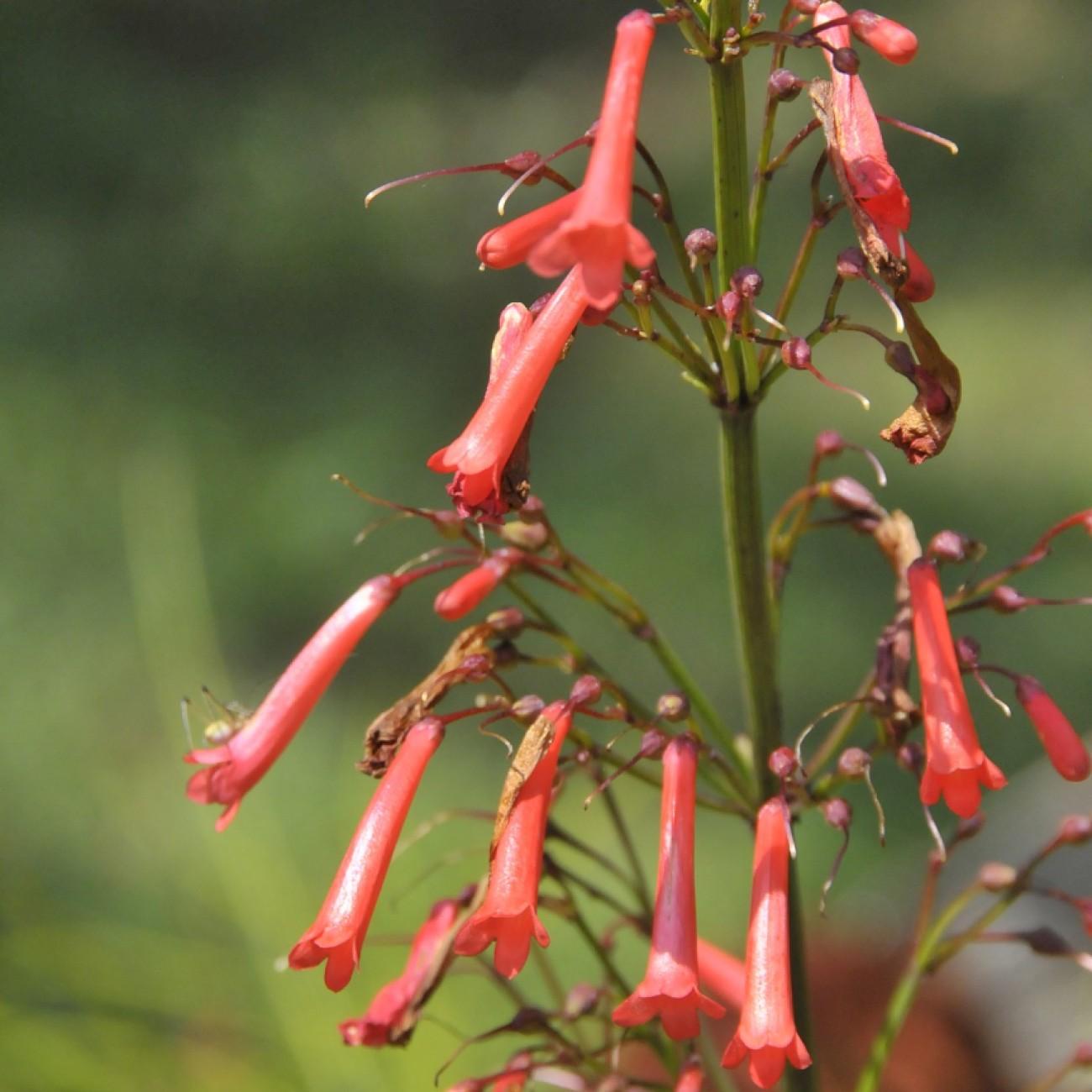
Cape Fuchsia
Phygelius capensis
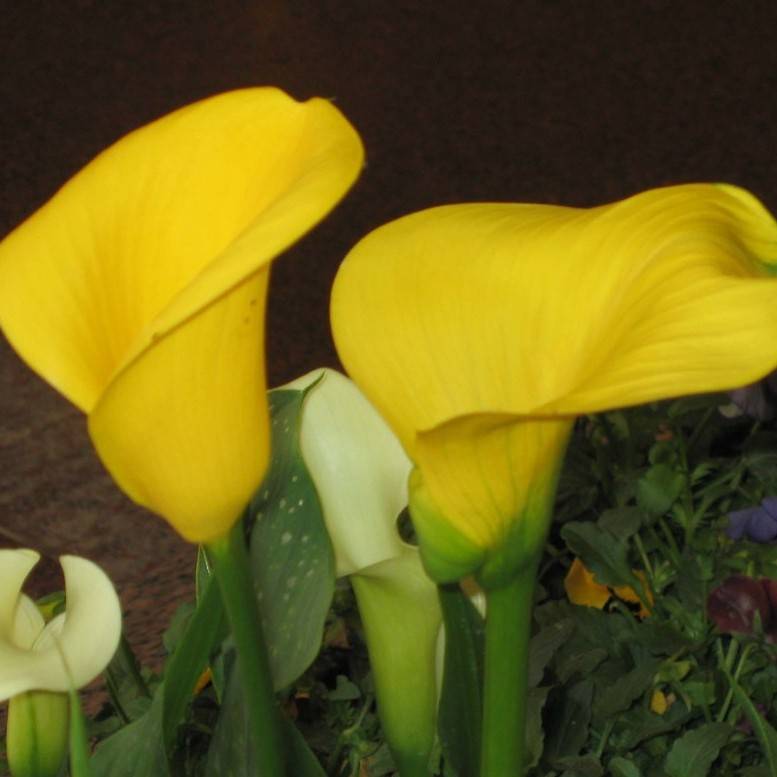
Golden Calla
Zantedeschia elliottiana
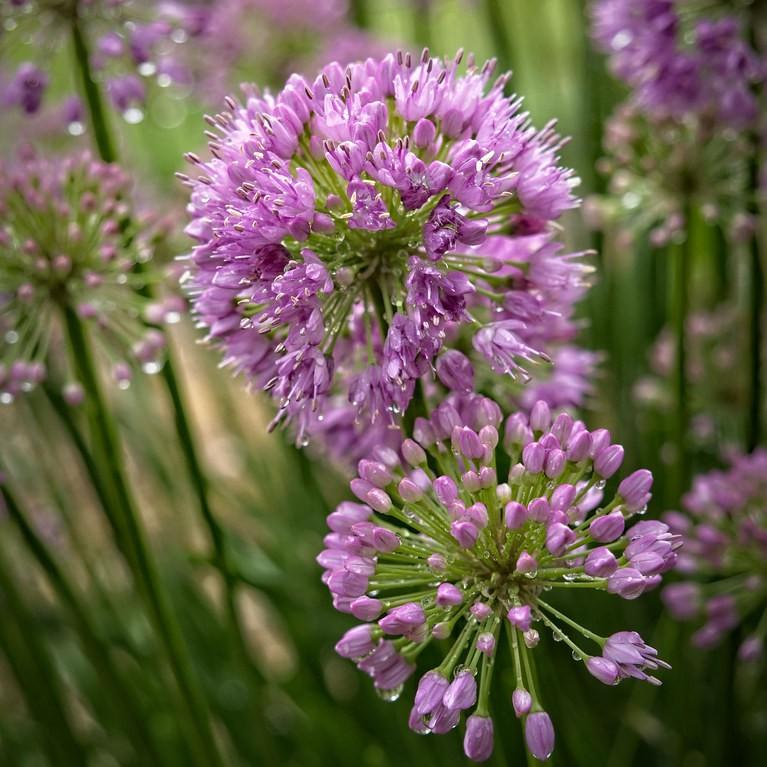
Hybrid Ornamental Onion
Allium × hybridum
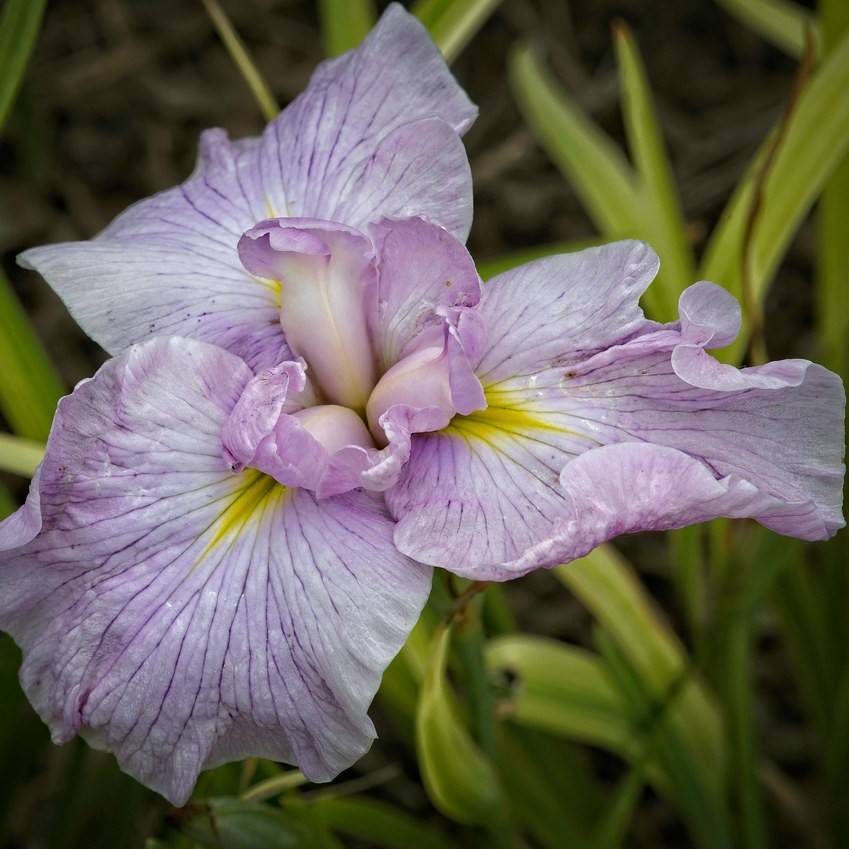
Japanese Water Iris
Iris ensata
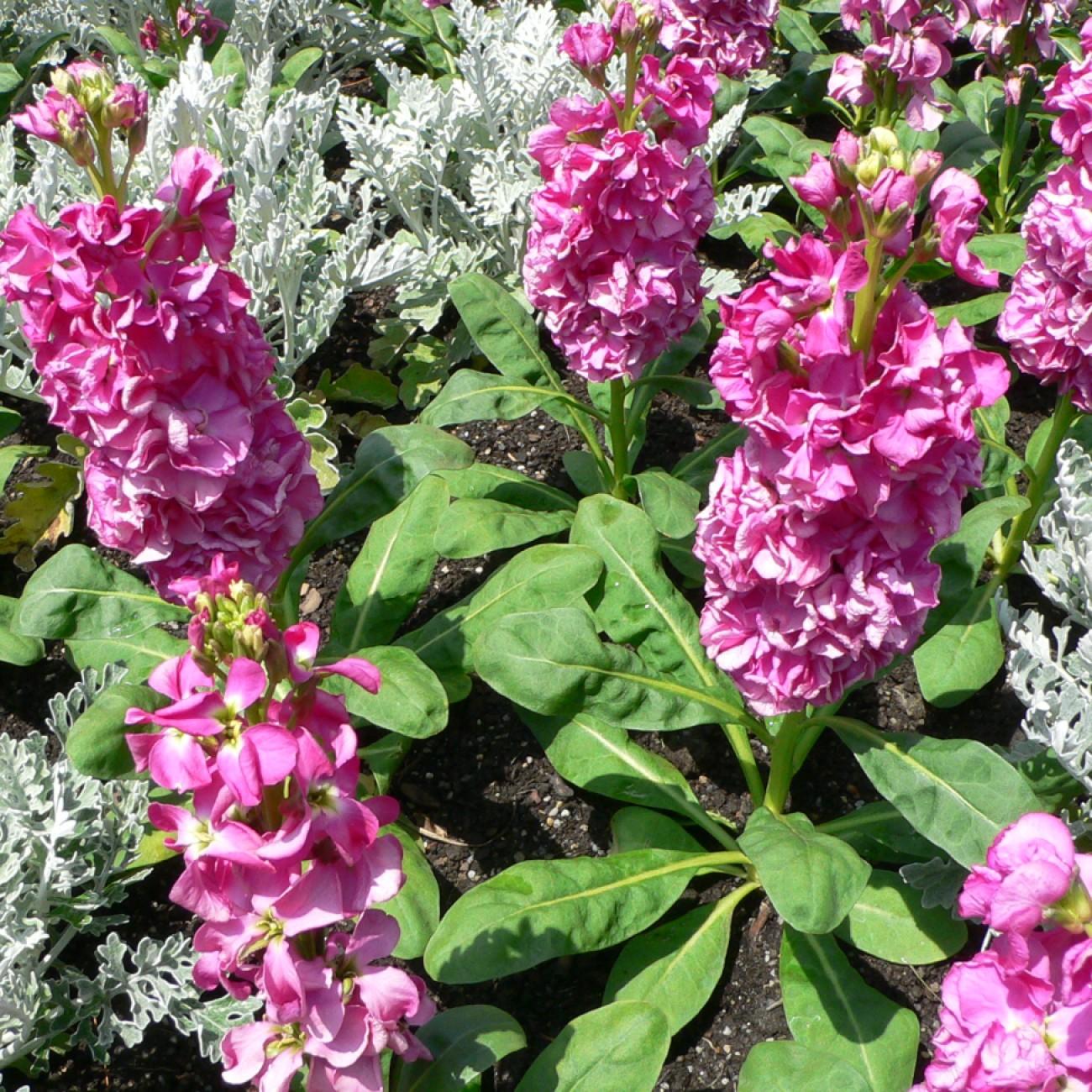
Brompton Stock
Matthiola incana var. annua
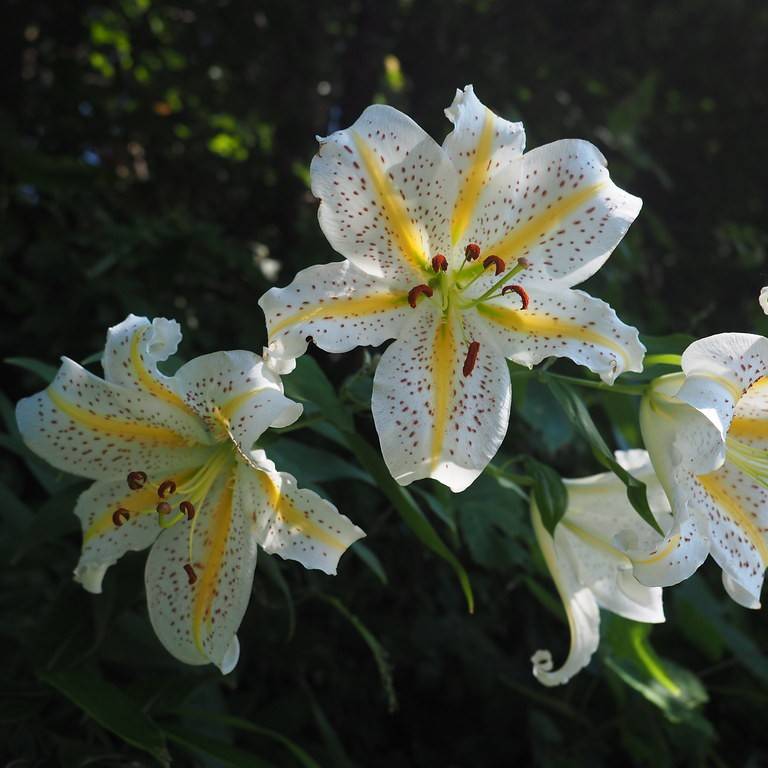
Golden Rayed Lily
Lilium auratum