%22%2F%3E%0A%20%20%20%20%20%20%3Ccircle%20cx%3D%22920%22%20cy%3D%22180%22%20r%3D%2290%22%20fill%3D%22%23cfe8d5%22%2F%3E%0A%20%20%20%20%20%20%3Cpath%20d%3D%22M600%20590c-90-180-215-255-310-280%200%20165%20118%20296%20270%20296h40z%22%20fill%3D%22%2379b88e%22%2F%3E%0A%20%20%20%20%20%20%3Cpath%20d%3D%22M600%20590c80-150%20198-212%20302-228-8%20142-123%20255-270%20255h-32z%22%20fill%3D%22%235c9f73%22%2F%3E%0A%20%20%20%20%20%20%3Cpath%20d%3D%22M600%20610V360%22%20stroke%3D%22%234f8c64%22%20stroke-width%3D%2218%22%20stroke-linecap%3D%22round%22%2F%3E%0A%20%20%20%20%20%20%3Ctext%20x%3D%22600%22%20y%3D%22700%22%20text-anchor%3D%22middle%22%20font-family%3D%22Arial%2C%20sans-serif%22%20font-size%3D%2244%22%20fill%3D%22%23365c45%22%3E%0A%20%20%20%20%20%20%20%20Plant%20image%20coming%20soon%0A%20%20%20%20%20%20%3C%2Ftext%3E%0A%20%20%20%20%3C%2Fsvg%3E%0A%20%20)
Climbing Tea Rose
Rosa 'Climbing Tea' (hybrid tea climbing cultivar group)
Overview
Climbing Tea Roses are sport mutations or intentionally bred climbing variants of classic hybrid tea roses, retaining the group’s signature high-centered, double blooms and sweet, fruity fragrance on long, vining canes. They produce flushes of flowers from late spring through fall in shades of pink, yellow, white, apricot, and red, with individual blooms often reaching 4-5 inches in width. Their flexible, thorn-lined canes grow vertically without support, making them a popular choice for adding vertical interest to garden landscapes, and they are widely grown in temperate regions worldwide for both ornamental display and cut flower production.
Care Guide
Watering
Water deeply 1-2 times per week, providing 1-2 inches of water each session to saturate the root zone, and avoid wetting foliage to reduce fungal disease risk. Reduce watering frequency in late fall and winter to prevent root rot, and ensure the top 1-2 inches of soil dries out slightly between waterings to avoid over-saturation.
Light
Plant in a location that receives at least 6 hours of direct, unfiltered sunlight per day, with morning sun preferred to dry dew from foliage quickly and minimize disease risk. They can tolerate light afternoon shade in extremely hot climates, but reduced sunlight will lead to fewer blooms and weaker, leggy growth.
Soil
Grow in well-draining, loamy soil with a slightly acidic pH between 6.0 and 6.5, amended with compost or well-rotted manure to improve nutrient content and drainage. Avoid heavy, clay soils that hold standing water, as this will quickly cause root rot and decline in climbing tea rose plants.
Fertilizer
Feed with a balanced, slow-release rose fertilizer in early spring just as new growth emerges, followed by a second application after the first bloom flush to support repeat flowering. Stop fertilizing 6-8 weeks before the first expected fall frost to prevent tender new growth from being damaged by cold temperatures, and avoid over-fertilizing with high-nitrogen formulas that promote leaf growth over blooms.
Temperature
Thrive in temperatures between 60-85°F (15-29°C), and can tolerate winter lows down to -10°F (-23°C) if provided with proper winter protection such as mulching around the base and wrapping canes in burlap in colder zones. They are heat-tolerant in most temperate regions, but extended temperatures above 90°F (32°C) may cause bloom drop and scorched foliage if not provided with occasional extra watering.
Pruning
Prune in late winter or early spring before new growth begins, removing dead, damaged, or crossing canes first to improve air circulation through the plant. Train long, healthy canes to their support structure horizontally to encourage more lateral bloom-producing shoots, and deadhead spent blooms regularly throughout the growing season to promote repeated flowering flushes.
Propagation
Most commonly propagated via hardwood cuttings taken in late fall or winter, selecting 8-12 inch long, healthy dormant canes, dipping the cut end in rooting hormone, and planting in well-draining potting mix until roots develop in 2-3 months. Grafting onto hardy rose rootstock is also common for commercial production to improve disease resistance and cold hardiness, while seed propagation is not recommended as it will not produce plants true to the parent cultivar.
Humidity
Prefer moderate humidity levels between 40-60%, and good air circulation is critical to prevent fungal diseases such as powdery mildew and black spot in high-humidity environments. They can tolerate average household humidity if grown indoors, but avoid placing them near drafty heating or cooling vents that can dry out foliage excessively.
Repotting
If grown in containers, repot every 2-3 years in late winter before new growth emerges, using a slightly larger pot with drainage holes and fresh, rose-specific potting mix amended with compost. Trim back any circling or damaged roots during repotting to encourage healthy new root growth, and water thoroughly after repotting to settle the soil around the root system.
Uses & Symbolism
Climbing Tea Roses are primarily used as ornamental landscape plants, trained to grow up trellises, arbors, pergolas, fences, and building walls to add vertical color and fragrance to garden spaces. Their large, long-stemmed, fragrant blooms are highly valued as cut flowers for bouquets and floral arrangements, with many cultivars grown commercially for the cut flower industry. Some home gardeners also use their petals to make homemade jams, teas, and potpourri, though only unsprayed petals should be used for culinary purposes.
Diseases & Pests
The most common diseases affecting Climbing Tea Roses are black spot, powdery mildew, and rust, all fungal infections that thrive in wet, poorly ventilated conditions and can be prevented by avoiding overhead watering and providing adequate spacing between plants. Common pests include aphids, spider mites, thrips, and Japanese beetles, which feed on foliage and blooms and can be controlled with insecticidal soap, neem oil, or targeted pesticide applications as needed. Root rot can occur in poorly draining soils, while winter injury may damage canes in zones colder than USDA zone 5 if proper protective measures are not taken before cold weather sets in.
Related plants
Other plants you might like if you grow Climbing Tea Rose.
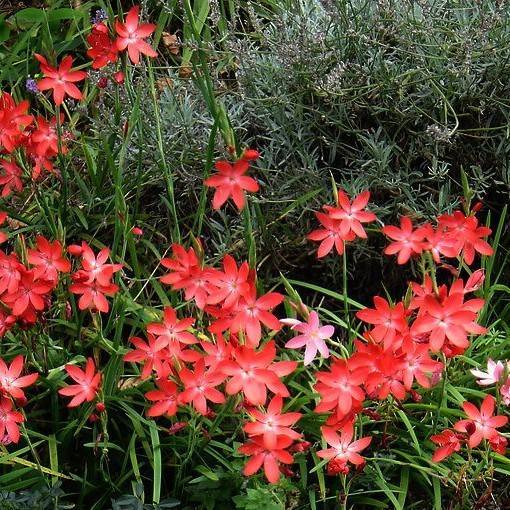
Crimson Flag Lily
Hesperantha coccinea (syn. Schizostylis coccinea)
Climbing Miniature Rose
Rosa hybrida 'Climbing Miniature'
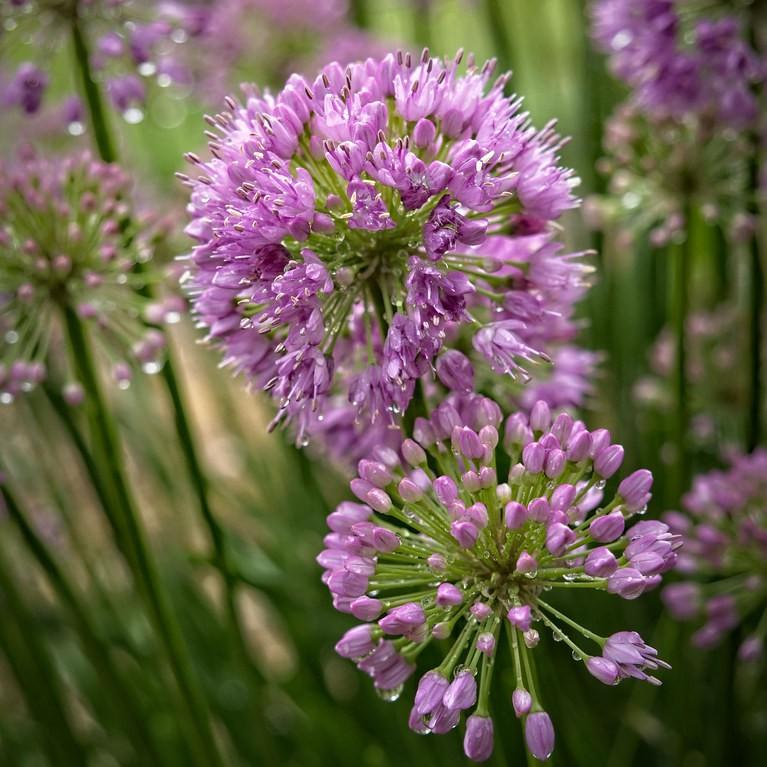
Hybrid Ornamental Onion
Allium × hybridum
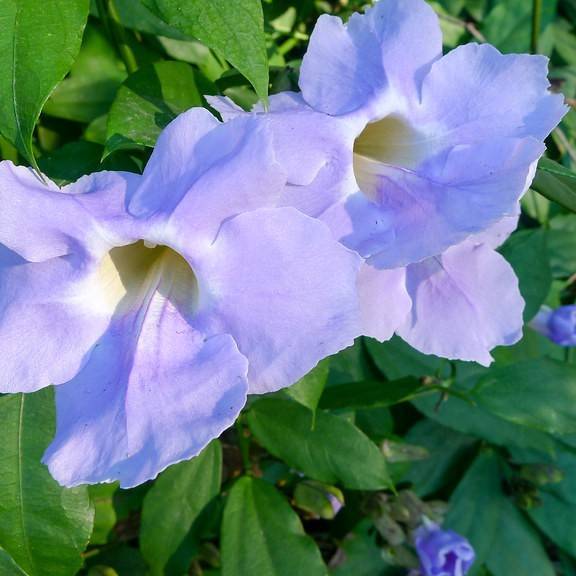
Blue Trumpet Vine
Thunbergia grandiflora
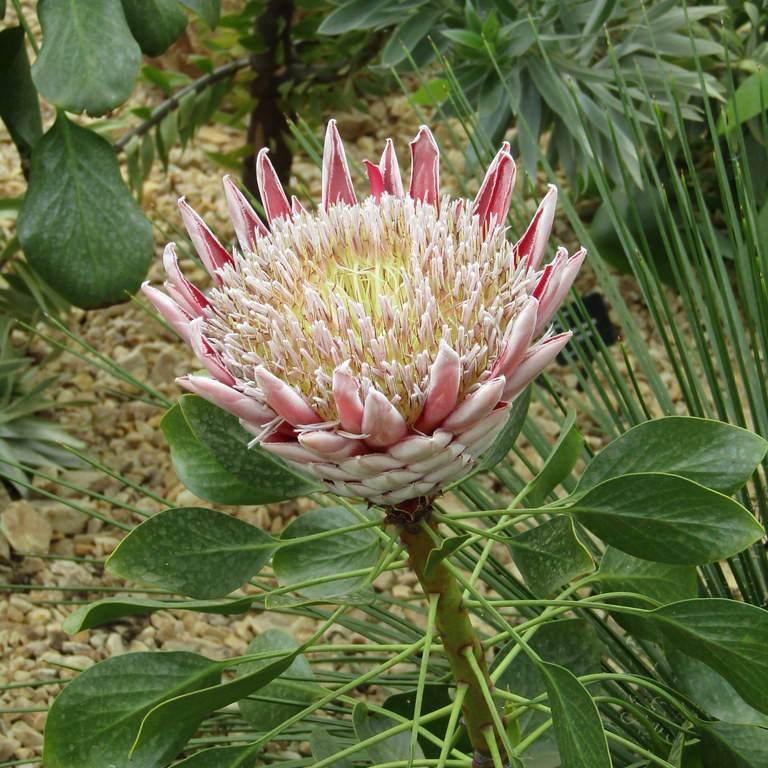
King Protea
Protea cynaroides
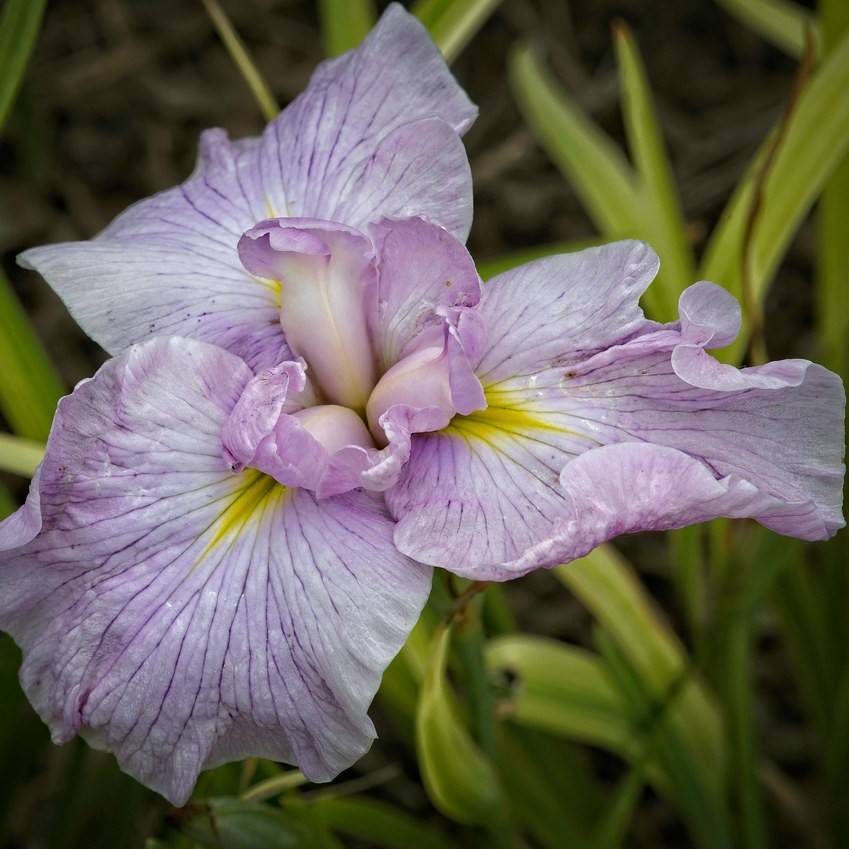
Japanese Water Iris
Iris ensata
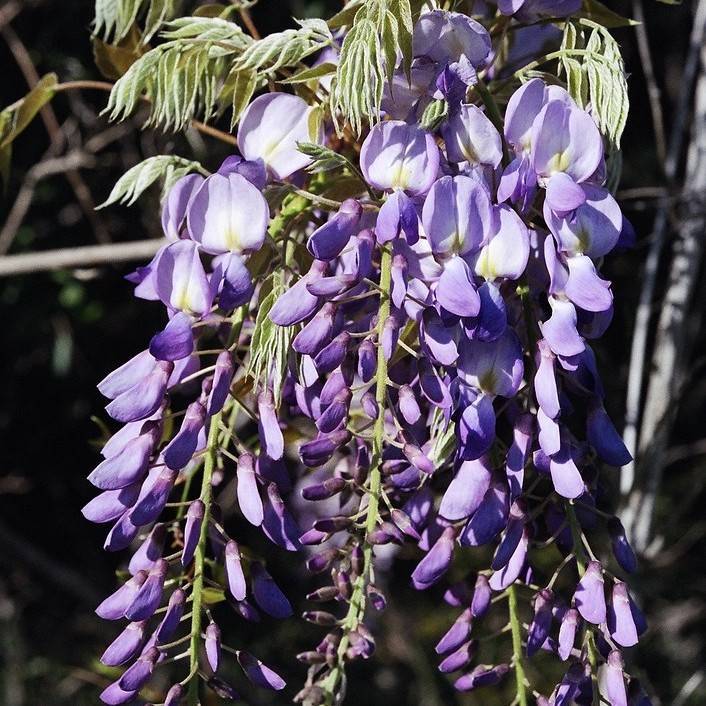
Chinese Wisteria
Wisteria sinensis
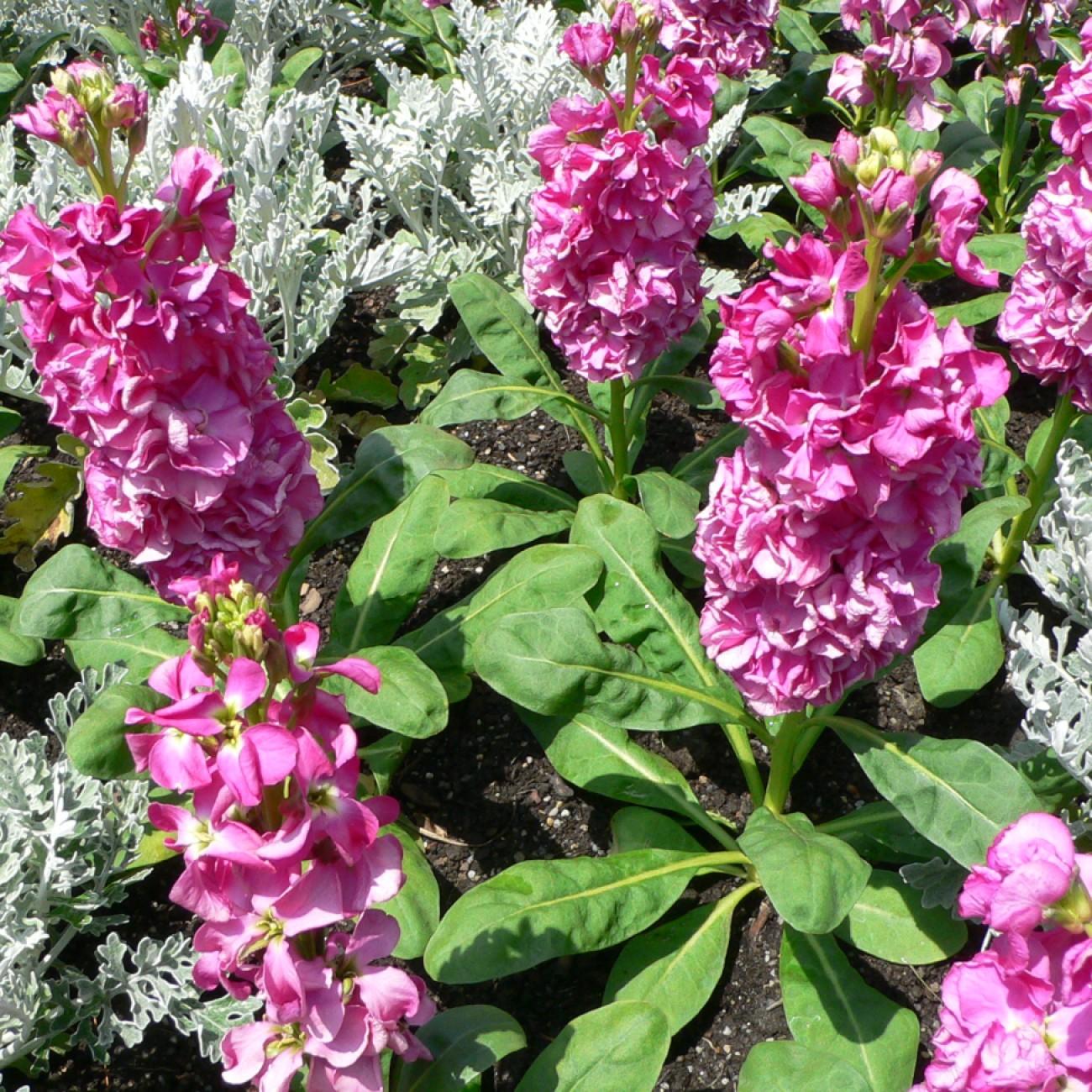
Brompton Stock
Matthiola incana var. annua