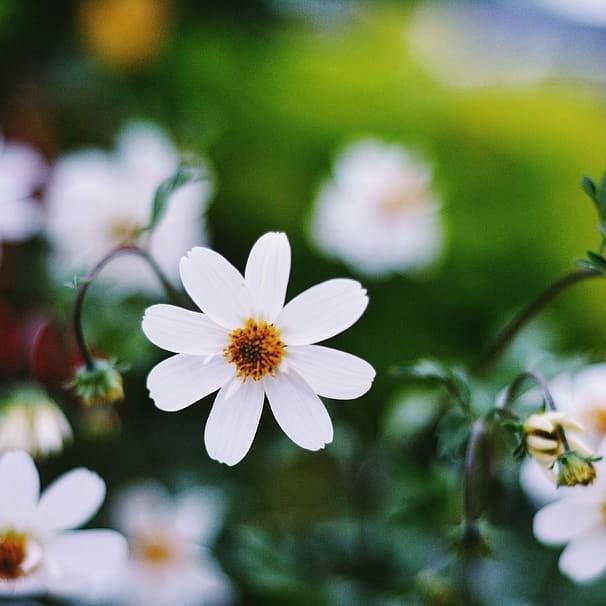
Creeping Zinnia
Sanvitalia procumbens
Overview
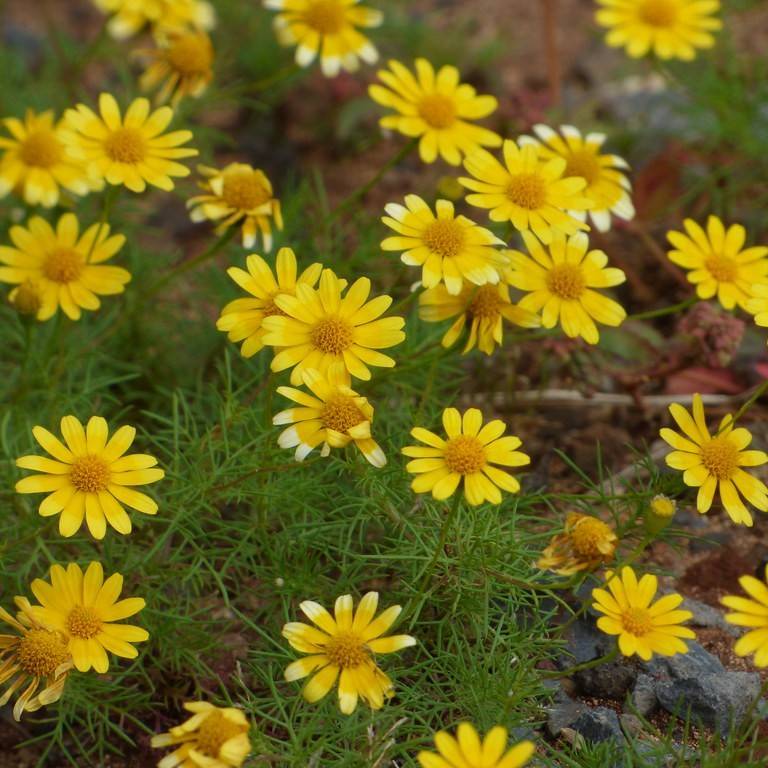
Creeping zinnia is a mat-forming warm-season annual prized for its prolific, long-lasting blooms that appear from late spring until the first frost. Unlike upright common zinnias, its trailing, branching stems spread horizontally to create dense, weed-suppressing ground cover. Native to arid regions of North and Central America, it is exceptionally drought-tolerant once established, making it a popular choice for low-water and xeriscape landscapes.
Care Guide
Watering
Water newly planted creeping zinnia regularly to keep the top 1-2 inches of soil evenly moist for the first 2-3 weeks, until roots are established. Once mature, water only when the top 3 inches of soil are dry, as overwatering can cause root rot and fungal issues. Avoid overhead watering to keep foliage dry and reduce disease risk, directing water to the base of the plant instead.
Light
Creeping zinnia requires full sun, meaning at least 6-8 hours of direct, unfiltered sunlight daily to produce the maximum number of blooms. Insufficient light will lead to leggy growth, sparse flowering, and increased susceptibility to pests and fungal diseases. It can tolerate very light, dappled afternoon shade in extremely hot climates, but will perform best in unobstructed sun.
Soil
This adaptable plant grows well in average, well-drained soil with a neutral to slightly alkaline pH between 6.0 and 7.5. It tolerates poor, rocky, or sandy soils far better than rich, water-retentive soils that stay soggy after rain or irrigation. Amending heavy clay soils with perlite, sand, or compost before planting will improve drainage and prevent root rot.
Fertilizer
Creeping zinnia is a light feeder that requires minimal fertilization; too much nitrogen will lead to lush foliage growth at the expense of blooms. Apply a balanced, slow-release 10-10-10 fertilizer at half the recommended rate once at planting time in early spring, and no additional feeding for the rest of the growing season. If grown in containers, you can apply a diluted liquid bloom fertilizer once every 6-8 weeks to support continuous flowering.
Temperature
Creeping zinnia thrives in warm temperatures between 65-85°F (18-29°C), and tolerates high heat and humidity better than many other annual flowering plants. It is not frost-tolerant, and temperatures below 32°F (0°C) will kill the plant immediately. It can survive short periods of temperatures as low as 40°F (4°C), but growth will slow significantly in cool conditions.
Pruning
Pruning is rarely required for creeping zinnia, but you can pinch back the tips of young stems early in the growing season to encourage bushier, more branched growth and a denser mat. Deadhead spent blooms regularly to promote continuous flowering throughout the season and prevent the plant from putting energy into seed production. At the end of the growing season, pull up and discard the entire plant after it is killed by frost to reduce overwintering pest and disease spores.
Propagation
Creeping zinnia is most easily propagated from seed, which can be sown directly outdoors after the last frost date when soil temperatures are at least 60°F (15°C). Sow seeds on the surface of moist soil, as they require light to germinate, and keep the soil evenly moist until seedlings emerge in 7-14 days. You can also start seeds indoors 4-6 weeks before the last frost date to get a head start on the growing season, transplanting seedlings outdoors once all risk of frost has passed.
Humidity
Creeping zinnia tolerates a wide range of humidity levels, from dry arid conditions to moderate coastal humidity, as long as it has good air circulation around its foliage and stems. High humidity combined with poor air circulation and wet foliage can increase the risk of powdery mildew and other fungal diseases. It does not require any additional humidity when grown indoors as a seasonal container plant.
Repotting
Creeping zinnia is typically grown as an annual, so repotting is rarely necessary for outdoor plants. If growing in containers, use a well-draining potting mix and a pot with drainage holes at planting time, and it will not need to be repotted during its single growing season. If you overwinter plants indoors in mild climates, repot once every 1-2 years in early spring before new growth begins, using fresh potting mix to refresh nutrients and improve drainage.
Uses & Symbolism
Creeping zinnia is most commonly used as a low-growing ground cover in sunny borders, rock gardens, and xeriscape landscapes, where it suppresses weeds and adds consistent color throughout the growing season. Its trailing growth habit makes it ideal for hanging baskets, window boxes, and the edges of raised planters, where its stems can cascade over the sides. It is also a valuable pollinator plant, attracting bees, butterflies, and other beneficial insects to the garden.
Diseases & Pests
Creeping zinnia is relatively pest and disease resistant, but can be susceptible to powdery mildew and leaf spot in conditions of high humidity, poor air circulation, or frequent overhead watering. Common pests include aphids and spider mites, which tend to infest plants grown in too much shade or under water-stressed conditions. Root rot is the most serious issue, caused by planting in poorly drained soil or overwatering, and can be prevented by ensuring proper soil drainage and allowing the soil to dry out between waterings.
Related plants
Other plants you might like if you grow Creeping Zinnia.