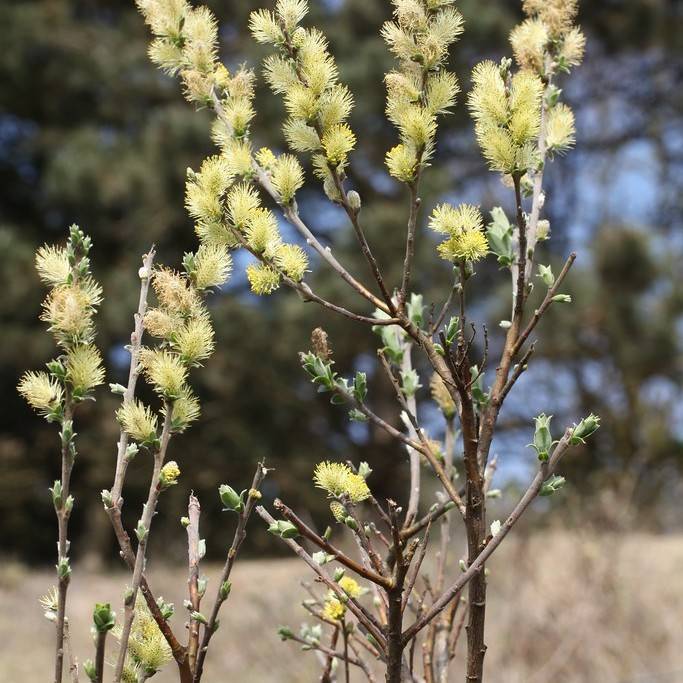
Creeping Willow
Salix repens
Overview
Creeping willow is a low, mat-forming deciduous shrub distinguished by its trailing, flexible stems and small, oval leaves that are silvery-green on the undersides. It thrives in wet, boggy environments, making it a popular choice for stabilizing shorelines, rain gardens, and low-lying areas prone to standing water. Male plants produce small, fuzzy yellow catkins in early spring, while female plants bear green, seed-bearing catkins that release tiny, wind-dispersed seeds once mature.
Care Guide
Watering
Creeping willow requires consistently moist to wet soil, tolerating seasonal flooding and standing water for short periods; water regularly during dry spells to prevent the root zone from drying out completely. Avoid letting the soil become parched, as this can cause leaf drop and stunted growth.
Light
This species grows best in full sun, requiring at least 6 hours of direct sunlight per day to maintain dense, healthy foliage and abundant spring catkin production. It can tolerate partial shade, but growth will be sparser and flowering may be reduced in low-light conditions.
Soil
Creeping willow adapts to a wide range of soil types, including sand, loam, clay, and acidic to neutral pH levels, as long as the substrate remains consistently moist. It thrives in poorly drained, boggy soils where many other shrubs struggle to survive, though it will also grow in average garden soil with regular watering.
Fertilizer
Fertilizer is rarely necessary for established creeping willow plants, especially when grown in nutrient-rich wet soils. If growth appears stunted, apply a balanced, slow-release granular fertilizer in early spring, avoiding over-fertilization which can lead to excessive leggy growth.
Temperature
This hardy shrub tolerates winter temperatures as low as -40°F (-40°C), thriving in USDA hardiness zones 3 through 7. It prefers cool to moderate summer temperatures and may suffer from leaf scorch in regions with prolonged, extreme heat above 90°F (32°C) without sufficient moisture.
Pruning
Prune creeping willow in late winter or early spring before new growth emerges to shape the plant, remove dead or damaged stems, and control its spread. You can cut back overgrown trailing stems by up to one-third annually to encourage denser, bushier growth; regular trimming also prevents the plant from overtaking nearby smaller specimens.
Propagation
Creeping willow propagates easily from softwood cuttings taken in late spring or early summer: snip 4-6 inch (10-15 cm) stem sections, remove lower leaves, and plant directly in moist soil, where roots will form within 2-4 weeks without rooting hormone. It can also be propagated by seed, though seeds are only viable for a short period after ripening in late spring and require constant moisture to germinate.
Humidity
Creeping willow tolerates a wide range of humidity levels, thriving naturally in the high humidity of boggy, riverside, and coastal environments. It adapts well to average garden humidity, as long as its soil moisture requirements are consistently met; extremely dry air may cause leaf tip browning if paired with insufficient watering.
Repotting
Creeping willow is rarely grown in containers, as its extensive spreading root system prefers unrestricted growth in open ground. If planted in a pot for a water feature or patio display, repot every 2-3 years in early spring, using a loamy, moisture-retentive potting mix and selecting a container at least 2 inches larger than the previous root ball to accommodate spreading growth.
Uses & Symbolism
Creeping willow is widely planted for erosion control along stream banks, pond edges, and sloped wet areas, where its dense trailing root system holds soil in place effectively. It is also used as a ground cover in rain gardens, bog gardens, and coastal landscapes, and its flexible stems are sometimes harvested for small craft projects and basket weaving. In traditional medicine, its bark has been used as a natural source of salicin, a precursor to aspirin, for pain and inflammation relief.
Diseases & Pests
Creeping willow is susceptible to common willow pests including aphids, willow leaf beetles, and scale insects, which can cause leaf discoloration and defoliation if populations are left unmanaged. Fungal diseases such as rust, willow blight, and powdery mildew may occur in overly humid conditions with poor air circulation, leading to spotted leaves and stem dieback. Root rot can develop in poorly drained soils only if the plant is exposed to prolonged, permanent flooding beyond its natural tolerance.
Related plants
Other plants you might like if you grow Creeping Willow.
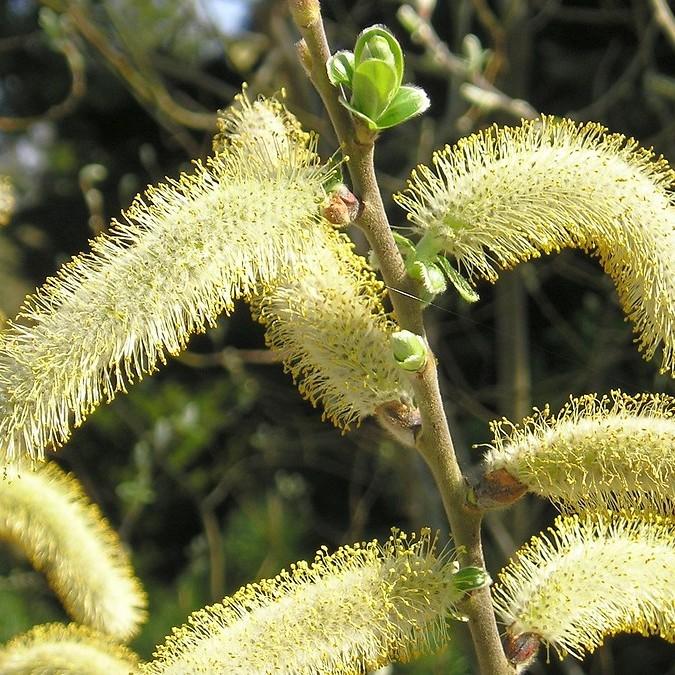
Hooker's Willow
Salix hookeriana
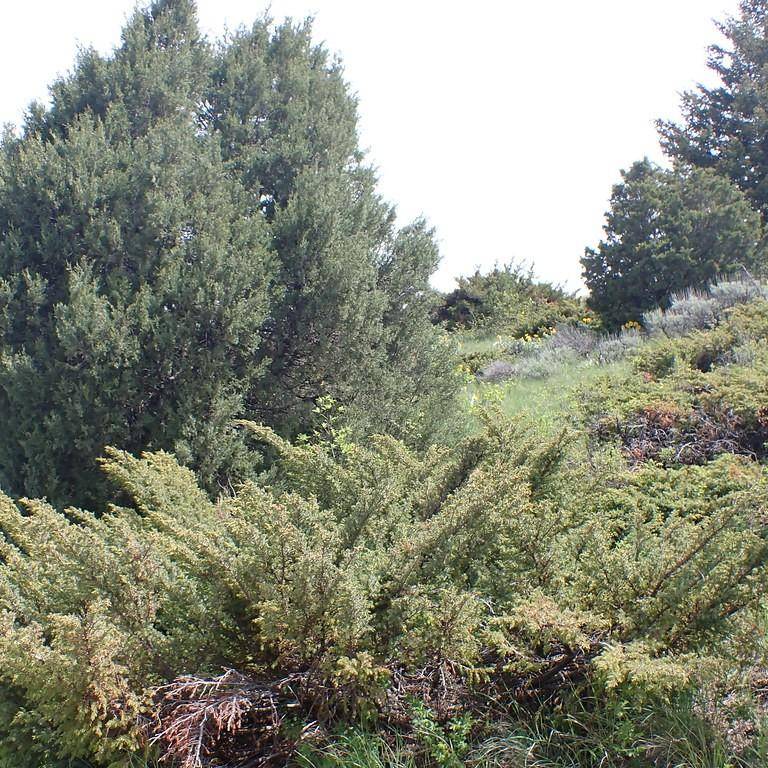
Creeping Juniper
Juniperus horizontalis
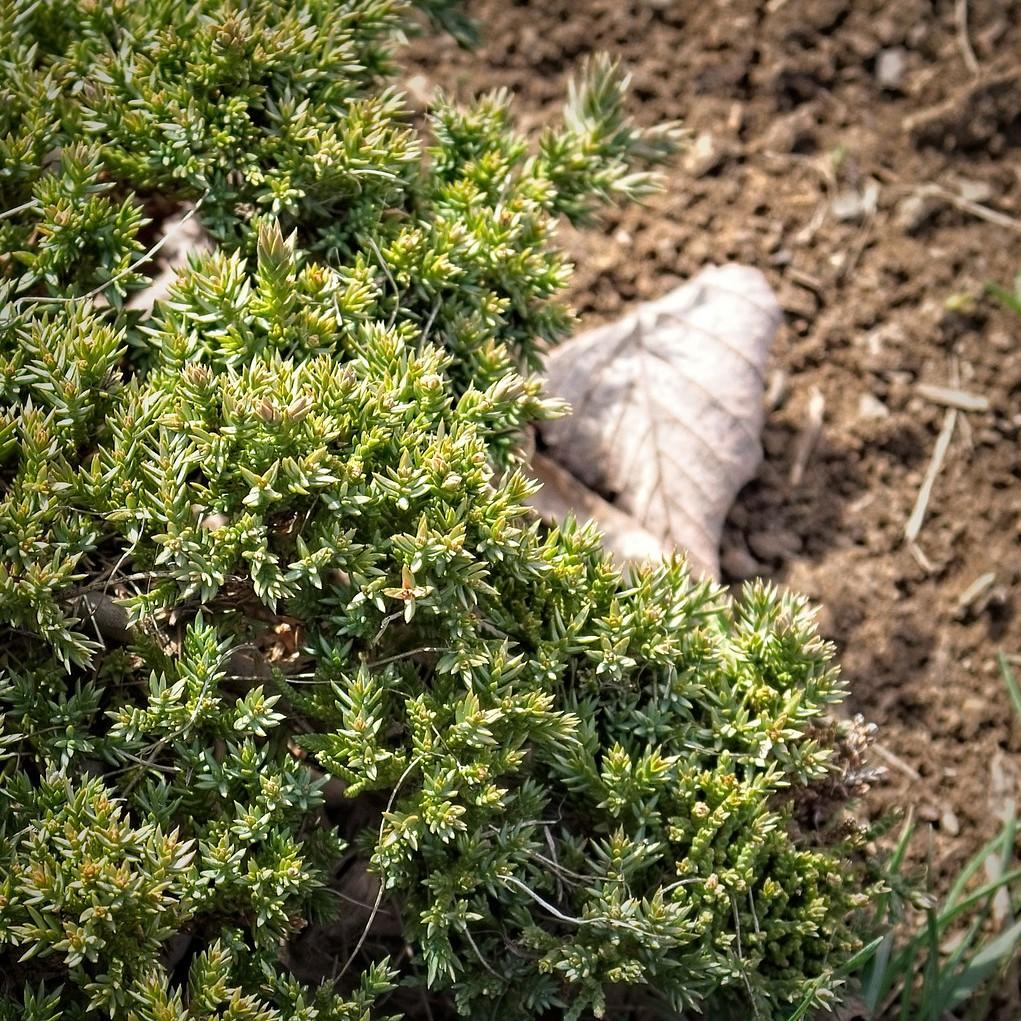
Japanese Garden Juniper
Juniperus procumbens
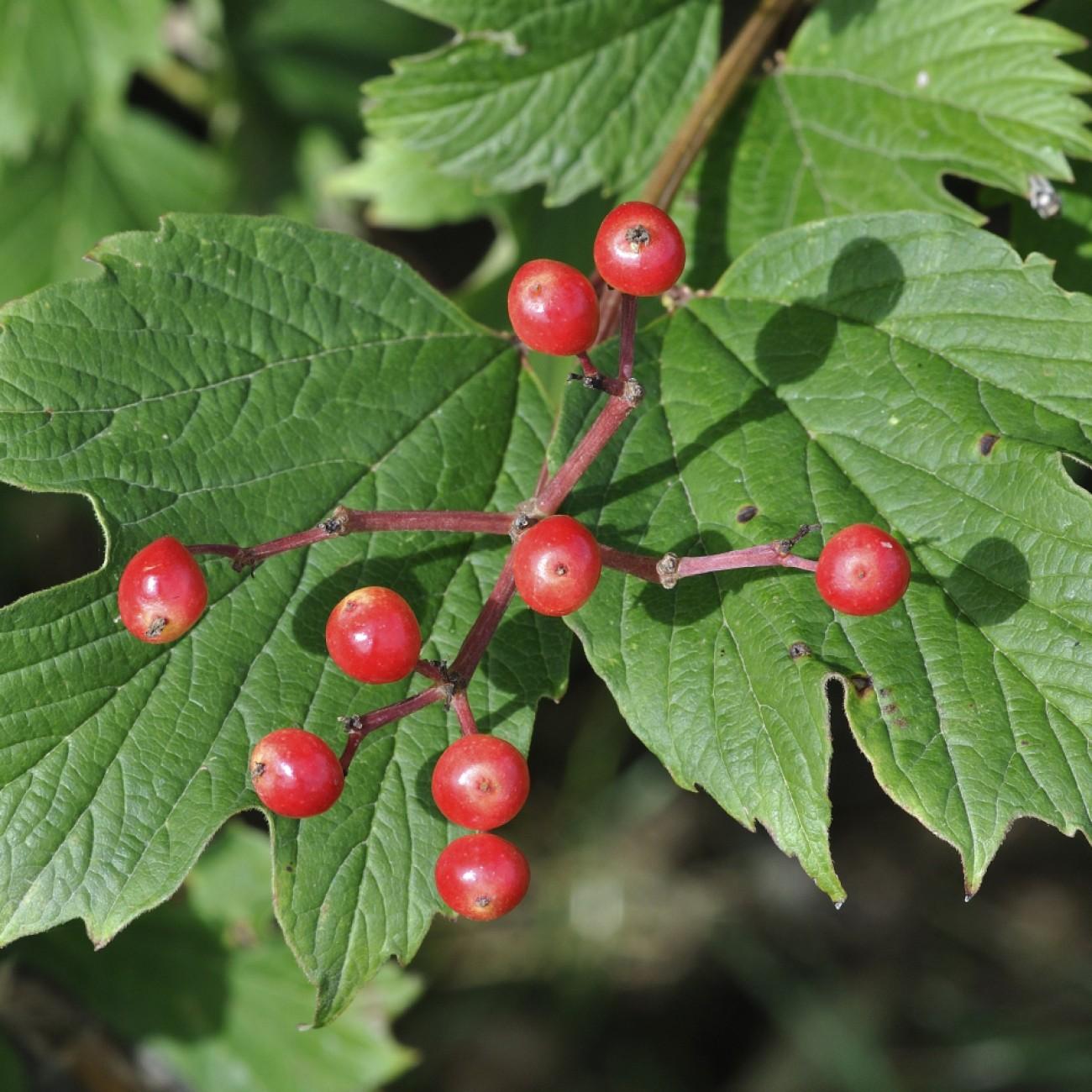
American Cranberry Bush
Viburnum opulus var. americanum
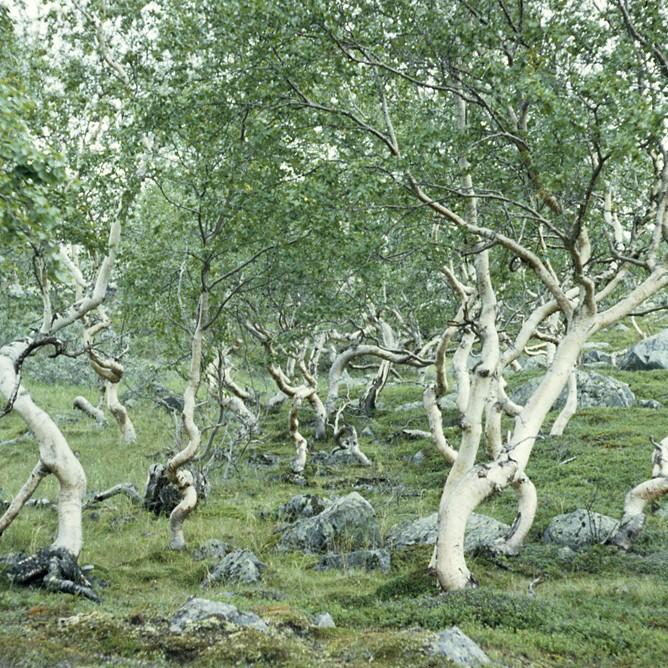
Downy Birch
Betula pubescens
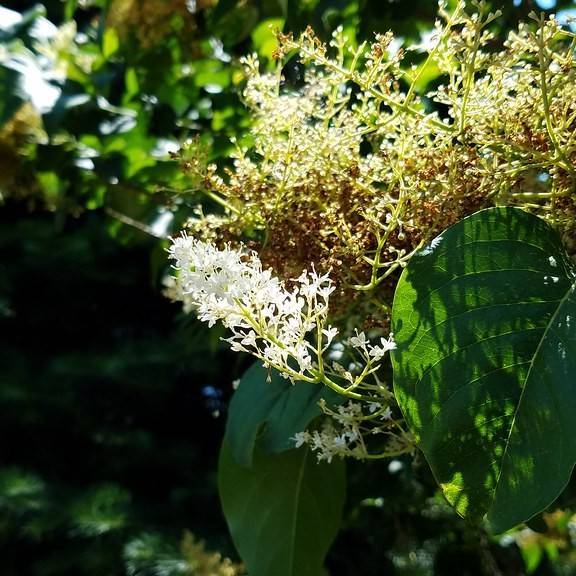
Japanese Tree Lilac
Syringa reticulata subsp. reticulata
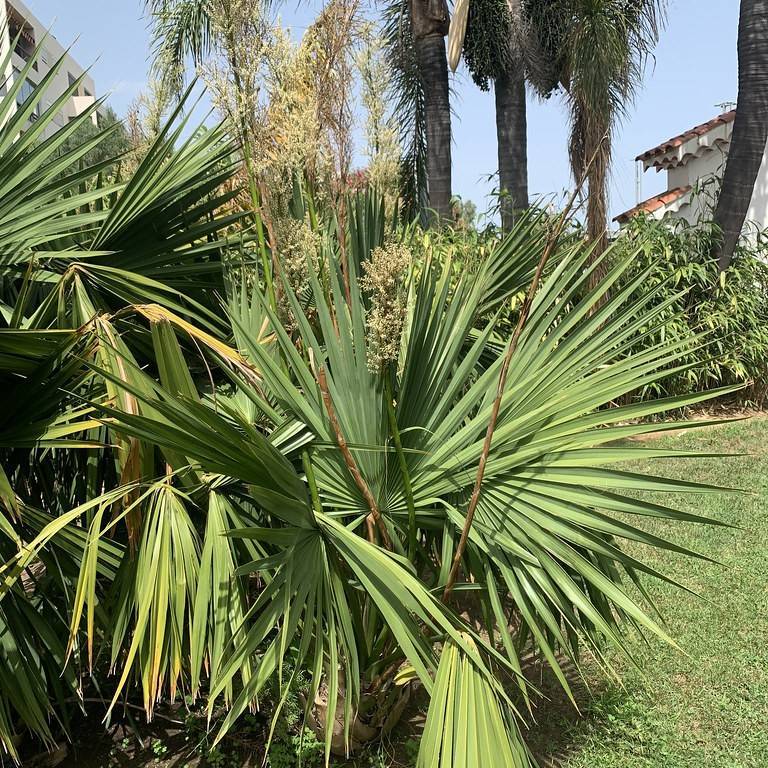
Dwarf Palmetto
Sabal minor
Chokecherry
Prunus virginiana