American Cranberry Bush
Viburnum opulus var. americanum
Overview
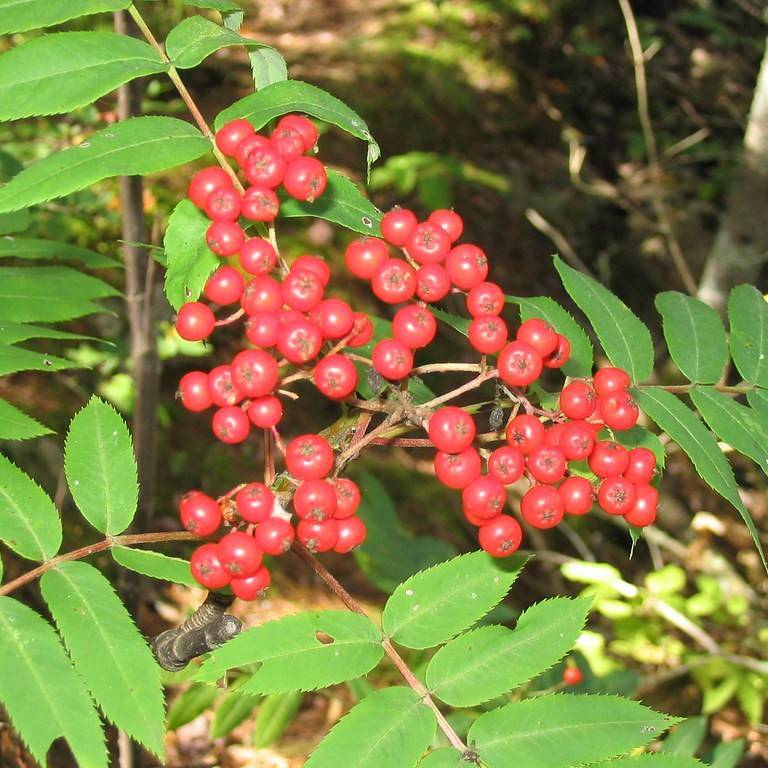
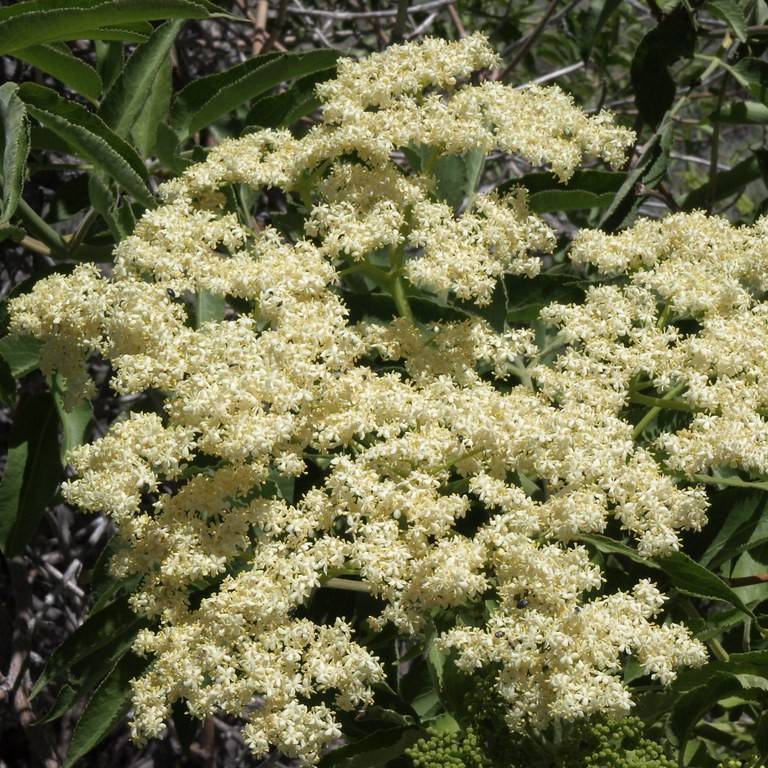
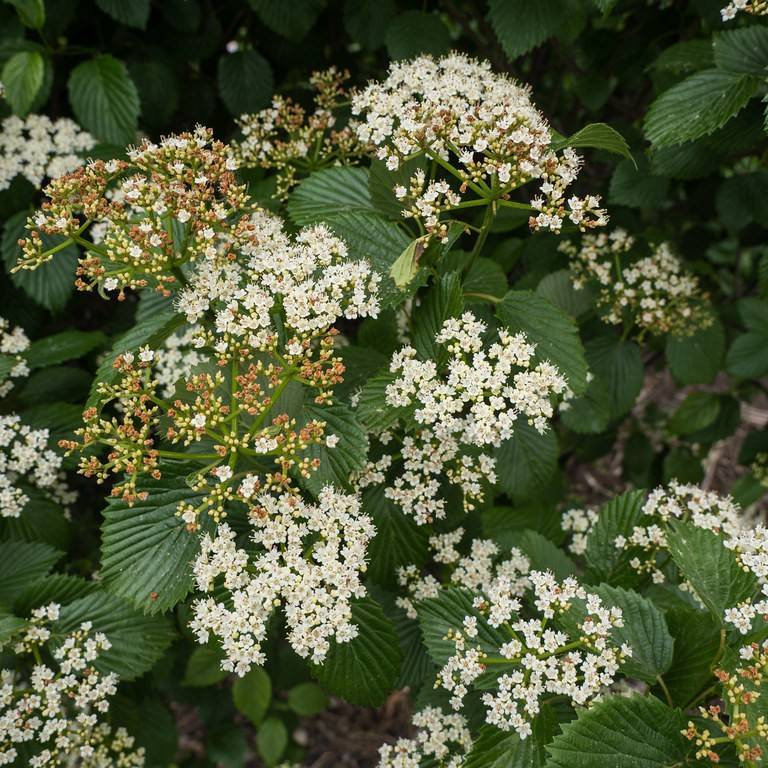
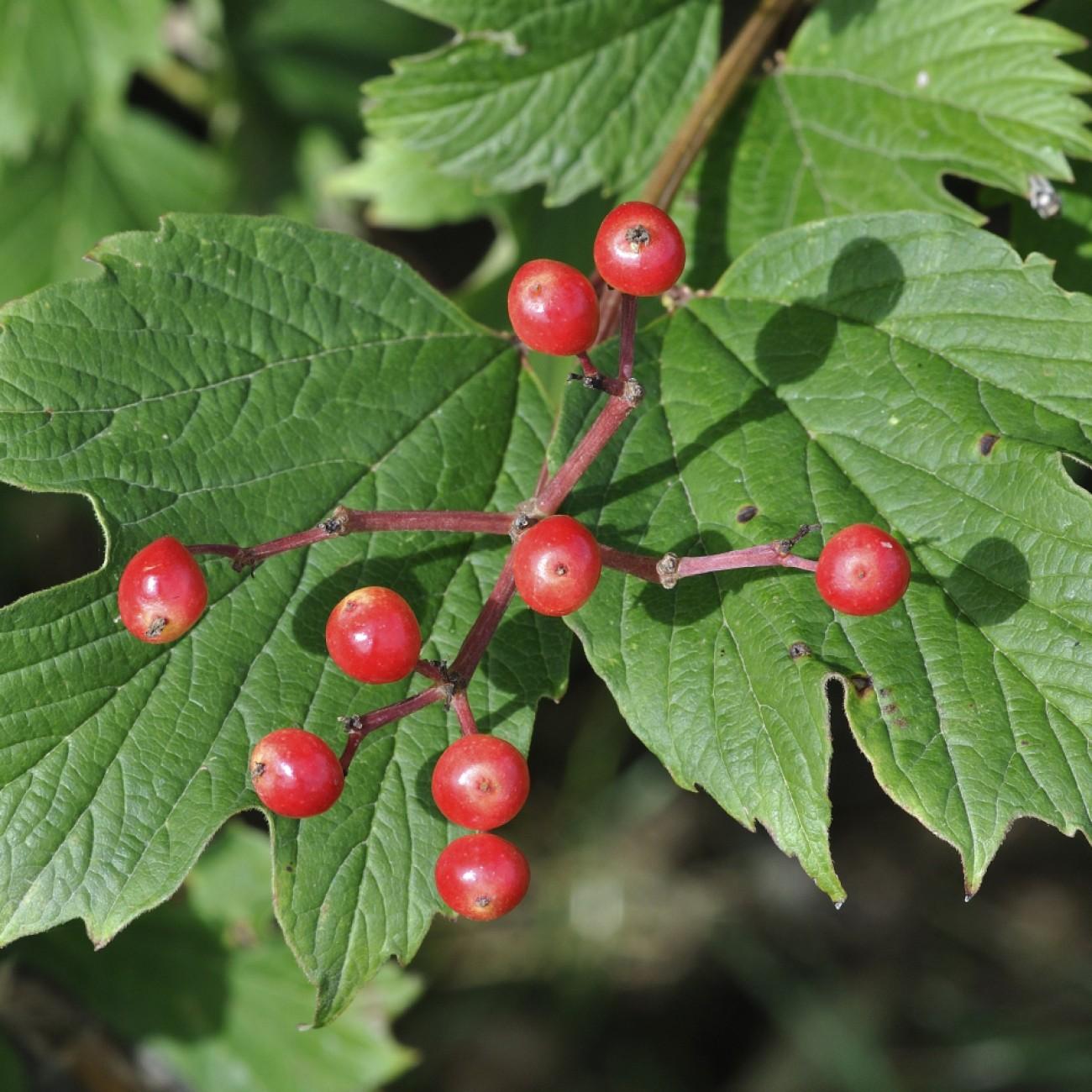
The American cranberry bush, also called highbush cranberry, is a cold-hardy deciduous shrub unrelated to true cranberries of the Vaccinium genus. It produces flat clusters of small, fertile white flowers ringed by larger, sterile showy blooms in late spring, followed by clusters of glossy, tart red berries that persist through winter. Its maple-like leaves turn striking shades of red, orange, and purple in autumn, making it a multi-season ornamental favorite for temperate gardens.
Care Guide
Watering
Water newly planted shrubs deeply once or twice weekly for the first growing season to establish a robust root system, keeping soil consistently moist but not waterlogged. Mature plants are moderately drought-tolerant, requiring supplemental watering only during extended periods of dry, hot weather to prevent leaf drop and support berry development.
Light
Grows best in full sun, which encourages the most abundant flowering, berry production, and vibrant fall foliage color. It can tolerate partial shade, though plants in shadier spots may produce fewer blooms and berries, and develop a looser, more open growth habit.
Soil
Prefers moist, well-drained, loamy soil with a slightly acidic to neutral pH range of 5.5 to 7.5, but adapts well to a wide range of soil types including clay, sand, and alkaline soils, as long as standing water is avoided. Amending planting sites with organic matter such as compost or leaf mold will improve soil structure and support healthier root growth.
Fertilizer
Apply a balanced, slow-release granular fertilizer formulated for woody shrubs in early spring before new growth emerges, following package dosage instructions to avoid over-fertilization which can lead to excessive leaf growth at the expense of flowers and berries. A top-dressing of 2 to 3 inches of compost or well-rotted manure around the base of the shrub each spring can also provide sufficient nutrients for most garden specimens, eliminating the need for commercial fertilizer in nutrient-rich soils.
Temperature
Thrives in USDA hardiness zones 2 through 7, tolerating winter temperatures as low as -45°F (-43°C) without significant damage. It prefers cool to moderate summer temperatures, and may suffer from leaf scorch in regions with sustained temperatures above 90°F (32°C), especially if planted in full sun without adequate moisture.
Pruning
Prune in late winter or early spring before new growth begins, removing dead, diseased, or crossing branches to improve air circulation and maintain a neat, rounded shape. To encourage heavy berry production, avoid removing more than one-third of the shrub’s growth in a single season, and thin out older stems every 3 to 4 years to promote vigorous new flowering wood.
Propagation
Most commonly propagated from softwood cuttings taken in early summer, which root reliably within 4 to 6 weeks when kept in moist, well-drained rooting medium under intermittent mist. It can also be grown from seed, though seeds require a 3 to 4 month period of cold stratification to break dormancy, and seed-grown plants may take 3 to 5 years to reach flowering maturity. Suckers that sprout from the base of mature shrubs can also be dug up and transplanted in early spring for easy vegetative propagation.
Humidity
Adaptable to a wide range of humidity levels, thriving in the moderate humidity of its native North American range as well as drier continental climates. High humidity combined with poor air circulation can increase the risk of fungal leaf spot diseases, so ensure plants are spaced appropriately to allow for adequate airflow around foliage.
Repotting
American cranberry bush is primarily grown in landscape settings rather than containers, so repotting is rarely required. If grown in a large container for patio display, repot every 2 to 3 years in early spring using a high-quality potting mix amended with compost, and select a container with ample drainage holes to prevent root rot. Mature container-grown specimens that have outgrown their pots can be root-pruned and repotted into a slightly larger container to restrict excessive growth and maintain manageability.
Uses & Symbolism
Widely planted as an ornamental shrub in residential and public landscapes for its multi-season interest, including spring blooms, summer greenery, fall foliage, and persistent winter berries. The tart, high-pectin berries are edible when cooked, and are commonly used to make jams, jellies, sauces, and syrups, similar to true cranberries. It also provides valuable food and shelter for native birds and pollinators, making it a popular choice for wildlife gardens and native plant restorations.
Diseases & Pests
The most common pests include aphids, which suck sap from new growth and can cause leaf curling, and viburnum leaf beetles, which chew holes in foliage and can defoliate shrubs if infestations are severe. Fungal diseases such as powdery mildew, leaf spot, and stem canker may occur in conditions of high humidity and poor air circulation, and can be managed by pruning to improve airflow and avoiding overhead watering. Root rot can develop in poorly drained, waterlogged soils, so proper site selection with good drainage is critical to prevent this fatal condition.
Related plants
Other plants you might like if you grow American Cranberry Bush.