Creeping Velvetgrass
Holcus mollis
Overview
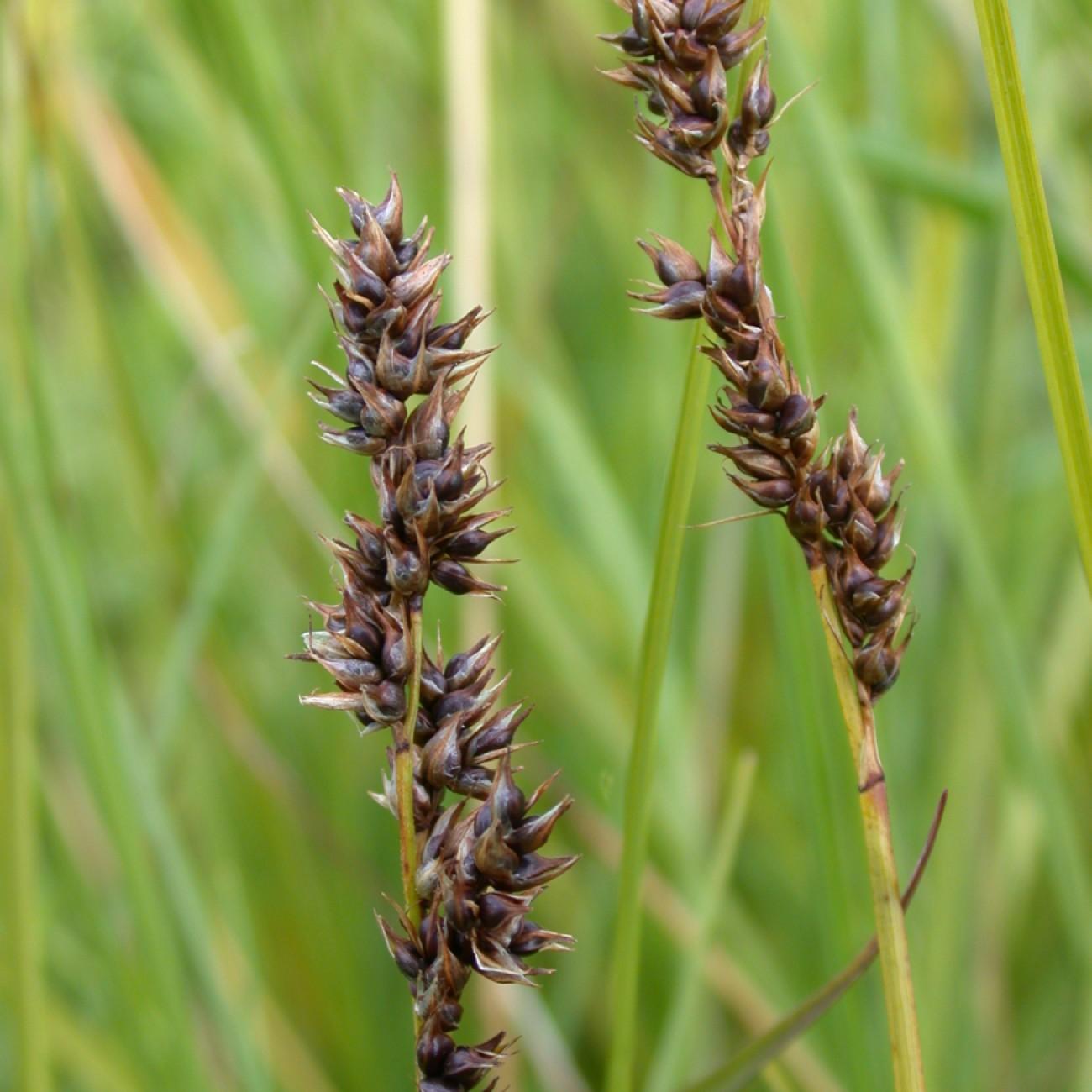
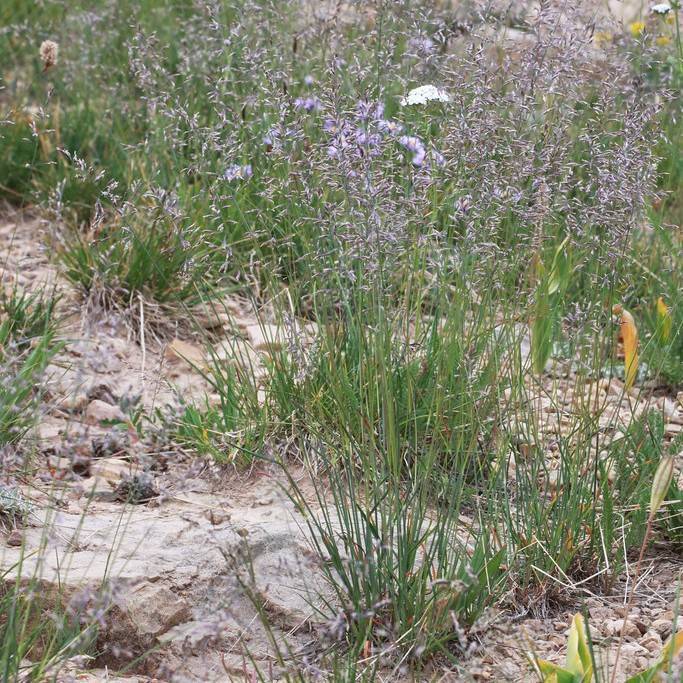
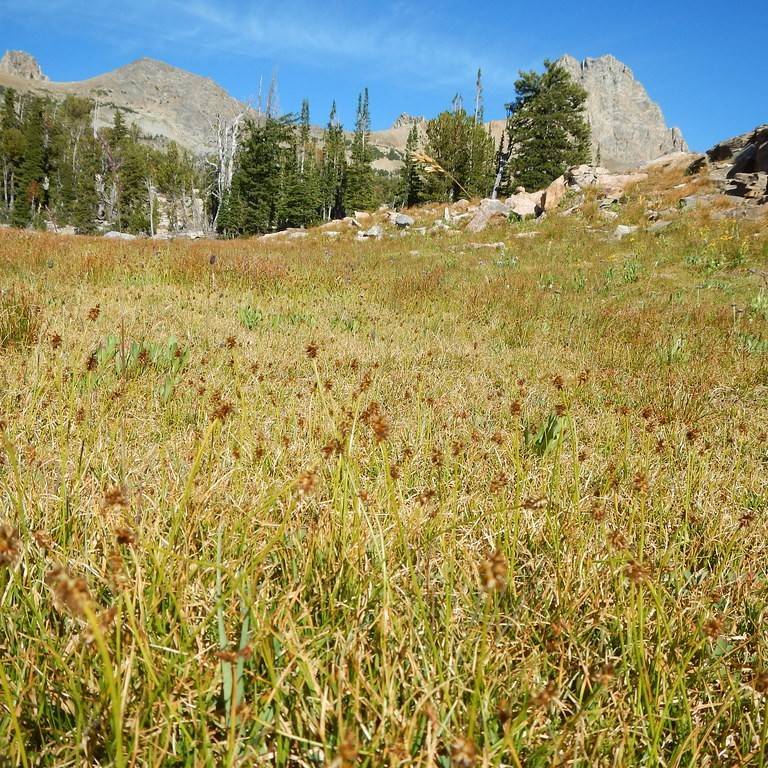
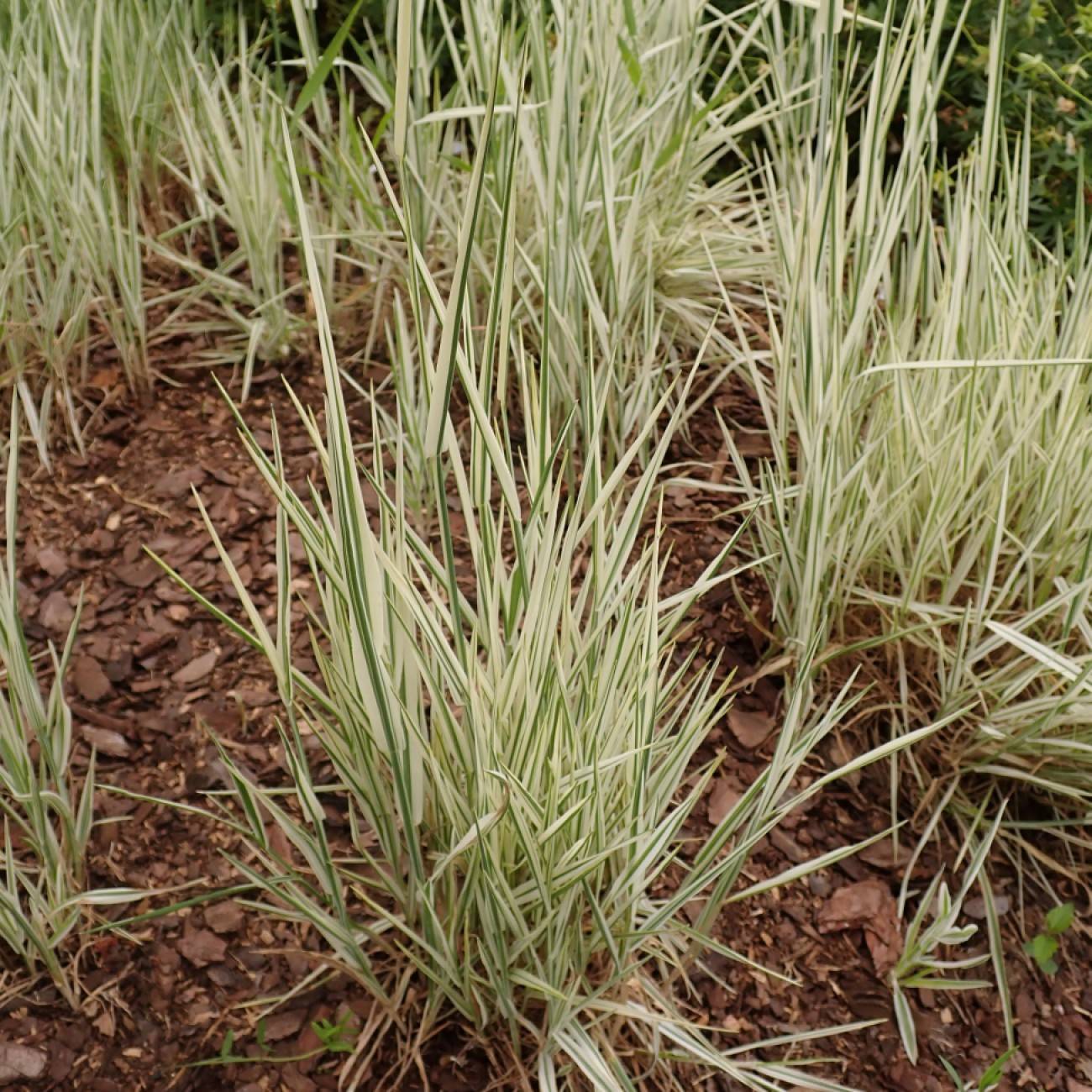
Creeping Velvetgrass is a mat-forming perennial grass recognizable by its fine, velvety light green leaves and spreading rhizomatous root system. It thrives in cool, moist, partially shaded environments where many other turf grasses struggle to establish. While sometimes considered a weed in managed lawns, it is intentionally planted as a low-maintenance ground cover for naturalized areas and erosion control on sloped sites.
Care Guide
Watering
Creeping Velvetgrass prefers consistently moist but not waterlogged soil, requiring regular watering during extended dry periods to prevent browning of foliage. It can tolerate short periods of drought once established, but prolonged dryness will cause it to go dormant and lose its velvety green appearance. Avoid overwatering in heavy clay soils to prevent root rot and fungal growth.
Light
This grass grows best in partial shade, such as under tree canopies or along north-facing building edges, where it receives dappled sunlight for 2-4 hours daily. It can tolerate full sun in cool, temperate climates with consistent moisture, but will scorch and decline in intense, hot direct sun in warmer regions. Deep full shade will result in sparse, leggy growth and reduced foliage density.
Soil
Creeping Velvetgrass adapts to a wide range of soil types, including sandy, loamy, and heavy clay soils, as long as drainage is adequate. It prefers slightly acidic to neutral soil pH between 5.5 and 7.0, but can tolerate mildly alkaline conditions with regular organic amendments. Incorporate 2-3 inches of compost or leaf mold into poor soils before planting to improve moisture retention and nutrient content.
Fertilizer
This low-maintenance grass requires minimal fertilization, with a single light application of balanced 10-10-10 granular fertilizer in early spring sufficient for most growing conditions. Avoid high-nitrogen fertilizers, as they can promote excessive leaf growth at the expense of the creeping rhizome system that supports its ground cover function. Organic mulch such as shredded bark can be applied annually to provide slow-release nutrients without the need for additional synthetic feeds.
Temperature
Creeping Velvetgrass is cold-hardy in USDA zones 4 through 9, tolerating winter temperatures as low as -30°F (-34°C) without significant dieback. It thrives in cool temperatures between 60-75°F (15-24°C), and will go semi-dormant during extended periods of heat above 85°F (29°C), turning brown until cooler conditions return. Mild frost does not damage the foliage, but hard freezes will cause above-ground growth to die back, with new growth emerging in early spring.
Pruning
Pruning requirements are minimal, with an annual mowing or trimming in early spring to remove dead winter foliage and encourage fresh new growth. If grown as a lawn alternative, it can be mowed to a height of 2-3 inches as needed to maintain a neat appearance, though frequent mowing will reduce its flowering potential. Trim back any spreading rhizomes that encroach on garden beds or paved areas to keep the plant contained to its intended growing space.
Propagation
Creeping Velvetgrass is most easily propagated by division of established clumps in early spring or early fall, when cool temperatures support rapid root establishment. Dig up a section of the mat, separate it into smaller clumps with intact rhizomes and roots, and replant them 6-12 inches apart in prepared soil, watering thoroughly until established. It can also be grown from seed sown directly on the soil surface in early spring, though seed-grown plants will take 1-2 growing seasons to form a dense, continuous mat.
Humidity
This grass tolerates a wide range of humidity levels, thriving in both moderate coastal humidity and drier inland conditions as long as soil moisture is consistent. High humidity combined with poor air circulation and waterlogged soil can increase the risk of foliar fungal diseases, so avoid overhead watering in humid climates to reduce moisture on leaf surfaces. Very low humidity below 30% may cause leaf tip browning, which can be mitigated by regular watering and a light layer of mulch to retain soil moisture.
Repotting
Creeping Velvetgrass is rarely grown in containers, but if potted for patio or balcony use, it should be repotted every 2-3 years in early spring to refresh the soil and prevent rhizomes from becoming root-bound. Choose a wide, shallow pot with drainage holes, as the creeping root system spreads horizontally rather than growing deep into the soil. When repotting, gently trim back any overgrown rhizomes and roots, and replant in a standard potting mix amended with compost to support healthy growth.
Uses & Symbolism
Creeping Velvetgrass is primarily planted as a low-maintenance ground cover for shaded areas where traditional turf grasses fail to thrive, including under mature trees and on shaded slopes where erosion control is needed. Its soft, velvety foliage makes it a pleasant option for barefoot traffic in low-use lawn areas, and it provides food and habitat for small native pollinators and beneficial insects. It is also sometimes used in wildflower meadow mixes to add textural contrast and support soil health in cool, moist sites.
Diseases & Pests
Creeping Velvetgrass is relatively pest and disease resistant, but can be susceptible to foliar fungal diseases such as powdery mildew and rust in conditions of high humidity, poor air circulation, and prolonged leaf wetness. Root rot may occur in heavy, poorly drained soils that stay waterlogged for extended periods, especially during warm weather. Common grass pests such as aphids and cutworms may occasionally feed on foliage, but infestations are rarely severe enough to require treatment beyond natural predators or gentle insecticidal soap applications.
Related plants
Other plants you might like if you grow Creeping Velvetgrass.