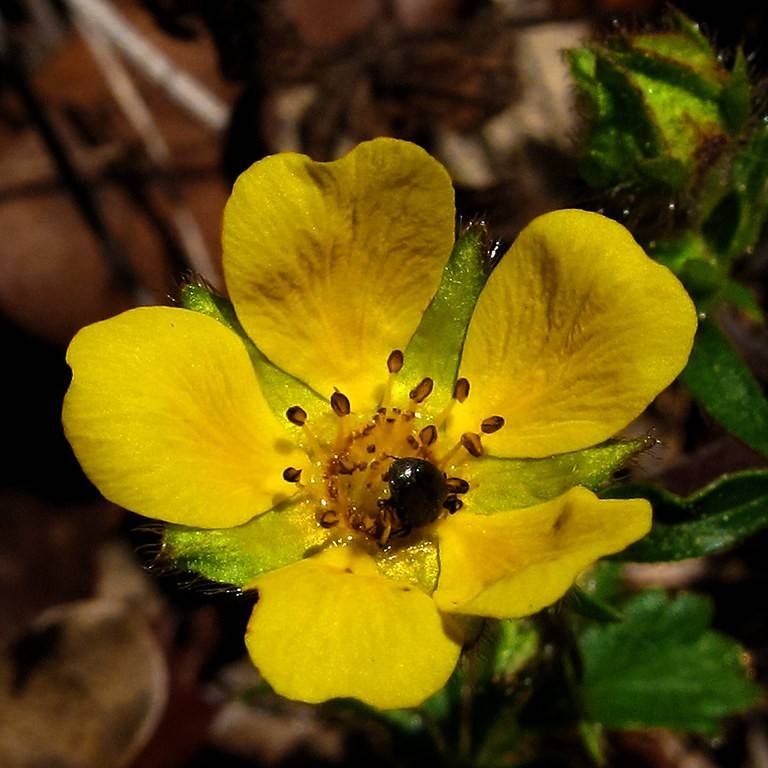
Cinquefoil
Potentilla reptans
Overview
Cinquefoil, also known as creeping cinquefoil, is a mat-forming perennial distinguished by its five-fingered, serrated palmate leaves that resemble strawberry foliage. It produces small, five-petaled bright yellow flowers from late spring to early fall, attracting pollinators like bees and butterflies to garden spaces. Adaptable and vigorous, it thrives in a range of conditions, making it a popular choice for erosion control, rock gardens, and border edges.
Care Guide
Watering
Cinquefoil is drought-tolerant once established, requiring regular watering only during extended dry spells to keep soil lightly moist. Overwatering or saturated soil can lead to root rot, so allow the top 1-2 inches of soil to dry out between waterings. Avoid watering foliage directly to reduce the risk of fungal diseases.
Light
This plant grows best in full sun, which encourages the most abundant flowering and dense, compact growth. It can tolerate partial shade, though flowering may be reduced and stems may become leggy in low-light conditions. Plant in a location that receives at least 6 hours of direct sunlight daily for optimal performance.
Soil
Cinquefoil adapts to a wide range of soil types, including sandy, loamy, and even poor, rocky soils, as long as drainage is excellent. It prefers a neutral to slightly alkaline pH between 6.0 and 7.5, but can tolerate mildly acidic conditions as well. Heavy clay soils should be amended with compost or grit to improve drainage before planting.
Fertilizer
Cinquefoil has low nutrient needs and typically thrives without regular fertilization, especially if planted in moderately fertile soil. A light application of balanced, slow-release fertilizer in early spring can support growth in very poor, nutrient-depleted soils. Avoid over-fertilizing, as this can lead to excessive foliage growth at the expense of flowers.
Temperature
It is hardy in USDA zones 4 through 8, tolerating winter temperatures as low as -30°F (-34°C) when established. It prefers moderate summer temperatures between 60°F and 80°F (15°C to 27°C), and can tolerate short periods of heat above 90°F (32°C) if provided with adequate moisture. Frost and light freezes in early spring or fall do not damage established plants.
Pruning
Pruning is generally minimal for cinquefoil; trim back sprawling stems in early spring to maintain a neat shape and encourage new, bushy growth. Deadhead spent flowers throughout the blooming season to promote continuous flowering and prevent self-seeding if you wish to limit spread. If the plant becomes invasive or overgrown, cut it back to 2 inches above the soil line in late fall or early spring to rejuvenate growth.
Propagation
Cinquefoil is most easily propagated by division in early spring or fall, when you can separate rooted sections of the spreading mat and replant them in prepared soil. It can also be grown from seed sown directly in the garden in early spring, after the last frost date, with seeds germinating in 2-3 weeks under consistent moisture. Stem cuttings taken in summer can also root readily in well-draining potting mix if kept moist and out of direct sun until established.
Humidity
This plant is adaptable to a wide range of humidity levels, tolerating both dry inland air and moderate coastal humidity without issue. It does not require extra humidity, and high humidity combined with poor air circulation can increase the risk of fungal leaf spots. Ensure good air flow around plants in humid climates to prevent disease.
Repotting
Cinquefoil is rarely grown in containers, but if potted, repot every 2-3 years in early spring to refresh the soil and accommodate spreading root growth. Use a well-draining potting mix mixed with perlite or grit to ensure proper drainage, and select a pot with ample drainage holes to prevent waterlogging. Trim back excess roots and sprawling top growth during repotting to keep the plant a manageable size for its container.
Uses & Symbolism
Cinquefoil is widely used as a low-maintenance ground cover for sunny slopes, rock gardens, and border edges, where its spreading habit helps control erosion and suppress weeds. It has a long history of use in traditional herbal medicine, where preparations of the leaves and roots are used topically to treat minor wounds, inflammation, and skin irritations, and internally to soothe digestive issues. Its nectar-rich flowers also support native pollinator populations, making it a valuable addition to wildlife and pollinator gardens.
Diseases & Pests
Cinquefoil is largely pest and disease resistant, though it can occasionally be affected by fungal issues like leaf spot and powdery mildew in humid, poorly ventilated conditions, which can be managed by improving air flow and avoiding overhead watering. Aphids and spider mites may infest stressed plants, particularly in hot, dry weather, and can be controlled with insecticidal soap or neem oil sprays. Root rot can occur in waterlogged, poorly draining soils, so proper site selection with good drainage is critical to prevent this issue.
Related plants
Other plants you might like if you grow Cinquefoil.
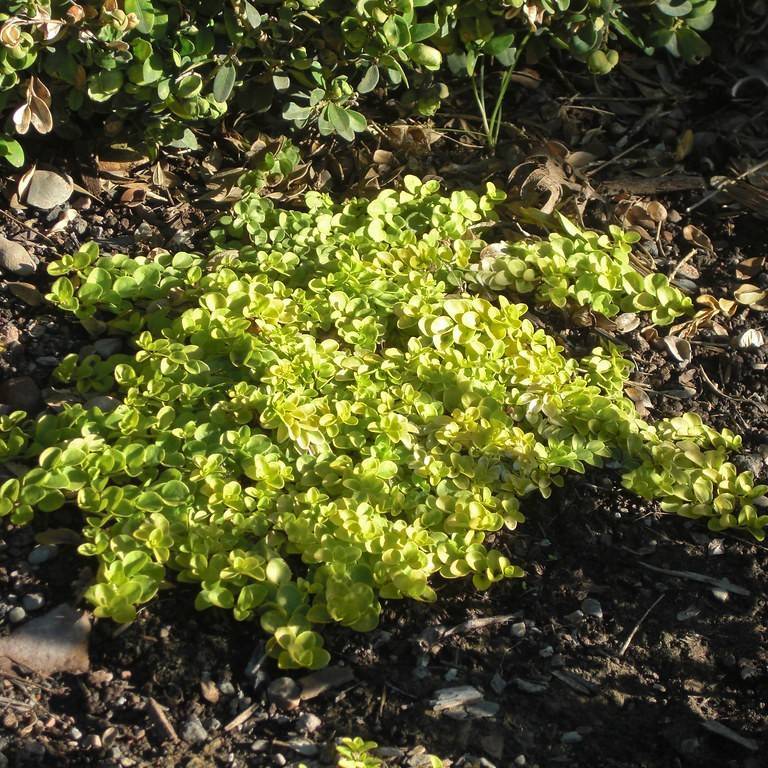
Creeping Speedwell
Veronica filiformis
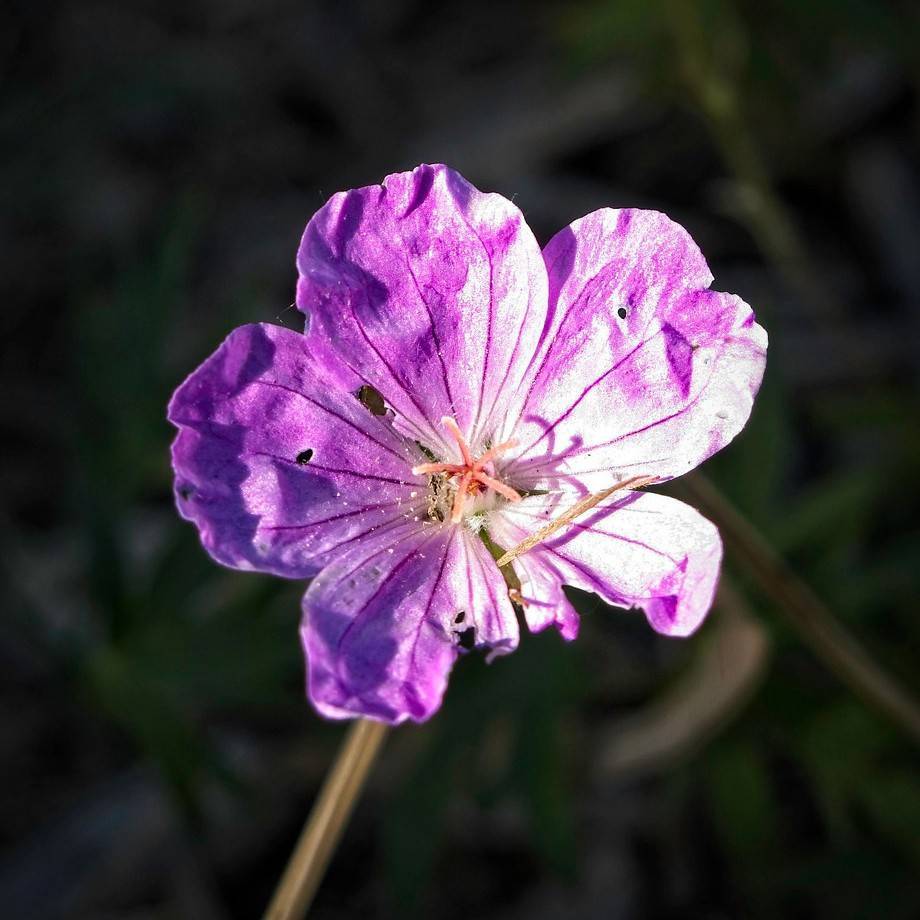
Bloody Cranesbill
Geranium sanguineum
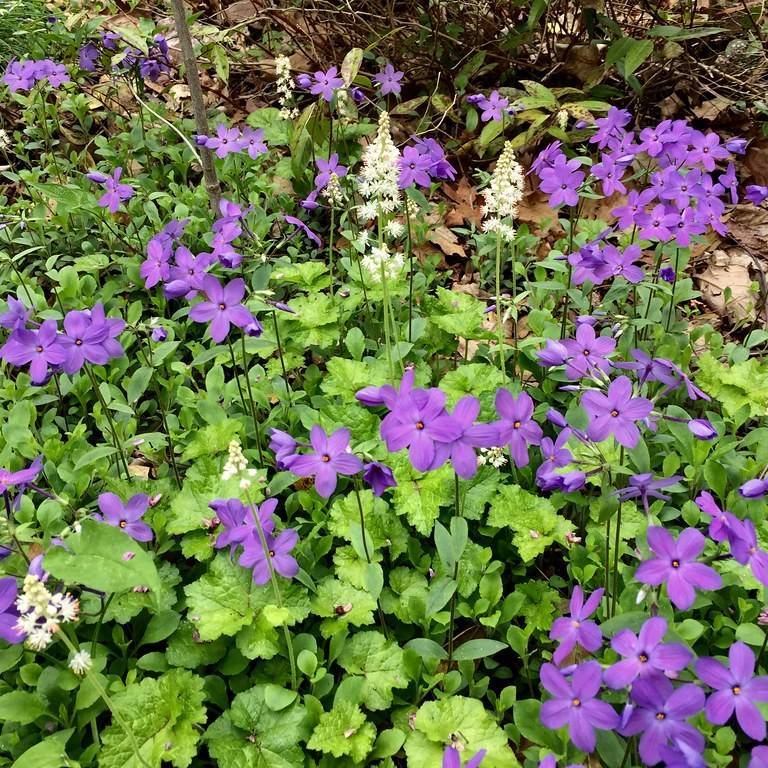
Creeping Phlox
Phlox subulata
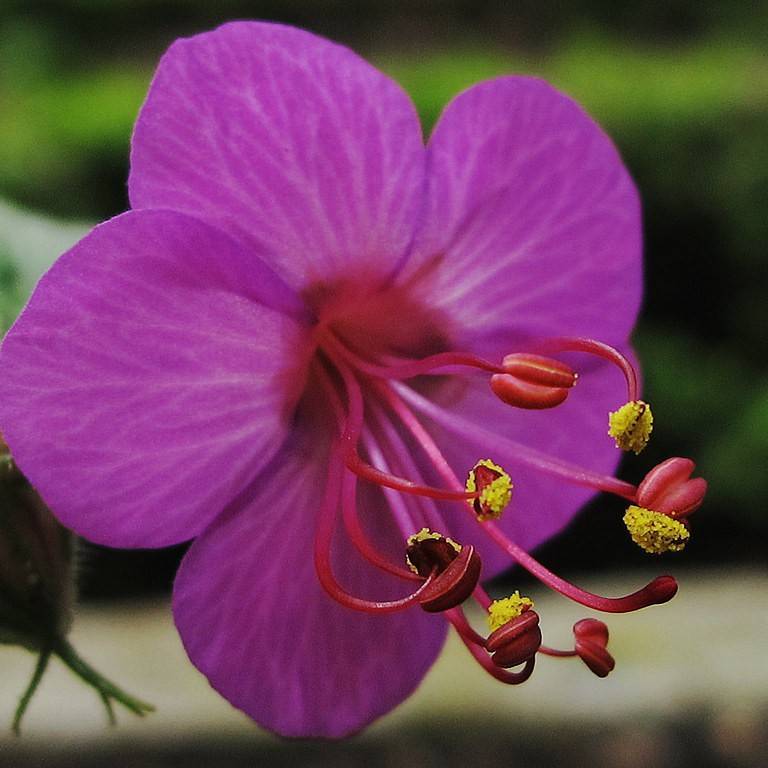
Bigroot Geranium
Geranium macrorrhizum
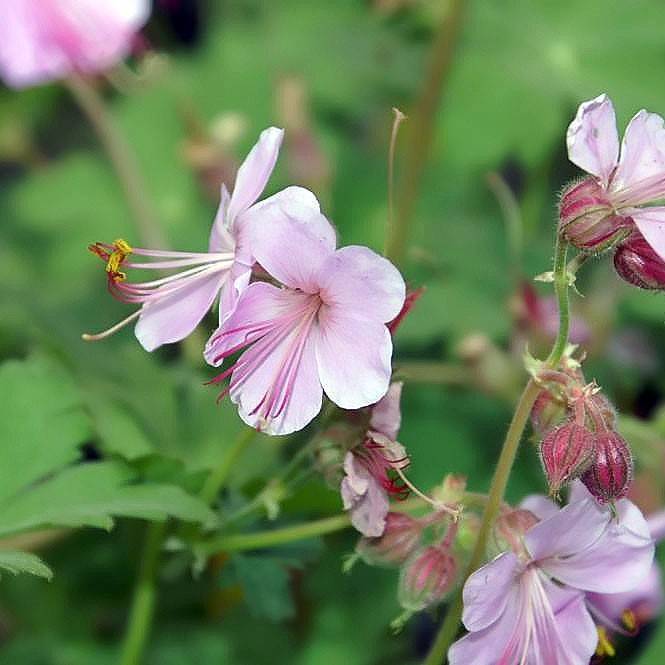
Ingwersen's Variety Bigroot Geranium
Geranium macrorrhizum 'Ingwersen's Variety'
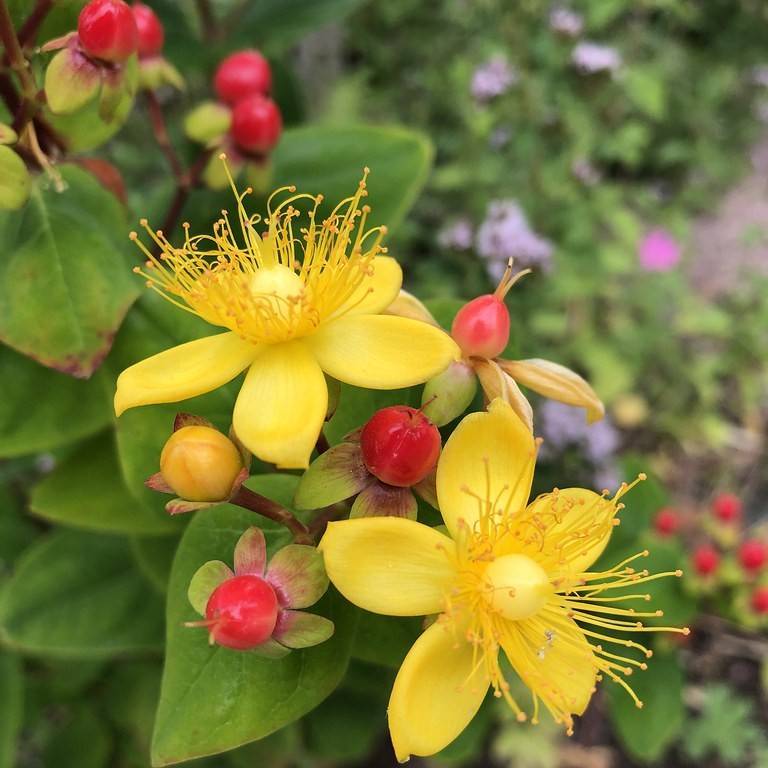
St. John's Wort
Hypericum perforatum
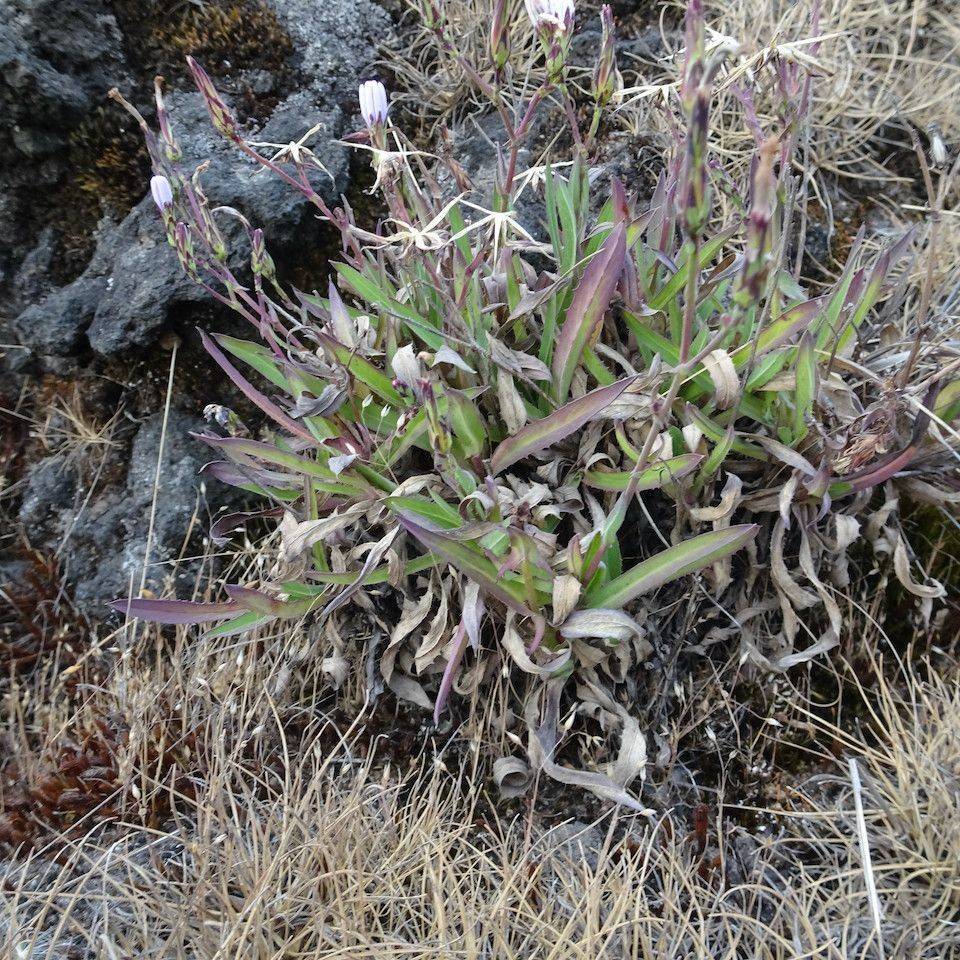
Dropseed Rockcress
Arabis pycnocarpa
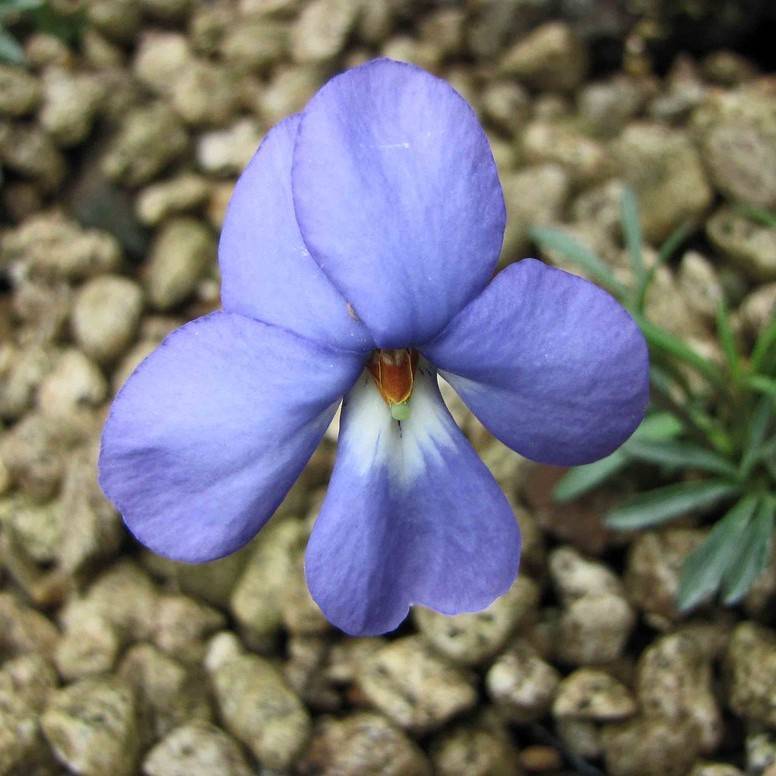
Bird's Foot Violet
Viola pedata