Catmint
Nepeta cataria
Overview
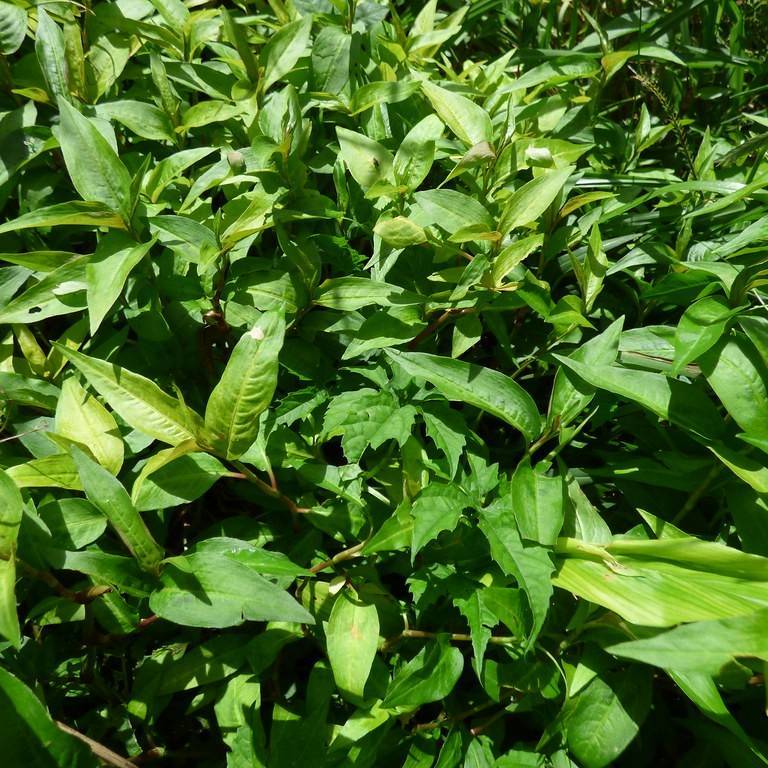
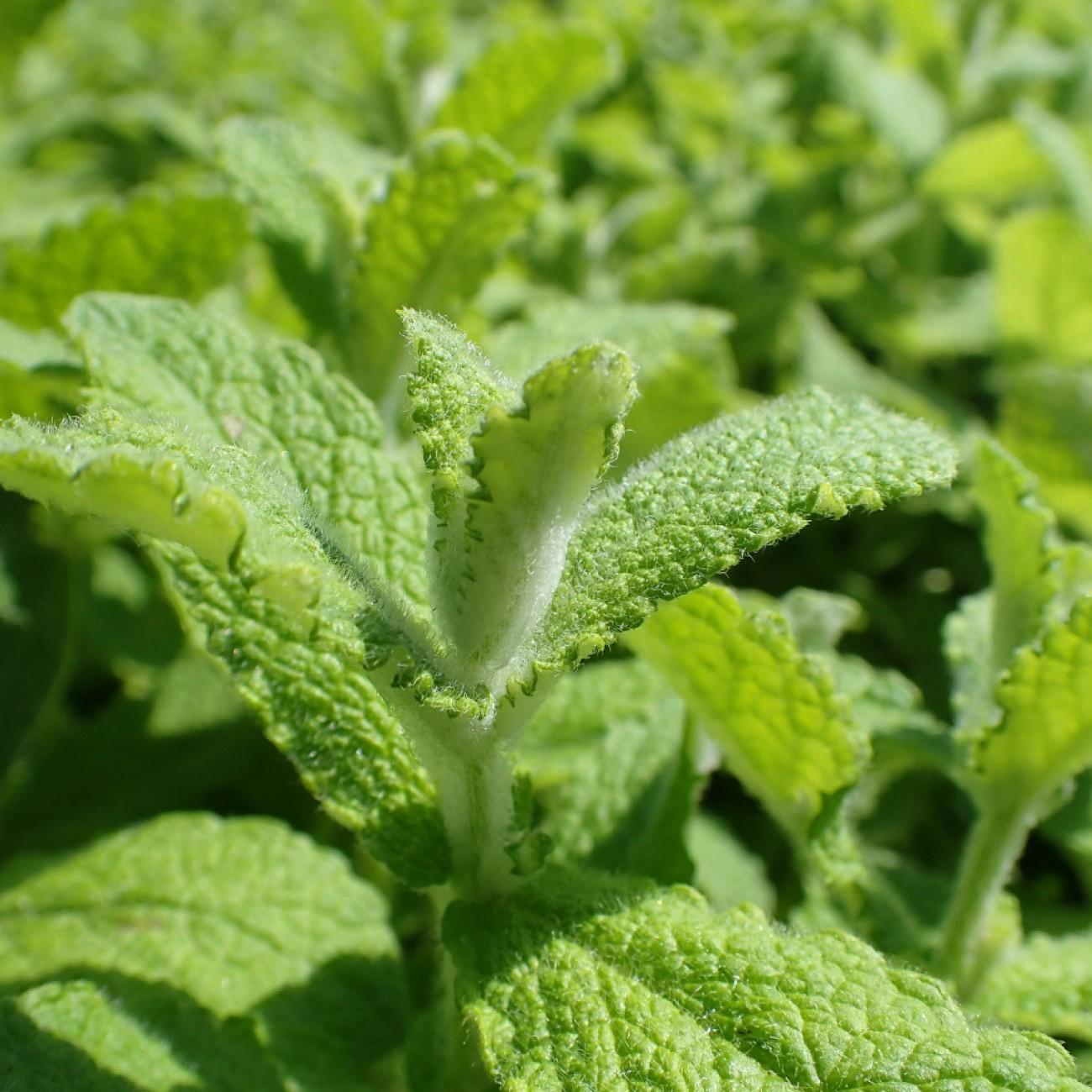
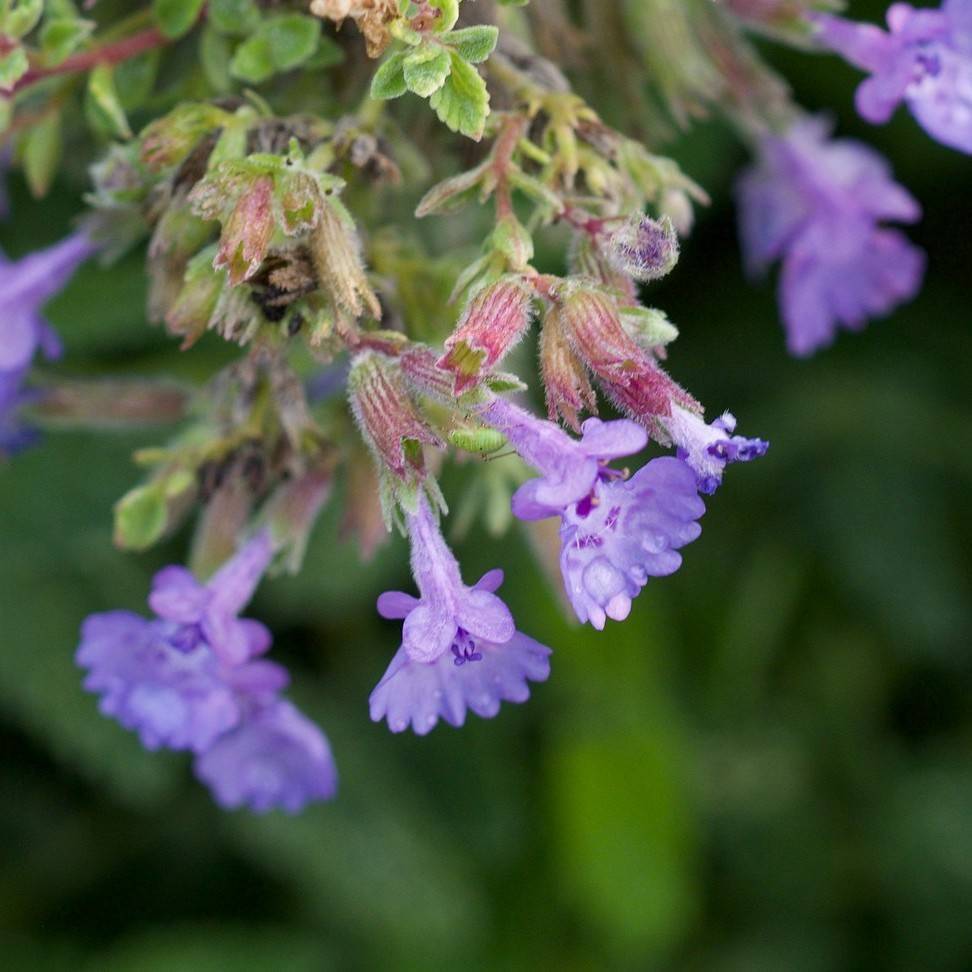
Catmint is a vigorous, clumping herb with soft, gray-green, serrated foliage that emits a sharp, minty aroma when crushed. It produces dense spikes of tiny, tubular lavender-blue flowers from late spring through early fall, attracting pollinators like bees and butterflies to garden spaces. The plant’s signature nepetalactone compound triggers a euphoric response in most domestic cats, who often roll in, chew, or rub against its foliage.
Care Guide
Watering
Catmint is highly drought-tolerant once established, requiring only occasional deep watering during prolonged dry spells. Overwatering, especially in heavy, poorly draining soil, can lead to root rot, so allow the top 2 to 3 inches of soil to dry out completely between waterings. Newly planted catmint needs regular, light watering for the first 2 to 3 weeks to support root establishment.
Light
Catmint thrives in full sun, requiring at least 6 hours of direct, unfiltered sunlight daily to produce dense foliage and abundant blooms. It can tolerate partial shade, but plants grown in shadier conditions will become leggy, produce fewer flowers, and be more prone to flopping. In regions with intense, scorching summer heat, a small amount of afternoon shade can prevent leaf scorch without impacting growth significantly.
Soil
Catmint adapts to a wide range of soil types, including poor, rocky, or sandy soils, as long as the medium has excellent drainage. It prefers a slightly alkaline to neutral soil pH between 6.1 and 7.8, and will struggle in heavy clay soils that hold excess moisture. Amending heavy soils with coarse sand or gravel at planting time improves drainage enough to support healthy growth.
Fertilizer
Catmint is a light feeder that rarely requires supplemental fertilization, even in poor soil conditions. Over-fertilizing, particularly with high-nitrogen formulas, leads to excessive, leggy foliage growth at the expense of flowers and reduced aromatic oil production. A light application of balanced, slow-release organic fertilizer in early spring is only necessary for plants growing in extremely nutrient-depleted soils.
Temperature
Catmint is cold-hardy in USDA zones 3 through 9, tolerating winter temperatures as low as -40°F (-40°C) when established. It thrives in average summer temperatures between 60°F and 85°F (15°C to 29°C), and can withstand short periods of heat above 90°F (32°C) if provided with adequate drainage and occasional watering. Extended periods of high humidity combined with cool temperatures increase the risk of foliar fungal diseases.
Pruning
Shear catmint back by one-half to two-thirds after its first flush of summer blooms fades to encourage a second, denser round of flowering later in the season and prevent the plant from self-seeding excessively. Cut the entire plant back to 2 to 3 inches above the soil line in late fall or early spring to remove dead, woody growth and promote fresh, vigorous new foliage. Regularly trim back any leggy or floppy stems during the growing season to maintain a neat, compact clump shape.
Propagation
Catmint is most easily propagated through stem cuttings taken in late spring or early summer, when 4 to 6 inch semi-ripe cuttings root quickly in moist, well-draining potting mix with minimal rooting hormone. It can also be propagated by dividing mature clumps every 3 to 4 years in early spring or fall, separating the root ball into smaller sections each with several healthy growth points and replanting immediately. While catmint grows readily from seed, seeds require a 2 to 4 week cold stratification period to germinate, and seed-grown plants may not retain the exact characteristics of the parent cultivar.
Humidity
Catmint prefers low to moderate humidity levels between 30% and 50%, and is well-adapted to dry air conditions common in many temperate regions. High humidity above 60%, especially when paired with poor air circulation, increases the risk of powdery mildew and other foliar fungal diseases on the plant’s soft foliage. Indoor-grown catmint benefits from occasional air circulation via a small fan to reduce excess moisture around the leaves in humid environments.
Repotting
Container-grown catmint should be repotted every 1 to 2 years in early spring, before new growth emerges, to refresh the soil and prevent the plant from becoming root-bound. Choose a pot that is 1 to 2 inches larger in diameter than the current container, with multiple drainage holes to prevent standing water, and use a well-draining, sandy potting mix amended with perlite or coarse gravel. When repotting, gently loosen tangled roots and trim away any rotted or damaged root sections before placing the plant in the new container and watering lightly.
Uses & Symbolism
Catmint is widely planted in herb gardens, pollinator gardens, and rock gardens for its long-lasting blooms, drought tolerance, and ability to repel common garden pests like aphids and Japanese beetles. Its dried foliage is commonly used to make cat toys and calming herbal teas for human consumption, while fresh leaves can be used as a mild mint substitute in recipes. It is also used as a low, informal edging plant in landscape designs, as its spreading growth habit suppresses weeds and requires minimal maintenance.
Diseases & Pests
Catmint is relatively pest and disease resistant, but can develop powdery mildew on its foliage in humid, poorly ventilated conditions, presenting as a white, powdery coating on leaves that can be prevented by spacing plants properly to improve air circulation. Overwatering or poorly draining soil can cause root rot, a fungal condition that leads to yellowing, wilting foliage and eventual plant death if not addressed by improving drainage and reducing watering frequency. Spider mites and aphids may occasionally infest stressed plants, and can be controlled with a strong spray of water or applications of insecticidal soap.
Related plants
Other plants you might like if you grow Catmint.