Cuban Oregano
Coleus amboinicus
Overview
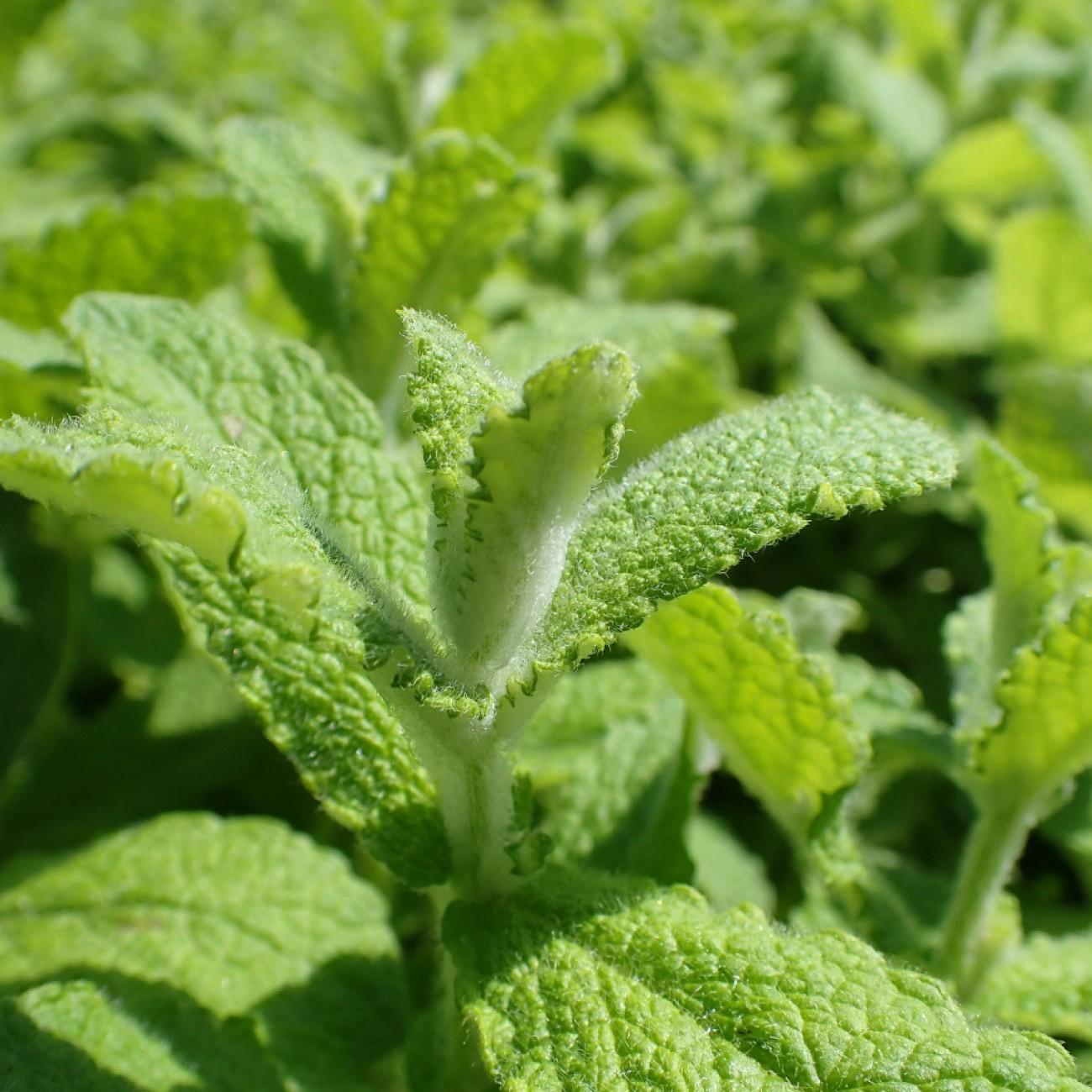
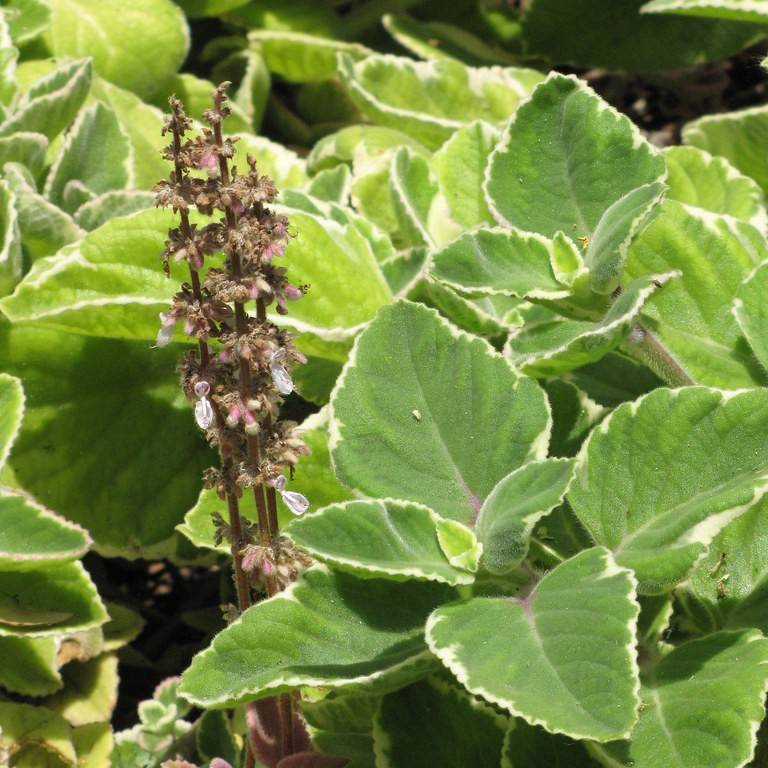
Cuban oregano, also called Mexican mint or Spanish thyme, is a fleshy, fuzzy-leaved herb with serrated, bright green leaves that release a pungent, camphoraceous aroma when crushed. Though its name references oregano, it is not related to true oregano (Origanum vulgare) and is instead a member of the mint family, identifiable by its square stems and opposite leaf arrangement. It is widely cultivated in tropical and subtropical regions around the world, often grown as a potted houseplant in cooler climates where it cannot survive frost.
Care Guide
Watering
Allow the top 1 to 2 inches of soil to dry out completely between waterings, as overwatering can quickly lead to root rot in this succulent-like herb. Reduce watering frequency significantly during the winter months when plant growth slows. Avoid wetting the fuzzy leaves directly to prevent fungal spotting.
Light
Cuban oregano thrives in bright, indirect light, though it can tolerate 2 to 3 hours of direct morning sun daily. Indoor plants should be placed near a south or west-facing window to receive sufficient light, while outdoor plants benefit from partial shade during intense midday sun to prevent leaf scorch. Insufficient light will lead to leggy, sparse growth and reduced flavor intensity.
Soil
Plant in well-draining, light, loamy soil with a pH between 6.0 and 7.5 for optimal growth. A standard cactus or succulent potting mix amended with a small amount of compost works well for potted specimens, as it provides adequate drainage to prevent waterlogged roots. Heavy, clay-heavy soils should be avoided, as they retain too much moisture and increase rot risk.
Fertilizer
Feed Cuban oregano with a balanced, water-soluble fertilizer diluted to half strength once every 4 to 6 weeks during the active growing season from spring to early fall. Avoid over-fertilizing, as excess nitrogen will reduce the aromatic oil content of the leaves, diminishing their flavor and scent. Do not fertilize during the winter dormant period, as this can promote weak, leggy growth.
Temperature
This tropical herb prefers consistent warm temperatures between 60 and 85°F (15 and 29°C for optimal growth. It is highly frost-sensitive, and temperatures below 50°F (10°C) will cause leaf drop and potentially kill the plant, so outdoor plants should be brought indoors before the first frost of the season. Indoor plants should be kept away from cold drafts from windows and heating vents to prevent stress.
Pruning
Pinch back stem tips regularly during the growing season to encourage bushier, more compact growth and prevent legginess. Remove any yellowed, damaged, or diseased leaves as they appear to maintain plant health and improve air circulation. Harvest leaves as needed for culinary use, taking no more than one-third of the plant’s growth at a time to avoid stunting growth.
Propagation
Cuban oregano is most easily propagated from 4 to 6 inch long stem cuttings taken in spring or summer. Remove the lower leaves from the cutting, place it in a glass of water or moist well-draining potting mix, and keep it in bright, indirect light until roots form in 1 to 2 weeks. Once roots are established, transplant the cutting into its permanent potting mix and care for it as a mature plant.
Humidity
Cuban oregano adapts well to average household humidity levels between 40 to 60%, making it an excellent for indoor growing. It does not require extra humidity, though very dry air can cause leaf edges to brown, so occasional misting during extremely dry conditions is beneficial. Avoid high humidity combined with poor air circulation can increase the risk of fungal leaf diseases, so ensure proper ventilation around the plant.
Repotting
Repot Cuban oregano every 1 to 2 years in spring, or when roots begin to grow out of the drainage holes of its current pot. Choose a pot that is 1 to 2 inches larger in diameter than the current one, with adequate drainage holes to prevent waterlogging. Refresh the potting mix during repotting to provide fresh nutrients, and avoid overpotting as excess soil can hold too much moisture and cause root rot.
Uses & Symbolism
Cuban oregano is widely used in Caribbean, Latin American, and South Asian cuisines, where its strong, slightly bitter, oregano-like flavor is used to season meats, soups, stews, and bean dishes, often as a substitute for true oregano. It is also grown as an ornamental houseplant, valued for its attractive, fuzzy foliage and trailing growth habit that works well in hanging baskets. In traditional medicine, it has been used to treat minor respiratory ailments, skin irritations, and digestive issues, though clinical evidence for these uses is limited.
Diseases & Pests
Common pests affecting Cuban oregano include spider mites, aphids, and mealybugs, which can be controlled with regular neem oil applications or insecticidal soap, especially on the undersides of leaves where pests often hide. Overwatering and poor drainage are the most common causes of root rot, which can be prevented by allowing the soil to dry out between waterings and using well-draining potting mix. Fungal leaf spots can occur if foliage remains wet for extended periods, so avoid overhead watering should be avoided and ensure good air circulation around the plant.
Related plants
Other plants you might like if you grow Cuban Oregano.