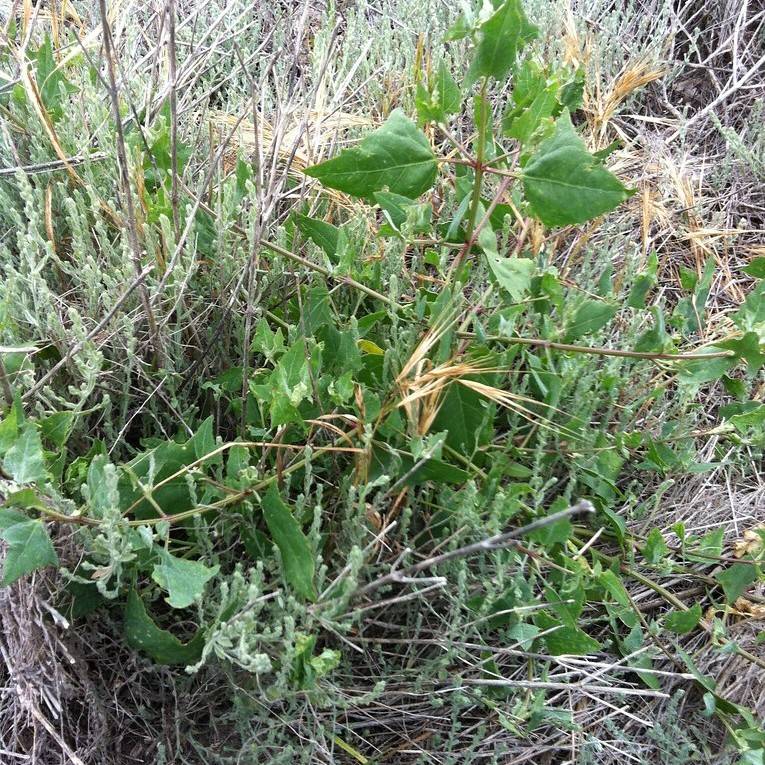
Creeping Saltbush
Atriplex prostrata
Overview
Creeping saltbush is a mat-forming, drought-tough succulent shrub distinguished by its small, triangular, silvery-scaled leaves that reflect harsh sunlight to reduce water loss. It thrives in saline, poor-quality soils where most other plants fail, making it a staple of coastal dune, salt marsh, and arid inland restoration projects. Both male and female flowers are small, green, and unremarkable, with female plants producing tiny, encrusted seed pods that disperse easily via wind and water.
Care Guide
Watering
Creeping saltbush is extremely drought-tolerant once established, requiring only occasional deep watering during prolonged dry spells; overwatering, especially in poorly drained soil, will quickly cause root rot. Newly planted specimens need regular light watering for the first 2 to 3 months to help roots establish, after which natural rainfall is usually sufficient in most temperate coastal regions. Avoid wetting the foliage when watering to minimize the risk of fungal leaf spot.
Light
This species requires full, direct sunlight for at least 6 hours per day to maintain its compact growth habit and vibrant silvery foliage color. It will tolerate very light, dappled shade for short periods, but extended shade will cause leggy, sparse growth and reduced leaf production. It adapts well to intense reflected sunlight from paved areas or coastal sand, making it ideal for hot, exposed landscape spots.
Soil
Creeping saltbush tolerates an exceptionally wide range of soil types, including sandy, loamy, clay, and highly saline or alkaline soils, with a preferred pH range of 6.0 to 8.5. The only critical soil requirement is excellent drainage, as standing water will quickly kill the plant’s shallow root system. It thrives in nutrient-poor, unamended soils and does not require organic matter addition to grow well.
Fertilizer
This plant is adapted to low-nutrient soils and rarely requires fertilization; overfertilization will cause soft, leggy growth and reduce its drought and salt tolerance. If grown in a container, apply a balanced, slow-release 10-10-10 fertilizer at half the recommended rate once per year in early spring to support healthy foliage growth. Avoid high-nitrogen fertilizers, as they promote excessive leaf growth at the expense of the plant’s natural compact habit.
Temperature
Creeping saltbush grows best in temperate climates with average temperatures between 50 and 85°F (10 and 29°C), and is hardy down to 15°F (-9°C) when established. It tolerates extreme summer heat, including consistent temperatures above 100°F (38°C), as long as it is not overwatered during hot periods. Frost will damage top growth in cooler zones, but plants will regrow from the root crown in spring if temperatures do not drop below the plant’s minimum hardiness threshold.
Pruning
Prune creeping saltbush once per year in late winter or early spring to remove dead, damaged, or leggy growth, and to maintain its desired spreading shape. Light shearing of the entire plant by up to one-third of its height will encourage dense, bushy new growth and prevent the center of the mat from becoming bare over time. Remove any seed heads if you wish to prevent self-seeding, as this plant can spread aggressively in favorable conditions.
Propagation
Creeping saltbush is most easily propagated via stem cuttings taken in late spring or early summer; take 3 to 4 inch (7-10 cm) semi-hardwood cuttings, remove lower leaves, and plant in well-drained sandy soil, where they will root in 3 to 4 weeks with minimal care. It can also be grown from seed sown directly outdoors in early spring after the last frost; seeds require light to germinate, so press them lightly into the soil surface rather than covering them. Established plants will often self-layer, where stems touching the soil develop roots, and these rooted sections can be carefully dug up and transplanted to new locations.
Humidity
This species tolerates a wide range of humidity levels, from arid inland conditions to the high salt-laden humidity of coastal environments, with no special requirements. It is highly resistant to salt spray, making it an ideal choice for landscapes within a few hundred feet of the ocean where most other plants suffer foliage burn. Excessively high humidity combined with poor air circulation can increase the risk of fungal leaf diseases, so space plants 2 to 3 feet apart to allow for airflow.
Repotting
If grown in containers, repot creeping saltbush every 2 to 3 years in early spring, moving it to a pot only one size larger than the current one to avoid excess soil moisture retention. Use a well-drained cactus or succulent potting mix, and add a layer of gravel at the bottom of the pot to improve drainage further. Trim back any rotted or circling roots during repotting, and avoid watering for the first week after transplanting to allow root damage to heal.
Uses & Symbolism
Creeping saltbush is widely used as a low-maintenance groundcover for coastal landscapes, roadside plantings, and erosion control on sandy slopes and dunes, as its dense mat of roots holds soil in place even in windy, saline conditions. Its young, tender leaves are edible, with a salty, slightly tangy flavor, and can be eaten raw in salads, cooked as a spinach substitute, or used as a seasoning to add saltiness to dishes. It is also planted in rain gardens and bioswales designed to treat saline runoff from roads and coastal developments, as it absorbs excess salt and nutrients from contaminated soil and water.
Diseases & Pests
Creeping saltbush is largely pest and disease resistant, with root rot caused by overwatering or poorly drained soil being the most common issue affecting cultivated plants. It may occasionally be affected by fungal leaf spot in high-humidity, low-airflow conditions, which can be treated by removing affected foliage and improving spacing between plants to increase air circulation. Aphids and spider mites may infest stressed plants, but these can be controlled with a strong spray of water or insecticidal soap, with severe infestations rarely occurring in healthy, outdoor specimens.
Related plants
Other plants you might like if you grow Creeping Saltbush.
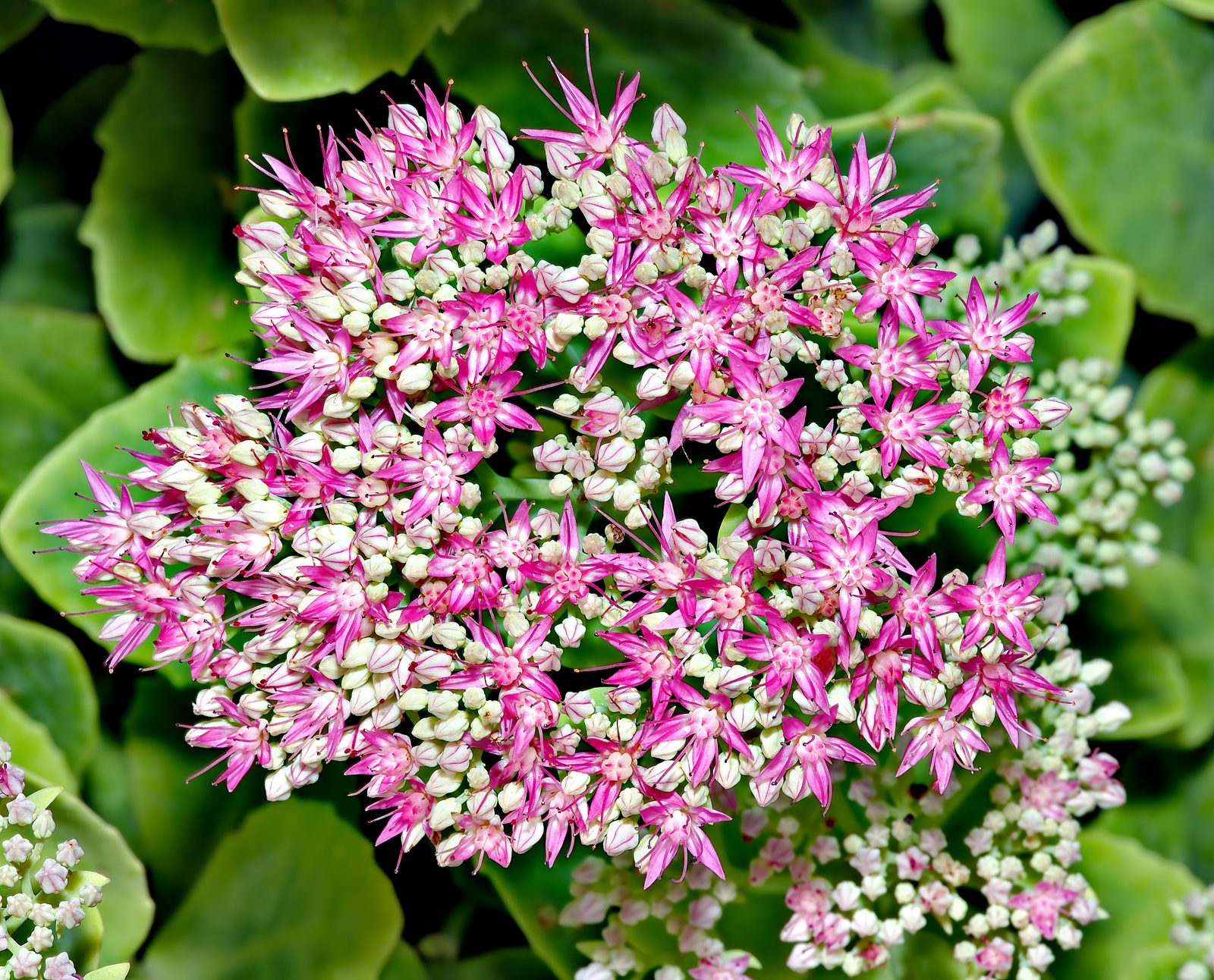
Hylotelephium
Hylotelephium spp.
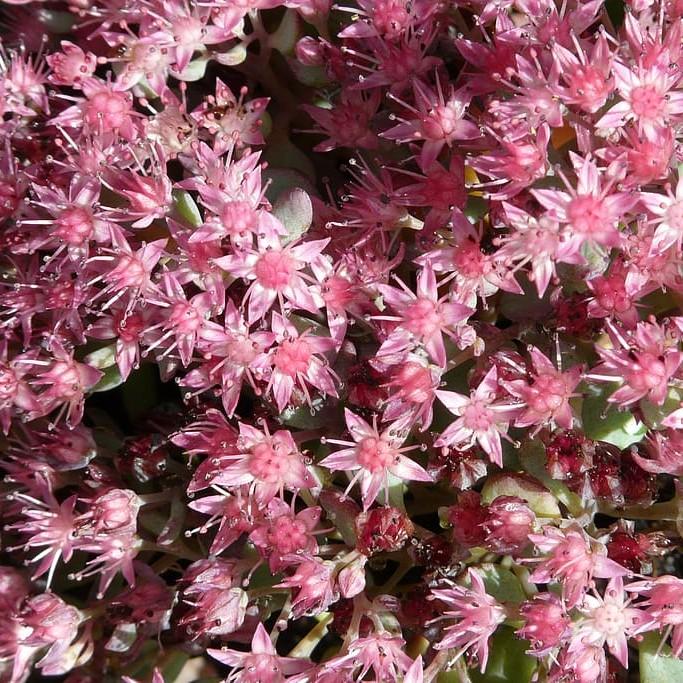
Autumn Stonecrop
Hylotelephium spectabile
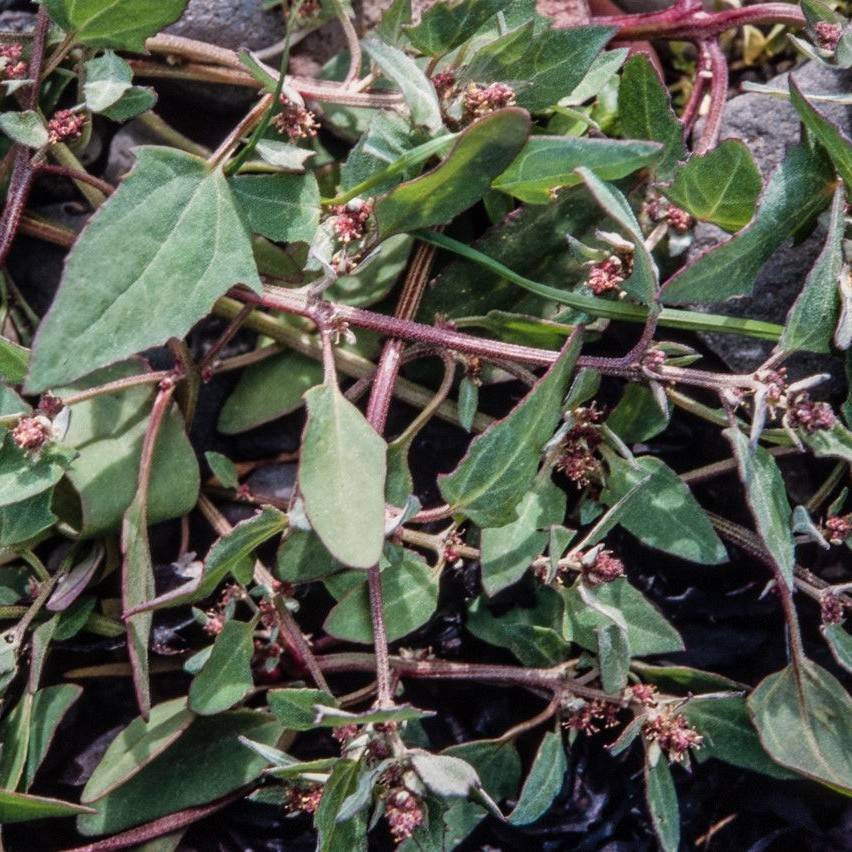
Acadian Saltbush
Atriplex glabriuscula
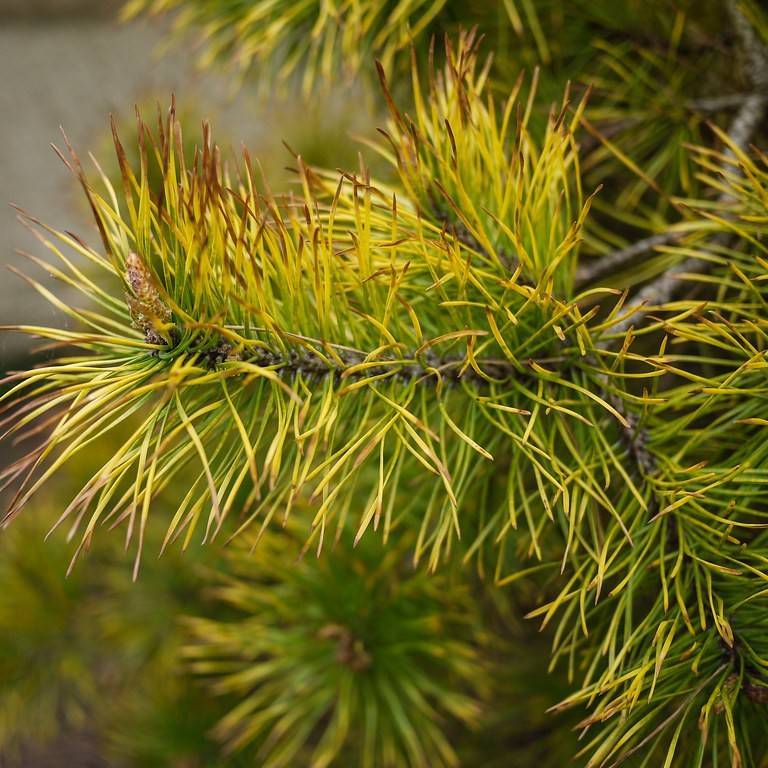
Beach Pine
Pinus contorta var. contorta
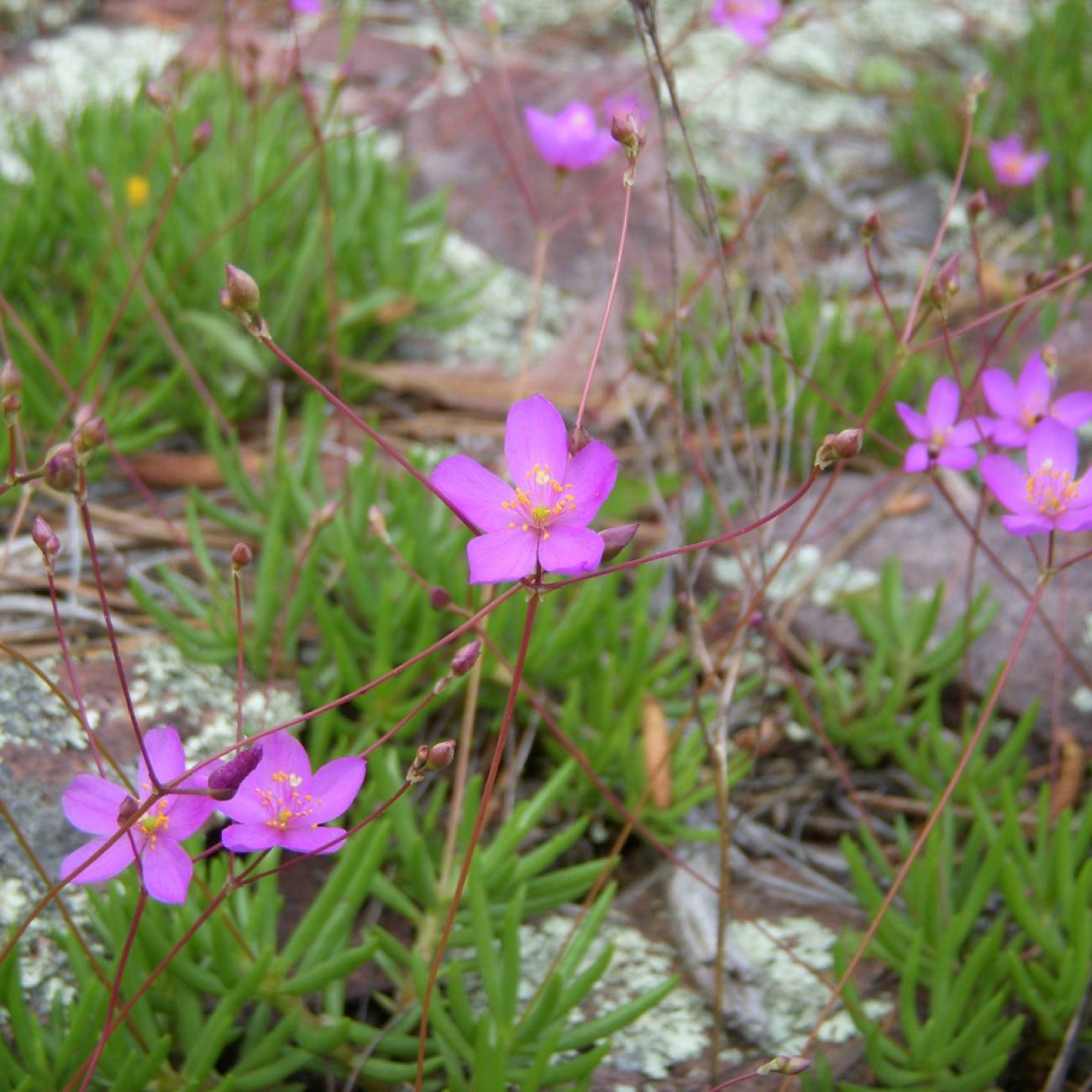
Fameflower
Phemeranthus calycinus
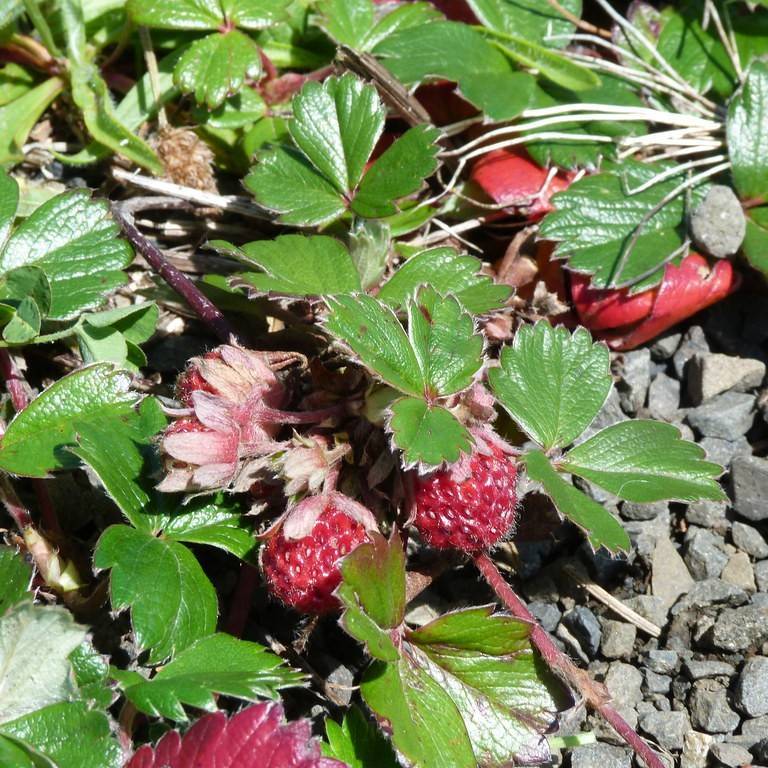
Coastal Strawberry
Fragaria chiloensis
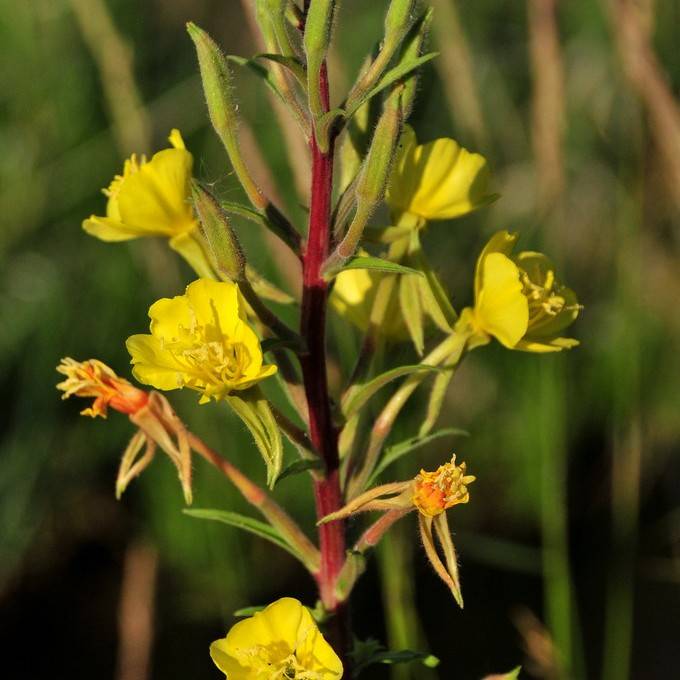
Dwarf Evening Primrose
Oenothera macrocarpa subsp. incana
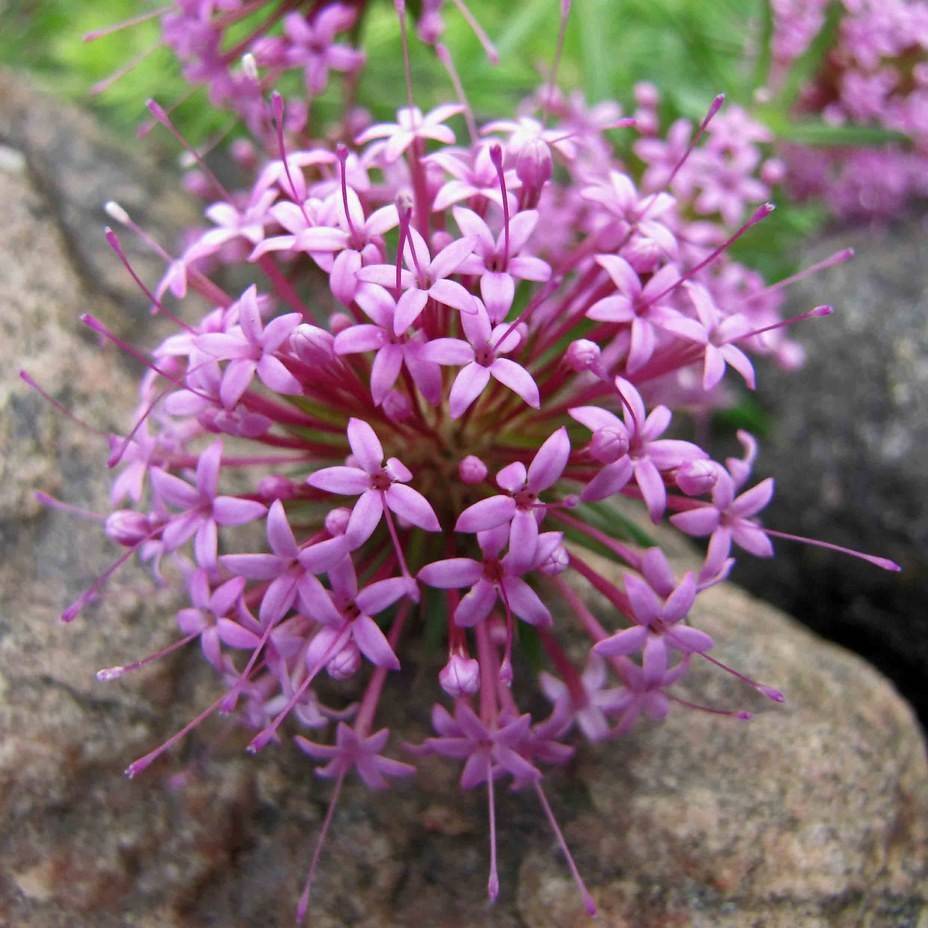
Caucasian Crosswort
Phuopsis stylosa