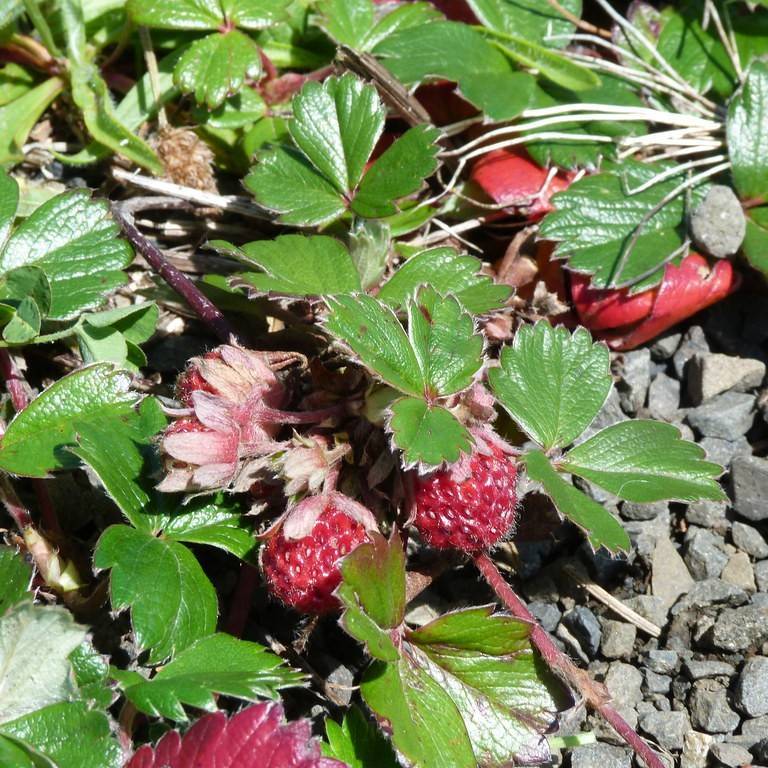
Coastal Strawberry
Fragaria chiloensis
Overview
Coastal strawberry is a trailing evergreen perennial adapted to sandy, well-drained coastal habitats, with glossy, dark green trifoliate leaves that have slightly serrated edges. It blooms in spring with small, five-petaled white flowers that give way to small, round, bright red strawberries with a rich, sweet flavor far more intense than common garden strawberry varieties. This species is one of the two parent plants of the widely cultivated commercial garden strawberry (Fragaria × ananassa), paired with the Virginia strawberry (Fragaria virginiana).
Care Guide
Watering
Water coastal strawberry regularly during the first growing season to establish a deep, extensive root system, keeping soil consistently moist but not waterlogged. Once established, it is highly drought-tolerant, requiring only occasional supplemental watering during extended dry periods, as overwatering can cause root rot. Avoid overhead watering to reduce the risk of fungal leaf diseases, directing water at the base of the plant instead.
Light
Thrives in full sun to partial shade, with full sun exposure yielding the heaviest flower and fruit production in most climates. In extremely hot, inland regions, provide light afternoon shade to prevent leaf scorch and reduce water stress. Too much deep shade will reduce flowering and fruiting, leading to sparse, leggy growth.
Soil
Prefers well-drained, sandy or loamy soil with a slightly acidic pH between 5.5 and 6.5, though it is highly adaptable to a wide range of soil types including poor, rocky coastal soils as long as drainage is good. Avoid heavy, compacted clay soils that retain excess moisture, as this can lead to root rot. Amending heavy soil with compost or coarse sand before planting will improve drainage and support healthier growth.
Fertilizer
Apply a balanced, slow-release 10-10-10 fertilizer in early spring just as new growth emerges, using a light application to avoid overfertilization which promotes excessive foliage growth at the expense of fruit production. If grown in nutrient-poor soil, a second light application can be made after fruiting finishes in late summer. Organic growers can use compost or well-rotted manure as a nutrient-rich alternative to synthetic fertilizers, worked into the top layer of soil around plants annually.
Temperature
Adaptable to USDA hardiness zones 4 through 9, tolerating winter temperatures as low as -30°F (-34°C) when established, and thriving in cool coastal summer conditions between 60°F and 75°F (15°C to 24°C). It can tolerate short periods of higher temperatures up to 90°F (32°C) if provided with adequate moisture and partial shade. In areas with harsh winter conditions, a 2-3 inch layer of straw mulch over plants will protect roots from extreme cold and prevent frost heave.
Pruning
Trim back any dead, damaged, or yellowing leaves in late winter or early spring to encourage fresh new growth and improve air circulation around the plant. To control spread and prevent overcrowding, remove excess runners as they form throughout the growing season, especially if growing in a contained garden bed or container. After fruiting finishes, you can mow or cut back the entire planting to 2-3 inches tall to rejuvenate foliage and reduce pest and disease buildup for the following season.
Propagation
Coastal strawberry is most easily propagated by rooting the long, trailing runners it produces throughout the growing season, which form new plantlets at their nodes when they come into contact with moist soil. Peg down runner tips in small pots of potting mix while still attached to the parent plant, severing the connecting runner once the new plant has developed a strong root system after 4-6 weeks. It can also be grown from seed, though seed-grown plants may take 2-3 years to produce fruit, and may not retain the exact characteristics of the parent plant.
Humidity
Tolerates a wide range of humidity levels, thriving naturally in the moderate to high humidity of coastal environments, with humidity levels between 50% and 80% being ideal. It can adapt to lower humidity levels in inland gardens as long as it receives adequate moisture. Excessively high humidity combined with poor air circulation can increase the risk of fungal diseases, so space plants appropriately to allow for good airflow.
Repotting
If grown in containers, repot coastal strawberry every 2-3 years in early spring before new growth begins, using a well-drained potting mix formulated for berries or acid-loving plants. Choose a container that is at least 12 inches wide and has multiple drainage holes to prevent waterlogging, as this species spreads quickly via runners. When repotting, divide overcrowded clumps into smaller sections to refresh the planting and encourage better fruit production.
Uses & Symbolism
Coastal strawberry is widely used as a low-maintenance, erosion-controlling ground cover for coastal gardens, slopes, and native plant landscapes, as its dense trailing foliage suppresses weeds and holds soil in place. Its sweet, flavorful edible berries are eaten fresh, used in jams, preserves, and baked goods, or left as a food source for birds, bees, and other native wildlife. It is also planted as an ornamental edging plant for garden beds, rock gardens, and container planters, valued for its attractive evergreen foliage and delicate white spring flowers.
Diseases & Pests
Coastal strawberry is relatively pest and disease resistant compared to common garden strawberries, though it can occasionally be affected by fungal diseases such as powdery mildew, leaf spot, and gray mold, particularly in humid conditions with poor air circulation. Common pests include aphids, spider mites, slugs, and snails, which feed on foliage and ripe fruit, and strawberry root weevils, whose larvae damage root systems in heavy, moist soils. Providing good air circulation, avoiding overhead watering, and removing infected foliage promptly will prevent most disease issues, while organic pest controls such as diatomaceous earth, neem oil, and beer traps can effectively manage common pests without harming beneficial insects.
Related plants
Other plants you might like if you grow Coastal Strawberry.
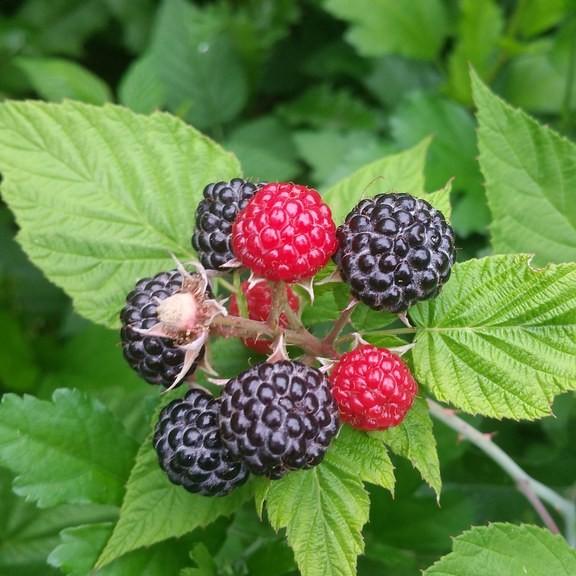
Black Raspberry
Rubus occidentalis
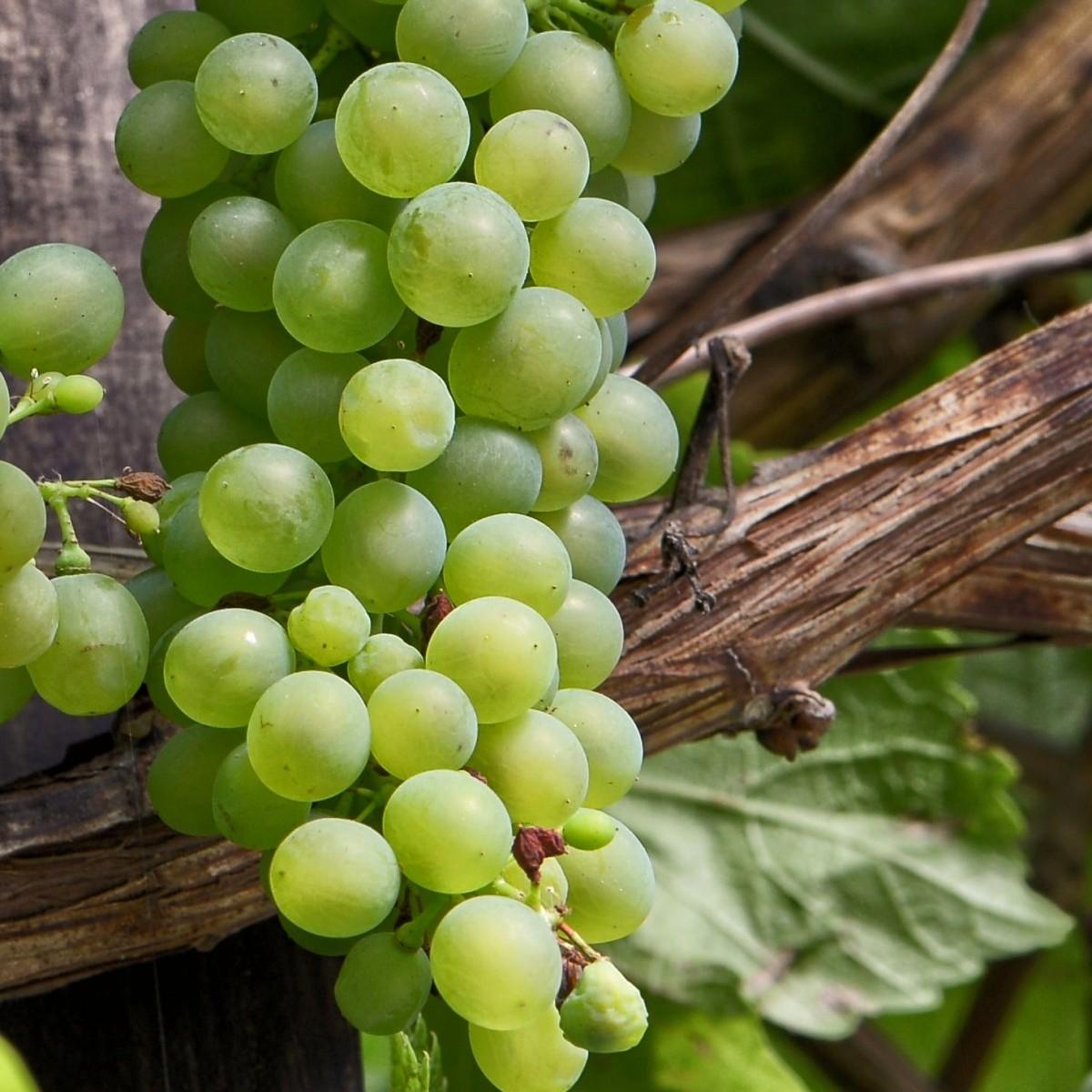
Grape
Vitis vinifera
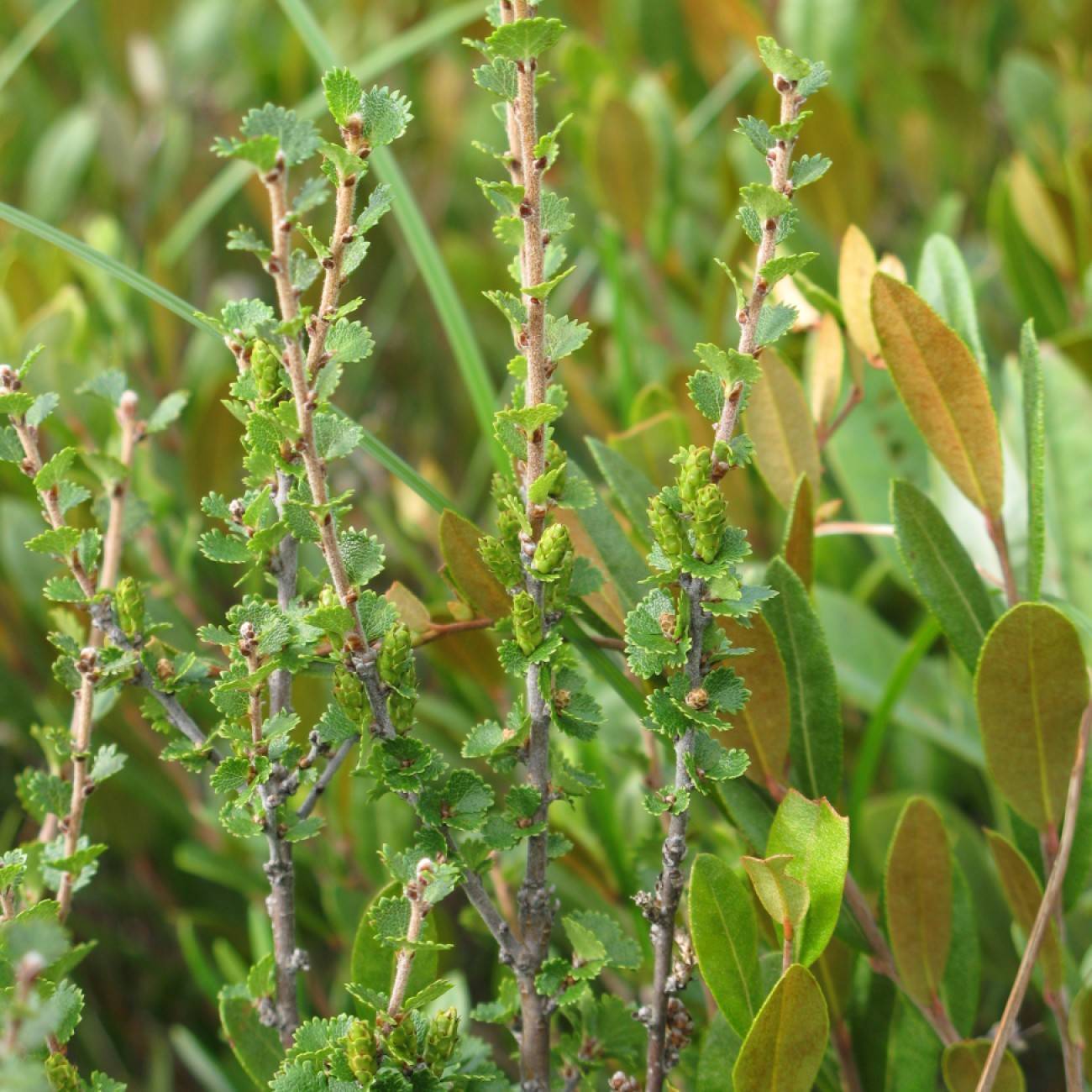
Dwarf Hybrid Blueberry
Vaccinium michauxii × Vaccinium pumilum var. pumilum
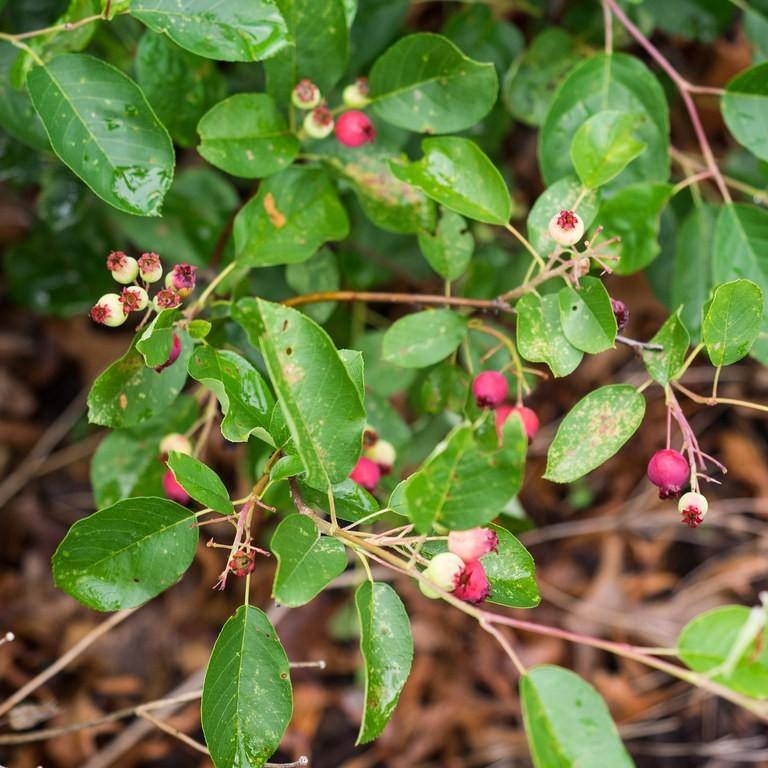
alder-leaved serviceberry
Amelanchier alnifolia 'Regent'
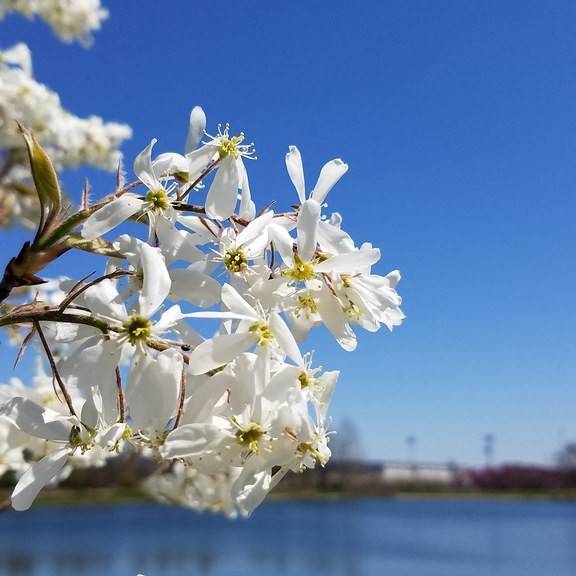
Allegheny serviceberry
Amelanchier laevis
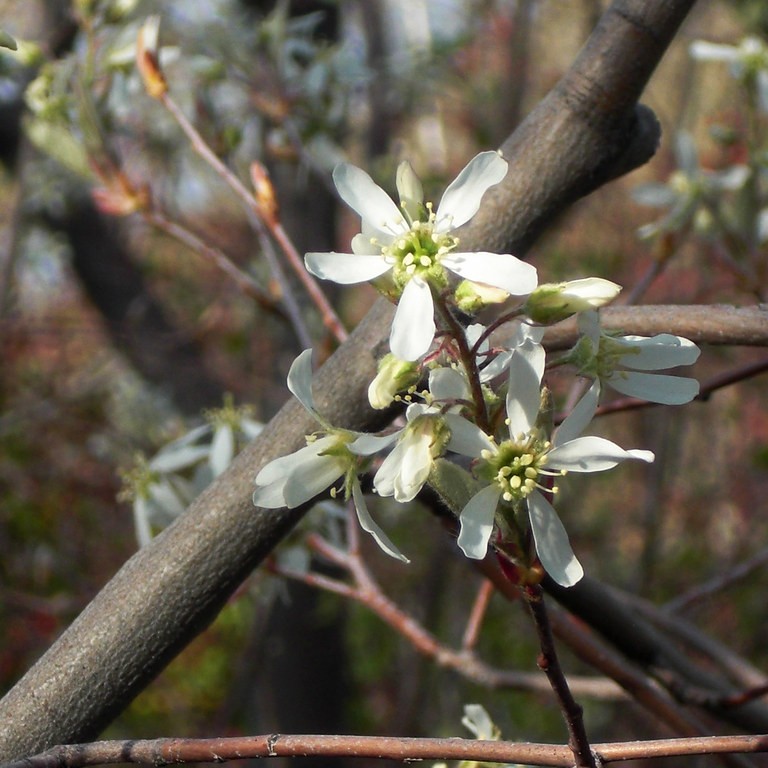
apple serviceberry
Amelanchier grandiflora 'Autumn Brilliance'
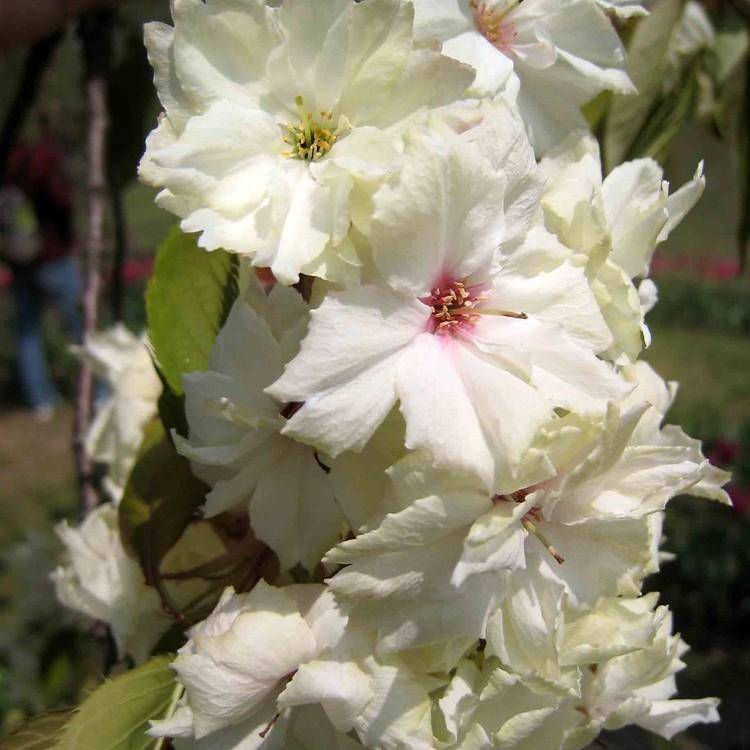
apple serviceberry
Amelanchier grandiflora 'Princess Diana'
barberry
Berberis mentorensis