Creeping Charlie
Glechoma hederacea
Overview
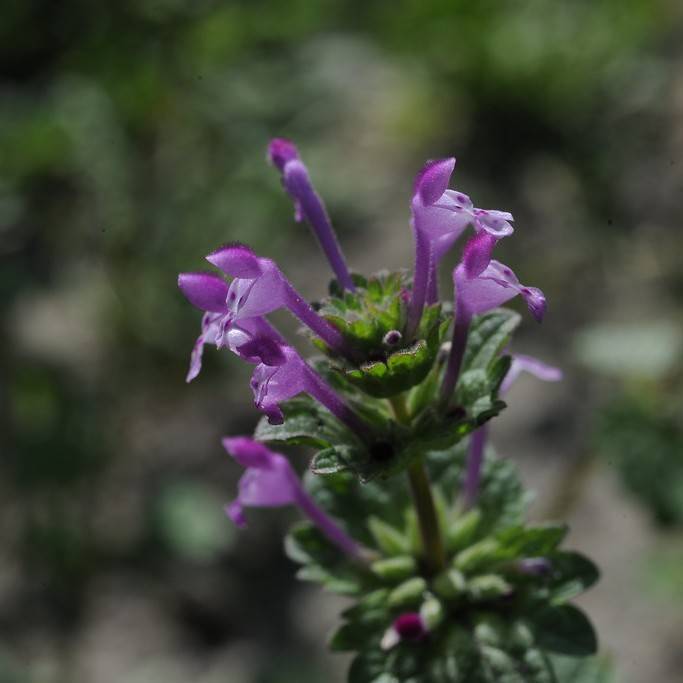
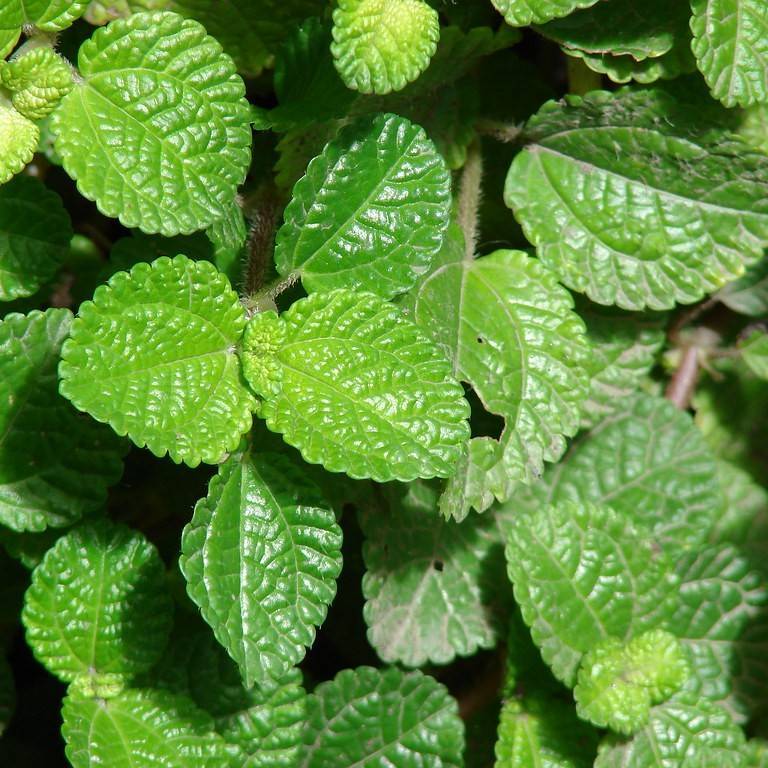
Creeping Charlie, also called ground ivy, is a mat-forming member of the mint family recognized by its rounded, scalloped, slightly fuzzy leaves that release a mild herbal scent when crushed. It produces tiny, tubular lavender-purple flowers in spring, which attract pollinators like bees when grown outdoors. Though it is frequently labeled an invasive lawn weed in temperate regions, it is also popular as a low-maintenance trailing houseplant grown for its lush, cascading foliage.
Care Guide
Watering
Water creeping Charlie when the top 1 inch of soil feels dry to the touch, avoiding overwatering that can lead to root rot; reduce watering frequency in winter when growth slows. Ensure containers have adequate drainage holes to prevent standing water around the root system.
Light
Thrives in partial to full shade when grown outdoors, making it ideal for shaded garden beds or under tree canopies; as a houseplant, it prefers bright, indirect light, such as from a north-facing window, and can tolerate low light conditions for short periods. Avoid direct midday sun, which can scorch its delicate leaves and cause discoloration.
Soil
Grows best in moist, well-draining soil with a slightly acidic to neutral pH between 6.0 and 7.0; a standard potting mix blended with perlite or vermiculite works well for container-grown specimens. It is adaptable to a wide range of soil types, including sandy or clay soils, as long as drainage is sufficient to prevent waterlogging.
Fertilizer
Feed indoor creeping Charlie once a month during the spring and summer growing season with a balanced, water-soluble houseplant fertilizer diluted to half the recommended strength. Outdoor plants generally do not require regular fertilization, as they can extract sufficient nutrients from average garden soil; avoid overfertilizing, which can lead to excessive leggy growth.
Temperature
Prefers cool to moderate temperatures between 60 and 75°F (15 and 24°C), and can tolerate short dips down to 20°F (-7°C) when grown outdoors in USDA hardiness zones 3 to 9. Indoor plants should be kept away from cold drafts, heating vents, and air conditioning units to prevent leaf drop and stress.
Pruning
Trim back overgrown or leggy stems in early spring to encourage bushier, more compact growth, removing up to one-third of the plant’s total length if needed. Pinch off spent flower heads after blooming to redirect energy to foliage production, and remove any yellow or damaged leaves regularly to maintain plant health.
Propagation
Easily propagated from stem cuttings taken in spring or summer: snip a 3 to 4 inch stem tip just below a leaf node, remove the lower leaves, and place the cutting in water or moist potting mix, where roots will form in 1 to 2 weeks. It also spreads naturally via above-ground runners called stolons, which root at nodes where they touch soil, allowing established plants to be divided and replanted easily.
Humidity
Tolerates average household humidity levels between 40 and 60%, but will benefit from occasional misting during very dry winter months to prevent leaf edge browning. Avoid excessively high humidity combined with poor air circulation, which can increase the risk of fungal diseases like powdery mildew.
Repotting
Repot indoor creeping Charlie every 1 to 2 years in spring, moving it to a container one size larger when roots begin to grow out of the drainage holes or the plant becomes root-bound. Use fresh potting mix at repotting time, and gently loosen tangled roots to encourage healthy new growth after transplanting.
Uses & Symbolism
Creeping Charlie is widely used as a trailing houseplant for hanging baskets, where its cascading foliage creates a lush, full display. Outdoors, it is planted as a drought-tolerant ground cover for shaded areas where grass struggles to grow, and it has historically been used in traditional herbal medicine for mild respiratory and inflammatory ailments, though consumption is not recommended due to its toxicity. It also provides early spring nectar for native pollinators like bumblebees and solitary bees.
Diseases & Pests
Creeping Charlie is relatively pest-resistant, but may be affected by common houseplant pests such as aphids, spider mites, and whiteflies, which can be treated with neem oil or insecticidal soap. Fungal diseases including powdery mildew, root rot, and leaf spot can occur in overly moist, poorly ventilated conditions, so avoiding overwatering and providing adequate air circulation is critical for prevention. Outdoor plants may occasionally be targeted by slugs and snails, which feed on young, tender leaves, especially in damp, shaded locations.
Related plants
Other plants you might like if you grow Creeping Charlie.