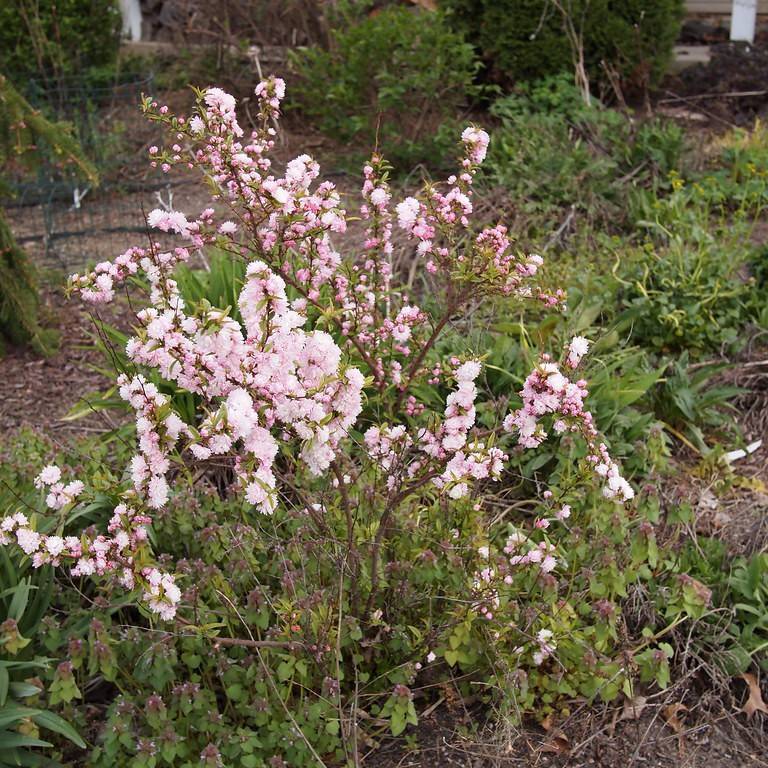
Chinese Plum
Prunus mume
Overview
Prunus mume, commonly called Chinese plum or Japanese apricot, has been cultivated in China for over 3,000 years for its aesthetic, culinary, and medicinal value. It blooms in late winter to early spring before its leaves emerge, producing delicate pink, white, or red blossoms with a sweet, heady fragrance that is celebrated in East Asian art and cultural traditions. Its small, round fruits ripen to yellow or red in early summer, with a tart, astringent flavor when raw that mellow when processed.
Care Guide
Watering
Water young Chinese plum trees deeply once per week during the growing season to establish a strong root system, reducing frequency once mature to only during prolonged dry spells. Avoid overwatering or allowing soil to become waterlogged, as this can trigger root rot and fungal diseases. Reduce watering in late fall to encourage dormancy before winter frost sets in.
Light
Plant Chinese plum trees in full sun, receiving a minimum of 6 hours of direct, unfiltered sunlight daily to support abundant flowering and fruit production. While it can tolerate partial shade, reduced light will result in sparser blooms, smaller fruit yields, and increased susceptibility to fungal pathogens. Ensure planting locations have unobstructed southern exposure in temperate regions for optimal growth.
Soil
Chinese plum thrives in well-drained, loamy, sandy, or clay soils with a slightly acidic to neutral pH range of 5.5 to 7.0. Amend heavy, poorly draining clay soils with compost or coarse sand at planting time to improve aeration and prevent standing water around the root zone. Avoid planting in low-lying areas where water pools after rain, as this will rapidly damage the tree’s root system.
Fertilizer
Apply a balanced, slow-release 10-10-10 fertilizer in early spring just before new growth emerges to support flowering and new leaf development. Follow up with a second application of low-nitrogen, high-phosphorus fertilizer after blooming ends to encourage healthy fruit development and root growth. Avoid fertilizing after mid-summer, as this can stimulate tender new growth that will be damaged by early fall frosts.
Temperature
Chinese plum is cold-hardy in USDA zones 6 through 9, tolerating winter temperatures as low as -10°F (-23°C) when fully dormant. It requires between 300 and 900 hours of winter chill (temperatures below 45°F / 7°C) to break dormancy and produce blooms and fruit in spring. Late spring frosts can damage open blossoms, so plant in a sheltered location away from low-lying frost pockets to reduce risk.
Pruning
Prune Chinese plum trees in late winter while they are still dormant, removing dead, damaged, or crossing branches to improve air circulation and light penetration through the canopy. Thin out excess fruiting spurs after blooming to reduce overcrowding, which will result in larger, higher-quality fruits and reduce the risk of branch breakage under heavy crop loads. Remove any suckers that grow from the rootstock below the graft union to prevent them from diverting energy from the main fruiting tree.
Propagation
The most reliable method for propagating Chinese plum is grafting named cultivars onto compatible Prunus rootstock in late winter to preserve desired fruit and flower traits. Softwood cuttings taken from new growth in early summer can be rooted with the use of rooting hormone and consistent high humidity, though success rates are lower than grafting. Seeds require 3 to 4 months of cold stratification before sowing, and seedlings will not retain the exact characteristics of the parent plant.
Humidity
Chinese plum adapts well to a wide range of humidity levels, thriving in the moderate to high humidity of its native East Asian range and tolerating drier conditions in temperate regions as long as soil moisture is consistent. High humidity combined with poor air circulation can increase the risk of fungal diseases such as powdery mildew and brown rot, so ensure adequate spacing between trees and regular pruning to improve airflow. It does not require supplemental humidity when grown outdoors in suitable climates.
Repotting
Container-grown Chinese plum trees should be repotted every 2 to 3 years in late winter during dormancy, moving to a pot just 2 to 3 inches larger than the previous container to avoid overpotting and excess soil moisture. Gently trim back up to one-third of the root ball during repotting to control growth and encourage new, healthy root development. Use a well-drained potting mix formulated for fruit trees, with added perlite or coarse sand to improve drainage.
Uses & Symbolism
The tart fruits of the Chinese plum are widely used in East Asian cuisine to make ume plum wine, pickled umeboshi, jams, sauces, and candied snacks, and are also valued in traditional Chinese and Japanese medicine for their purported digestive and anti-inflammatory properties. Its early, fragrant blossoms make it a popular ornamental tree in temperate gardens, and pruned dwarf specimens are frequently grown as bonsai. The hard, dense wood is also used for small woodworking projects and carving in its native range.
Diseases & Pests
Chinese plum is susceptible to brown rot, a fungal disease that causes blossoms to wilt and fruits to rot on the branch, which can be prevented by removing fallen debris and applying fungicide at bloom time in wet years. It is also prone to powdery mildew, which forms a white coating on leaves and shoots, especially in humid, poorly ventilated conditions. Common pests include aphids, which feed on new growth, and plum curculio beetles, which lay eggs in developing fruits, leading to premature drop and damaged crops.
Related plants
Other plants you might like if you grow Chinese Plum.
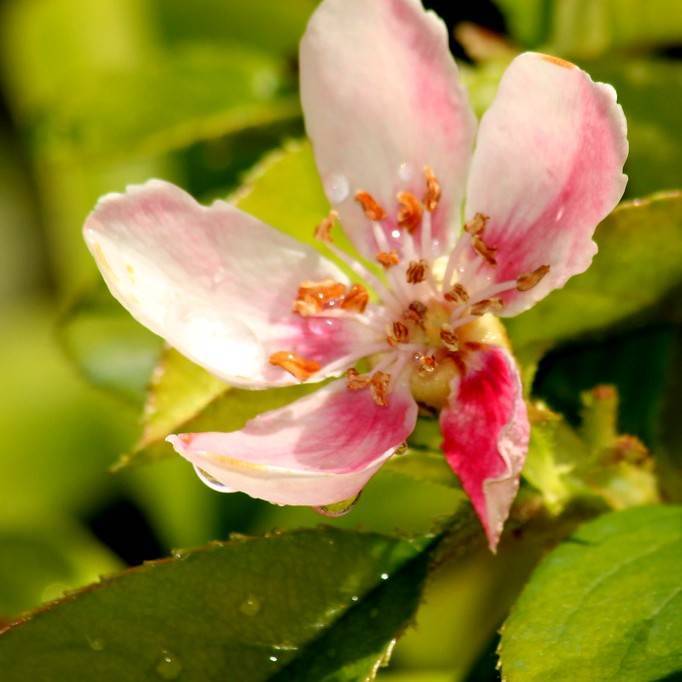
Chinese Quince
Pseudocydonia sinensis
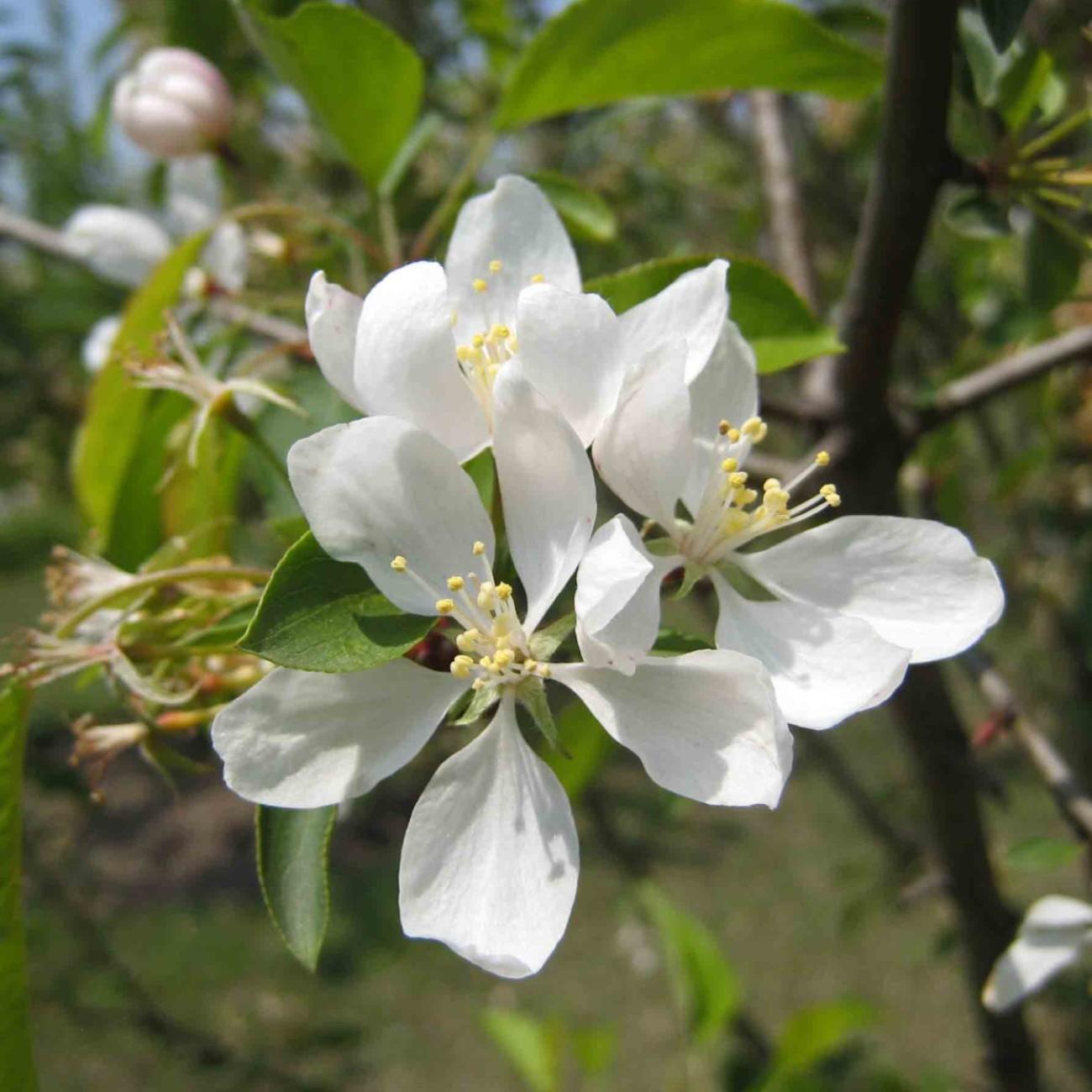
Crabapple
Malus sylvestris, Malus coronaria, and hybrid Malus cultivars
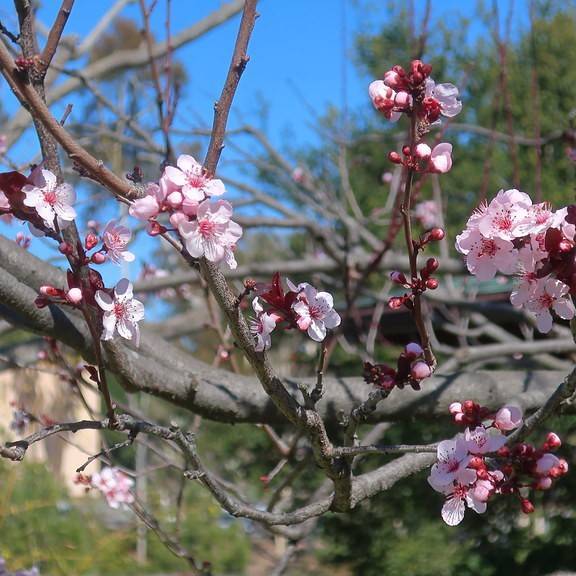
Cherry Plum
Prunus cerasifera
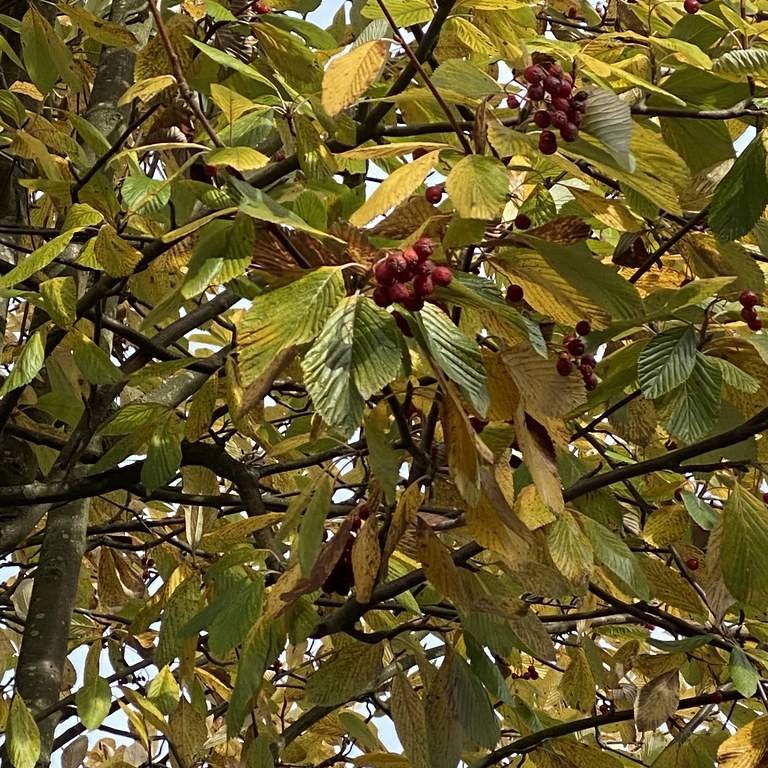
Japanese Flowering Cherry
Prunus serrulata
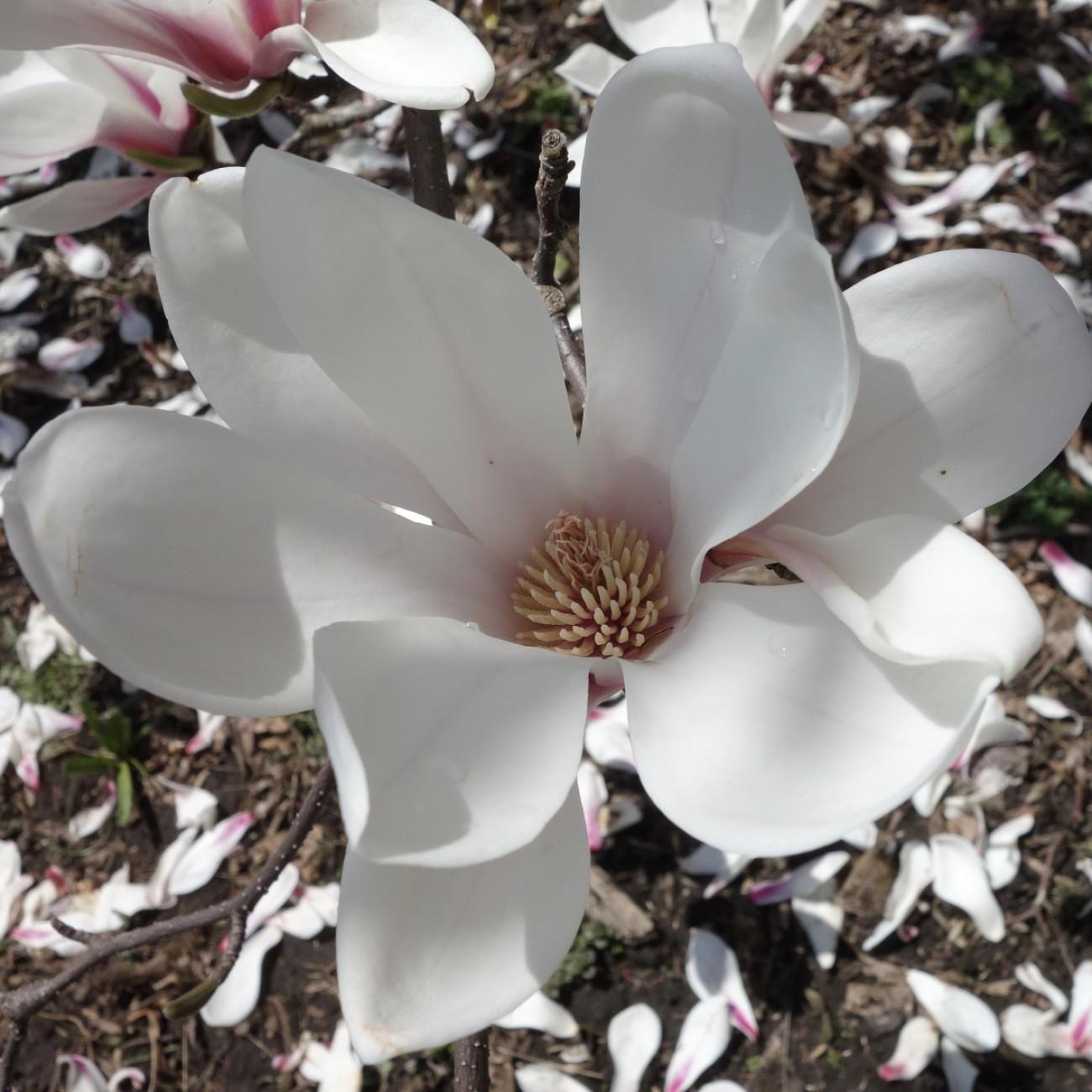
Cylindrical Magnolia
Magnolia cylindrica
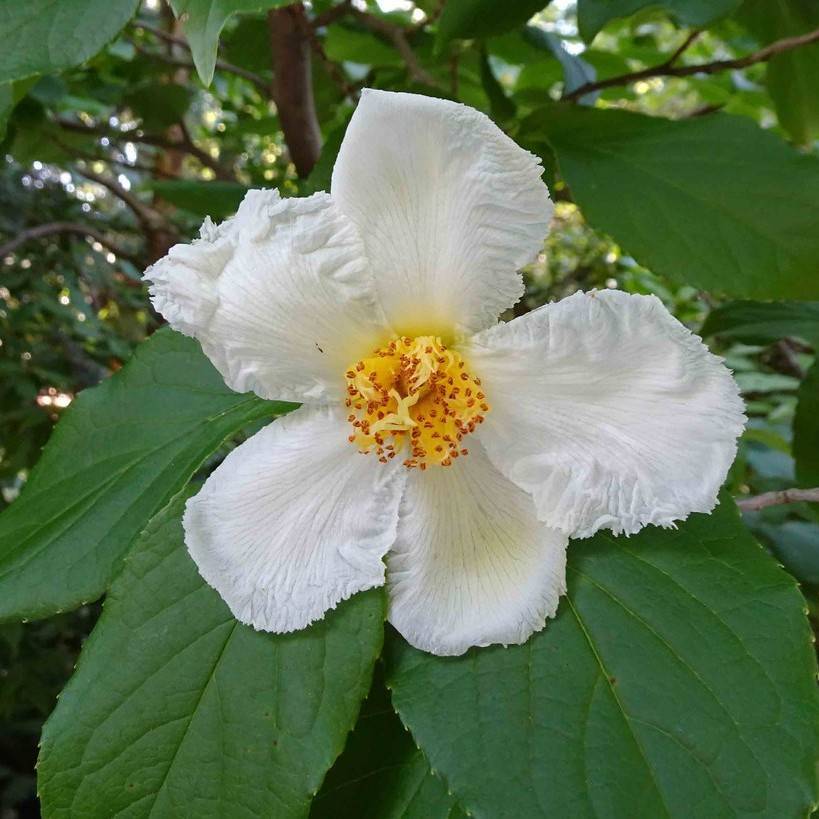
Japanese Stewartia
Stewartia pseudocamellia
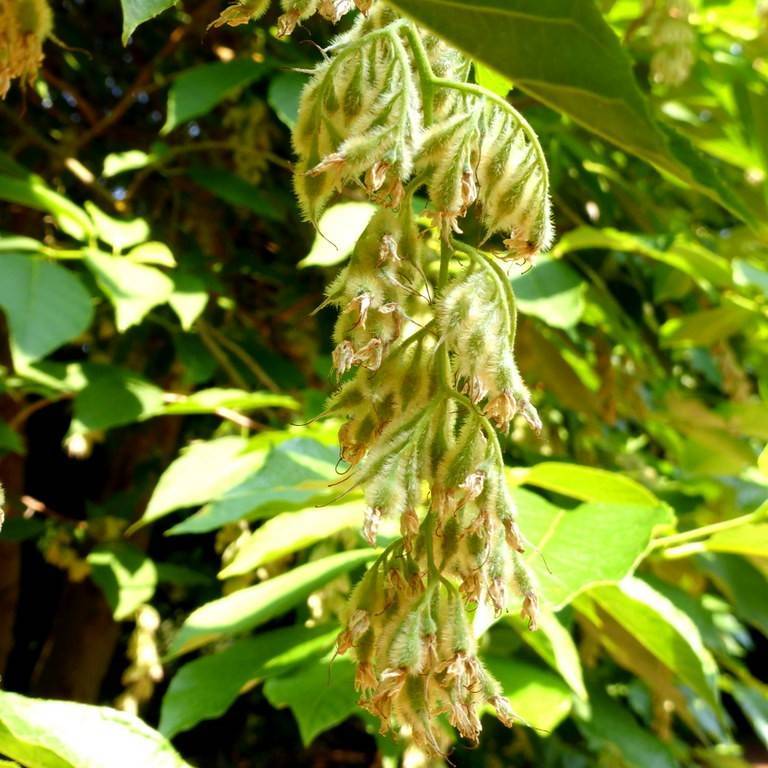
Fragrant Epaulette Tree
Pterostyrax hispidus
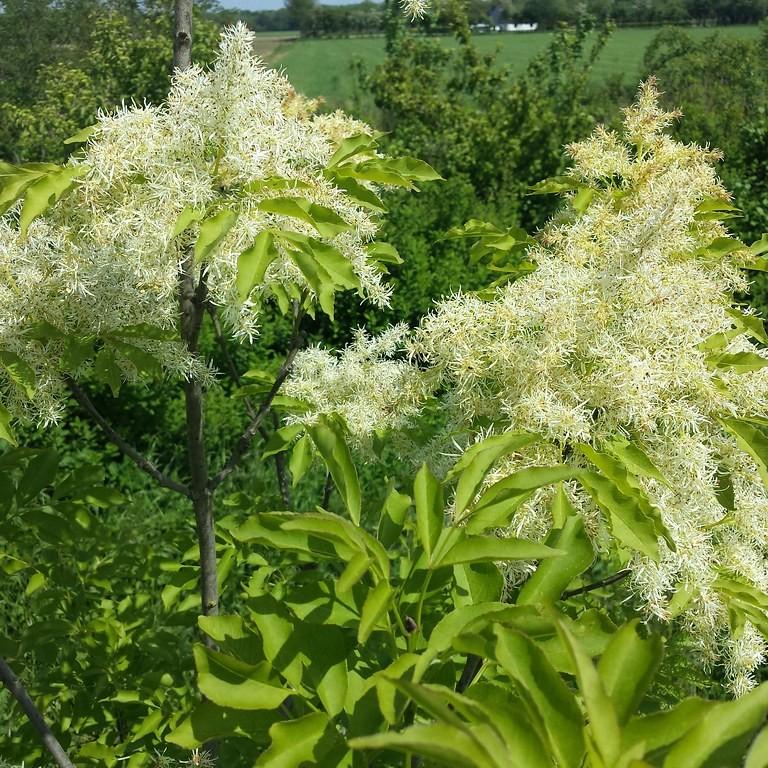
Flowering Ash
Fraxinus ornus