Cultivated Oats
Avena sativa
Overview
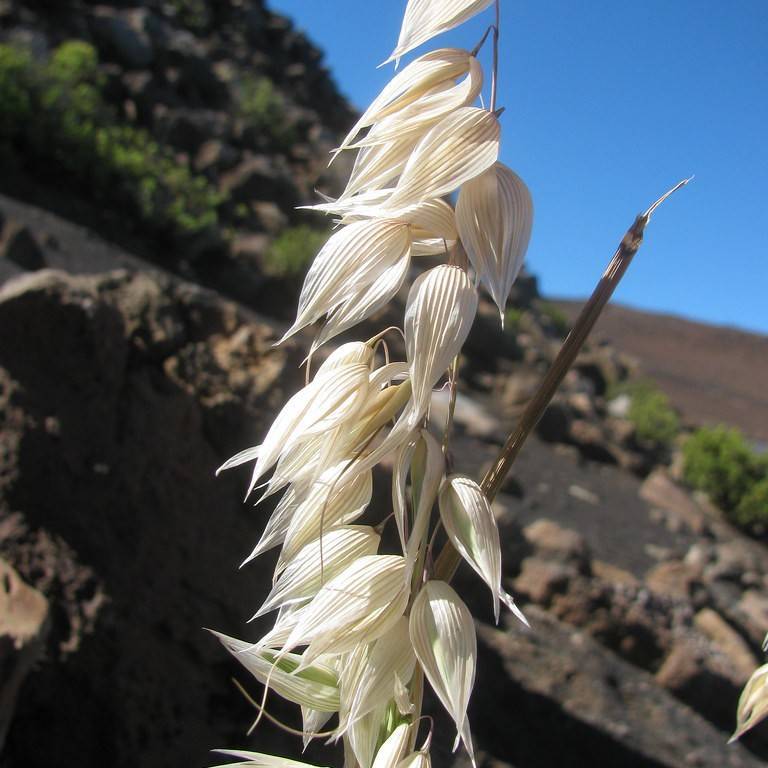
Avena sativa, or cultivated oats, is a cool-season cereal grain domesticated over 3,000 years ago from wild Avena species. It is one of the most widely grown small grains globally, adapted to regions too cool or wet for wheat or corn. Oats have hollow, jointed stems, flat linear leaves, and loose, branching seed heads called panicles that hold the edible oat groats at maturity.
Care Guide
Watering
Oats require consistent soil moisture, especially during heading and grain filling stages, with 1 to 1.5 inches of water per week for optimal growth. Avoid overwatering or waterlogged soil, as this can lead to root rot and reduced grain yield; reduce watering as the plants approach maturity to speed drying for harvest. Drought-tolerant once established, but prolonged dry conditions during early growth will stunt plants and reduce harvest size.
Light
Cultivated oats require full sun, meaning a minimum of 6 hours of direct, unfiltered sunlight daily to support robust stem growth and grain production. Plants grown in partial shade will become leggy, produce fewer seed heads, and are more prone to lodging (falling over) as they mature. Choose open, unshaded planting sites for highest yields.
Soil
Oats adapt to a wide range of soil types, including sandy, loam, and heavy clay soils, as long as drainage is adequate to prevent root rot. They prefer a slightly acidic to neutral soil pH between 6.0 and 7.0, but tolerate mildly acidic conditions down to 5.5 better than many other cereal grains. Work 2 to 3 inches of compost into the top 6 inches of soil before planting to improve structure and nutrient availability.
Fertilizer
Oats are light feeders compared to other cereal grains, and often thrive without additional fertilizer if planted in moderately fertile soil with prior organic amendments. If soil is poor, apply a balanced 10-10-10 fertilizer at a rate of 1 to 2 pounds per 100 square feet at planting time, avoiding excess nitrogen which can cause excessive foliage growth and lodging. No additional fertilizer is needed mid-season unless plants show clear signs of nutrient deficiency such as yellowing lower leaves.
Temperature
Cultivated oats are cool-season plants, germinating best in soil temperatures between 40°F and 65°F (4°C to 18°C), and can tolerate light frosts as seedlings. Optimal growth temperatures range from 60°F to 75°F (15°C to 24°C); temperatures above 85°F (29°C) during grain filling will reduce yield and grain quality. Most cultivated oat varieties are spring-planted, though winter-hardy cultivars are sown in fall for early summer harvest in mild climates.
Pruning
Oats require no regular pruning during their growing cycle, though you can trim back excessive foliage if plants become overly dense to improve air circulation and reduce fungal disease risk. If grown as a cover crop, mow or till oats under 2 to 3 weeks before planting your next crop to give the organic matter time to decompose in the soil. For grain production, no pruning is needed; simply cut entire stalks at the base once the grain has reached full maturity and dried.
Propagation
Cultivated oats are propagated exclusively from seed, sown directly into prepared garden beds or field soil 2 to 3 weeks before the last expected frost date in spring for most growing regions. Sow seeds 1 to 2 inches deep, spaced 1 inch apart in rows 6 to 8 inches apart, at a rate of 2 to 3 pounds of seed per 1,000 square feet of planting area. No stratification or pre-treatment is required for oat seeds, which typically germinate within 7 to 10 days under adequate moisture and temperature conditions.
Humidity
Cultivated oats tolerate a wide range of humidity levels, though moderate relative humidity between 40% and 70% is ideal for healthy growth and reduced disease pressure. High humidity combined with warm temperatures increases the risk of fungal infections such as powdery mildew and rust, so ensure adequate spacing between plants for air flow in more humid regions. Very low humidity during grain filling can cause premature drying of seed heads, reducing overall yield.
Repotting
Oats are almost exclusively grown directly in outdoor soil, as their large, fibrous root systems and mature height make them unsuitable for container growing or repotting. If started in seed trays for early transplanting, move seedlings to their final outdoor location when they are 3 to 4 inches tall, taking care not to disturb the delicate root ball during transplanting. No further repotting is needed once plants are established in their permanent growing site.
Uses & Symbolism
Cultivated oats are primarily grown for their edible grain, which is processed into rolled oats, oatmeal, oat flour, and oat milk for human consumption, valued for its high fiber and protein content. They are also a highly nutritious feed grain for livestock, particularly horses, cattle, and poultry, and their straw is used for animal bedding, mulch, and craft materials. Oats are widely planted as a cover crop to prevent soil erosion, suppress weeds, and add organic matter to soil between cash crop cycles.
Diseases & Pests
Common fungal diseases affecting cultivated oats include crown rust, powdery mildew, and smut, which thrive in warm, humid conditions and can cause significant yield loss if left unmanaged. Common pests include aphids, oat sawflies, and wireworms, which feed on foliage, stems, and roots respectively, weakening plants and reducing grain production. Rotating oat plantings with non-cereal crops, selecting disease-resistant varieties, and ensuring adequate air circulation between plants can reduce the risk of most pest and disease issues.
Related plants
Other plants you might like if you grow Cultivated Oats.