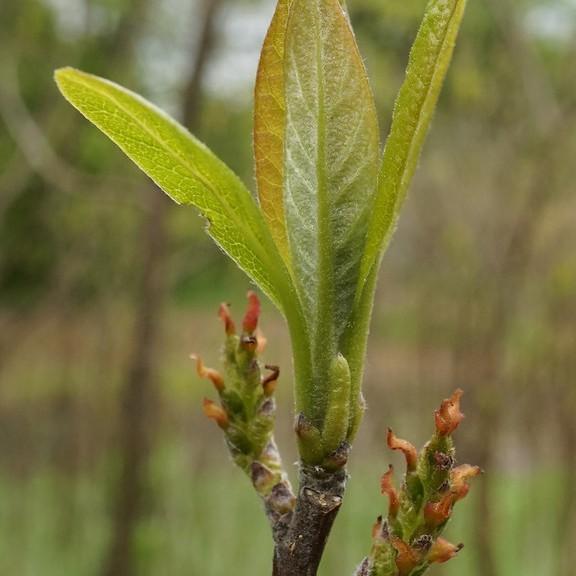
Corkwood
Leitneria floridana
Overview
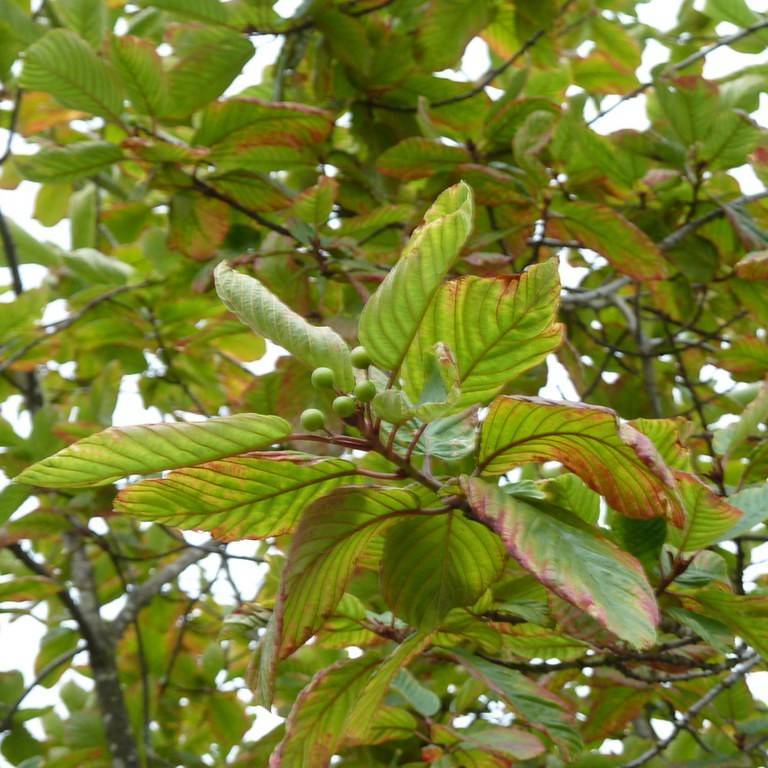
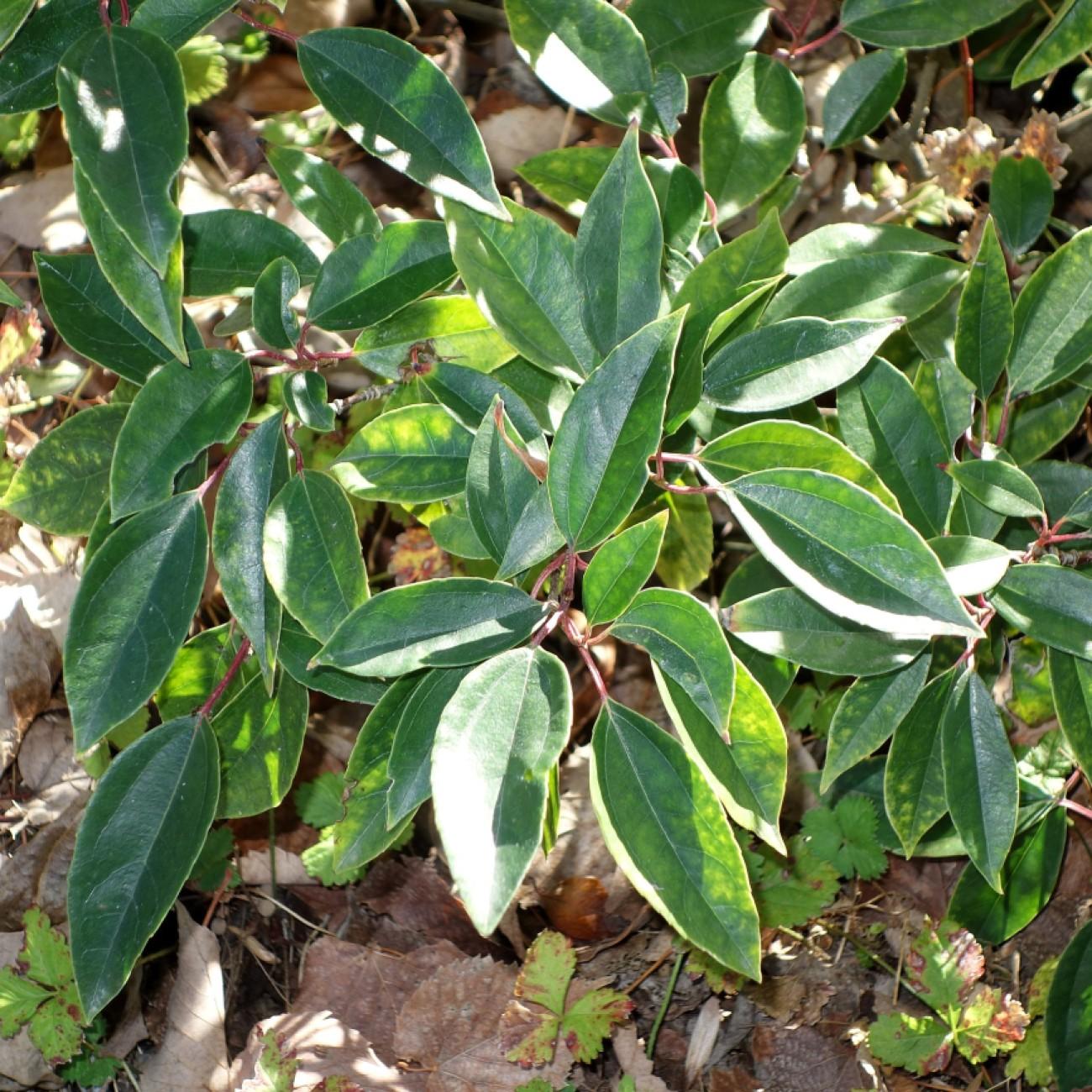
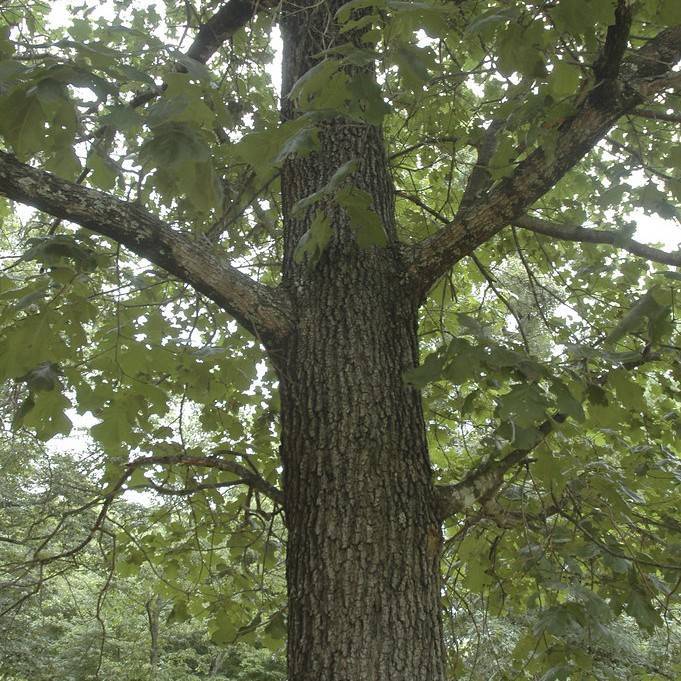
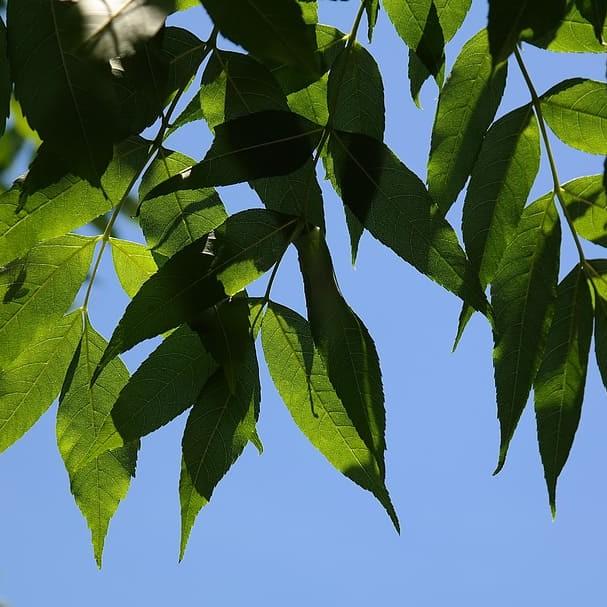
Corkwood is a rare, dioecious wetland species best known for producing the lightest wood of any native North American tree, with a density far lower than cork. It naturally occurs in brackish marshes, swamps, and tidal floodplains, where its shallow, spreading root system helps stabilize erodible shorelines. In spring, it produces small, inconspicuous greenish catkins before its narrow, glossy green leaves emerge, which turn pale yellow in autumn before dropping.
Care Guide
Watering
Corkwood requires consistently moist to saturated soil, as it is adapted to permanent wetland conditions; it can tolerate periodic flooding, including short durations of brackish water inundation. Never allow the root zone to dry out completely, even during dormant winter months, as prolonged drought will quickly cause leaf drop and root dieback.
Light
It thrives in full sun, where it develops a denser, more compact growth habit and more vigorous root system, though it can tolerate partial shade in particularly hot, arid climates. Too much deep shade will result in leggy, sparse growth and reduced overall hardiness, so prioritize planting locations that receive at least 6 hours of direct sunlight daily.
Soil
This species prefers acidic, sandy, or silty loam soils with high organic matter content, typical of coastal wetland habitats. It tolerates poorly drained, waterlogged soils and moderate salinity levels, making it suitable for shoreline and rain garden plantings where most other woody species would fail.
Fertilizer
Corkwood has low nutrient requirements and rarely needs supplemental fertilization when planted in its native wetland habitat with rich organic sediment. If grown in poor, low-organic soil, apply a slow-release, balanced, acid-loving shrub fertilizer once in early spring, taking care not to over-fertilize, which can damage its sensitive shallow roots.
Temperature
It is hardy in USDA zones 6 through 9, tolerating winter lows down to -10°F (-23°C) as long as its root zone is insulated by saturated soil or winter flood cover. Extreme heat above 100°F (38°C) is well-tolerated as long as consistent soil moisture is maintained, though young saplings may benefit from temporary afternoon shade during peak summer heatwaves.
Pruning
Prune corkwood in late winter before new growth emerges to remove dead, damaged, or crossing branches, and to shape the tree to your desired form. Avoid heavy pruning, as this species recovers slowly from significant cuts; limit removal to no more than 10% of the total canopy in a single year to prevent stress.
Propagation
Corkwood is most commonly propagated from seed, which requires 3 to 4 months of cold stratification to break dormancy, followed by sowing in consistently moist, sandy potting mix. It can also be propagated from softwood cuttings taken in early summer, treated with rooting hormone, and kept in high-humidity conditions until roots develop, usually within 4 to 6 weeks.
Humidity
It thrives in high humidity levels of 60% or higher, typical of its native coastal wetland environment, though it can tolerate average household humidity for short periods if grown as a container specimen. If grown indoors, mist the foliage regularly or place the pot on a pebble tray filled with water to boost ambient humidity and prevent leaf browning at the edges.
Repotting
Container-grown corkwood should be repotted every 2 to 3 years in early spring, just before new growth begins, using a coarse, acidic potting mix with high organic content and excellent drainage. Choose a pot only one size larger than the current one to avoid overwatering issues, and take extra care not to damage the shallow, fragile root system during the repotting process.
Uses & Symbolism
The extremely lightweight, buoyant wood of corkwood has historically been used to make floats for fishing nets, artificial limbs, and insulation, as it is even lighter than commercial cork. It is also planted in wetland restoration projects and shoreline stabilization efforts to reduce erosion, provide wildlife habitat, and filter runoff in brackish coastal ecosystems. While not a common ornamental, it is occasionally grown in native plant and rain gardens for its unique texture and high tolerance for saturated soils.
Diseases & Pests
Corkwood is relatively disease-resistant, though it can develop root rot if grown in poorly draining soil that remains stagnant for extended periods, rather than the flowing, oxygenated water it prefers. Common pests include aphids and scale insects, which feed on the sap of new growth, and can be controlled with horticultural oil or insecticidal soap applications when infestations are noticed. In very dry conditions, spider mites may also infest the foliage, which can be deterred by regular misting to raise humidity levels around the plant.
Related plants
Other plants you might like if you grow Corkwood.