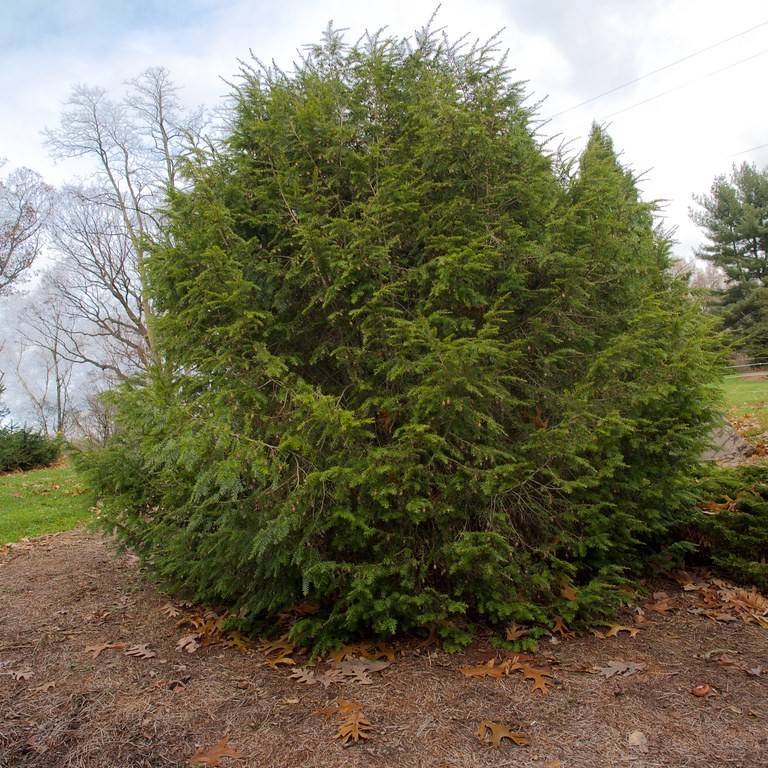
Canadian Hemlock
Tsuga canadensis
Overview
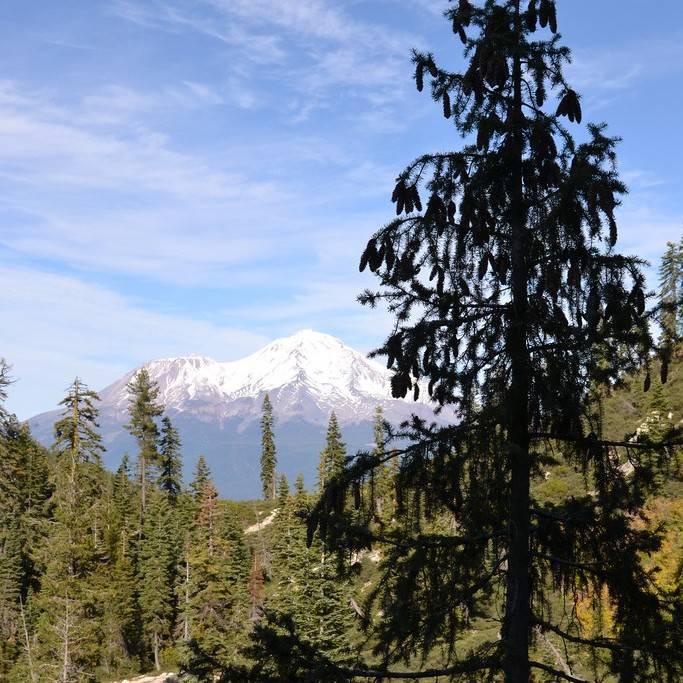
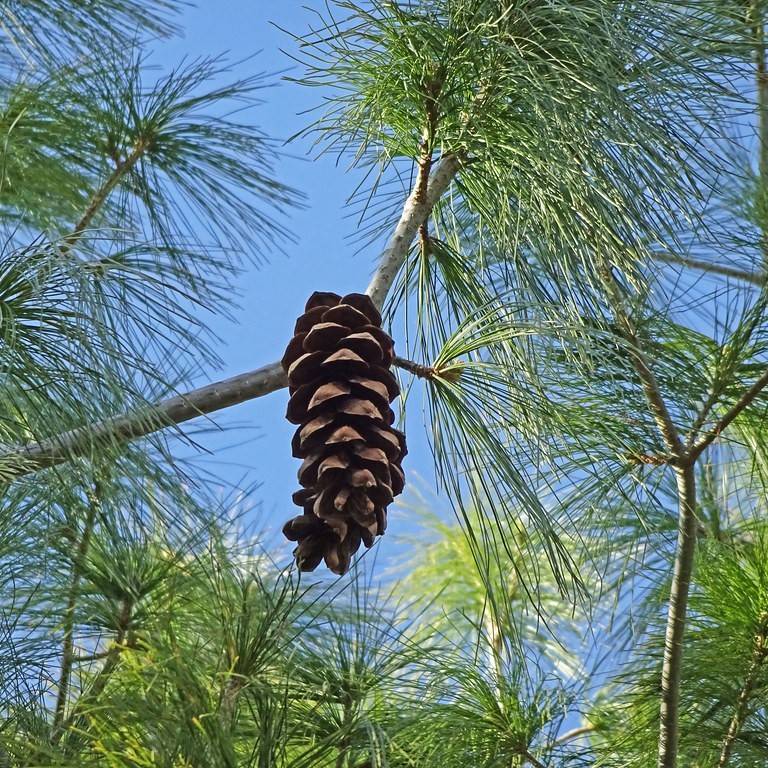
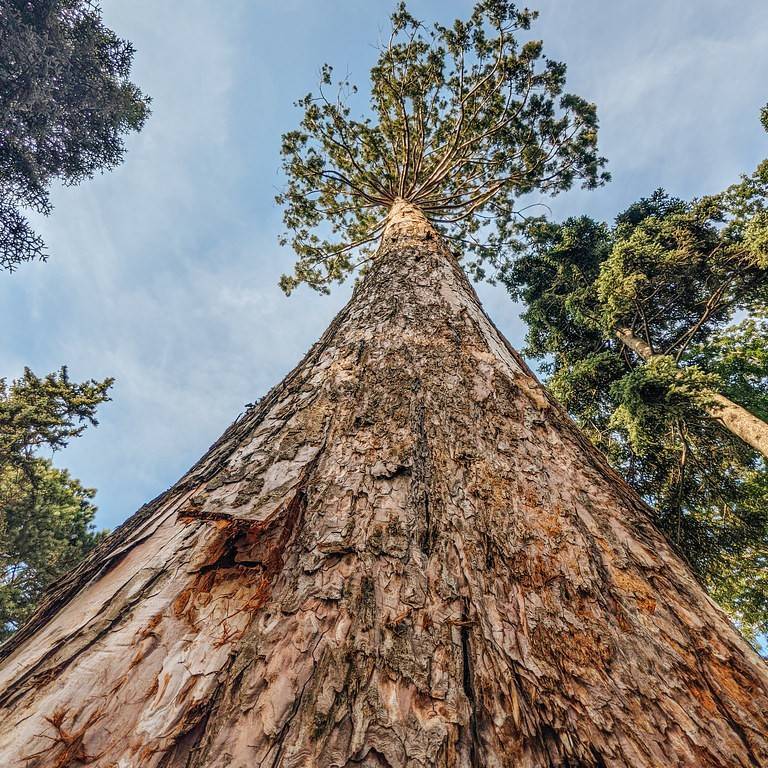
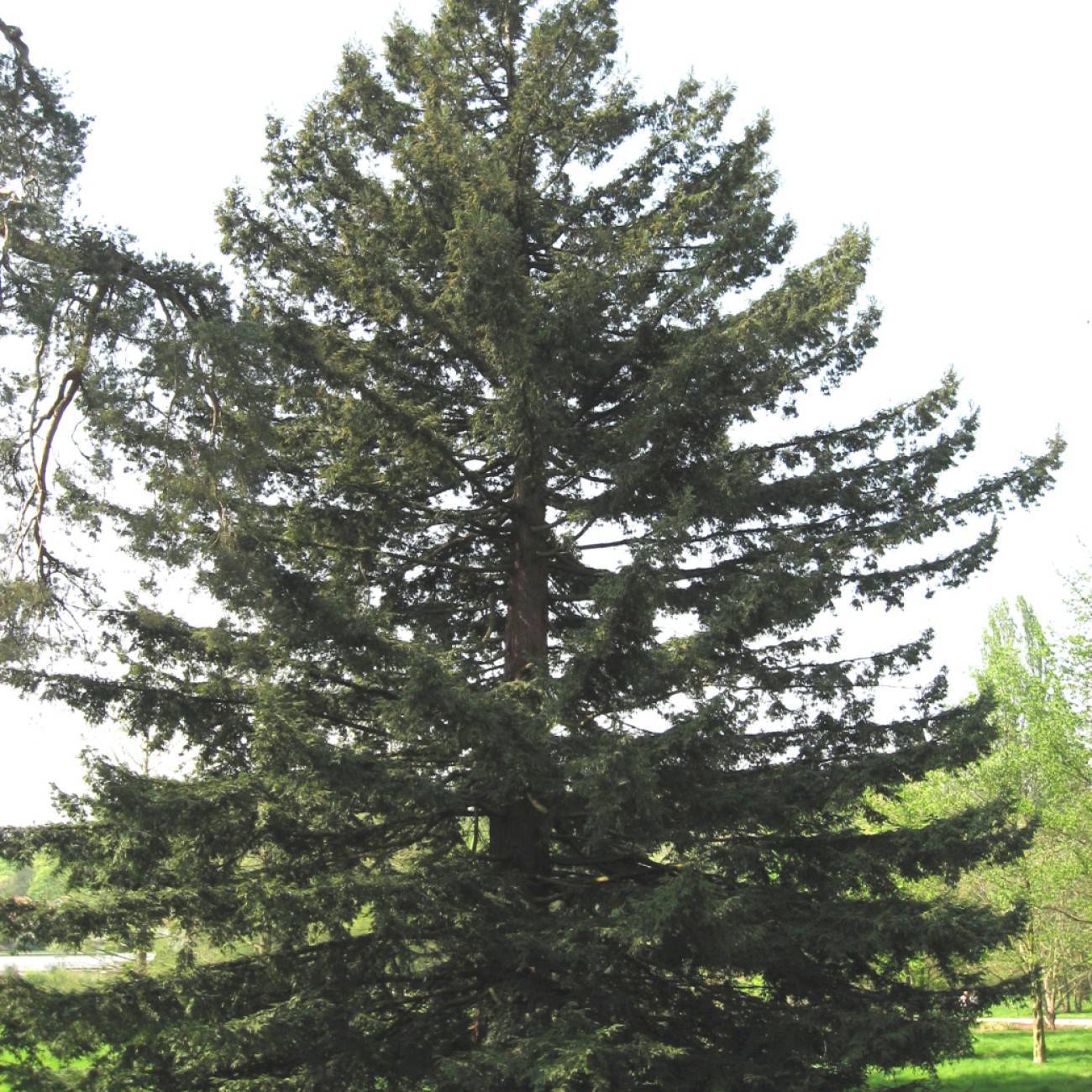
Canadian hemlock is a long-lived evergreen conifer distinguished by its feathery, drooping branchlets, dark green flat needles with silvery undersides, and small, light brown cones that hang from its branches. It naturally grows in cool, moist forested regions, often forming dense stands that provide shelter for wildlife and help stabilize steep, erosion-prone slopes. This species is highly adaptable to pruning, making it a popular choice for formal hedges, screens, or as a standalone specimen tree in temperate landscapes.
Care Guide
Watering
Canadian hemlock prefers consistently moist, well-drained soil and requires regular watering during dry periods, especially for young trees and specimens grown in full sun. Avoid overwatering or allowing the root zone to become waterlogged, as this can lead to root rot and decline. Mature, established trees have moderate drought tolerance but benefit from deep watering during extended hot, dry spells.
Light
This species thrives in partial shade to full sun, though young saplings require protection from intense, direct midday sun to prevent needle scorch. In warmer parts of its growing range, planting in a location with dappled or afternoon shade will help reduce heat stress and maintain healthy foliage. Full sun is suitable in cooler northern climates, as long as soil moisture remains consistent.
Soil
Canadian hemlock grows best in fertile, loamy, slightly acidic soil with a pH between 5.0 and 6.5, though it can adapt to sandy or clay soils if drainage is good. Amend heavy or nutrient-poor soil with organic matter such as compost or pine bark to improve structure, nutrient content, and acidity before planting. A 2-3 inch layer of organic mulch around the root zone helps retain moisture, regulate soil temperature, and maintain optimal acidity over time.
Fertilizer
Young Canadian hemlock trees benefit from a light application of a slow-release, acidic evergreen fertilizer in early spring before new growth emerges to support healthy root and foliage development. Mature, established trees rarely require regular fertilization, as they obtain sufficient nutrients from decomposing organic matter in the soil. Avoid high-nitrogen fertilizers, which can cause excessive, weak new growth that is vulnerable to cold damage and pest infestations.
Temperature
Canadian hemlock is cold-hardy in USDA zones 3 to 7, tolerating winter temperatures as low as -40°F (-40°C) without significant damage. It is sensitive to extreme heat and drought, and prolonged temperatures above 90°F (32°C) can cause needle browning and stress, especially when combined with low humidity. Winter sun and wind can cause desiccation of foliage in exposed locations, so sheltered planting sites are ideal in areas with harsh winter conditions.
Pruning
Prune Canadian hemlock in late winter or early spring before new growth appears to shape the tree, remove dead or damaged branches, or maintain a formal hedge form. This species tolerates heavy pruning exceptionally well, as it can produce new growth from old wood, unlike many other conifer species. Avoid pruning more than one-third of the total foliage in a single growing season to prevent stress and promote rapid regrowth.
Propagation
Canadian hemlock is most commonly propagated from semi-hardwood cuttings taken in late summer or early fall, treated with rooting hormone, and placed in a moist, well-drained growing medium under high humidity. It can also be grown from cold-stratified seed, though seed-grown trees take much longer to reach transplant size and may not retain the specific growth characteristics of the parent plant. Grafting is sometimes used to propagate named cultivars with unique growth habits or foliage traits.
Humidity
This species prefers moderate to high humidity levels between 50% and 70%, typical of its native forest habitat, and may suffer from needle browning or drop in very dry, arid conditions. In areas with low humidity, regular misting of young trees or placing a humidifier near potted specimens can help reduce stress and maintain healthy foliage. Good air circulation around the branches is also important to prevent fungal diseases, even in high-humidity environments.
Repotting
Potted Canadian hemlock specimens should be repotted every 2 to 3 years in early spring before new growth begins, using a well-drained, acidic potting mix formulated for evergreens. Choose a pot that is 2 to 3 inches larger in diameter than the current container to provide room for root growth, and ensure it has adequate drainage holes to prevent waterlogging. After repotting, water thoroughly and keep the plant in a partially shaded location for a few weeks to allow it to acclimate to the new container.
Uses & Symbolism
Canadian hemlock is widely used in landscaping as a specimen tree, privacy screen, or formal hedge, thanks to its graceful form, dense foliage, and tolerance of heavy pruning. Its strong, light, coarse-grained wood is used for construction, pulpwood, and crates, while its bark was historically a major source of tannin for the leather tanning industry in eastern North America. In forest ecosystems, it provides critical habitat and food for birds, small mammals, and deer, and helps regulate stream temperatures for cold-water fish species.
Diseases & Pests
The most significant threat to Canadian hemlock is the hemlock woolly adelgid, an invasive sap-sucking insect that covers branch bases in white, woolly secretions and can kill a mature tree within 4 to 10 years of infestation. Common fungal diseases include needle blight and root rot, which occur most frequently in poorly drained soil or humid, poorly ventilated conditions. Spider mites and scale insects may also infest stressed trees, causing foliage discoloration and drop if left untreated.
Related plants
Other plants you might like if you grow Canadian Hemlock.