Corkscrew Rush
Juncus effusus f. spiralis
Overview
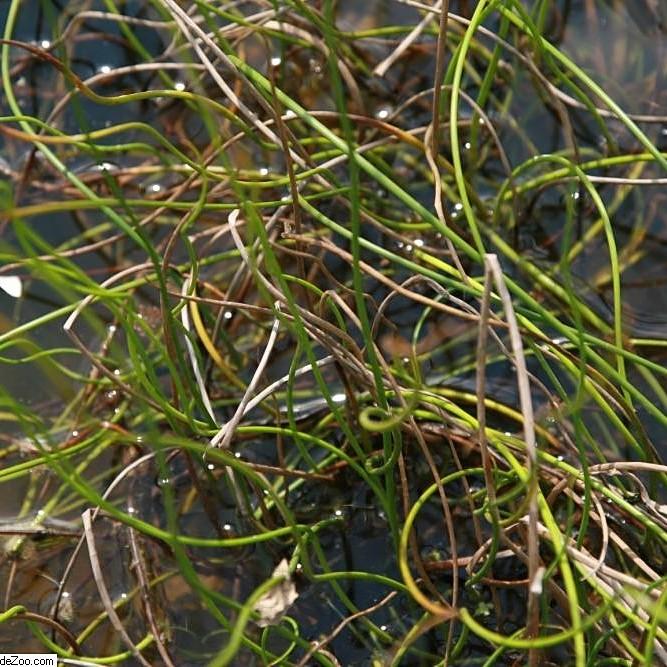
Corkscrew rush is a unique cultivar of common soft rush, prized for its whimsical, tightly coiled, leafless green stems that curl and spiral as they grow. Thriving in saturated soil and shallow water, it is a versatile plant suited for both aquatic outdoor landscapes and bright indoor containers. It produces small, inconspicuous brownish flower clusters at the stem tips in summer, though its unusual foliage is the primary ornamental feature.
Care Guide
Watering
Keep soil consistently saturated or submerged in up to 4 inches of standing water for outdoor specimens; indoor plants require frequent watering to maintain evenly moist, never dry, soil, and can sit in a saucer of water at all times. Avoid letting the root zone dry out completely, as this will cause stem browning and dieback.
Light
Grows best in full sun to partial shade, with 4-6 hours of direct sunlight daily for the most vibrant, tightly coiled stem growth. Indoor plants require a bright south or west-facing window; insufficient light will cause stems to become straight, leggy, and pale.
Soil
Prefers rich, loamy, acidic to neutral wetland soil with a high organic matter content; outdoor specimens can be planted directly in boggy garden soil or submerged in pond margins in heavy clay loam to prevent floating. For indoor containers, use a peat-based potting mix amended with compost to retain moisture, and avoid fast-draining cactus or succulent mixes.
Fertilizer
Outdoor plants rarely require supplemental feeding, as they derive nutrients from wetland soil organic matter. Indoor plants can be fed once monthly in spring and summer with a diluted balanced liquid fertilizer, applied at half the recommended strength to avoid salt buildup and stem burn; skip fertilization in fall and winter during dormancy.
Temperature
Hardy in USDA zones 4-9, tolerating winter temperatures as low as -30°F (-34°C) when planted in permanently wet soil, with stems dying back to the ground in cold winters and reemerging in spring. Indoor plants prefer average room temperatures between 60-75°F (15-24°C), and should be protected from drafts and temperatures below 50°F (10°C) to prevent cold damage.
Pruning
Remove brown, dead, or damaged stems at the base throughout the growing season to encourage new, healthy coiled growth and maintain a neat appearance. In late winter or early spring, cut back all outdoor stems to 2-3 inches above the soil line to make way for fresh spring growth, and trim indoor plants as needed to remove straggly, uncoiled stems.
Propagation
Easiest propagated by division in early spring, when clumps are dug up, split into smaller sections with intact roots and stems, and replanted immediately in saturated soil or water. It can also be grown from seed, though seed-grown plants may not retain the characteristic coiled stem trait of the parent cultivar, making division the preferred method for consistent ornamental growth.
Humidity
Tolerates a wide range of humidity levels, thriving in the high humidity of pond edges and bog gardens, but adapting well to average indoor household humidity of 30-50%. For indoor plants in very dry environments, mist stems occasionally or place the pot on a pebble tray filled with water to boost local humidity and prevent stem tip browning.
Repotting
Indoor corkscrew rush should be repotted every 2-3 years in spring, when roots begin to grow through the drainage holes or the plant becomes root-bound. Use a slightly larger pot with drainage holes, refresh the potting mix with high-organic-matter peat-based soil, and water thoroughly after repotting to settle the roots and maintain consistent moisture.
Uses & Symbolism
Widely used as an ornamental feature in water gardens, pond margins, bog gardens, and rain gardens, where it adds textural contrast and helps stabilize wet soil. It is also popular as a unique houseplant in bright, humid spaces, and its twisted stems are frequently cut for use in fresh or dried floral arrangements. In wetland restoration projects, it aids in erosion control and provides habitat for small aquatic wildlife.
Diseases & Pests
Generally pest and disease resistant, though overwatered indoor plants in poorly aerated soil may develop root rot. Aphids and spider mites can occasionally infest indoor specimens, which can be treated with insecticidal soap or a strong spray of water to dislodge pests. Stem browning is common when plants are allowed to dry out or exposed to prolonged low light, and can be remedied by adjusting watering and light levels and trimming back damaged growth.
Related plants
Other plants you might like if you grow Corkscrew Rush.