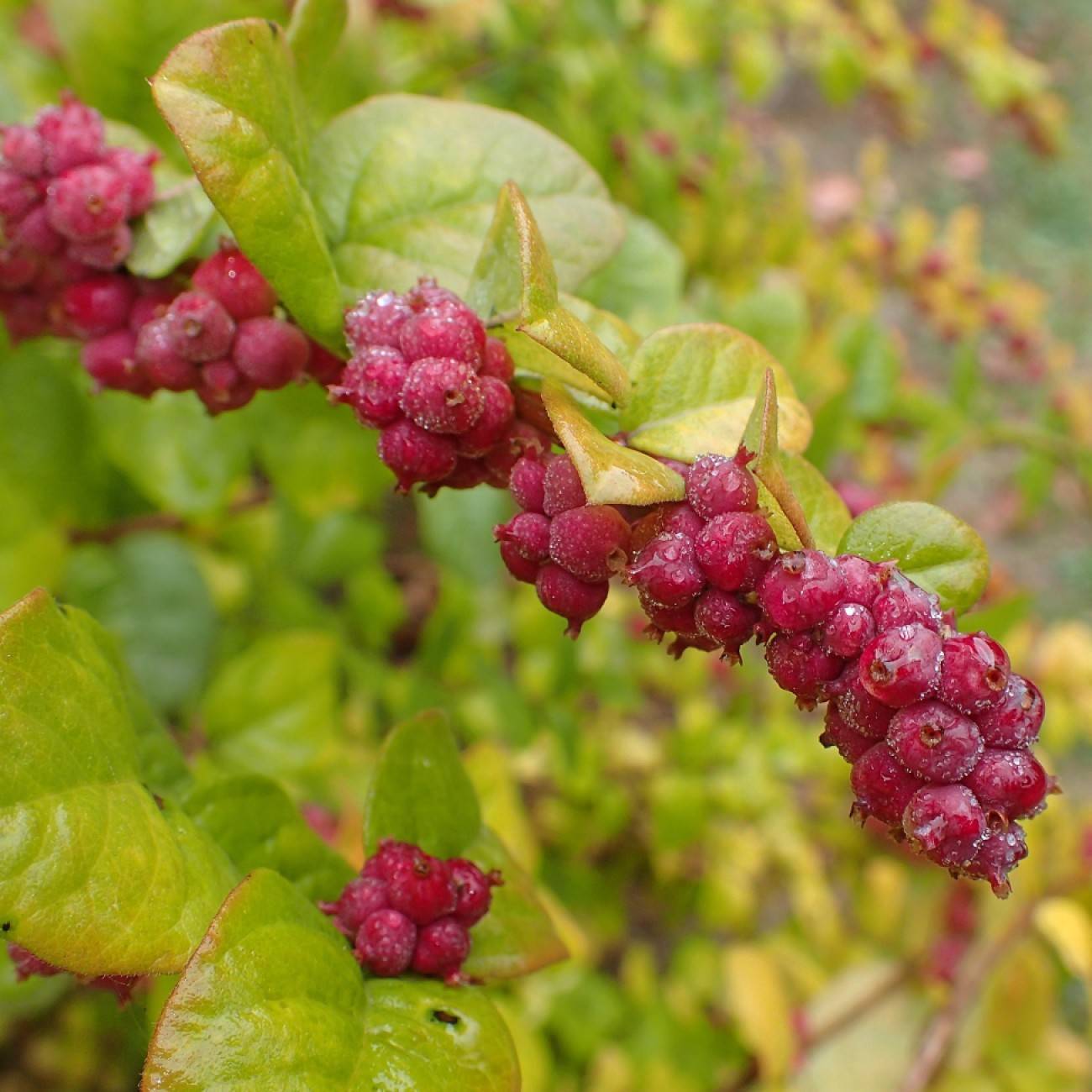
Coralberry
Symphoricarpos orbiculatus
Overview
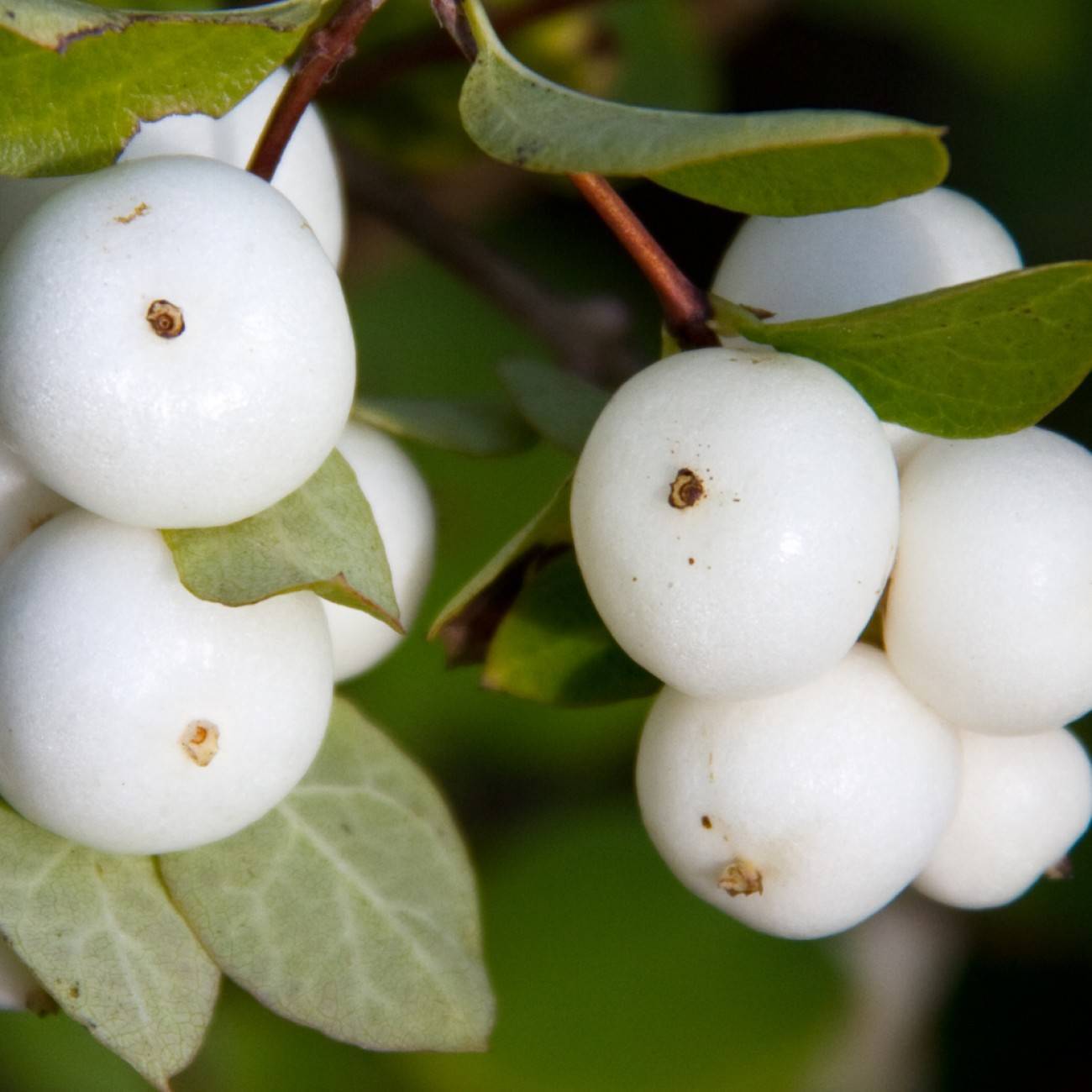
Coralberry is a low, spreading deciduous shrub that forms thick colonies via root suckers, making it a popular choice for erosion control and naturalized landscaping. It produces small, bell-shaped pinkish-white flowers in late summer, followed by clusters of round, coral-hued berries that persist through winter, providing visual interest when most other plants are dormant. It adapts well to a wide range of growing environments, thriving even in poor soils and partial shade that many other shrubs struggle to tolerate.
Care Guide
Watering
Coralberry is highly drought-tolerant once established, requiring only occasional deep watering during prolonged dry spells. Newly planted shrubs should be watered regularly for the first growing season to help develop a strong root system; avoid overwatering, as soggy soil can cause root rot.
Light
This shrub grows best in full sun to partial shade, with full sun exposure encouraging the most abundant berry production. It can tolerate full shade, though flowering and fruiting will be reduced, and growth may become sparser and leggy over time.
Soil
Coralberry adapts to nearly any soil type, including clay, sandy, and rocky soils, as well as neutral to slightly acidic or alkaline pH levels. It tolerates both dry and moderately moist soils, as long as the site has good drainage to prevent waterlogging around the roots.
Fertilizer
Coralberry has low nutrient needs and typically thrives without regular fertilization. A light application of balanced, slow-release fertilizer in early spring can boost growth in very poor, nutrient-depleted soils, but over-fertilization will lead to excessive leaf growth at the expense of berry production.
Temperature
It is hardy in USDA zones 2 through 7, tolerating extreme winter temperatures as low as -50°F (-46°C) without damage. It can withstand high summer temperatures as well, though it benefits from occasional watering during extended heatwaves to prevent leaf drop.
Pruning
Prune coralberry in late winter or early spring before new growth emerges to maintain a tidy shape and encourage vigorous new growth, which produces the most berries. Older, woody stems can be cut back to the ground every 3 to 4 years to rejuvenate the shrub, and suckers can be removed as needed to prevent unwanted spreading in formal garden settings.
Propagation
Coralberry is most easily propagated by digging up and transplanting root suckers in late winter or early spring, which root quickly with minimal care. It can also be grown from semi-hardwood cuttings taken in mid-summer, or from seed sown in fall, though seed-grown plants may take 2 to 3 years to produce berries.
Humidity
This shrub is highly adaptable to a wide range of humidity levels, thriving in both the dry continental climates of its native range and the more humid conditions of the southeastern United States. No extra humidity is required for indoor or outdoor specimens, though good air circulation helps prevent foliar diseases in very humid environments.
Repotting
Coralberry is rarely grown in containers, as its spreading root system and suckering habit make it better suited to in-ground planting. If grown in a large container, repot every 2 to 3 years in early spring, using a general-purpose potting mix and pruning back overgrown roots as needed to keep the plant manageable.
Uses & Symbolism
Coralberry is widely used in landscaping for erosion control on slopes, naturalized hedges, and wildlife gardens, as its winter berries provide food for songbirds, quail, and deer. It is also a popular choice for cut flower arrangements, as its persistent berry clusters add long-lasting color to both fresh and dried displays. Native American tribes historically used the plant's bark and roots for medicinal purposes to treat eye conditions and mild digestive issues, though it is not commonly used for this today due to its low toxicity.
Diseases & Pests
Coralberry is largely pest and disease resistant, though it may occasionally be affected by powdery mildew, leaf spot, or anthracnose in overly humid, poorly ventilated conditions. Aphids and spider mites may infest stressed plants, but these can be controlled with insecticidal soap or neem oil, and rarely cause significant long-term damage.
Related plants
Other plants you might like if you grow Coralberry.