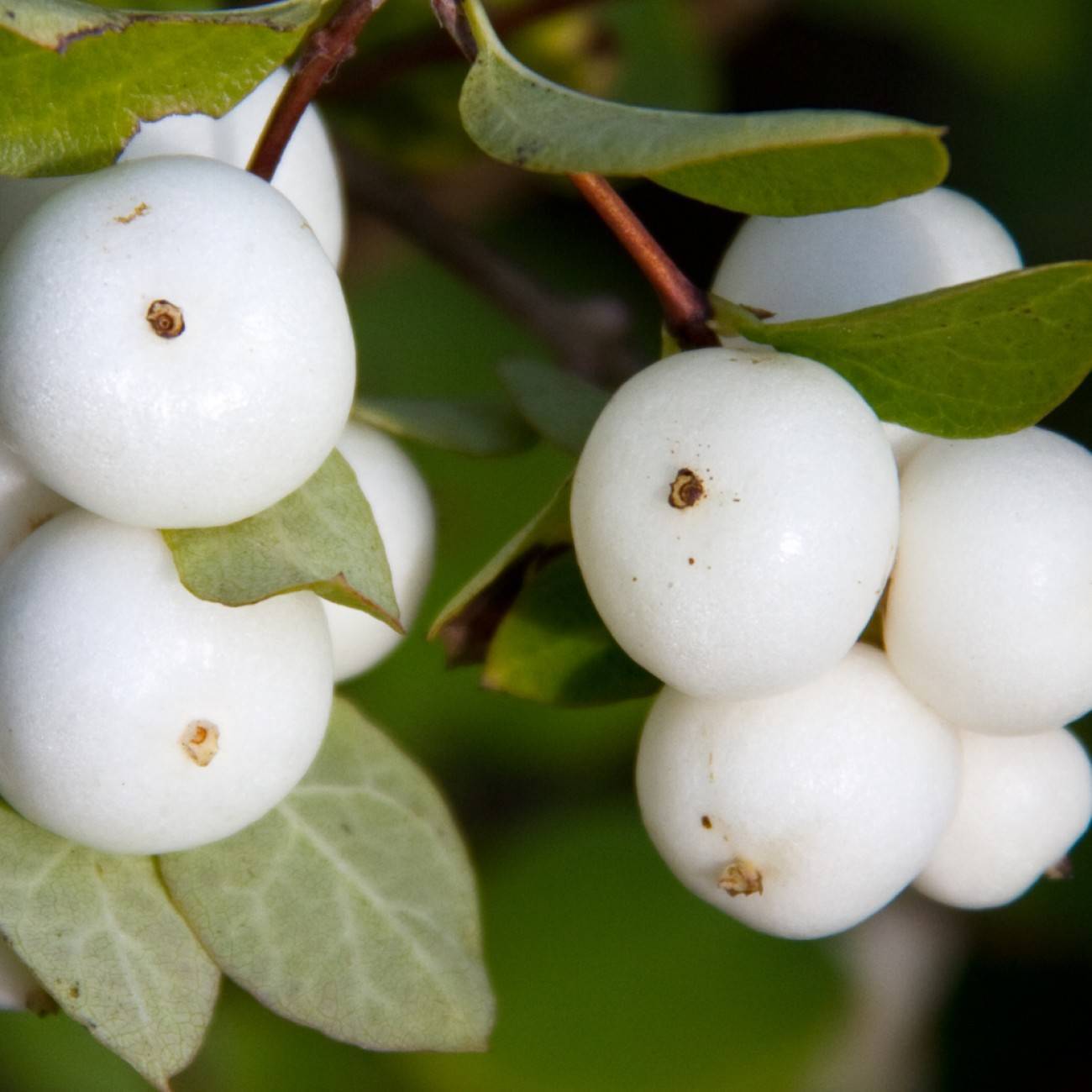
Coral Berry
Symphoricarpos orbiculatus
Overview
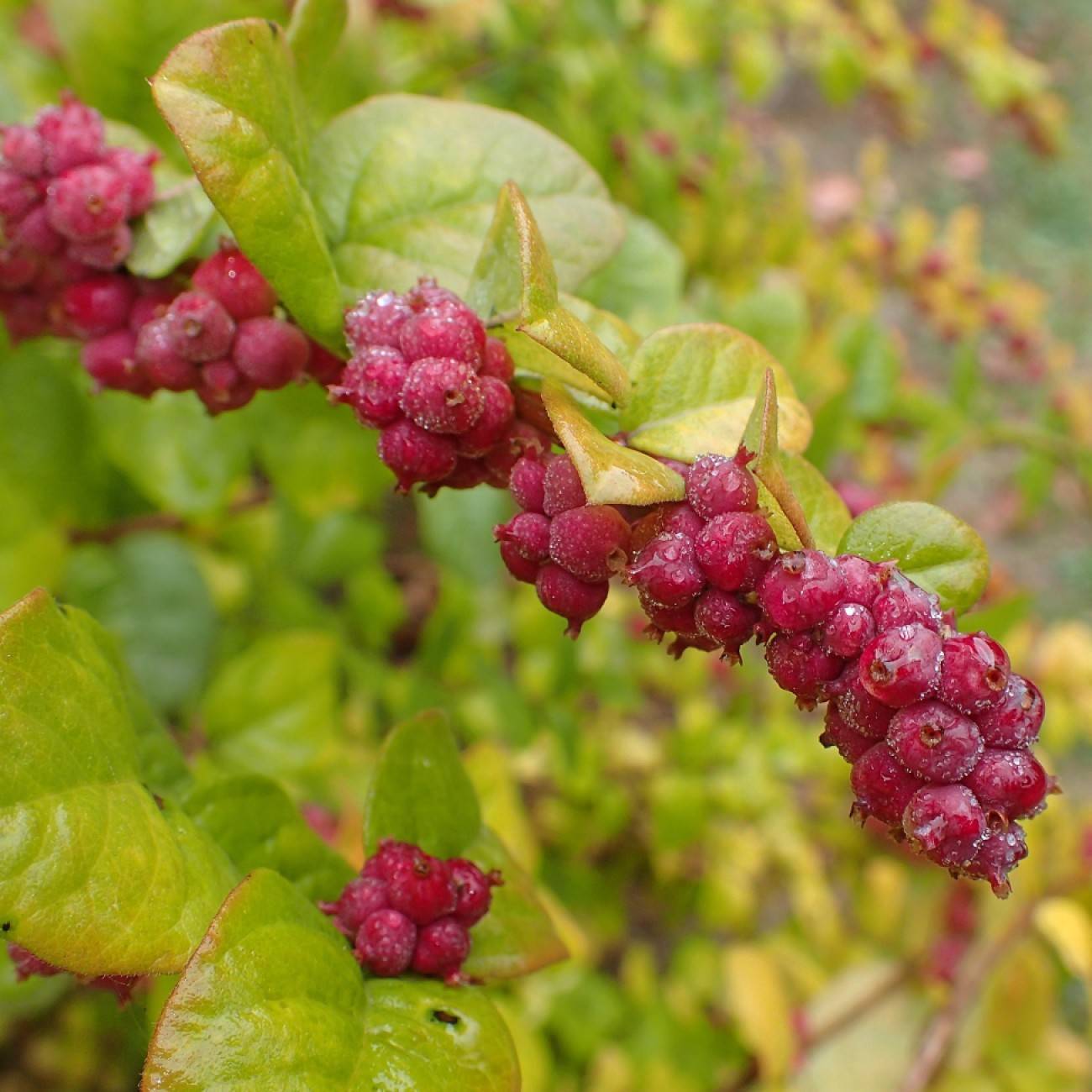
Coral berry, also called Indian currant, is a dense, bushy deciduous shrub with arching, brownish-purple stems and small, oval, dark green leaves that turn pale yellow in fall. Its tiny, bell-shaped pale pink summer flowers are subtle, but give way to abundant clusters of round, ¼-inch coral-pink to red berries that ripen in early fall and remain on the plant through most of the winter. Hardy in USDA zones 2 through 7, it is a popular low-maintenance landscape choice for naturalized areas, hedgerows, and winter interest gardens.
Care Guide
Watering
Coral berry is highly drought-tolerant once established, requiring only occasional deep watering during extended periods of no rainfall; avoid overwatering, as soggy soil can cause root rot. Newly planted shrubs need regular, consistent moisture for the first 1 to 2 growing seasons to develop a strong root system.
Light
Thrives in full sun to partial shade, with full sun exposure producing the heaviest berry yields. It can tolerate deep shade, though growth will be sparser and berry production will be significantly reduced.
Soil
Adaptable to a wide range of soil types including clay, loam, and sandy soils, as long as the site has good drainage. It tolerates both acidic and alkaline pH levels, and can even thrive in poor, dry, or compacted soils where many other shrubs struggle.
Fertilizer
Coral berry has very low fertilization needs; an annual light application of balanced, slow-release shrub fertilizer in early spring is sufficient for healthy growth. Avoid over-fertilizing, as this can lead to excessive leafy growth at the expense of berry production.
Temperature
Cold hardy down to -40°F (-40°C), making it suitable for very cold northern climates, and can tolerate summer temperatures up to 100°F (38°C) as long as it has adequate moisture. It does not perform well in extreme, prolonged heat common in zone 8 and above.
Pruning
Prune in late winter or early spring before new growth emerges to remove dead, damaged, or crossing branches, and to maintain a tidy shape. Mature shrubs can be cut back to 6-12 inches (15-30 cm) above the ground every 3 to 5 years to rejuvenate growth and encourage heavier berry production.
Propagation
Easily propagated from softwood cuttings taken in early summer, or hardwood cuttings collected in late winter after dormancy sets in. It can also be grown from seed, though seeds require 3 to 4 months of cold stratification to germinate, and plants grown from seed may take 2 to 3 years to produce berries.
Humidity
Tolerates a wide range of humidity levels, from the dry winters of the upper Midwest to the humid summers of the southeastern United States. No specific humidity adjustments are needed for outdoor-grown plants.
Repotting
Coral berry is almost exclusively grown as an outdoor landscape plant, so repotting is rarely necessary. If grown in a large container, repot every 2 to 3 years in early spring using a general-purpose potting mix with added perlite for drainage, and select a pot at least 2 inches wider than the previous one.
Uses & Symbolism
Widely planted in residential and public landscapes for winter ornamental interest, as its persistent bright berries stand out against bare winter branches and snow. It is also used for erosion control on slopes and in naturalized areas, and provides valuable food and shelter for birds, pollinators, and small wildlife throughout the year. Historically, some Indigenous North American tribes used the bark and roots for medicinal purposes to treat minor ailments.
Diseases & Pests
Generally pest and disease resistant, though it may occasionally be affected by powdery mildew, leaf spot, or anthracnose in humid, poorly ventilated conditions. Common pests include aphids, scale insects, and spider mites, which can be controlled with insecticidal soap or horticultural oil if infestations become severe. Deer may browse on young stems, though mature plants are relatively deer-resistant.
Related plants
Other plants you might like if you grow Coral Berry.