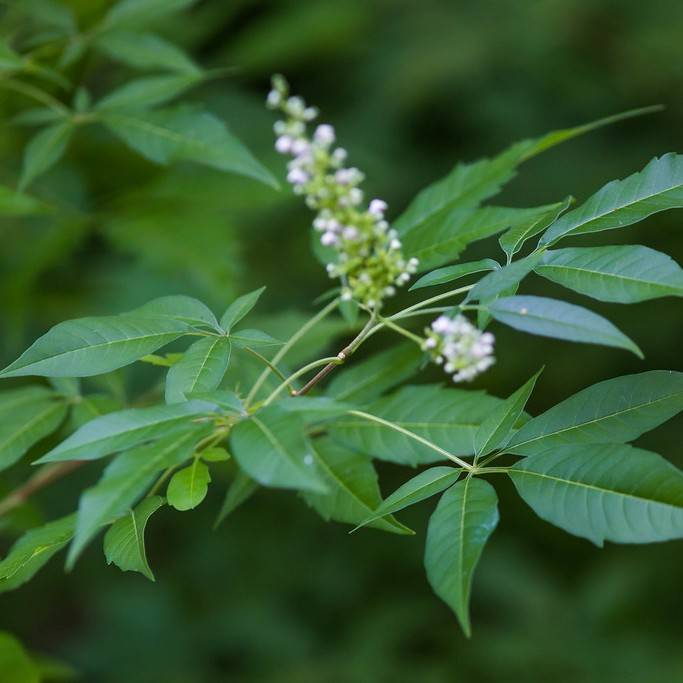
Chaste Tree
Vitex agnus-castus
Overview
The chaste tree is a drought-tolerant, deciduous woody plant with palmate, aromatic gray-green foliage that emits a peppery scent when crushed. It produces dense, vertical spikes of tiny lavender-blue, white, or pink flowers from mid-summer to early fall, attracting pollinators including bees, butterflies, and hummingbirds. Its common name derives from historical beliefs that its berries reduced libido, leading to its use in monastic communities during the Middle Ages. It is widely cultivated as an ornamental landscape plant in temperate and subtropical regions.
Care Guide
Watering
Water newly planted chaste trees deeply once or twice weekly for the first growing season to establish a robust root system. Once established, the plant is highly drought-tolerant, requiring only occasional watering during extended periods of extreme heat or no rainfall, as overwatering can lead to root rot. Avoid wetting the foliage when watering to reduce the risk of fungal diseases.
Light
Chaste trees require full sun, meaning a minimum of 6 to 8 hours of direct, unfiltered sunlight per day to produce abundant blooms and maintain a dense, healthy growth habit. Plants grown in partial shade will become leggy, produce fewer flowers, and are more susceptible to pest and disease issues. They tolerate intense, reflected sunlight well, making them suitable for planting near paved areas.
Soil
This adaptable plant thrives in a wide range of well-drained soil types, including sandy, loamy, clay, and even poor, rocky soils, as long as standing water does not accumulate around the root zone. It prefers a neutral to slightly alkaline soil pH between 6.0 and 8.0, though it can tolerate mildly acidic conditions. Amend heavy clay soils with compost or coarse sand prior to planting to improve drainage and prevent root rot.
Fertilizer
Chaste trees are light feeders and rarely require regular fertilization when grown in average garden soil. For young plants or those growing in very poor soil, apply a balanced, slow-release 10-10-10 fertilizer once per year in early spring before new growth emerges. Avoid over-fertilizing, especially with high-nitrogen products, as this can promote excessive foliage growth at the expense of flower production.
Temperature
Chaste trees grow best in USDA hardiness zones 6 through 9, tolerating winter temperatures as low as -10°F (-23°C) when established. In cooler zones, the plant may die back to the ground in winter but will regrow from the root system in spring, blooming normally on new wood. It thrives in warm summer temperatures and tolerates high heat and humidity well, though excessive winter moisture can damage roots.
Pruning
Prune chaste trees in late winter or early spring before new growth begins, as flowers are produced on new wood each year. You can cut back the entire plant to within 2 to 3 feet of the ground to encourage a compact, bushy growth habit, or selectively remove older stems and shape the plant into a small tree form by pruning away lower branches. Remove spent flower spikes throughout the blooming season to encourage additional flowering and prevent self-seeding if desired.
Propagation
Chaste trees are most commonly propagated from semi-hardwood cuttings taken in mid to late summer, using 4 to 6 inch stem cuttings from healthy, current-season growth, dipped in rooting hormone and planted in well-drained potting mix under consistent moisture. They can also be grown from seed, though seeds require a 3-month cold stratification period to germinate, and seed-grown plants may not retain the exact flower color or growth habit of the parent plant. Suckers that grow from the base of established plants can also be dug up and transplanted in early spring.
Humidity
Chaste trees tolerate a wide range of humidity levels, thriving in the dry Mediterranean climates of their native range as well as the higher humidity of subtropical regions. Good air circulation around the plant is important in high-humidity areas to prevent fungal leaf spot and powdery mildew from developing on foliage. Avoid planting in overly crowded, poorly ventilated locations to minimize humidity-related disease risks.
Repotting
Chaste trees grown in containers should be repotted every 2 to 3 years in early spring before new growth emerges, moving to a pot one size larger with fresh, well-drained potting mix. Choose a heavy container with adequate drainage holes to prevent the plant from tipping over as it grows, and avoid repotting more frequently than necessary, as the plant blooms best when its roots are slightly root-bound. For mature container specimens that are too large to repot, refresh the top 2 to 3 inches of potting mix each spring to replenish nutrients.
Uses & Symbolism
Chaste tree berries have a long history of use in traditional herbal medicine, most commonly to alleviate symptoms of premenstrual syndrome, menopause, and menstrual irregularities, though clinical evidence for its efficacy is mixed. It is widely planted as an ornamental landscape plant for its long summer bloom period, drought tolerance, and ability to attract pollinators, often used as a specimen plant, hedge, or border planting in warm regions. The aromatic leaves and branches have been used historically as a natural insect repellent, and the hard, dense wood is occasionally used for small woodworking projects.
Diseases & Pests
Chaste trees are relatively pest and disease resistant, though they can occasionally be affected by aphids, spider mites, and scale insects, which can be controlled with insecticidal soap or horticultural oil applications. Fungal diseases including leaf spot, powdery mildew, and root rot can occur in poorly drained soil or conditions of high humidity and poor air circulation, which can be prevented by planting in well-drained soil, spacing plants appropriately for air flow, and avoiding overhead watering. In areas with very wet winter conditions, root rot is the most common issue, which can be avoided by amending soil prior to planting and reducing watering during cool, wet months.
Related plants
Other plants you might like if you grow Chaste Tree.
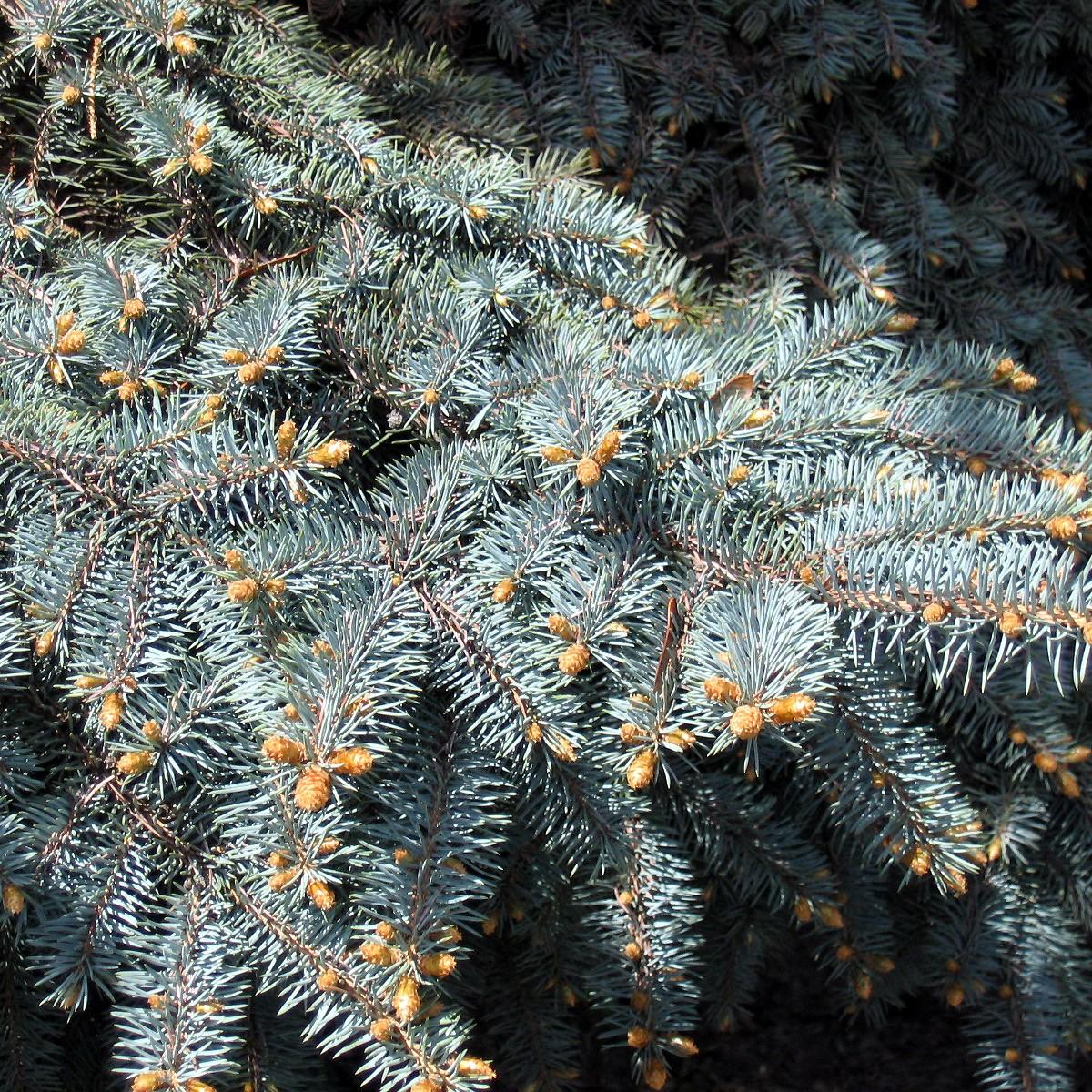
Colorado Blue Spruce
Picea pungens
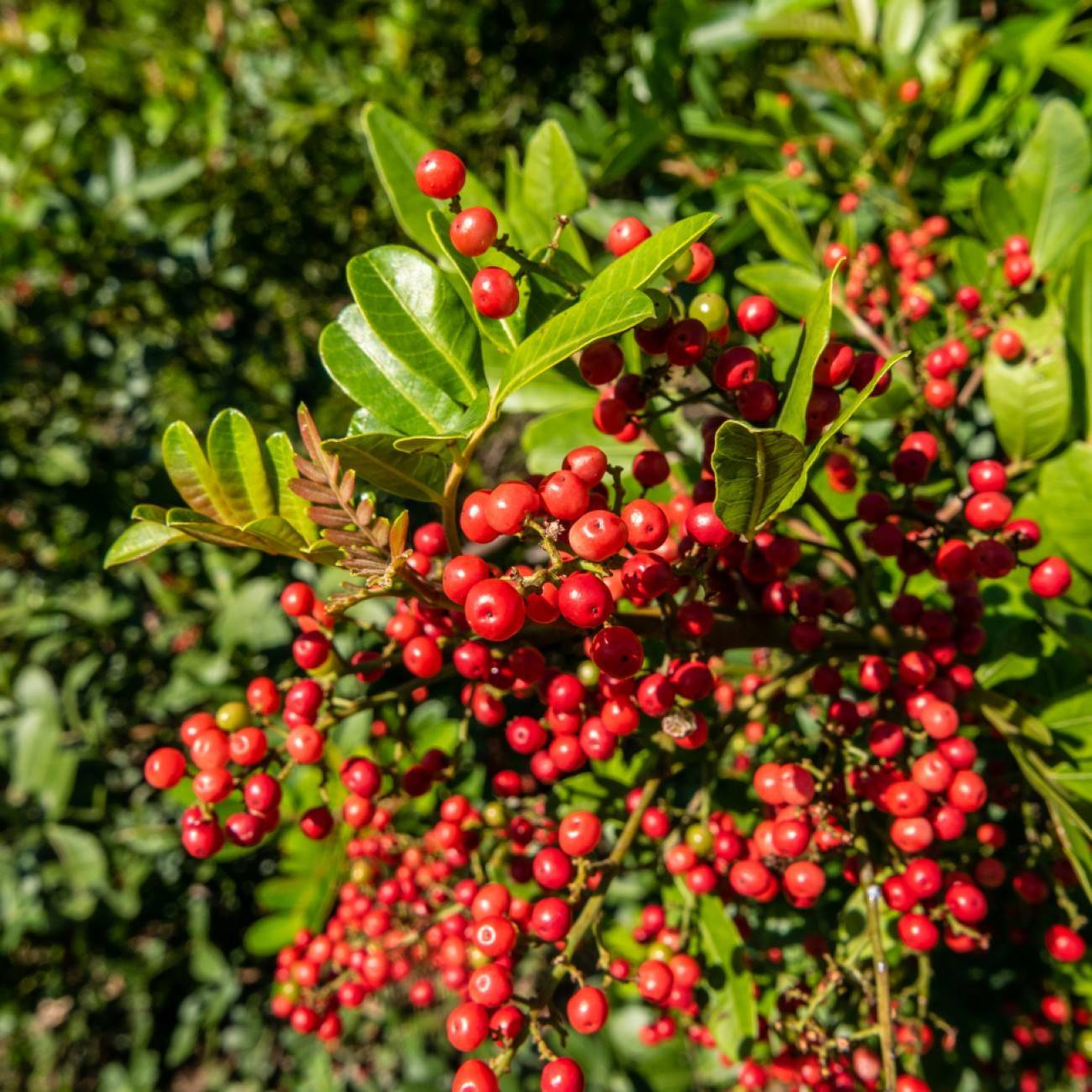
Brazilian Peppertree
Schinus terebinthifolia
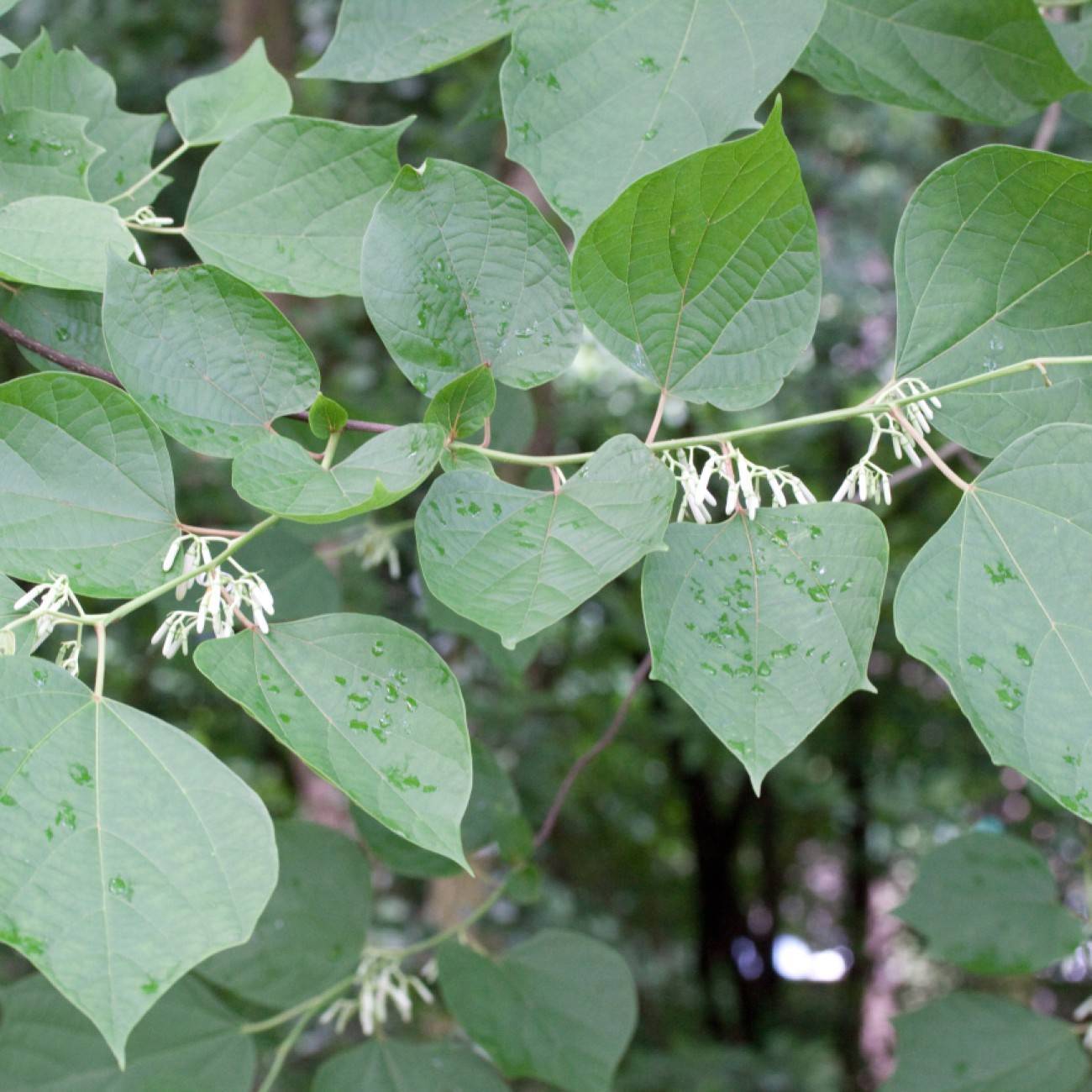
alangium
Alangium platanifolium var. macrophyllum
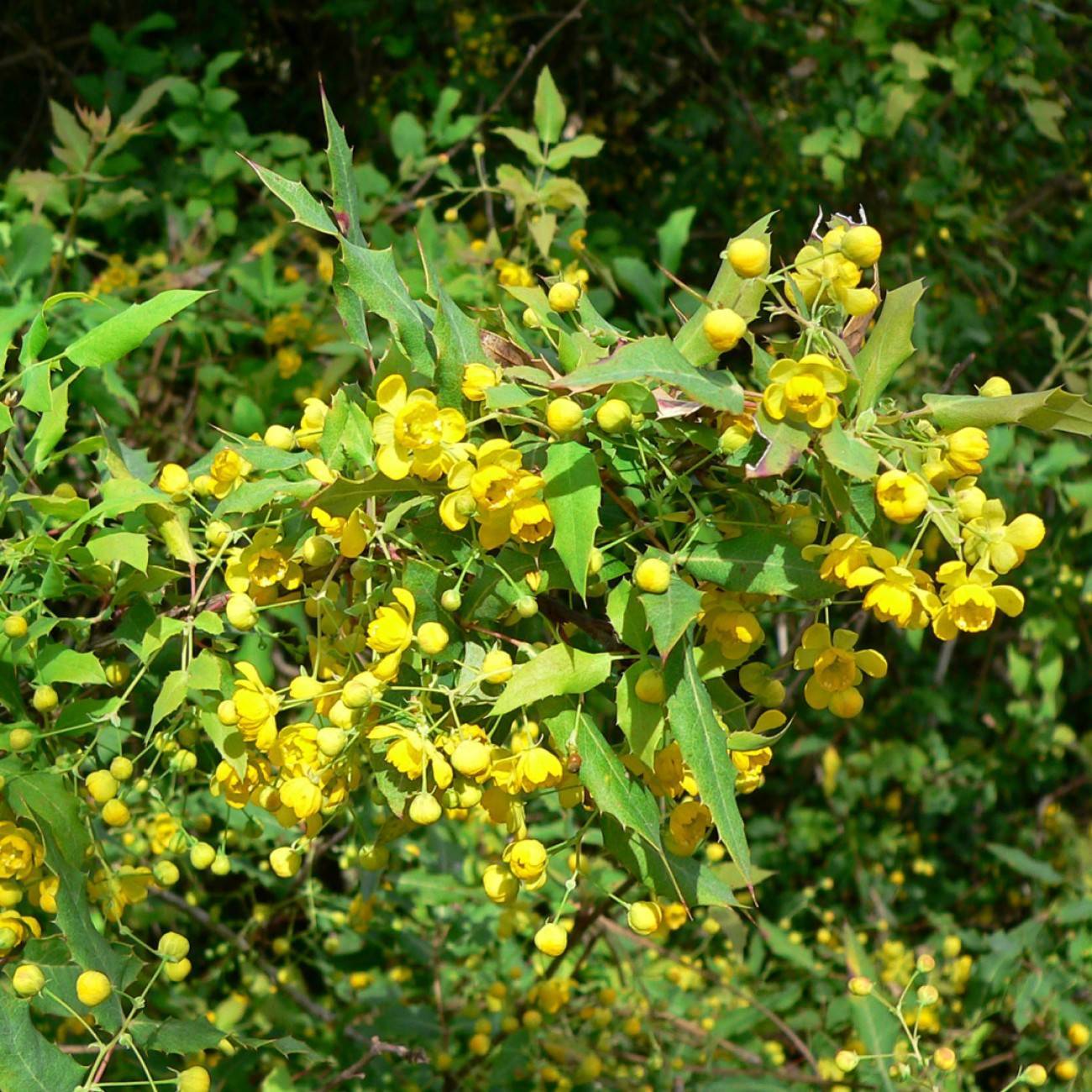
barberry
Berberis 'Soft Caress'
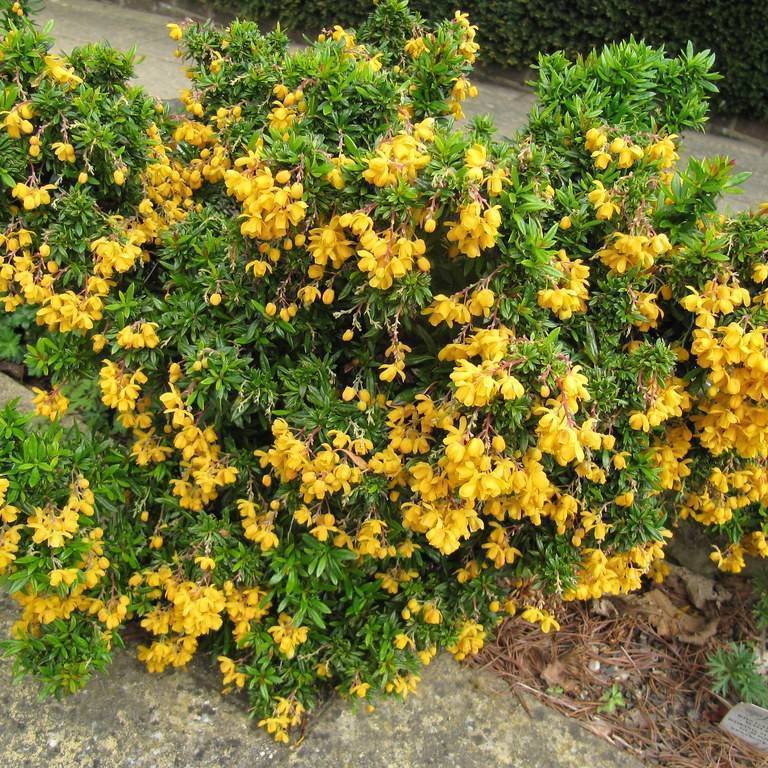
barberry
Berberis stenophylla 'Corallina Compacta'
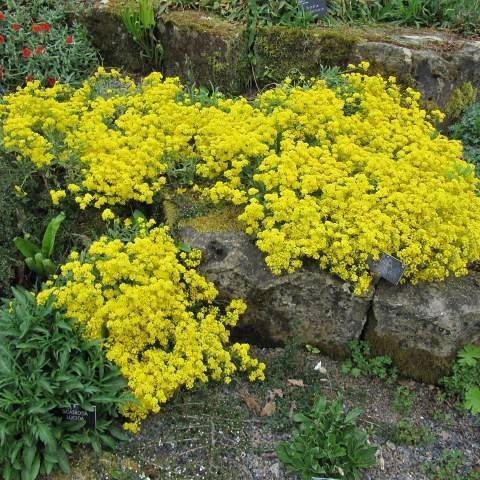
basket of gold
Aurinia saxatilis 'Gold Dust'
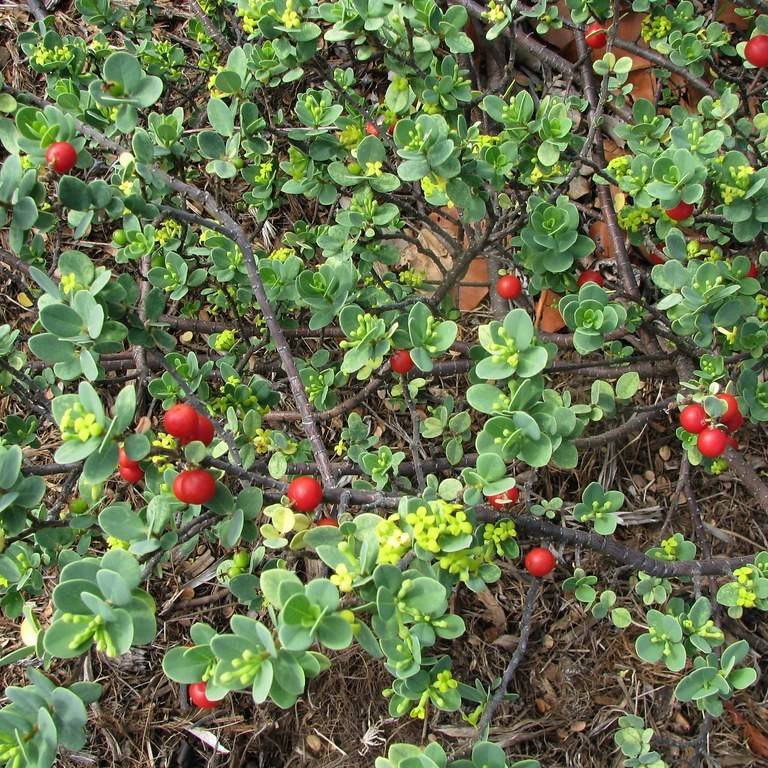
bearberry
Arctostaphylos uva-ursi 'Wood's Red'
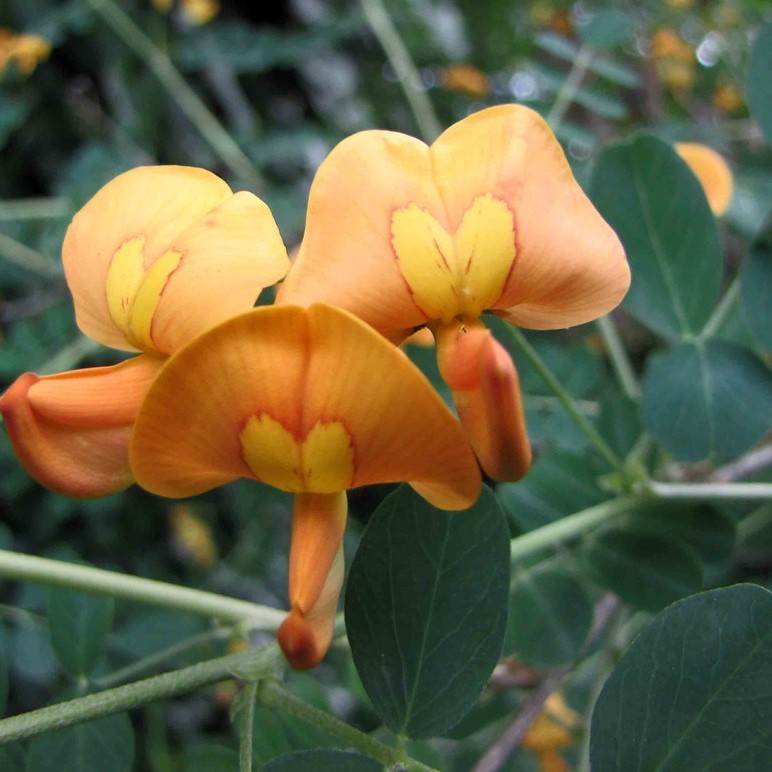
bladder senna
Colutea media