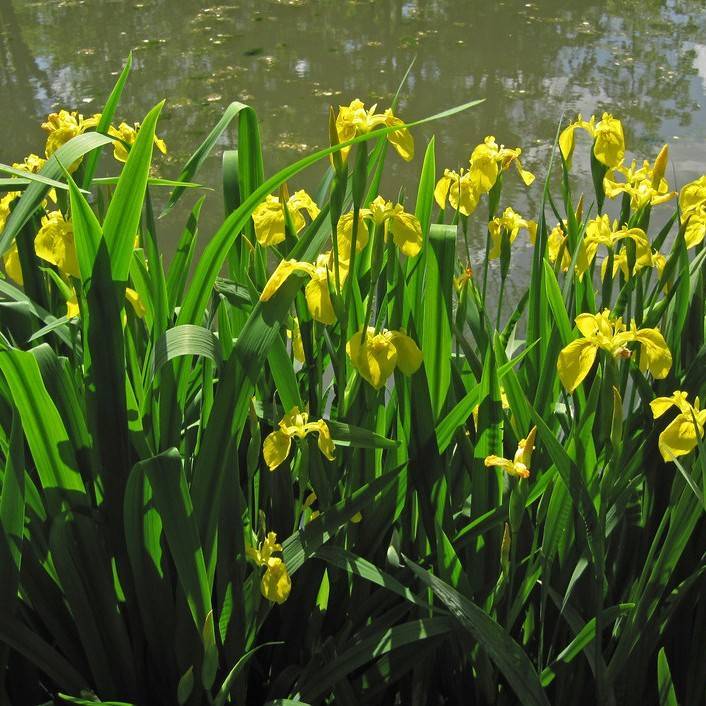
Copper Iris
Iris fulva
Overview
Copper iris is a beardless iris species endemic to wet meadows, swamps, stream banks, and floodplains of the central and southeastern U.S. It produces slender, upright sword-shaped green foliage and unique, muted coppery-hued flowers with spreading falls and smaller upright standards, blooming from late spring to early summer. It is adapted to poorly drained, saturated soils that many ornamental plants cannot tolerate, making it a valuable addition to rain gardens and water features.
Care Guide
Watering
Copper iris thrives in consistently moist to wet soil, and can tolerate shallow standing water up to 6 inches deep for extended periods. Never allow the soil to dry out completely; water deeply and frequently during dry spells to maintain saturated or near-saturated conditions, especially for plants grown in upland garden beds.
Light
This species grows best in full sun to partial shade, with full sun exposure encouraging the most abundant and vibrant blooms. In regions with intense, hot summer sun, provide light afternoon shade to prevent foliage scorching and reduce moisture loss from the soil.
Soil
Prefers rich, acidic, loamy or clay soil with high organic matter content and poor drainage, as it is adapted to the saturated conditions of wetland habitats. It tolerates heavy clay and occasional flooding, and will struggle in alkaline, sandy, or fast-draining soils that do not retain consistent moisture.
Fertilizer
Apply a balanced, slow-release granular fertilizer formulated for flowering perennials in early spring before new growth emerges, working it gently into the top layer of soil around the rhizomes to avoid root disturbance. Avoid high-nitrogen fertilizers, which can promote excessive foliage growth at the expense of blooms; a second light application after flowering can support healthy rhizome development for the next year.
Temperature
Copper iris is cold-hardy in USDA zones 4 through 9, tolerating winter temperatures as low as -30°F (-34°C) when its rhizomes are insulated by soil or mulch. It adapts well to warm, humid summer conditions across its native range, and does not require special protection from heat as long as soil moisture levels remain adequate.
Pruning
Remove spent flower stalks at the base after blooming finishes to prevent self-seeding if you do not want volunteer plants, and to keep the planting looking tidy. Cut back yellowed or dead foliage in late fall or early spring before new growth emerges, and remove any foliage showing signs of fungal disease immediately to prevent spread.
Propagation
The most reliable method is division of established rhizomes, done in late summer to early fall after flowering has finished, when the plant is semi-dormant. Dig up clumps, cut rhizomes into sections with at least one healthy fan of foliage and a set of roots, and replant sections with the top of the rhizome just below the soil surface, spacing them 12 to 18 inches apart. It can also be grown from seed, but seeds require 3 months of cold stratification to germinate, and plants grown from seed will take 2 to 3 years to reach flowering maturity.
Humidity
Copper iris thrives in the moderate to high humidity levels common in its native wetland habitats, tolerating ambient outdoor humidity across most of its hardiness range without extra intervention. For potted specimens grown indoors, maintain humidity levels of 50% or higher by placing the pot on a tray of pebbles filled with water, or using a small humidifier if indoor air is excessively dry.
Repotting
Potted copper iris should be repotted every 2 to 3 years in late fall or early spring, when the plant is dormant, to refresh the soil and prevent overcrowding of rhizomes. Use a wide, shallow pot with drainage holes, filled with a rich, acidic potting mix amended with compost or peat moss to retain moisture, and plant rhizomes with their tops just below the soil surface to avoid rot. If growing in a water garden, place potted specimens at a depth of 0 to 6 inches below the water surface for optimal growth.
Uses & Symbolism
Copper iris is a popular ornamental for rain gardens, bioswales, pond edges, and wet meadow plantings, where its unique copper-hued blooms add unusual color to moisture-heavy sites. It provides nectar for native bumblebees, hummingbirds, and specialist iris pollinators, and its dense foliage offers cover for small wetland wildlife. Historically, some Indigenous American groups used small, carefully prepared amounts of its rhizomes for medicinal purposes, though its toxicity makes unregulated use dangerous.
Diseases & Pests
The most common issues are fungal leaf spot and iris borer infestations, both of which are more prevalent in overly crowded plantings or when foliage remains wet for extended periods without air flow. Root rot can occur if rhizomes are planted too deeply, though copper iris is far more tolerant of wet soil than most other iris species, so rot is rare unless drainage is completely absent in non-wetland sites. Aphids and slugs may occasionally feed on young foliage, but rarely cause significant damage to established, healthy plants.
Related plants
Other plants you might like if you grow Copper Iris.