Common Privet
Ligustrum vulgare
Overview
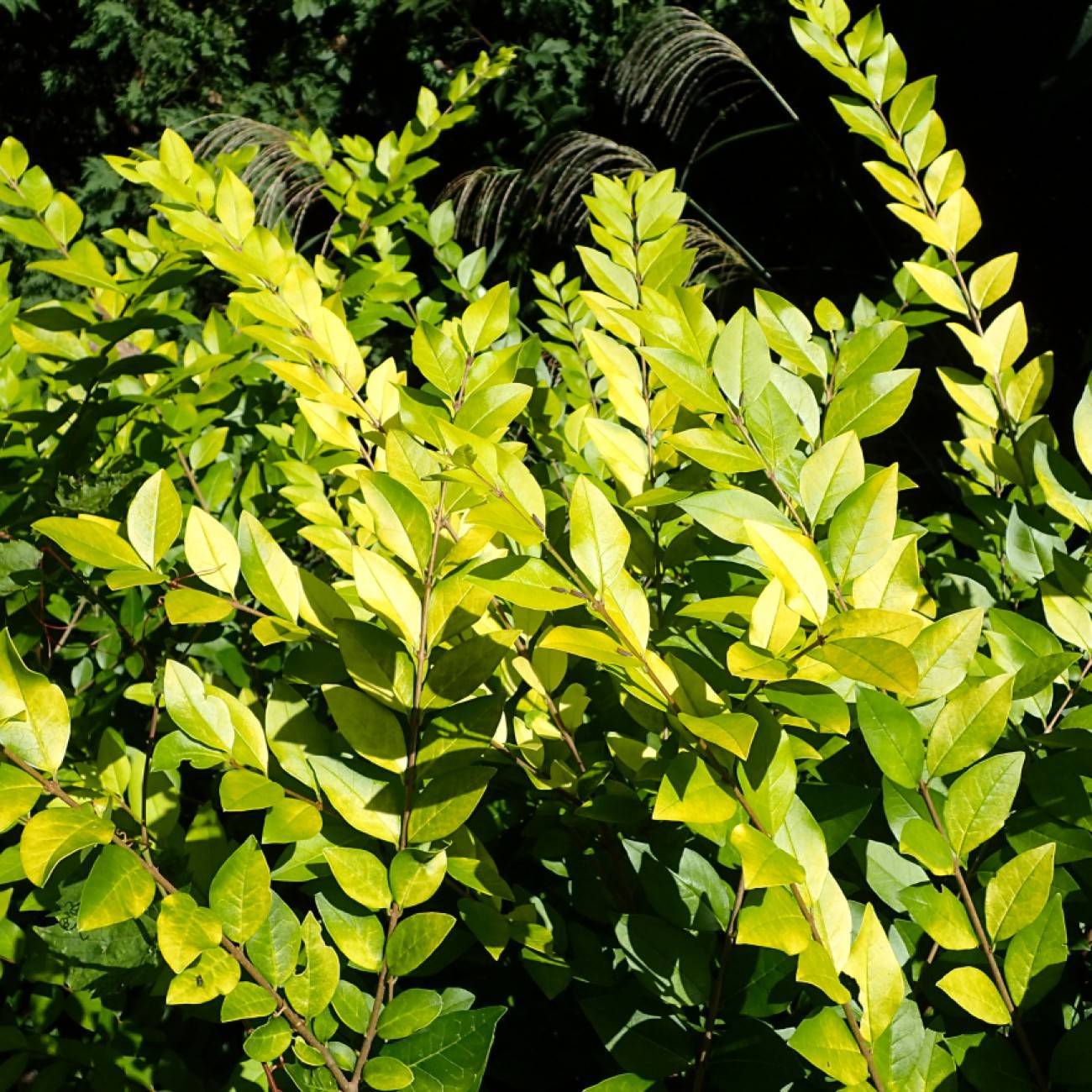
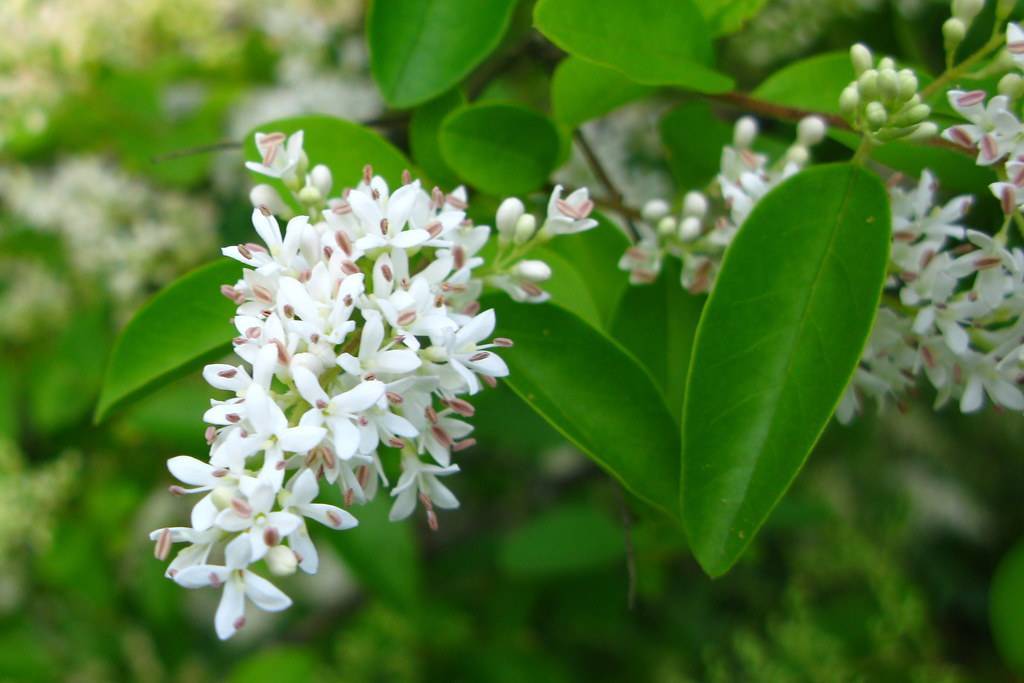
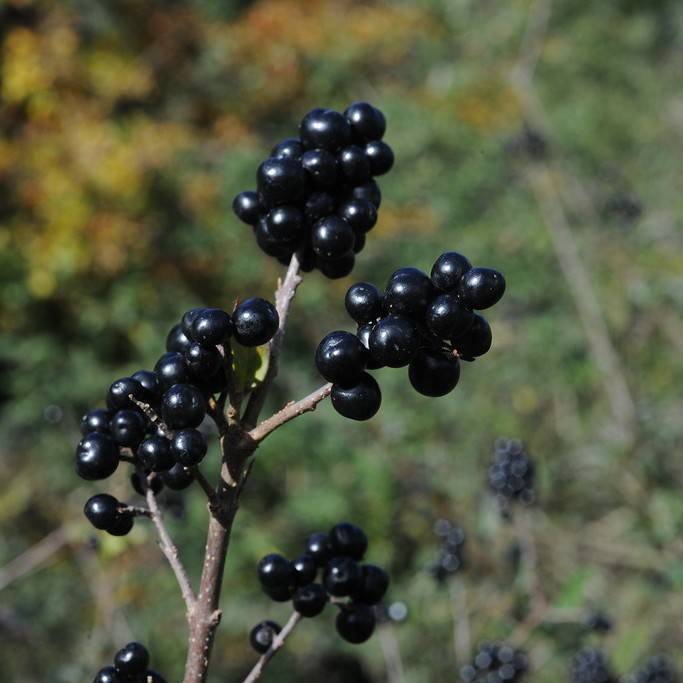
Common Privet is a versatile, fast-growing shrub valued for its tolerance of heavy pruning and ability to form dense, impenetrable screens. It produces clusters of fragrant, small white flowers in late spring to early summer, followed by glossy black berries that persist into winter and provide food for wild birds. While deciduous in cold climates, it retains most of its leaves in milder regions, making it a popular year-round landscaping choice for both residential and public spaces.
Care Guide
Watering
Water newly planted Common Privet regularly for the first 1-2 years to establish a deep root system, keeping the soil consistently moist but not waterlogged. Once established, it is highly drought-tolerant, requiring only occasional watering during prolonged dry spells, and can survive even extended periods of low rainfall. Overwatering, especially in poorly drained soil, is the most common cause of root rot in established plants.
Light
Common Privet thrives in full sun, where it produces the densest foliage and most abundant flowering, but it also tolerates partial shade very well. In heavy, deep shade, growth will become sparser and the plant will produce fewer flowers and berries, though it will still survive as a low-maintenance informal screen. It can adapt to reflected heat from pavements and walls, making it suitable for urban roadside planting.
Soil
This shrub is extremely adaptable to a wide range of soil types, including clay, loam, sand, and chalky soils, as long as the site has reasonable drainage. It tolerates both acidic and alkaline pH levels, as well as moderate soil salinity, making it suitable for coastal planting in mild regions. Heavy, consistently waterlogged soils will cause root damage, so amending with organic matter to improve drainage is recommended for very compact sites.
Fertilizer
Common Privet is not a heavy feeder, and most established plants will grow well without regular fertilization if planted in reasonably fertile soil. To encourage dense, lush growth, apply a balanced, slow-release granular fertilizer in early spring before new growth emerges, watering it in well to avoid burning the shallow root system. Avoid high-nitrogen fertilizers late in the growing season, as they can stimulate tender new growth that will be damaged by winter frost.
Temperature
Common Privet is cold-hardy in USDA zones 4-7, tolerating winter temperatures as low as -30°F (-34°C) without significant damage when dormant. In warmer zones above 7, it may struggle with prolonged high heat and humidity, often dropping leaves prematurely or suffering from fungal leaf spot. It tolerates moderate wind exposure, though young hedges may benefit from a windbreak during their first winter to prevent desiccation.
Pruning
Formal Common Privet hedges should be pruned 2-3 times per year during the growing season, from late spring to early fall, to maintain a neat, tapered shape that is wider at the base to allow sunlight to reach lower foliage. Unpruned specimens require only occasional removal of dead, damaged, or crossing branches in late winter to improve air circulation and structure. Heavy rejuvenation pruning, cutting the entire shrub back to 6-12 inches (15-30 cm) above ground level, can be done in late winter to renew overgrown, leggy plants.
Propagation
Common Privet is most easily propagated from semi-hardwood cuttings taken in mid to late summer, from current-year growth that has started to firm up. Cuttings 4-6 inches (10-15 cm) long, stripped of lower leaves and dipped in rooting hormone, will root reliably in moist, well-draining potting mix within 6-8 weeks under high humidity. It can also be grown from seed sown in fall, though seeds require 3-4 months of cold stratification to germinate, and seedlings will not retain the exact characteristics of parent cultivars.
Humidity
Common Privet tolerates a wide range of humidity levels, from dry continental climates to moderately humid coastal conditions, with no special humidity requirements for outdoor growth. In very high humidity regions, ensure plants have ample space and good air circulation to reduce the risk of fungal leaf diseases and powdery mildew. Indoor potted specimens will adapt to average household humidity levels, though occasional misting can help reduce leaf browning in very dry heated air during winter.
Repotting
Potted Common Privet specimens, often grown as topiary or bonsai, should be repotted every 2-3 years in early spring before new growth emerges, to refresh the soil and prevent root binding. Use a general-purpose, well-draining potting mix, and prune back up to one-third of the root ball during repotting to control size and encourage healthy new root growth. Ensure the pot has adequate drainage holes to prevent waterlogging, and avoid overpotting, as excess soil moisture will cause root rot.
Uses & Symbolism
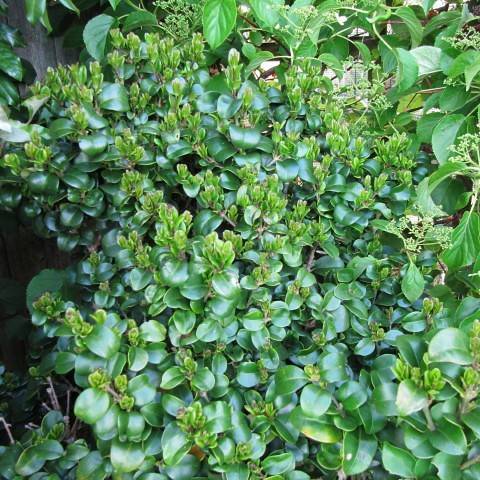
Common Privet is most widely cultivated as a formal or informal hedge for privacy screening, boundary marking, and noise reduction in residential, commercial, and public landscaping. It is also a popular choice for topiary, as its dense growth and tolerance of heavy pruning allow it to be shaped into intricate forms, and it is commonly used in bonsai cultivation. Historically, its flexible stems were used for basket weaving, and its bark and leaves have been used in traditional herbal medicine, though its toxicity makes internal use unsafe today.
Diseases & Pests
Common Privet is relatively pest and disease resistant, but it can be affected by aphids, scale insects, and privet thrips, which feed on sap and cause leaf curling, discoloration, and stunted growth. Fungal diseases including powdery mildew, leaf spot, and root rot are common in overly wet, poorly drained conditions or areas with poor air circulation, causing leaf drop and weakening of the plant. Honey fungus, a destructive soil-borne fungal pathogen, can infect stressed privet plants, leading to rapid decline and death, with no effective cure once established.
Related plants
Other plants you might like if you grow Common Privet.