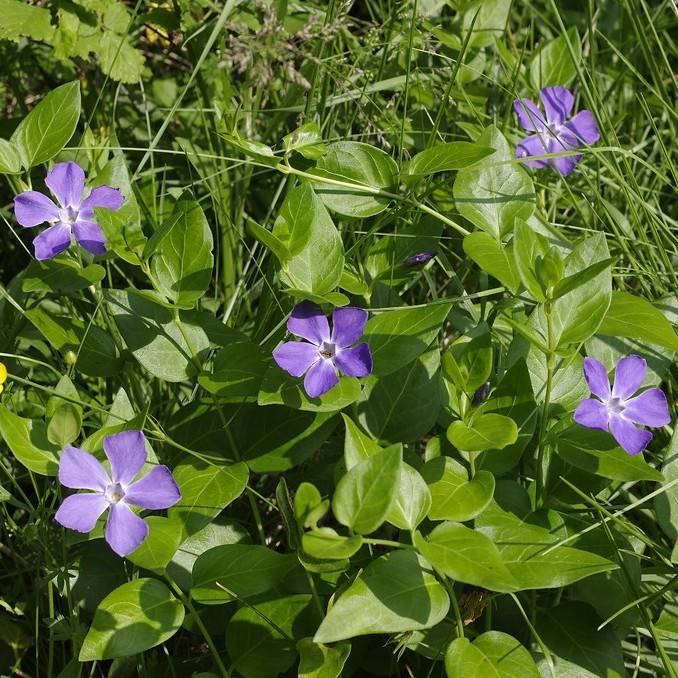
Common Periwinkle
Vinca minor
Overview
Common periwinkle is a mat-forming evergreen perennial often used as a dense ground cover in shaded or partially shaded landscapes. It produces small, five-petaled, lavender-blue or white flowers from early to late spring, with occasional sporadic blooms throughout the summer. Its trailing stems root at the nodes as they spread, creating a thick, weed-suppressing carpet that thrives in areas where turf grass struggles to grow.
Care Guide
Watering
Water newly planted common periwinkle regularly to keep soil consistently moist for the first growing season, until roots are established. Once established, it is highly drought-tolerant, requiring only occasional watering during extended dry periods; avoid overwatering to prevent root rot.
Light
Thrives in partial to full shade, making it ideal for planting under trees or along north-facing building foundations. It can tolerate full sun in cooler climates if given consistent moisture, but foliage may scorch in intense, direct sun in warmer regions.
Soil
Adaptable to a wide range of soil types, including loam, clay, and sandy soils, as long as the site has good drainage. It prefers a slightly acidic to neutral pH (6.0 to 7.5) but will tolerate mildly alkaline conditions, and grows well even in low-fertility soils.
Fertilizer
Common periwinkle rarely needs regular fertilization, as it thrives in low-nutrient soils. If growth is sparse or pale, apply a balanced, slow-release all-purpose fertilizer in early spring at half the recommended rate to avoid encouraging excessive, leggy growth.
Temperature
Hardy in USDA zones 4 to 8, tolerating winter temperatures as low as -30°F (-34°C) without significant damage. It prefers moderate summer temperatures between 60 and 80°F (15 to 27°C), and may go semi-dormant during extended periods of extreme heat above 90°F (32°C).
Pruning
Prune in early spring before new growth emerges to remove any winter-damaged foliage and control spread, as the plant can become invasive in ideal conditions. Mow over large plantings on a high setting every 2 to 3 years to rejuvenate growth and prevent the mat from becoming too thick and woody.
Propagation
Easily propagated by stem cuttings taken in late spring or early summer, rooted in moist potting mix with no rooting hormone required. It can also be divided in fall or early spring by lifting established clumps, separating rooted stem sections, and replanting them at the same soil depth.
Humidity
Adaptable to average outdoor humidity levels between 40 and 60%, with no special humidity requirements. It tolerates both dry and moderately humid air, though very high humidity combined with poor air circulation can increase the risk of fungal leaf spots.
Repotting
When grown in containers, repot every 2 to 3 years in early spring, moving to a pot one size larger with well-draining potting soil. Trim back overgrown trailing stems and tangled roots during repotting to keep the plant compact and encourage healthy new growth.
Uses & Symbolism
Widely planted as a low-maintenance ground cover for shaded slopes, woodland gardens, and underplanting for trees and shrubs, where its spreading habit helps control soil erosion. It is also grown in hanging baskets and containers as a trailing foliage plant, and its leaves and flowers have been used in traditional medicine to treat a range of conditions, though its toxic alkaloids require careful handling. Extracts from the plant are used to produce the pharmaceuticals vincristine and vinblastine, critical chemotherapy drugs for treating several types of cancer.
Diseases & Pests
Common pests include aphids, scale insects, and spider mites, which can be controlled with insecticidal soap or horticultural oil sprays. Fungal diseases such as leaf spot, stem blight, and root rot may occur in overly wet, poorly drained sites or when plants are grown in crowded conditions with poor air circulation. It is also susceptible to phytophthora root rot in heavy, waterlogged soils, which can be prevented by planting in well-draining sites and avoiding overwatering.
Related plants
Other plants you might like if you grow Common Periwinkle.
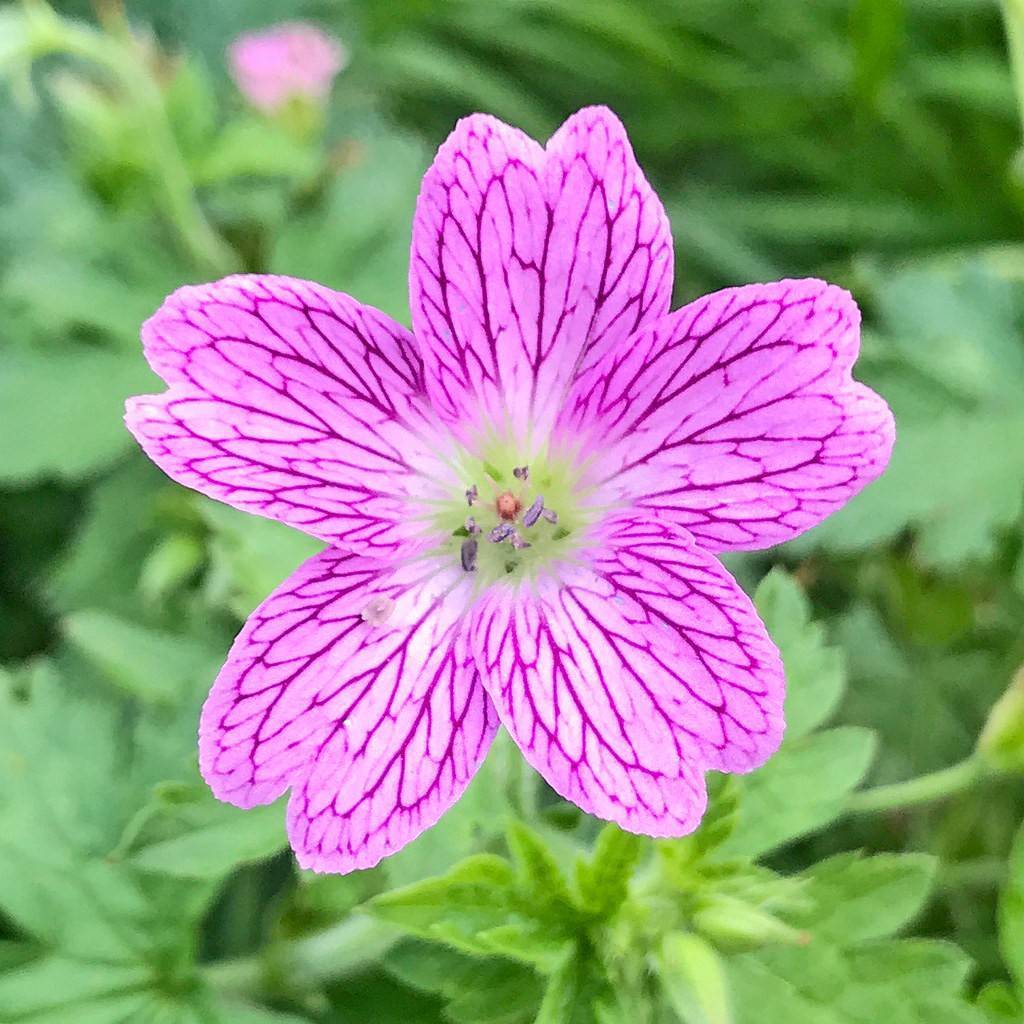
Endres's Cranesbill
Geranium endressii
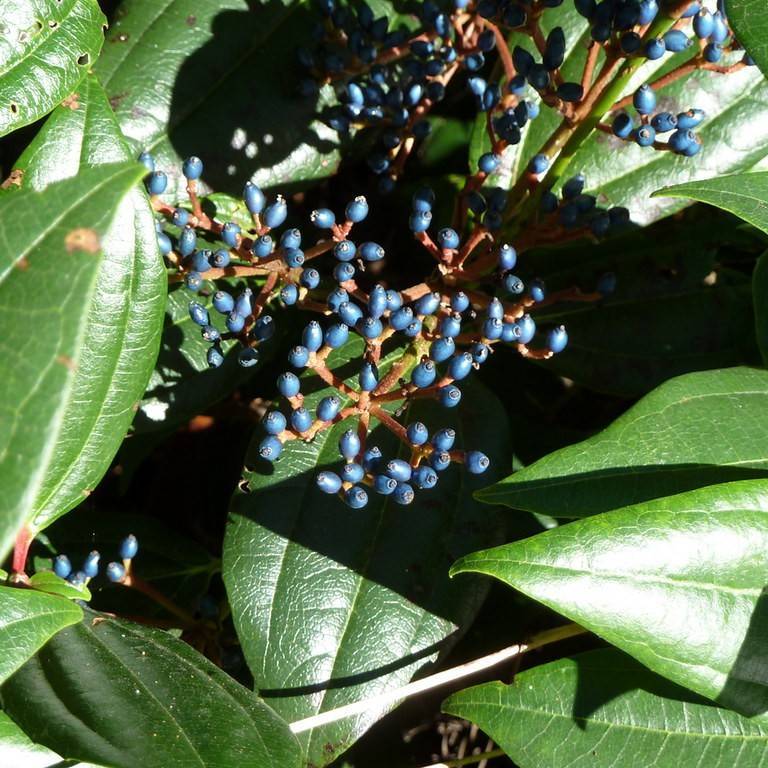
David Viburnum
Viburnum davidii
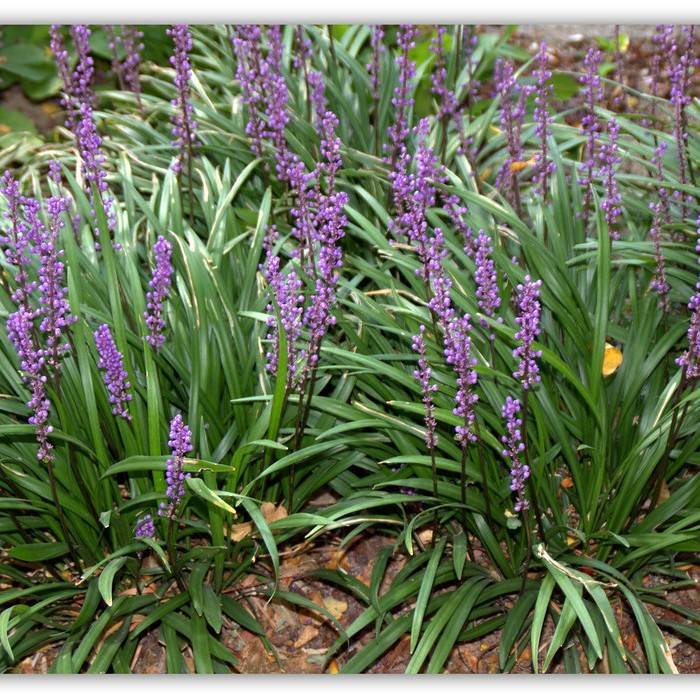
Big Blue Lilyturf
Liriope muscari 'Big Blue'
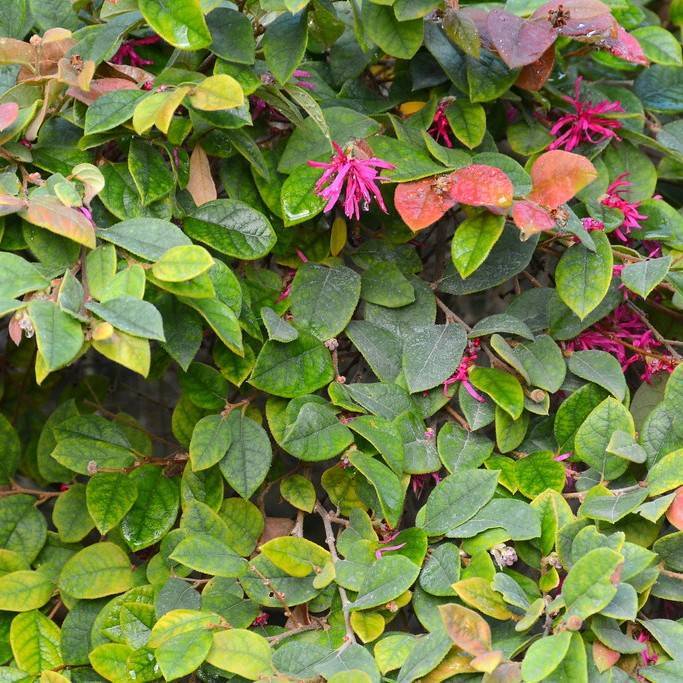
Chinese Fringe Flower
Loropetalum chinense
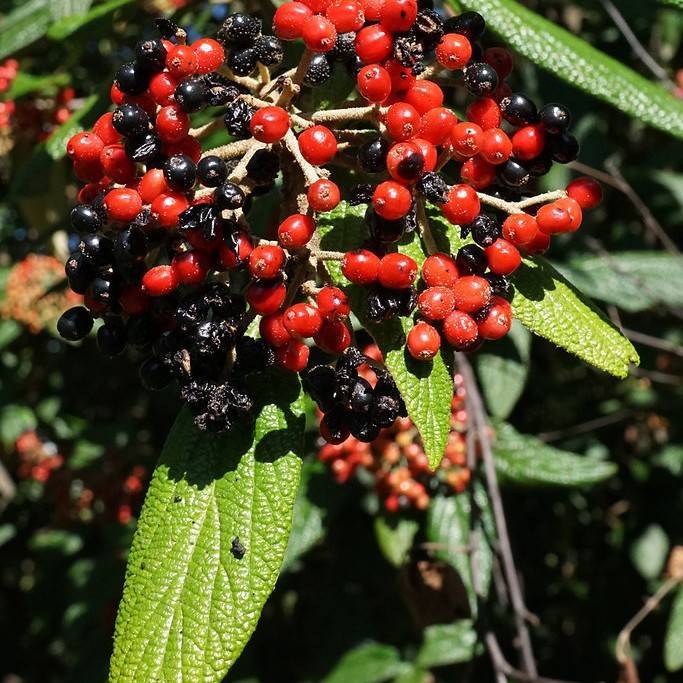
Leatherleaf Viburnum
Viburnum rhytidophyllum
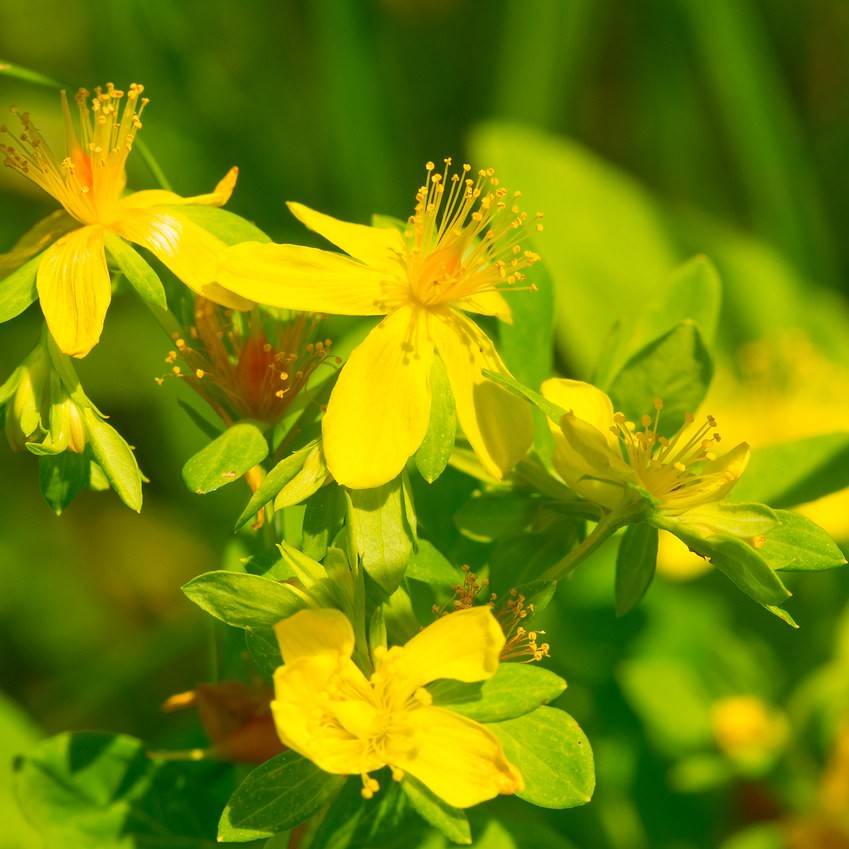
Great St John's Wort
Hypericum ascyron
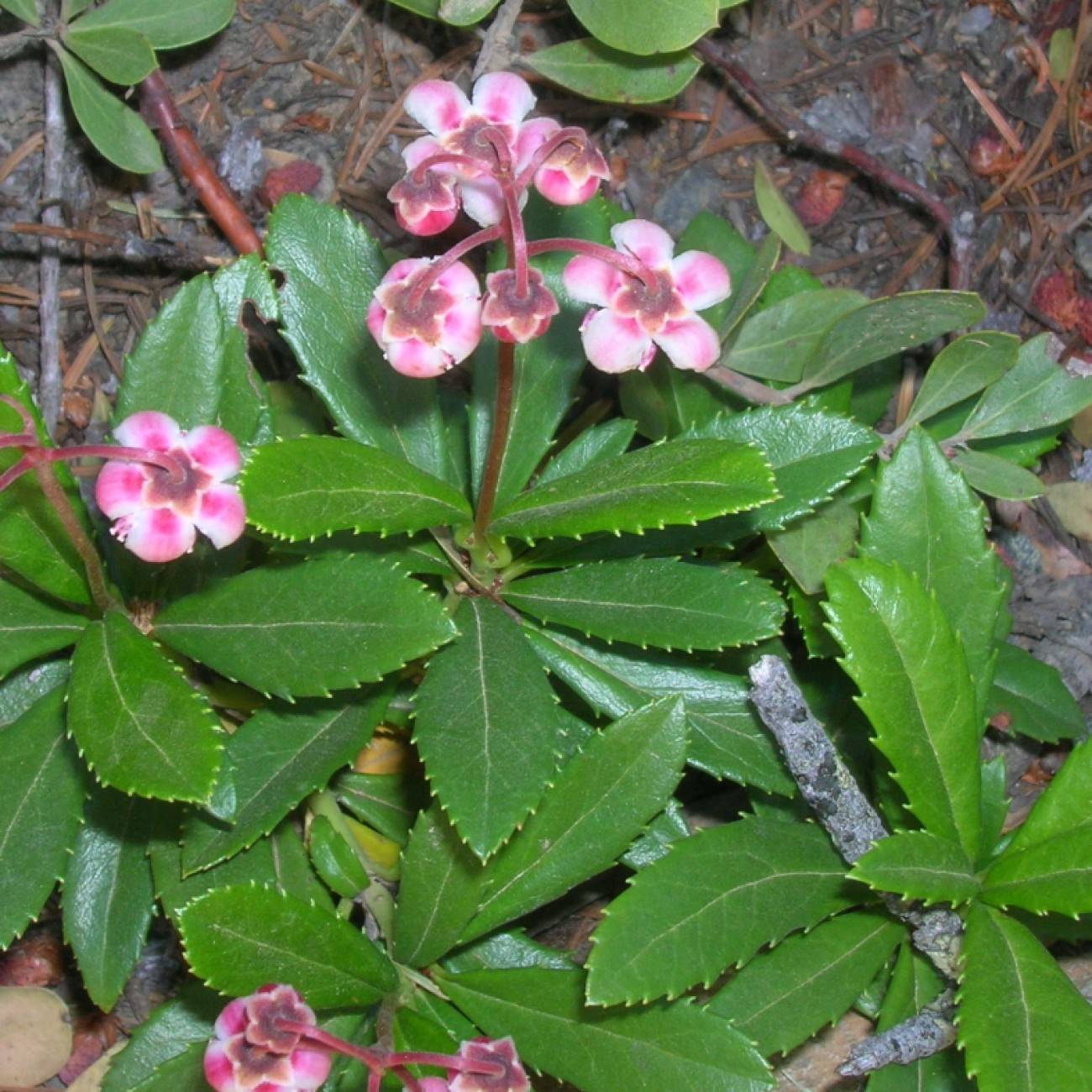
Common Pipsissewa
Chimaphila umbellata
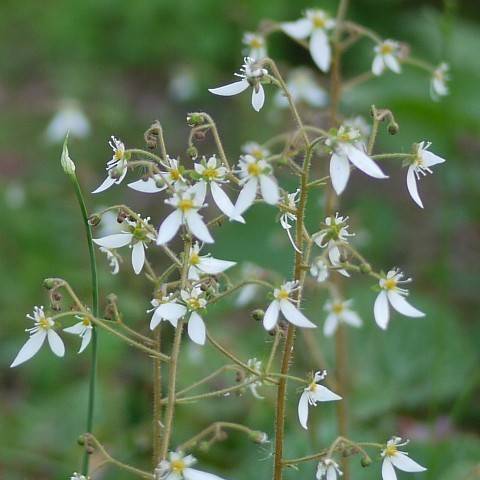
Creeping Saxifrage
Saxifraga stolonifera