Adhesive Rehmannia
Rehmannia glutinosa
Overview
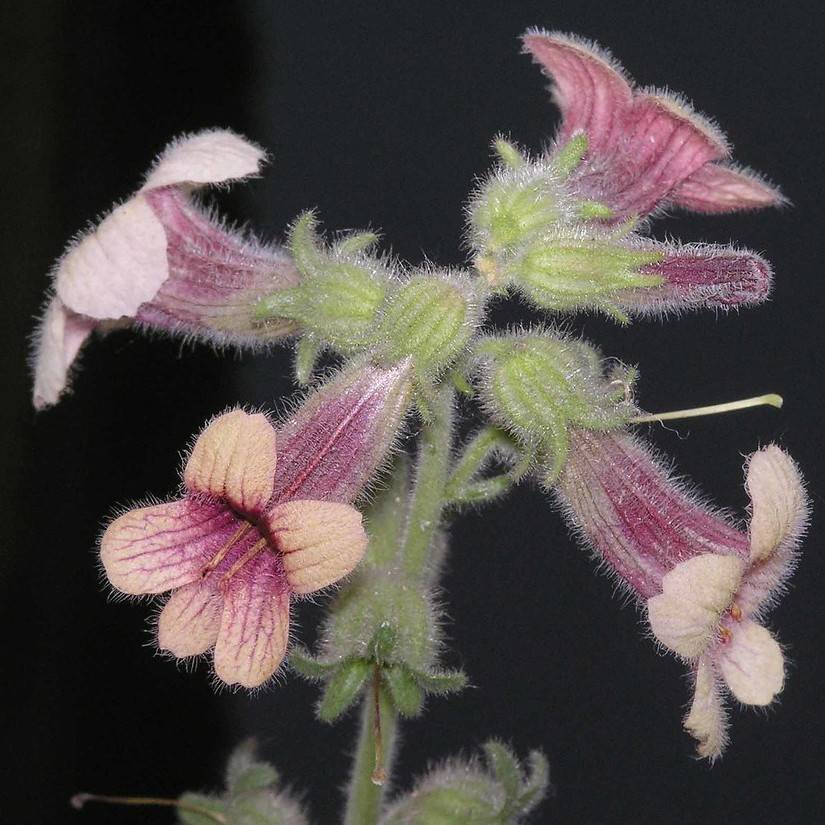
Adhesive Rehmannia, named for its sticky, glandular hairs coating stems and leaves, is a clumping perennial native to forest edges and hillsides of East Asia. It produces drooping, foxglove-like purple to yellowish bell flowers from late spring to early summer, attracting native pollinators to its habitat. Its tuberous, starchy roots are one of the most widely used ingredients in traditional Chinese medicine, supporting its global cultivation for both ornamental and medicinal purposes.
Care Guide
Watering
Keep soil consistently moist but not waterlogged during the active growing season, watering when the top 1 inch of soil feels dry to the touch. Reduce watering frequency in fall as foliage dies back, and keep soil barely moist throughout the dormant winter period to prevent tuber rot. Avoid overhead watering to minimize fungal growth on the plant's sticky foliage.
Light
Thrives in partial shade, receiving 3-6 hours of dappled or morning sunlight per day, which supports robust flowering without scorching its delicate, sticky leaves. In cooler temperate regions, it can tolerate full sun if provided with consistent moisture, while in hotter climates, full shade during midday hours is essential to prevent heat stress.
Soil
Requires well-draining, loamy, organically rich soil with a slightly acidic to neutral pH between 5.5 and 7.0 to support healthy tuber development. Avoid heavy clay soils that retain excess moisture, as these will quickly cause the fleshy root system to rot. Amend poor soil with well-rotted compost or leaf mold before planting to improve nutrient content and drainage.
Fertilizer
Feed with a balanced, slow-release organic fertilizer at the start of the growing season in early spring to support new foliage growth and flower production. Avoid high-nitrogen fertilizers, as these will promote excessive leaf growth at the expense of tuber development and flowering. No additional fertilization is needed during the dormant winter months.
Temperature
Prefers mild temperate climates with average growing season temperatures between 60-75°F (15-24°C), and is winter hardy in USDA zones 7 through 9. Mature tubers can tolerate short periods of temperatures as low as 10°F (-12°C) if insulated with a thick layer of mulch over winter. High temperatures above 85°F (29°C) will cause foliage to wilt, so provide extra shade and moisture during heatwaves.
Pruning
Remove spent flower spikes after blooming to redirect energy toward tuber growth and prevent unwanted self-seeding in garden settings. Cut back yellowing, dying foliage to the ground in late fall once the plant enters dormancy, to reduce overwintering sites for pests and diseases. Prune any damaged or diseased leaves throughout the growing season to maintain plant health.
Propagation
Most commonly propagated via root division in early spring, just before new growth emerges, by carefully separating mature tubers and planting each piece with at least one growth bud 2-3 inches deep in prepared soil. Can also be grown from seed sown in cold frames in fall, though seed-grown plants take 2-3 years to reach maturity and produce usable roots. Take care to avoid damaging the fleshy root system during division, as broken roots are prone to rot.
Humidity
Adaptable to average outdoor humidity levels between 40-60%, which is typical of its native East Asian hillside habitat. High humidity above 70% combined with poor air circulation can increase the risk of fungal leaf spots, so space plants 12-18 inches apart to promote airflow. It does not require supplemental humidity when grown outdoors in its preferred climate range.
Repotting
If grown in containers, repot every 2-3 years in early spring before new growth emerges, using fresh, well-draining potting mix amended with compost. Select a pot that is 2 inches wider than the previous one to accommodate expanding tuber growth, and ensure it has ample drainage holes to prevent water buildup. Carefully separate overcrowded tubers during repotting to prevent stunted growth and improve airflow around the root system.
Uses & Symbolism
Its tuberous roots are a core ingredient in traditional Chinese medicine, used to support kidney health, reduce inflammation, and nourish the blood, with ongoing research investigating its anti-inflammatory and immunomodulatory properties. It is also grown as an ornamental shade garden plant, valued for its attractive bell-shaped flowers and low-maintenance clumping growth habit that works well in border plantings and woodland gardens. In some East Asian regions, the young leaves are occasionally cooked and eaten as a leafy vegetable.
Diseases & Pests
Fungal leaf spot and powdery mildew are common in humid, poorly ventilated conditions, and can be prevented by avoiding overhead watering and providing adequate spacing between plants. Root rot occurs quickly in waterlogged soils, so ensure proper drainage and avoid overwatering, especially during dormancy. Aphids and spider mites may infest new foliage, and can be controlled with insecticidal soap or neem oil sprays applied at the first sign of infestation.
Related plants
Other plants you might like if you grow Adhesive Rehmannia.