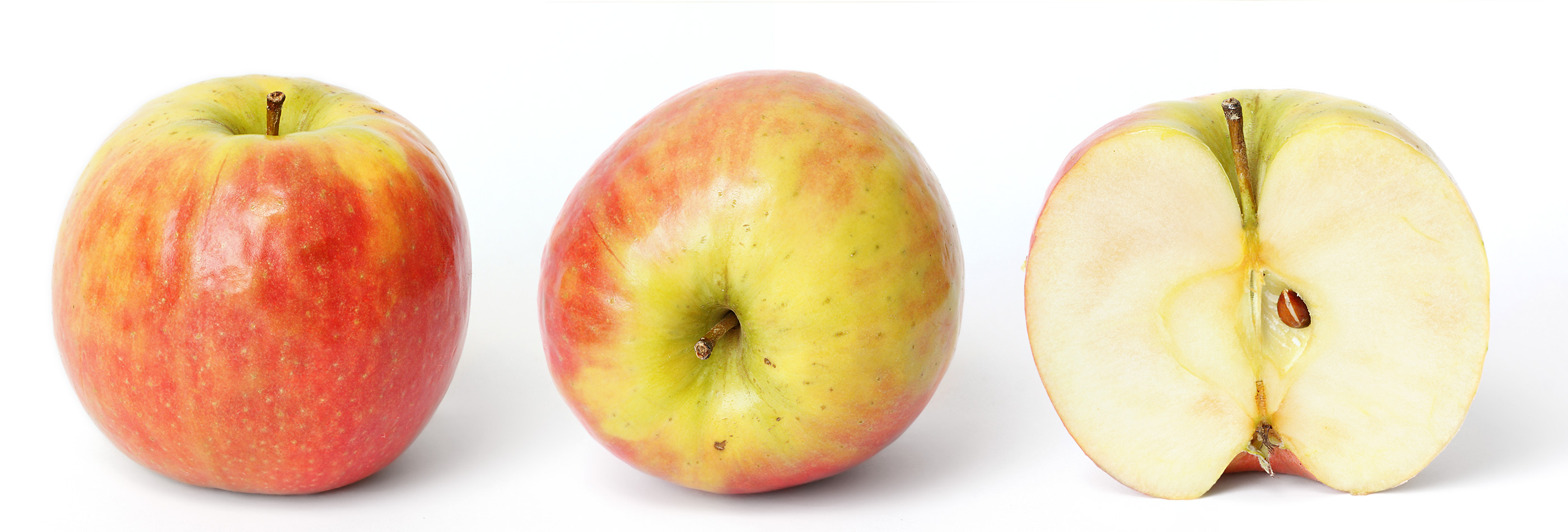
Columnar Apple
Malus domestica (columnar cultivars)
Overview
Columnar apples are specialized domestic apple cultivars selected for their unique narrow, pole-like growth habit, which eliminates the need for heavy pruning or trellising common with standard apple trees. First developed in British Columbia in the 1960s from a spontaneous mutant of the 'McIntosh' apple variety, they are specifically bred to thrive in small gardens, patios, and even large containers. Most cultivars produce crisp, full-sized edible apples in a range of flavors, from sweet to tart, and require a compatible pollinator variety nearby to set fruit successfully.
Care Guide
Watering
Water newly planted columnar apple trees deeply once or twice per week, keeping the root zone consistently moist but not waterlogged for the first 2–3 years as they establish. Mature trees are moderately drought tolerant, but require regular watering during fruit development to prevent drop and ensure full, juicy fruit; reduce watering in late fall to harden off growth before winter. Avoid wetting the foliage when watering to lower the risk of fungal leaf diseases.
Light
Plant columnar apple trees in a location that receives at least 6–8 hours of direct, unfiltered sunlight daily to support robust growth, flower production, and fruit ripening. Too much shade will reduce flowering, lead to sparse fruit set, and increase susceptibility to fungal diseases. Container-grown indoor specimens require a bright south-facing window or supplemental grow lights to produce fruit.
Soil
Grow columnar apple trees in well-drained, loamy soil with a slightly acidic to neutral pH between 6.0 and 7.0 for optimal nutrient uptake. Heavy clay or constantly soggy soils will cause root rot, so amend heavy sites with compost or sand prior to planting, or plant in raised beds to improve drainage. For container-grown trees, use a high-quality potting mix formulated for fruit trees, with added perlite to boost drainage.
Fertilizer
Feed young columnar apple trees in early spring with a balanced, slow-release 10-10-10 fertilizer to support leaf and root growth, avoiding high-nitrogen formulas that encourage excessive foliage over fruit production. Once trees begin bearing fruit (typically 2–3 years after planting), switch to a fertilizer higher in phosphorus and potassium, such as a 5-10-10 blend, applied in early spring and again after fruit set to support fruit development. Avoid fertilizing after mid-summer, as this can stimulate tender new growth that will be damaged by winter frost.
Temperature
Columnar apple trees are cold hardy to USDA zones 4–8, requiring 800–1,200 hours of winter chill below 45°F (7°C) to break dormancy and produce flowers and fruit the following season. They can tolerate summer temperatures up to 90°F (32°C), but extended heatwaves may cause sunscald on fruit and require extra watering to prevent stress. Container-grown trees in colder zones should be moved to an unheated garage or insulated shelter during winter to protect roots from freezing damage.
Pruning
Columnar apple trees require very little pruning compared to standard apple trees, as their natural growth habit produces short fruiting spurs directly along the main trunk with no large lateral branches. Remove any damaged, diseased, or crossing growth in late winter while the tree is dormant, and snip off any rare long lateral branches that develop to maintain the narrow, upright form. Thin excess fruit in early summer, leaving 4–6 inches between remaining fruits, to prevent branch breakage and encourage larger, higher-quality apples.
Propagation
Columnar apple trees are most commonly propagated via grafting onto dwarfing rootstock to preserve their unique columnar growth habit and ensure consistent fruit characteristics, as seed-grown trees will not retain the narrow form of the parent plant. Softwood cuttings taken in early summer can be rooted with the use of rooting hormone and high humidity, but grafted trees will produce fruit much faster, typically in 2–3 years versus 5–7 years for cutting-grown specimens. Home growers usually purchase pre-grafted nursery trees, as grafting requires specialized skill and compatible rootstock.
Humidity
Columnar apple trees prefer moderate humidity levels between 40–60% to support healthy growth and reduce the risk of fungal diseases. High humidity combined with poor air circulation and wet foliage increases the likelihood of apple scab, powdery mildew, and fire blight, so space trees at least 2–3 feet apart to allow for air flow. Dry, low-humidity conditions may lead to spider mite infestations on foliage, which can be treated with a gentle horticultural soap spray.
Repotting
Container-grown columnar apple trees should be repotted every 2–3 years in late winter while dormant, moving to a pot one size larger each time to accommodate root growth. Use fresh potting mix with added compost and perlite when repotting, and gently loosen bound roots to encourage new growth. Once trees reach their mature size, topdress with 2–3 inches of fresh compost annually instead of repotting, trimming back a small portion of the outer root ball every 3–4 years to prevent the tree from becoming root bound.
Related plants
Other plants you might like if you grow Columnar Apple.
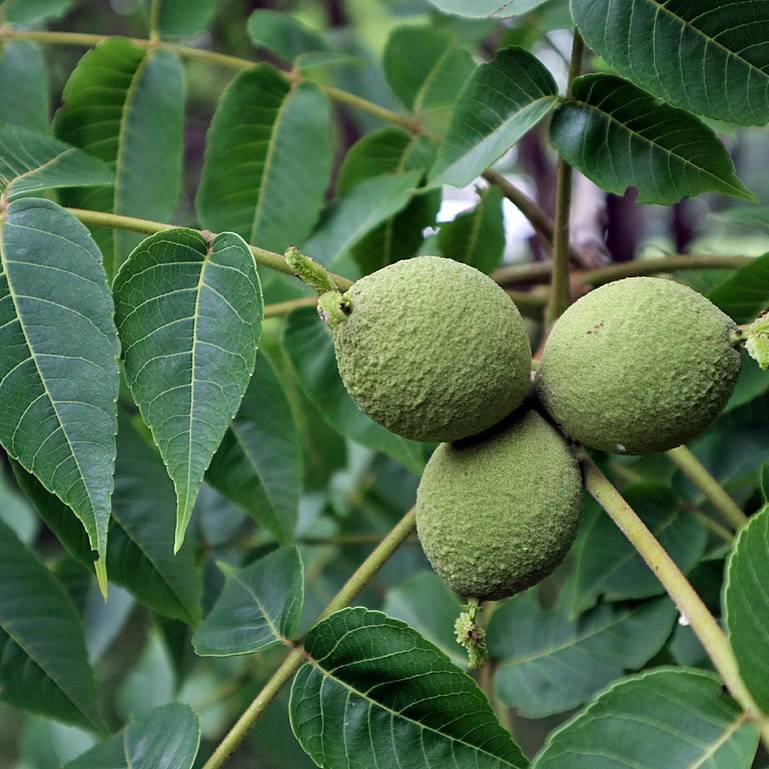
Black Walnut
Juglans nigra
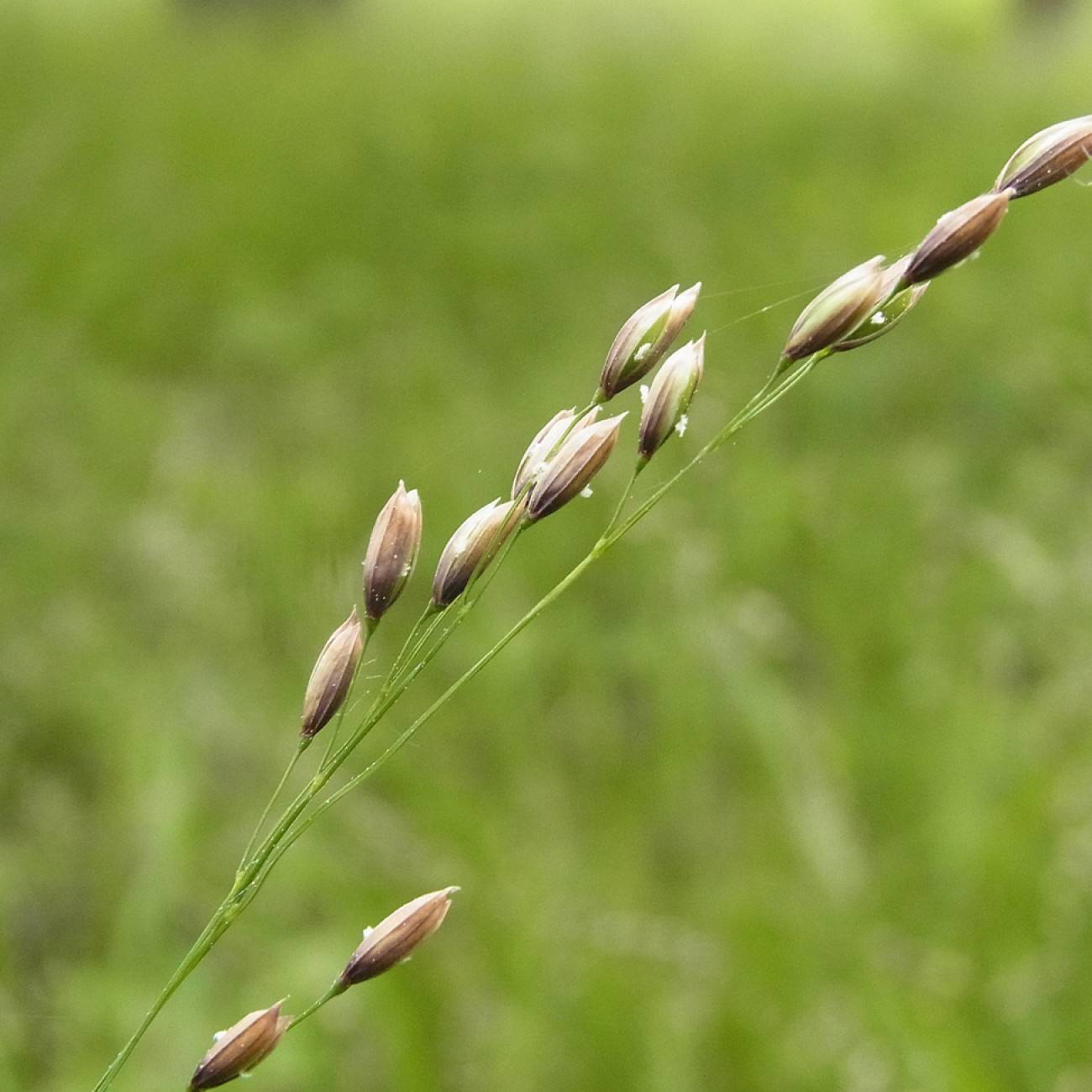
Alpine Sweetgrass
Anthoxanthum monticola
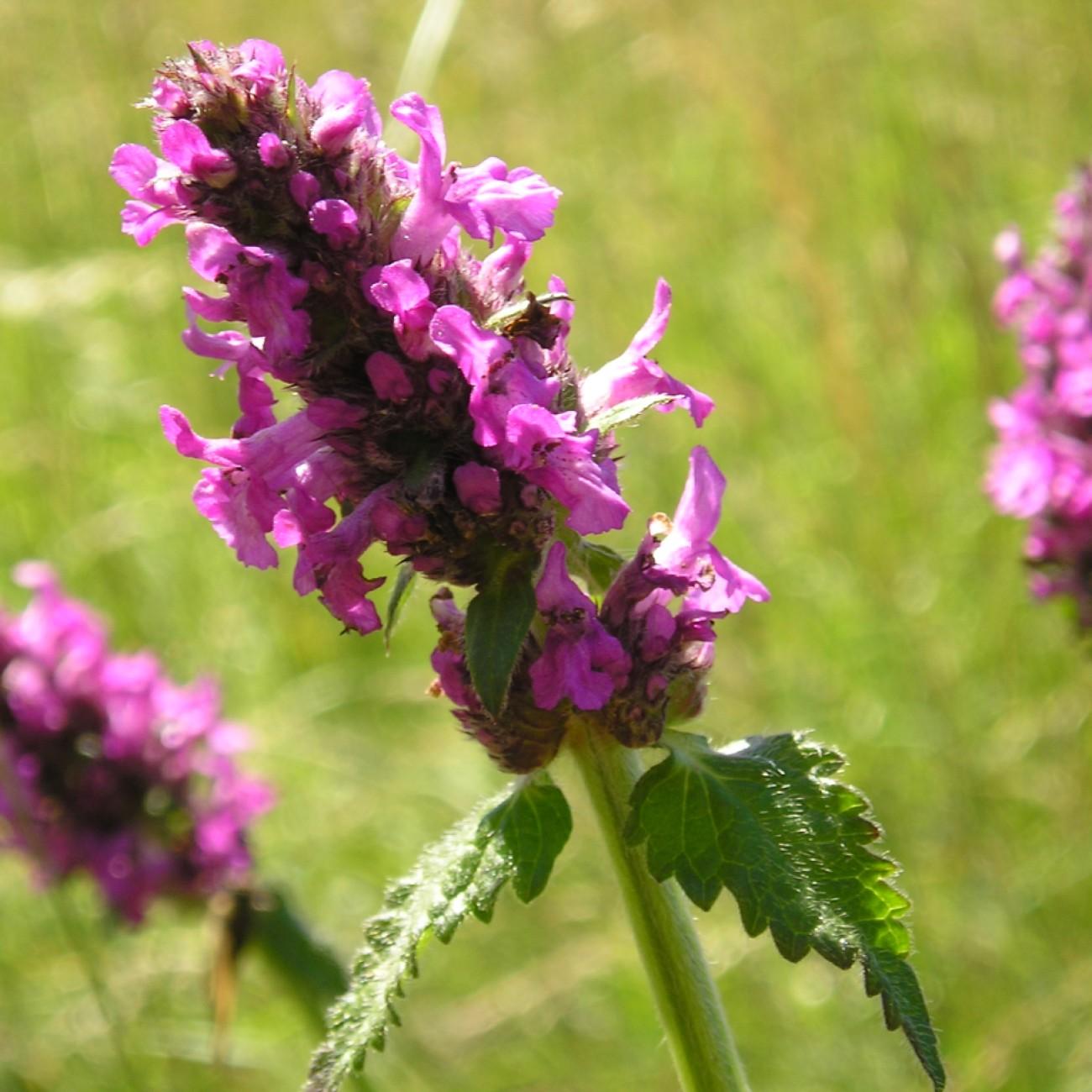
Alpine Betony
Betonica alpinum (syn. Stachys alpina)
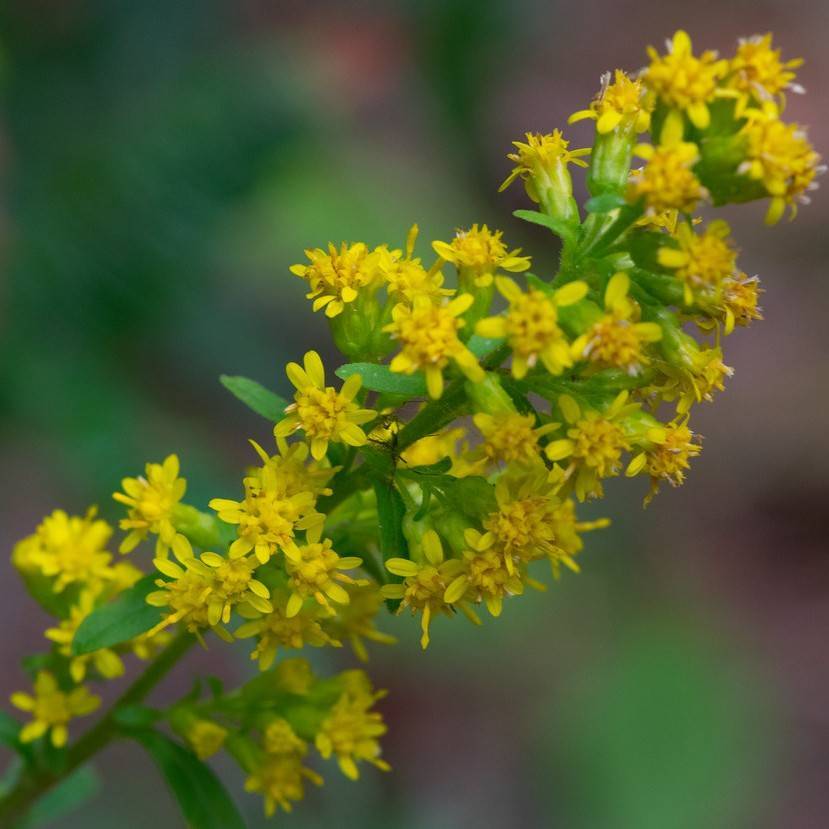
Elm Leaved Goldenrod
Solidago ulmifolia
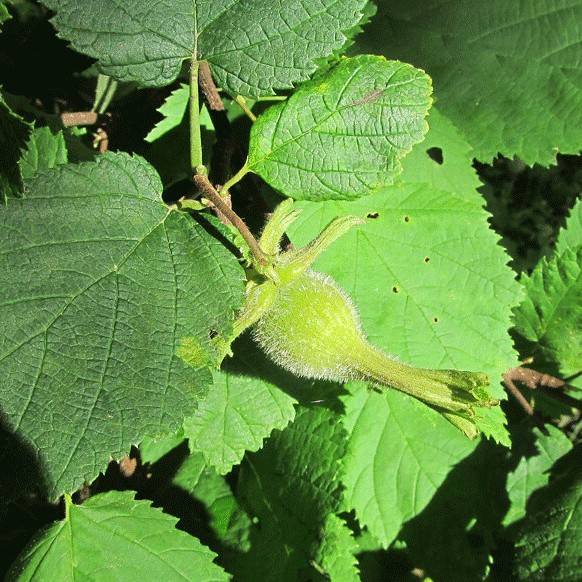
Beaked Hazel
Corylus cornuta
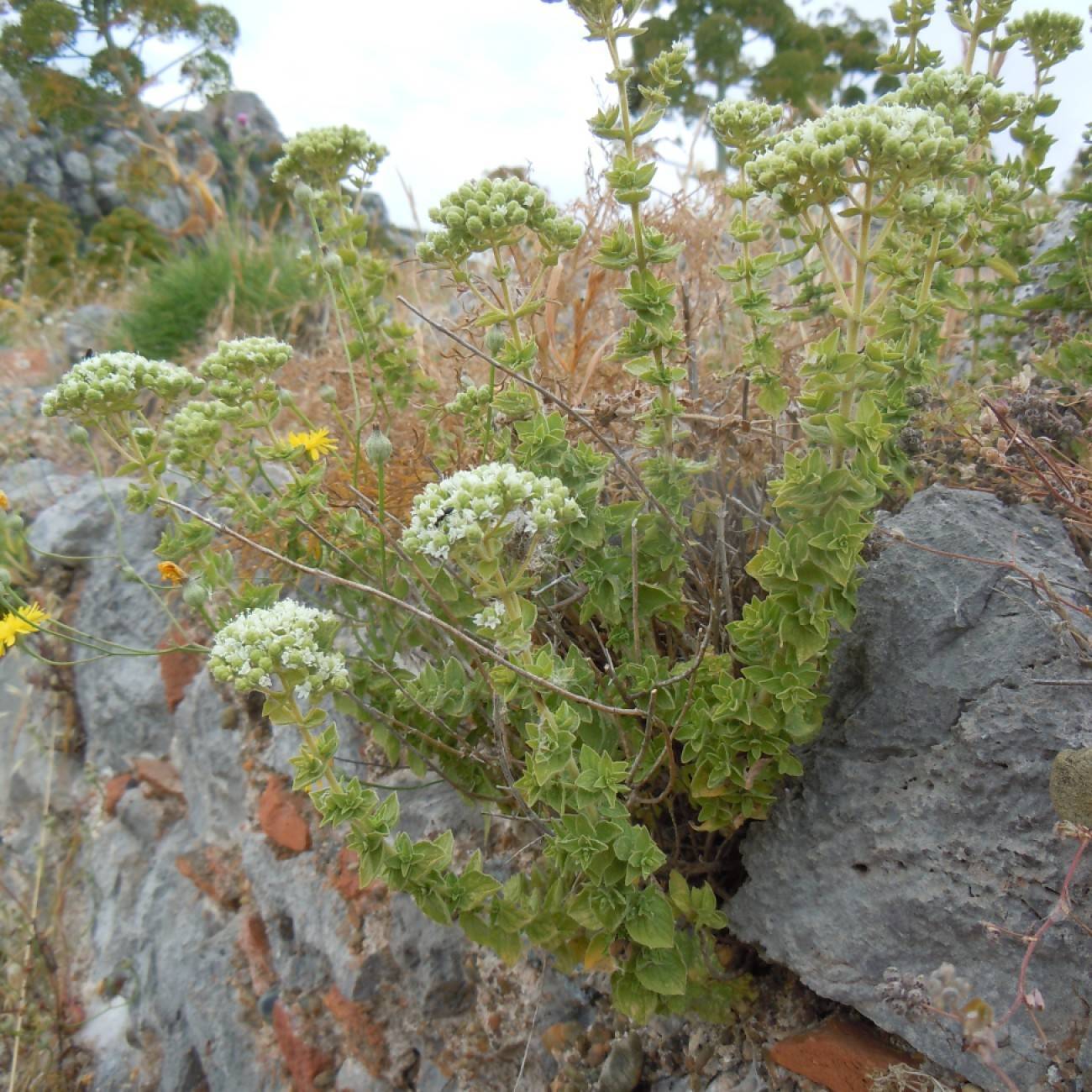
American Feverfew
Parthenium integrifolium
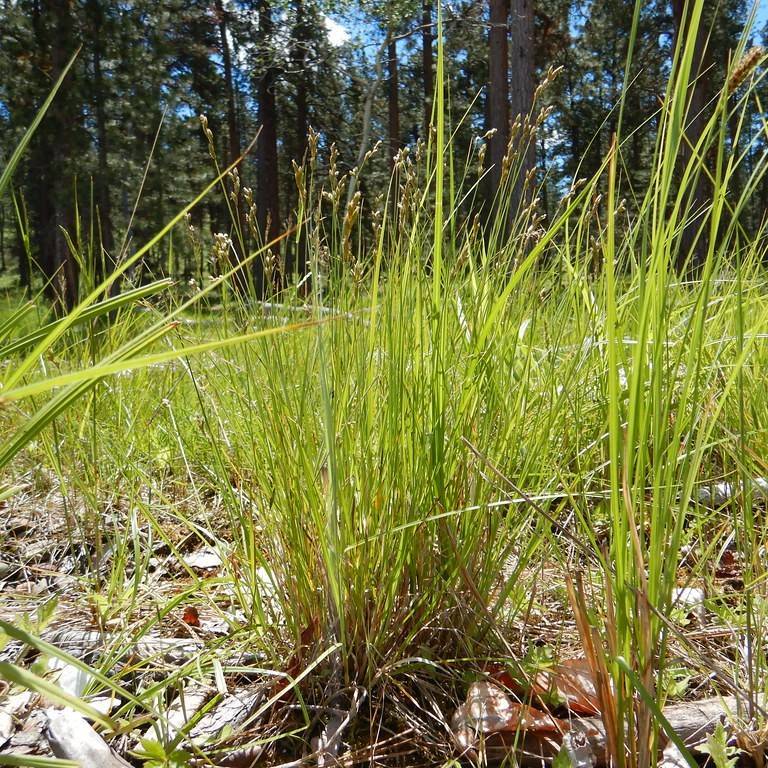
Connect Sedge
Carex connectens
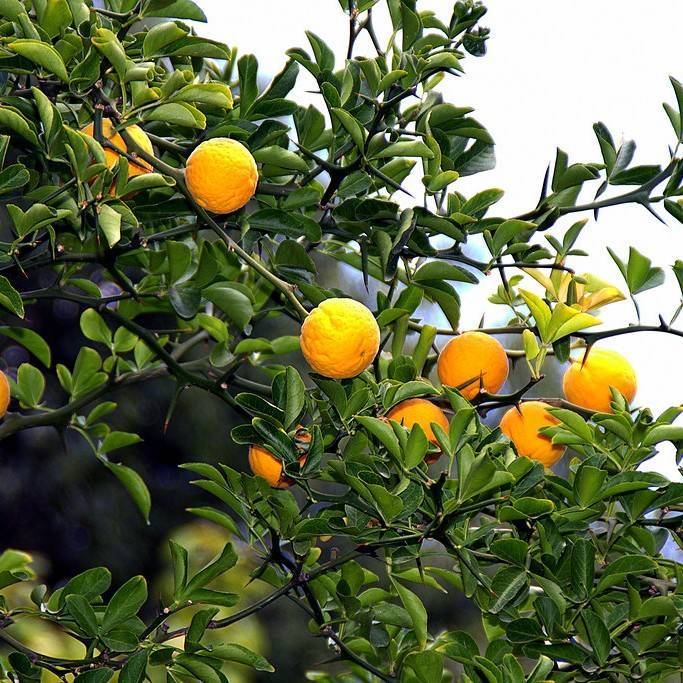
Hardy Orange
Poncirus trifoliata (syn. Citrus trifoliata)