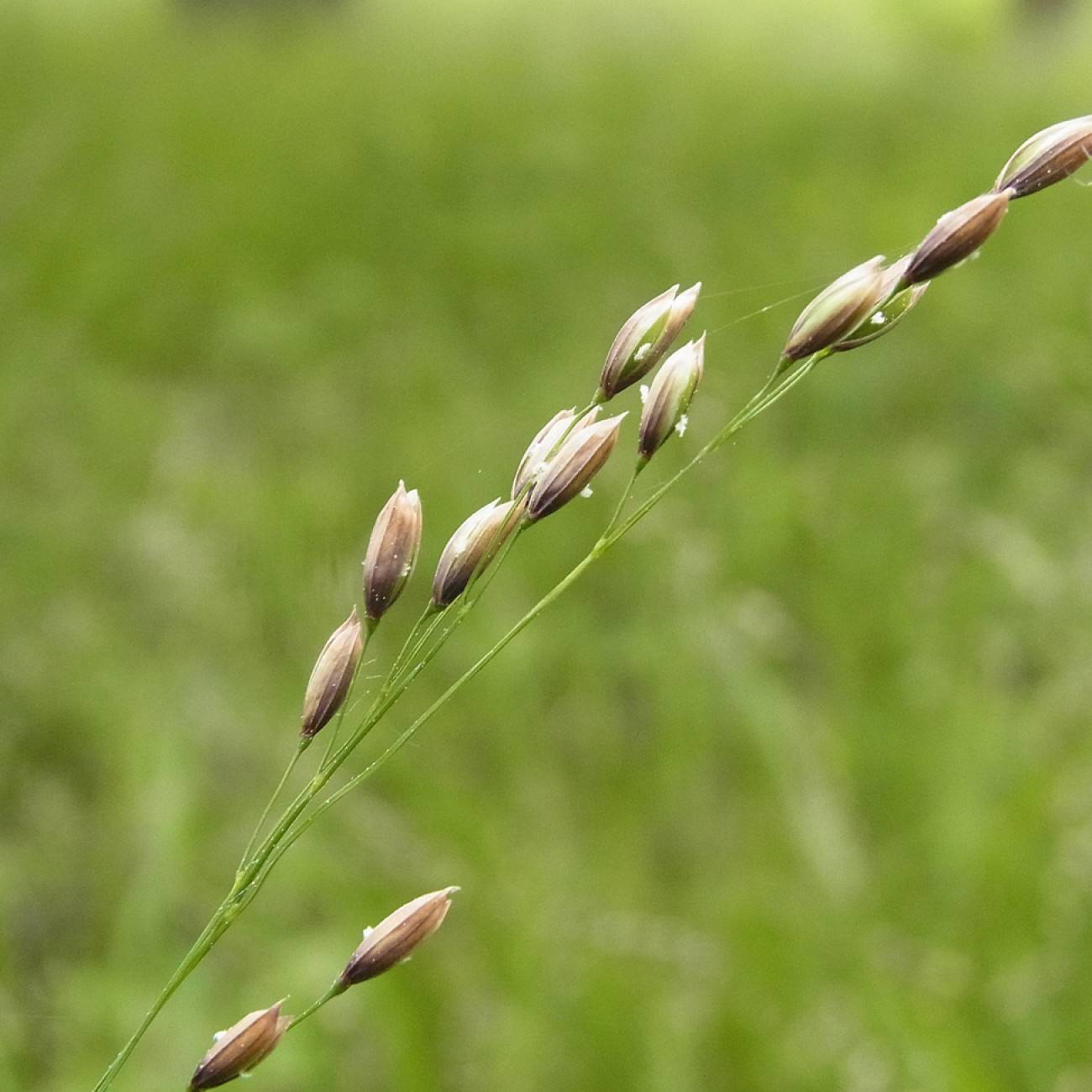
Alpine Sweetgrass
Anthoxanthum monticola
Overview
Alpine sweetgrass is a low-growing, tufted perennial grass native to cold, mountainous and arctic regions across the Northern Hemisphere. It produces narrow, bright green foliage and delicate, feathery flower spikes in late spring to early summer, emitting a distinct warm, vanilla-like fragrance when crushed or dried. This hardy grass is adapted to harsh, low-nutrient environments, making it a popular choice for rock gardens, alpine plantings, and naturalized cool-climate landscapes.
Care Guide
Watering
Alpine sweetgrass prefers consistently moist but well-drained soil, as it is adapted to regular moisture from mountain snowmelt and rainfall. Water deeply when the top 1 inch of soil feels dry, avoiding overwatering that can lead to root rot, especially in warmer, low-elevation growing conditions. During winter dormancy, reduce watering significantly to prevent waterlogging in cold soil.
Light
This alpine species thrives in full sun, requiring at least 6 hours of direct sunlight daily to maintain dense growth and its characteristic fragrance. In regions with extremely hot summer temperatures, it benefits from light afternoon shade to prevent foliage scorch and reduce moisture stress. It will become leggy and lose its compact form if grown in heavy shade.
Soil
Alpine sweetgrass requires sharply draining, low-fertility soil with a slightly acidic to neutral pH, mimicking its native rocky, gravelly mountain habitats. A mix of sandy loam, crushed granite, and a small amount of organic matter is ideal, as heavy, clay-rich soils that hold excess moisture will quickly cause root decay. Avoid amending soil with high-nutrient compost or manure, as this can promote overly lush growth that is vulnerable to cold damage.
Fertilizer
This grass is adapted to low-nutrient environments and rarely requires regular fertilization to thrive. A light application of a balanced, slow-release fertilizer diluted to half strength can be applied once in early spring if growth appears exceptionally stunted or pale. Over-fertilization will lead to weak, floppy growth and reduce the plant's cold hardiness, so it is best to err on the side of under-feeding.
Temperature
Alpine sweetgrass is extremely cold hardy, tolerating temperatures as low as -40°F (-40°C) and thriving in cool summer conditions between 50-75°F (10-24°C). It struggles in high heat and humidity, and will often go dormant in summer if temperatures regularly exceed 85°F (29°C). In warmer climates, it is best grown as a cool-season annual or in containers that can be moved to a cool, shaded location during summer heatwaves.
Pruning
Prune back old, brown foliage to 1-2 inches above the soil line in late winter or early spring before new growth emerges to keep the clump tidy and encourage fresh, vibrant foliage. Deadhead spent flower spikes after blooming if you do not want the plant to self-seed, though light self-seeding is usually welcome in alpine or rock garden settings. Trim back any scorched or damaged foliage throughout the growing season as needed to maintain the plant's appearance.
Propagation
Alpine sweetgrass is most easily propagated by division in early spring, just as new growth begins to emerge; carefully separate clumps into smaller sections, each with a healthy portion of roots, and replant immediately in well-draining soil. It can also be grown from seed sown directly outdoors in late fall, as the seeds require a period of cold stratification to germinate successfully. Seeds sown in spring should be refrigerated in moist sand for 4-6 weeks prior to planting to mimic winter cold conditions.
Humidity
This species prefers moderate to low humidity levels, as high humidity combined with warm temperatures can increase the risk of fungal leaf spots and root rot. It is well-adapted to the dry, breezy conditions common in high-elevation habitats, so providing good air circulation around plants is key to preventing disease in more humid growing areas. It does not require any supplemental misting or humidity adjustments when grown in typical outdoor or cool indoor conditions.
Repotting
If grown in containers, alpine sweetgrass should be repotted every 2-3 years in early spring, before active growth begins. Choose a shallow, wide container with ample drainage holes, and use a gritty, fast-draining alpine potting mix to avoid moisture retention around the roots. When repotting, gently loosen crowded roots and divide large clumps if desired to maintain the plant's compact size.
Related plants
Other plants you might like if you grow Alpine Sweetgrass.
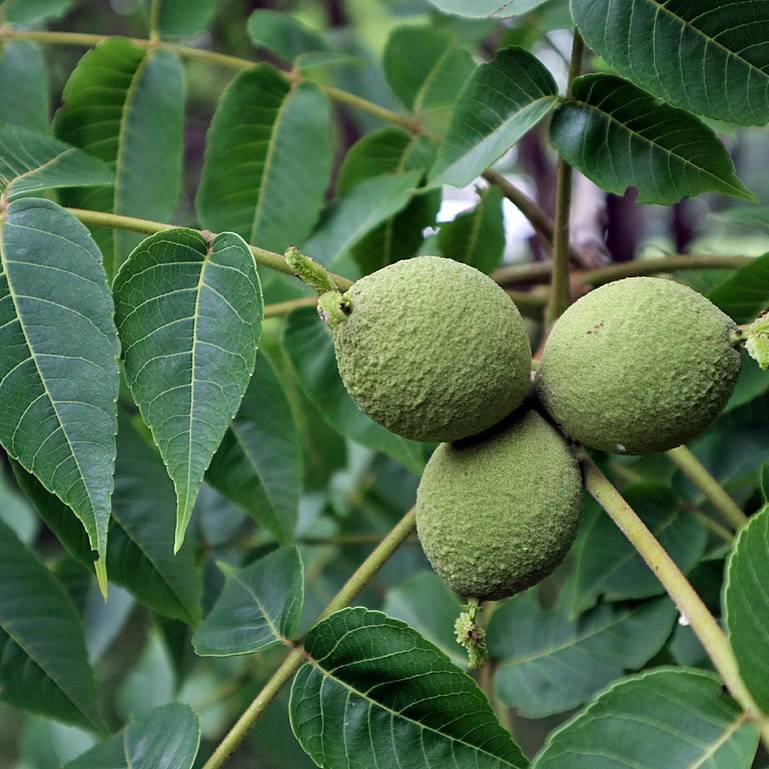
Black Walnut
Juglans nigra
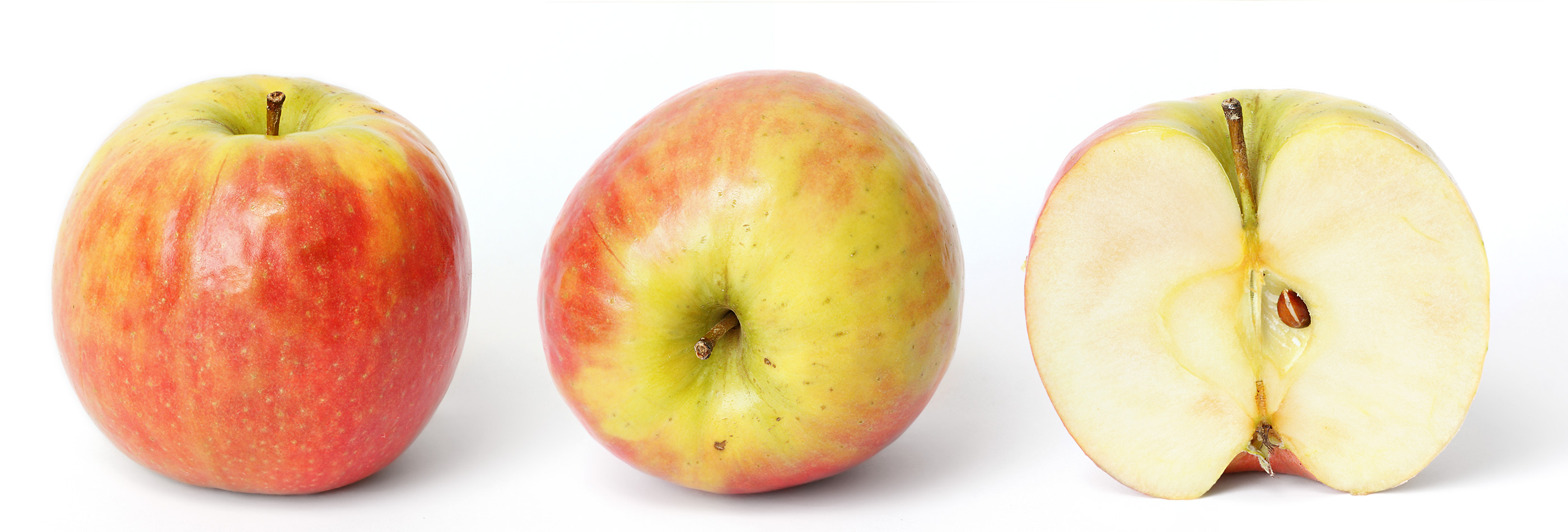
Columnar Apple
Malus domestica (columnar cultivars)
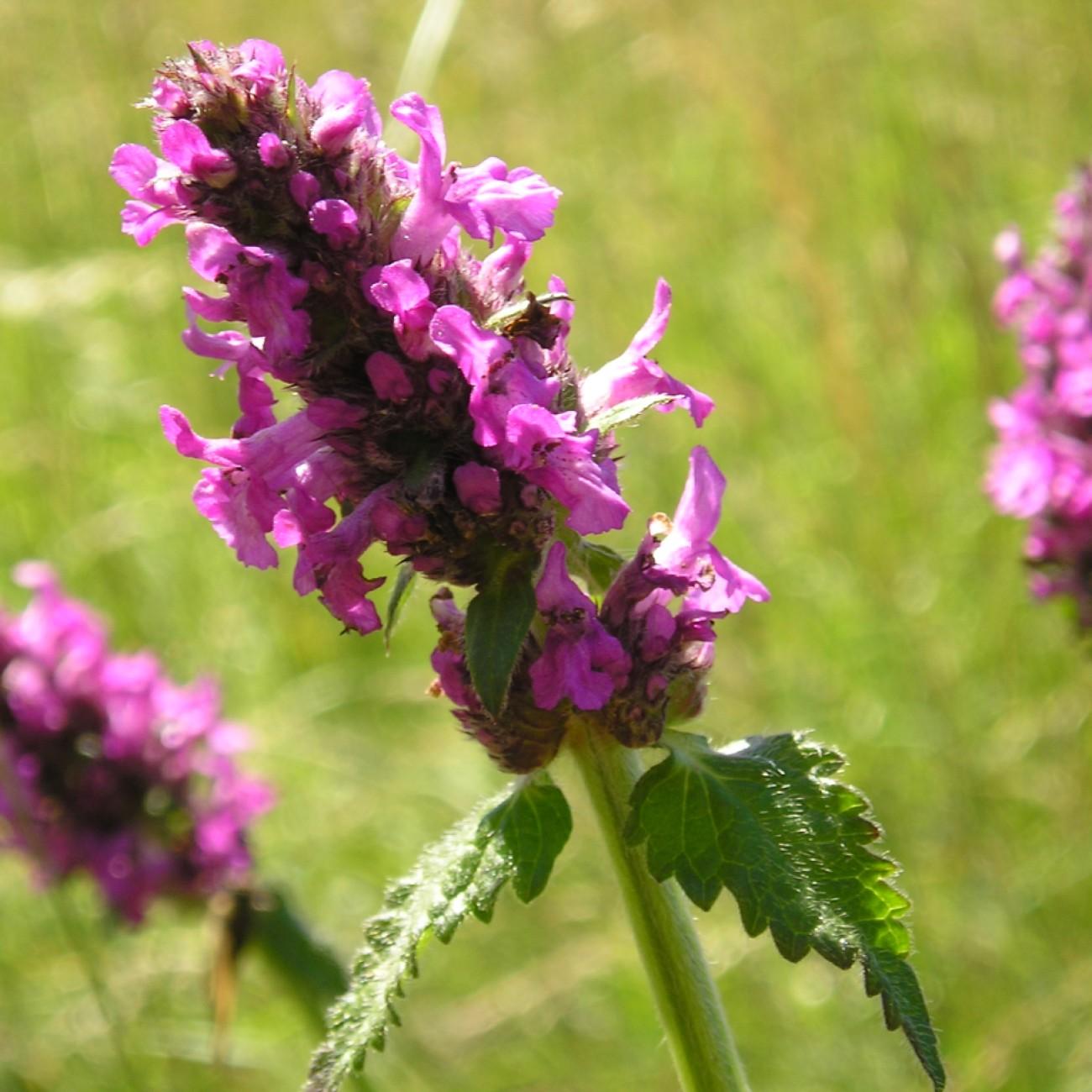
Alpine Betony
Betonica alpinum (syn. Stachys alpina)
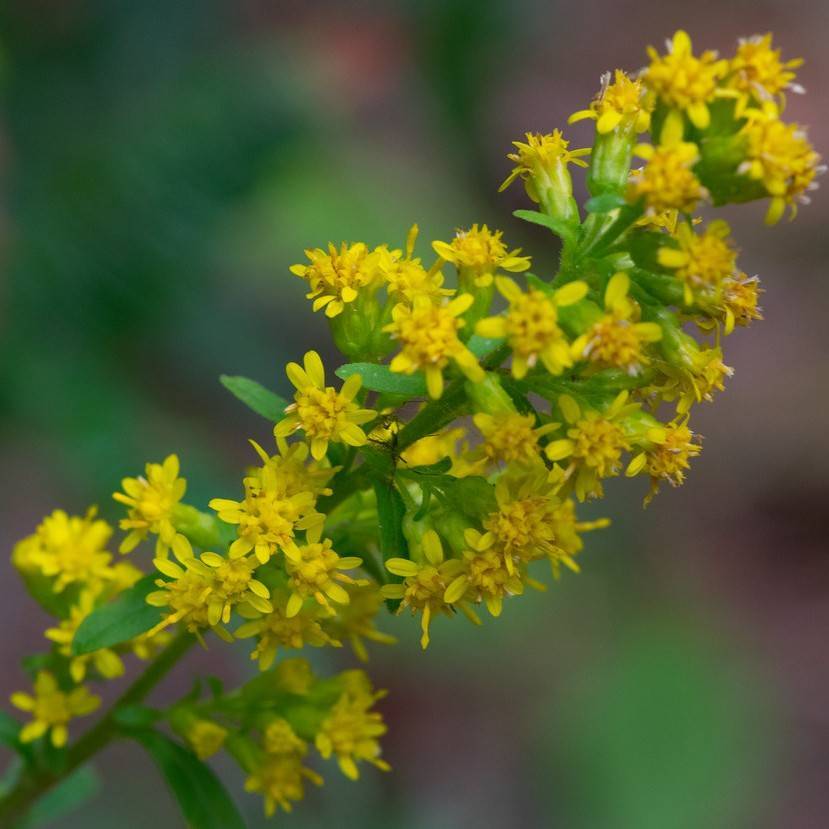
Elm Leaved Goldenrod
Solidago ulmifolia
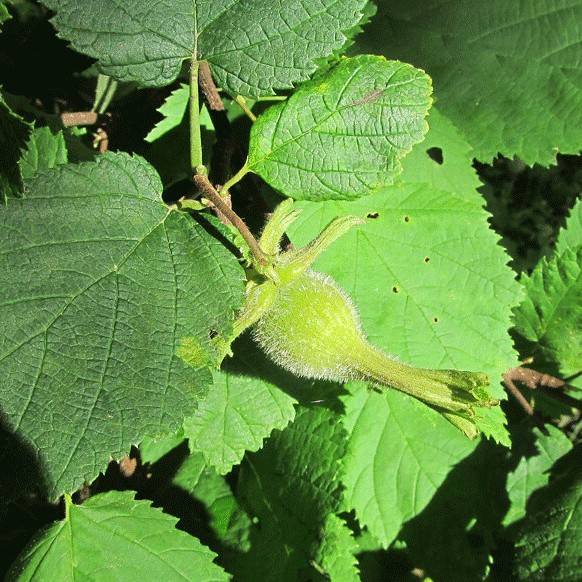
Beaked Hazel
Corylus cornuta
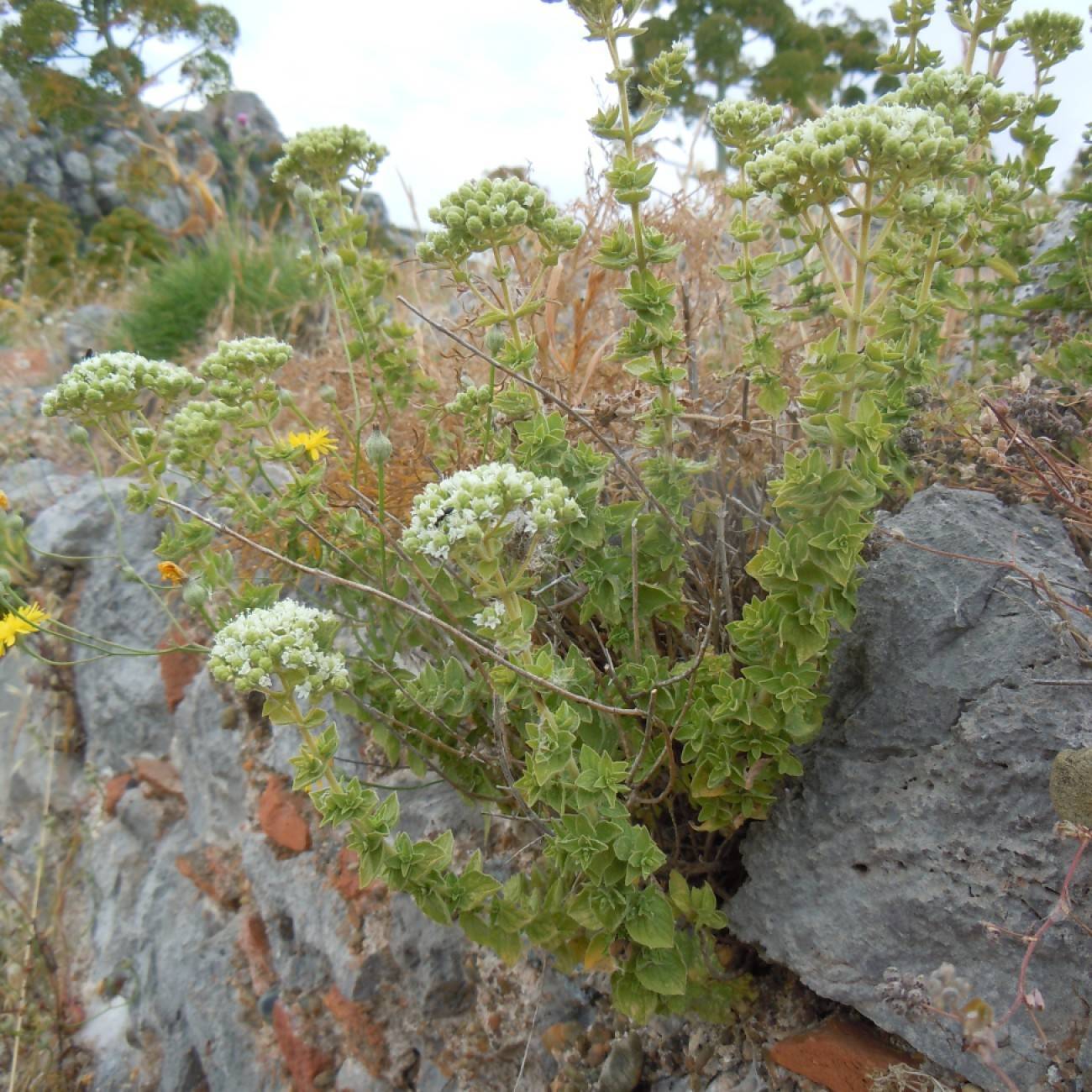
American Feverfew
Parthenium integrifolium
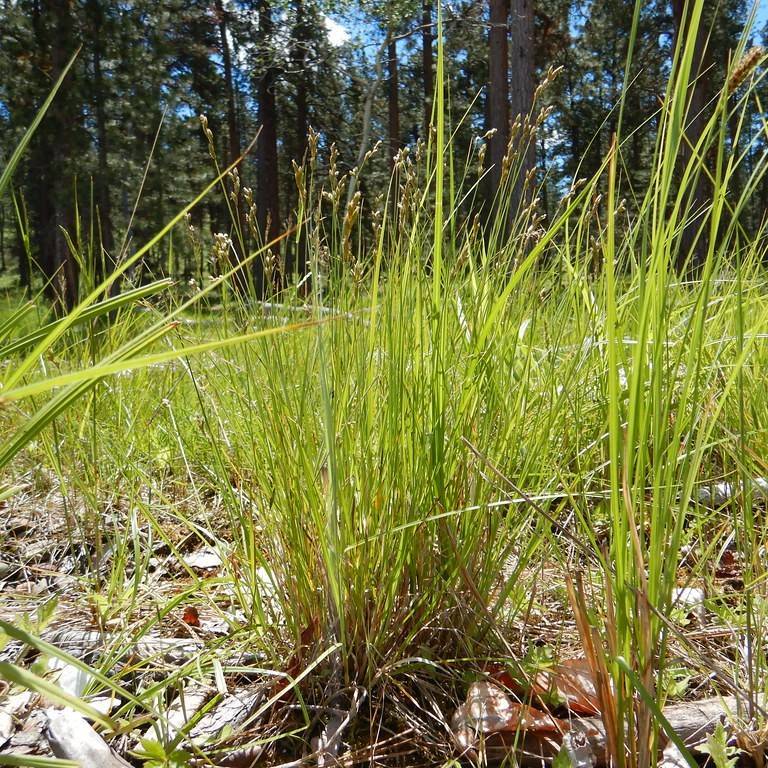
Connect Sedge
Carex connectens
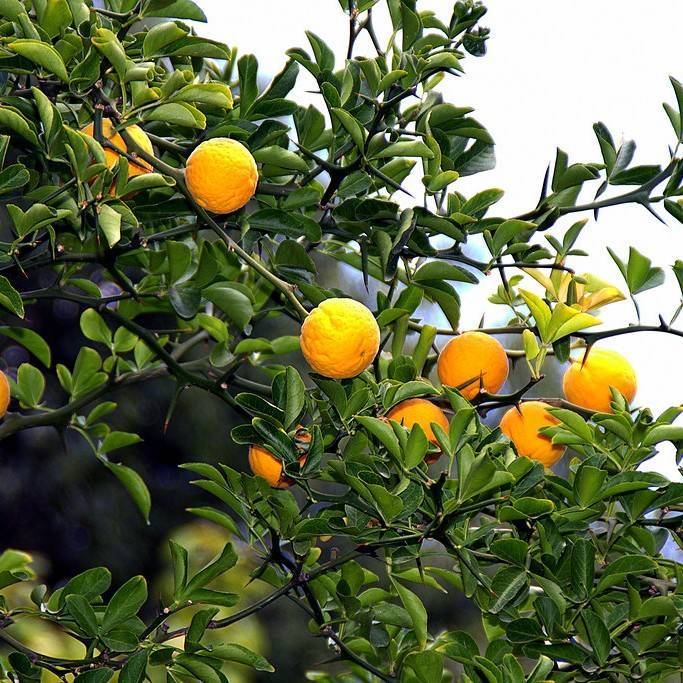
Hardy Orange
Poncirus trifoliata (syn. Citrus trifoliata)