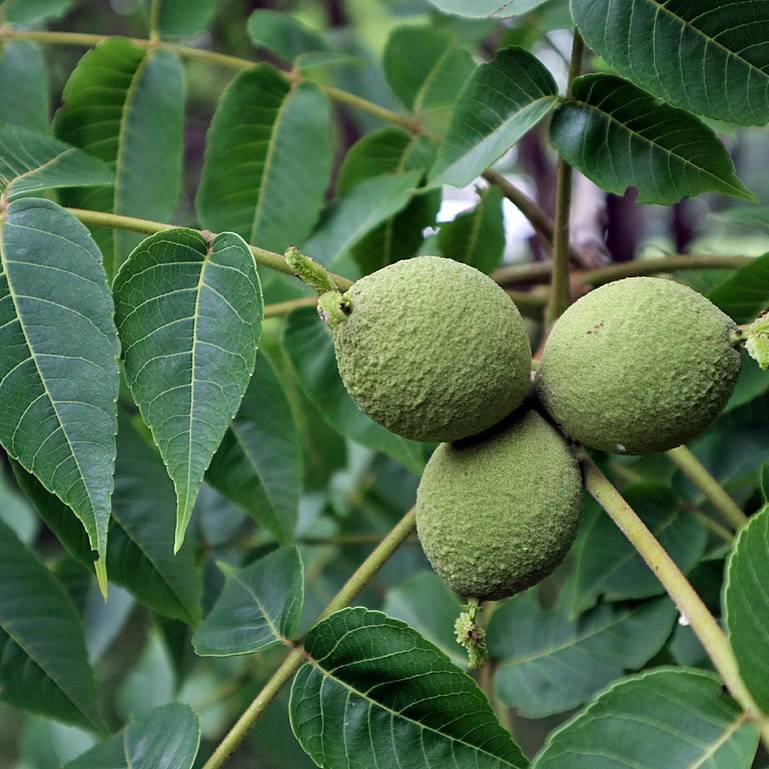
Black Walnut
Juglans nigra
Overview
Black walnut is a stately deciduous tree native to eastern North American riparian zones and mixed hardwood forests. It is widely cultivated for its highly valued dense, dark brown wood, which is used for furniture, cabinetry, and gunstocks, as well as its nutrient-dense, earthy-flavored nuts that ripen in early fall. Its roots, leaves, and nut husks produce juglone, a natural chemical that suppresses the growth of many common garden plants, creating specialized growing conditions for nearby vegetation.
Care Guide
Watering
Black walnut trees prefer consistent, deep watering during their first 3-5 years of establishment, requiring 1-2 inches of water weekly during dry periods. Mature trees are highly drought-tolerant, only needing supplemental watering during extended, severe droughts to maintain health. Avoid overwatering in poorly drained sites, as this can lead to root rot.
Light
This species requires full, direct sunlight for optimal growth and nut production, thriving with a minimum of 6 hours of unobstructed sunlight daily. It will not tolerate heavy shade, as shaded specimens grow slowly, produce few to no nuts, and develop sparse, leggy canopies.
Soil
Black walnut grows best in deep, fertile, well-drained loam soils with a pH between 6.0 and 7.5. It can adapt to a range of soil textures including sandy loam and silty clay, as long as drainage is adequate. It will not survive in waterlogged, compacted, or extremely shallow soils over bedrock.
Fertilizer
Young black walnut trees benefit from an annual application of a balanced 10-10-10 fertilizer in early spring before new growth emerges, to support root and canopy development. Mature, nut-producing trees benefit from a nitrogen-rich fertilizer applied in late winter to support nut development and foliage growth. Avoid applying fertilizer near the trunk, spreading it evenly across the drip line to prevent root burn.
Temperature
Black walnut is hardy in USDA zones 4 through 9, tolerating winter temperatures as low as -30°F (-34°C) once established. It requires a period of cold dormancy during winter, and thrives in regions with warm summers between 70°F and 90°F (21°C to 32°C) to ripen nuts properly. Late spring frosts can damage new growth and emerging flower buds, reducing nut yields for the season.
Pruning
Prune black walnut trees during the dormant winter season to remove dead, diseased, or crossing branches, and to maintain a strong central leader structure for young trees. Avoid heavy pruning of mature specimens, as they heal slowly and are prone to fungal infections through large pruning wounds. Always sanitize pruning tools between cuts to prevent the spread of disease.
Propagation
Black walnut is most commonly propagated from seed, which requires 3-4 months of cold stratification before sowing in spring to break dormancy. Grafting is also used to propagate selected cultivars with desirable nut or wood traits, using seedling rootstock of the same species. Cuttings have a very low success rate, so seed or grafting are the preferred propagation methods.
Humidity
Black walnut adapts well to a wide range of humidity levels, thriving in the moderate to high humidity of its native eastern North American range. It can tolerate drier air in regions like the Great Plains, as long as soil moisture is adequate. High humidity combined with poor air circulation can increase the risk of foliar fungal diseases.
Repotting
Black walnut trees are rarely grown in containers long-term, as their deep taproot requires ample space to develop, and they quickly outgrow even large pots. Young saplings intended for landscape planting can be kept in containers for 1-2 years, using a deep, well-drained potting mix and a pot at least 24 inches deep to accommodate root growth. Transplant container-grown saplings to their permanent landscape location in early spring before bud break for the highest survival rate.
Related plants
Other plants you might like if you grow Black Walnut.
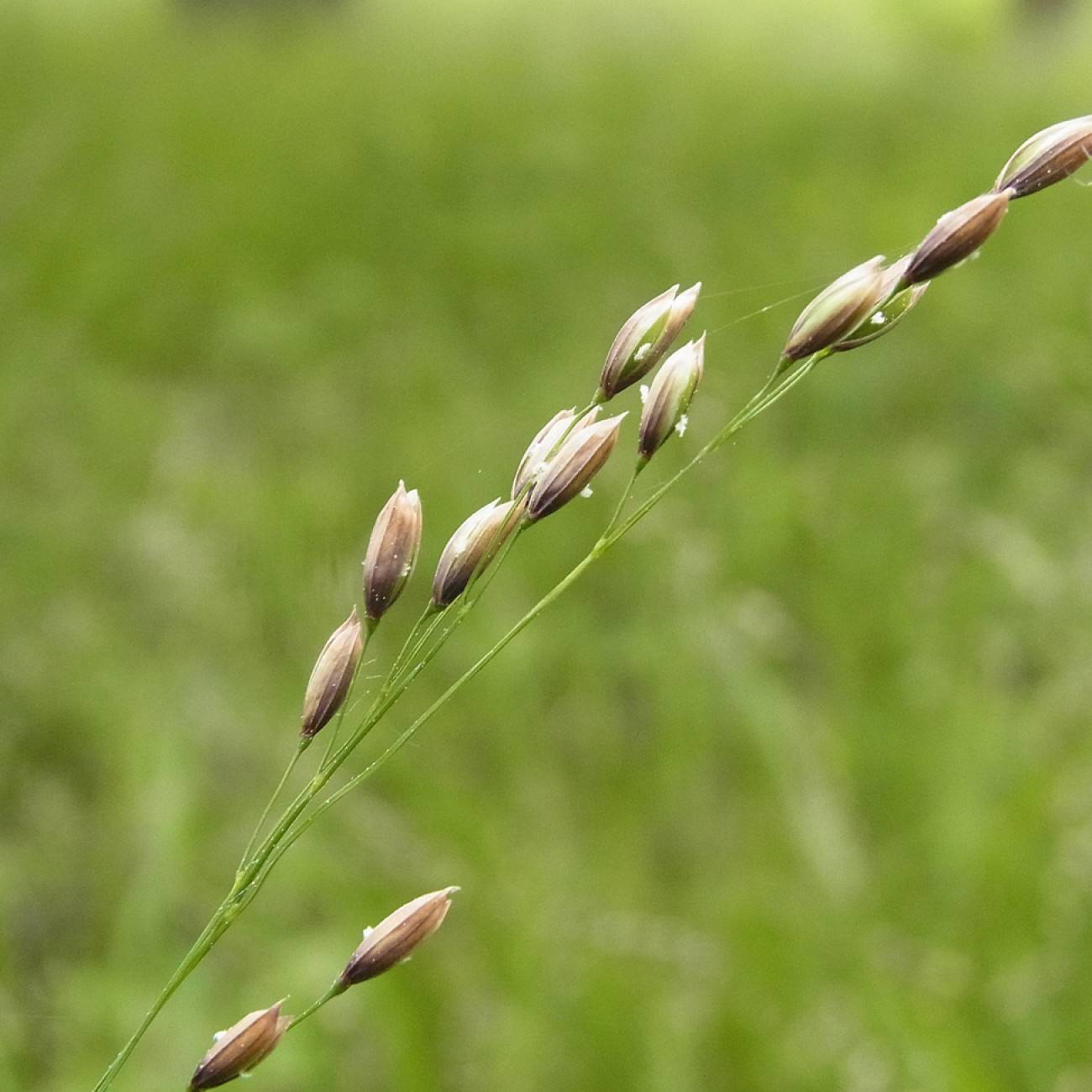
Alpine Sweetgrass
Anthoxanthum monticola
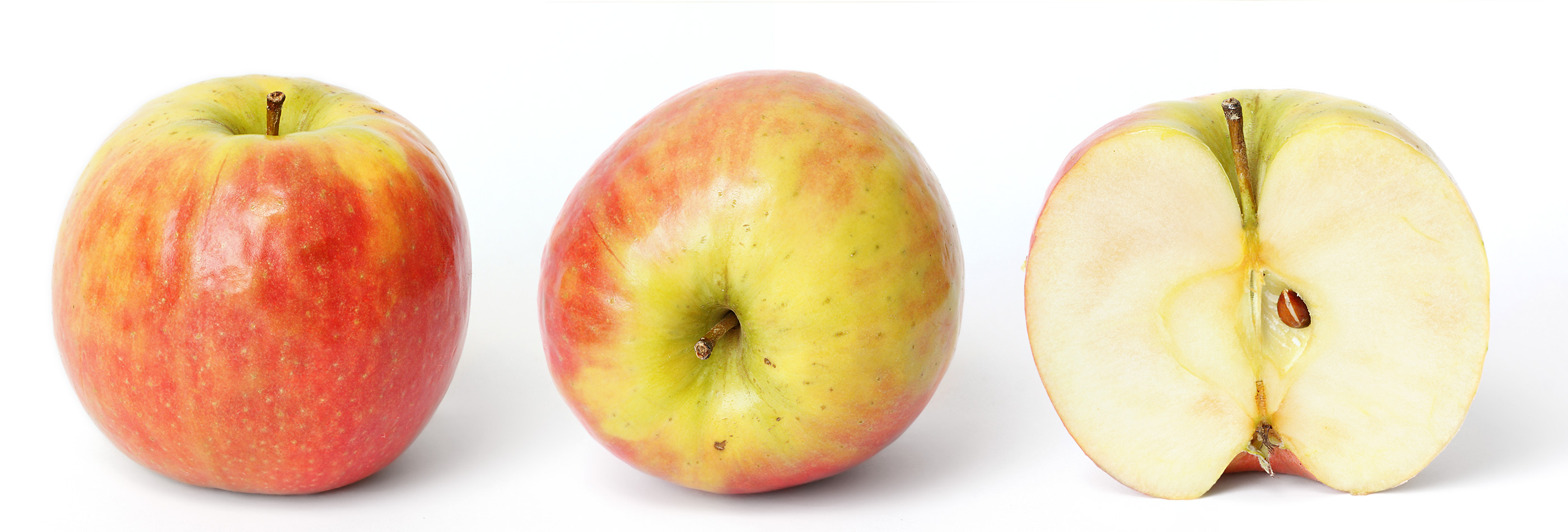
Columnar Apple
Malus domestica (columnar cultivars)
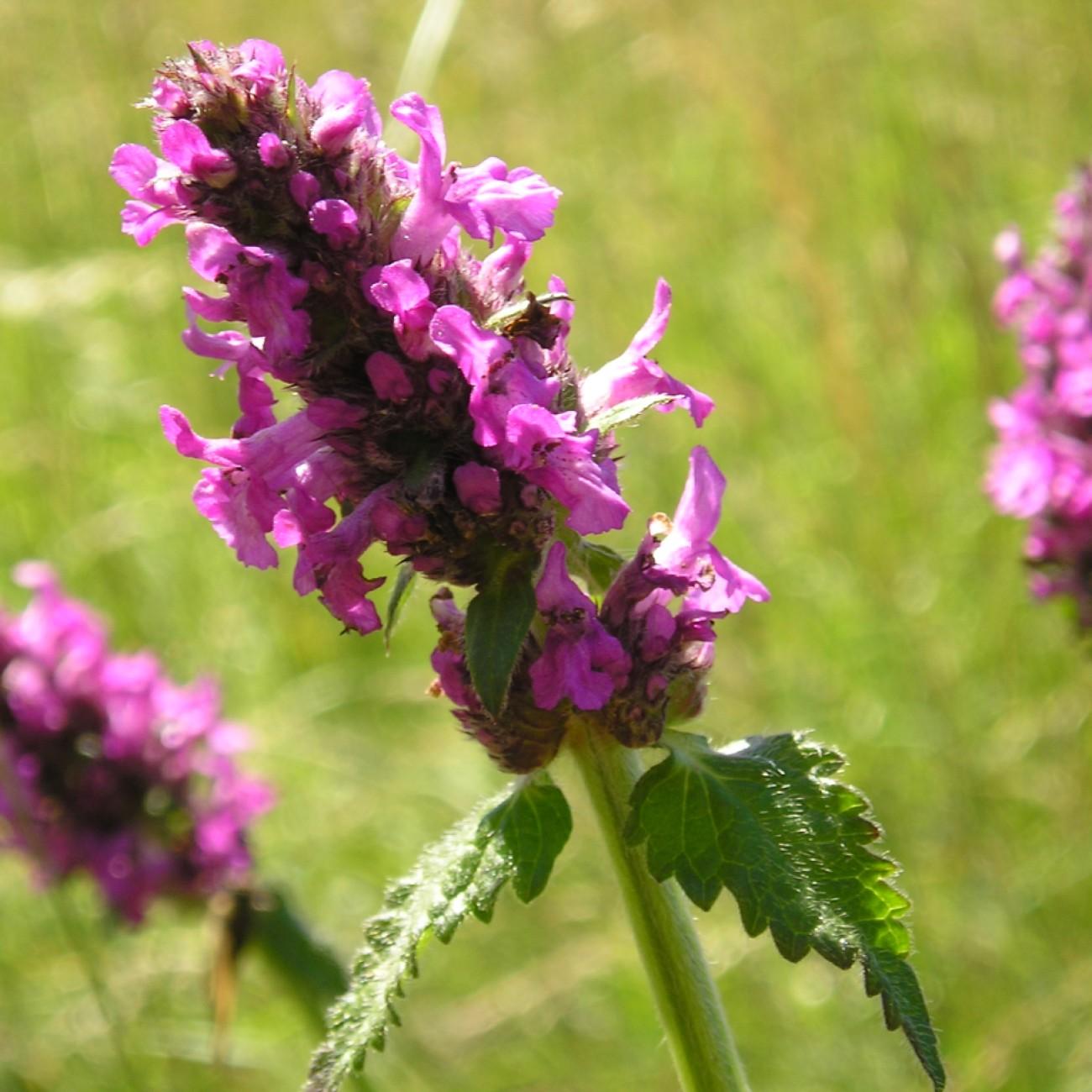
Alpine Betony
Betonica alpinum (syn. Stachys alpina)
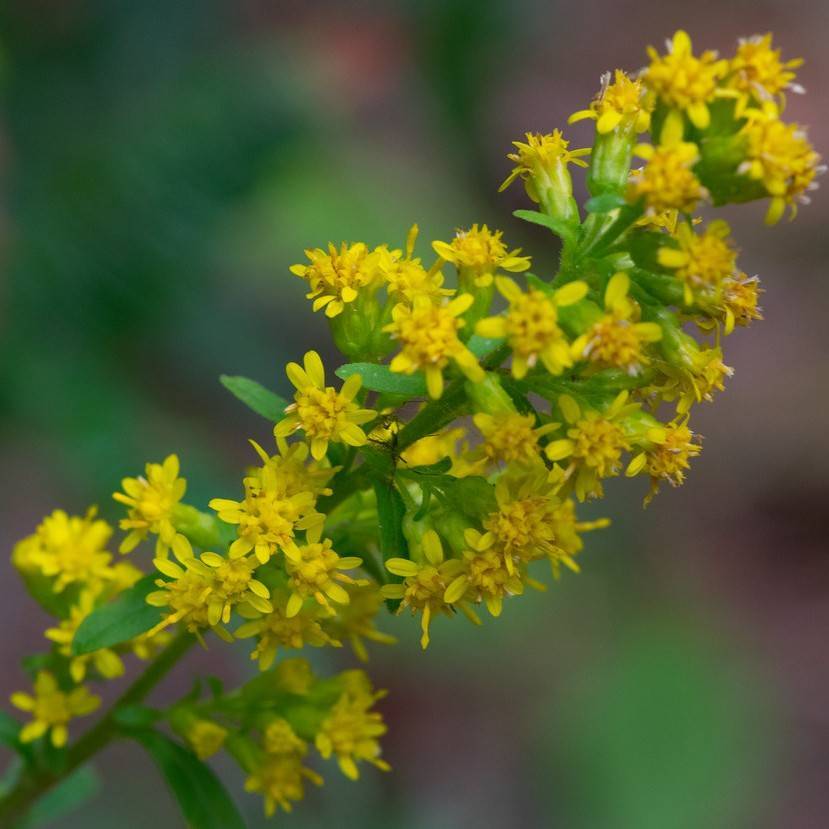
Elm Leaved Goldenrod
Solidago ulmifolia
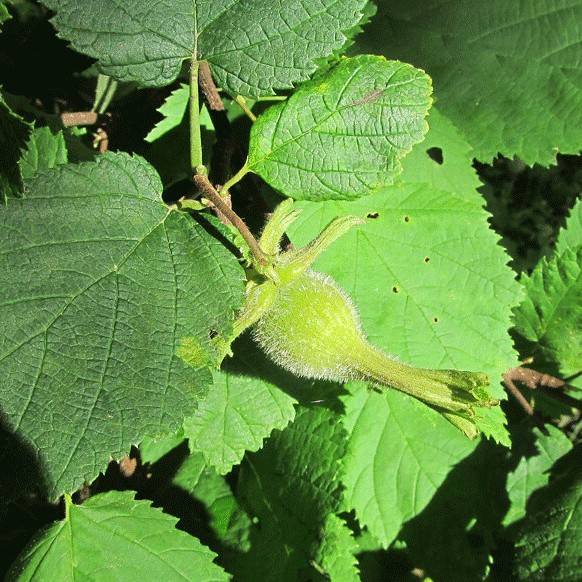
Beaked Hazel
Corylus cornuta
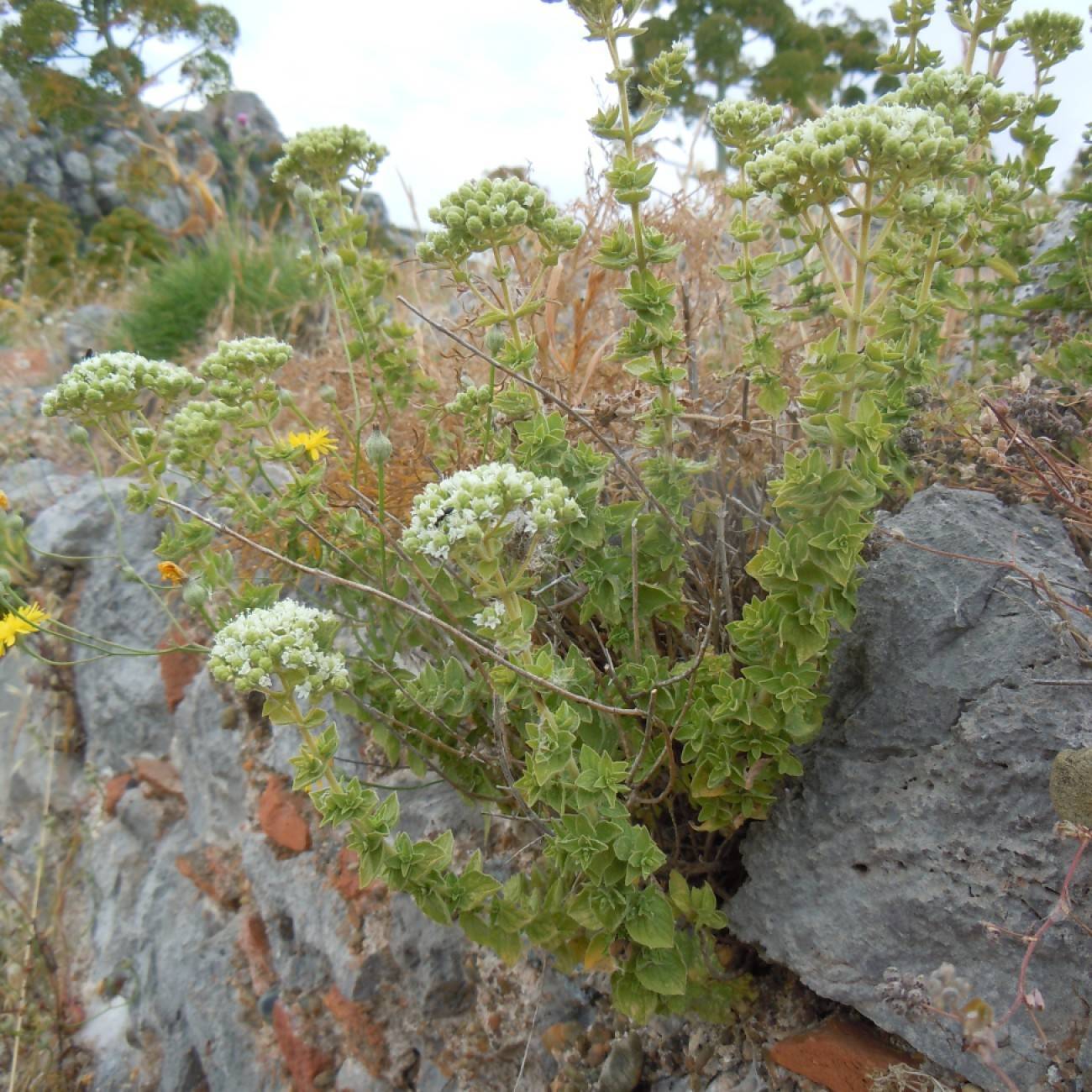
American Feverfew
Parthenium integrifolium
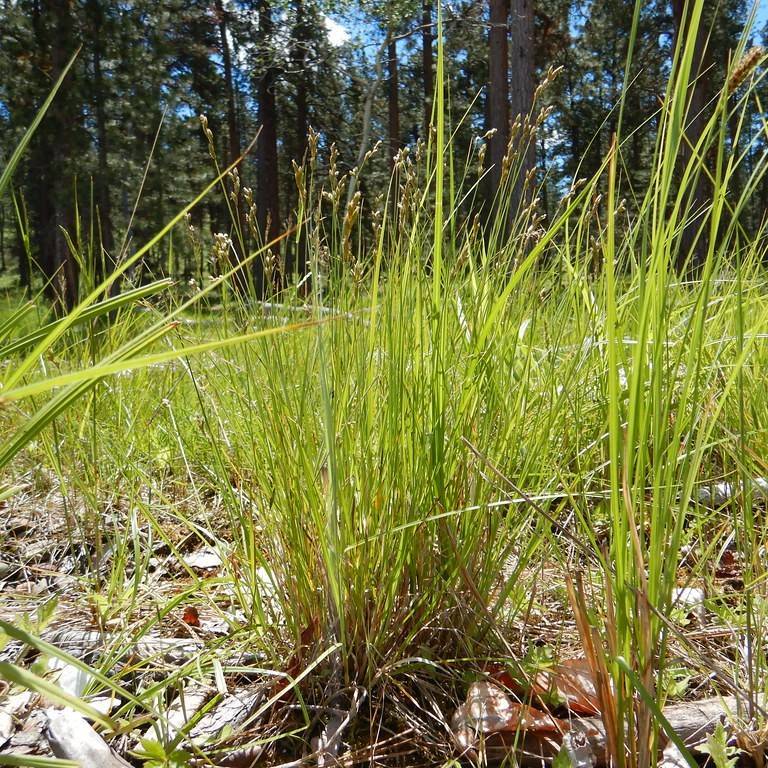
Connect Sedge
Carex connectens
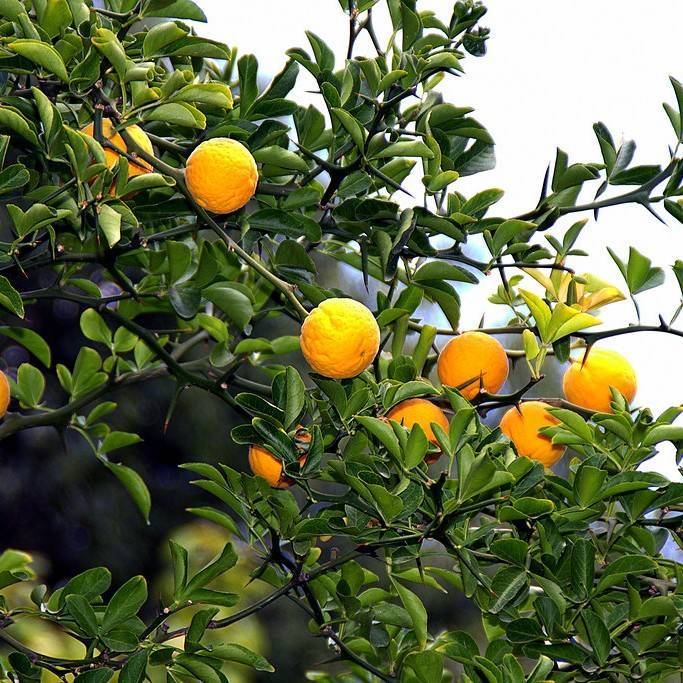
Hardy Orange
Poncirus trifoliata (syn. Citrus trifoliata)