Big Red Sage
Salvia pentstemonoides
Overview
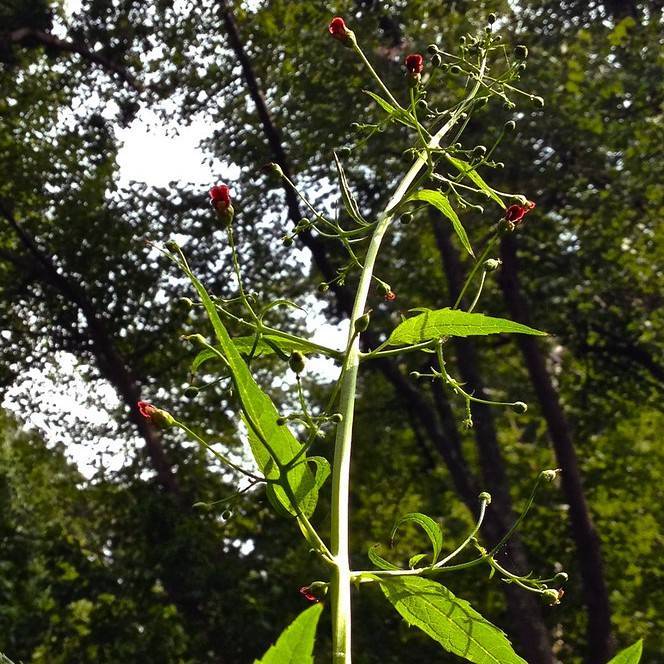
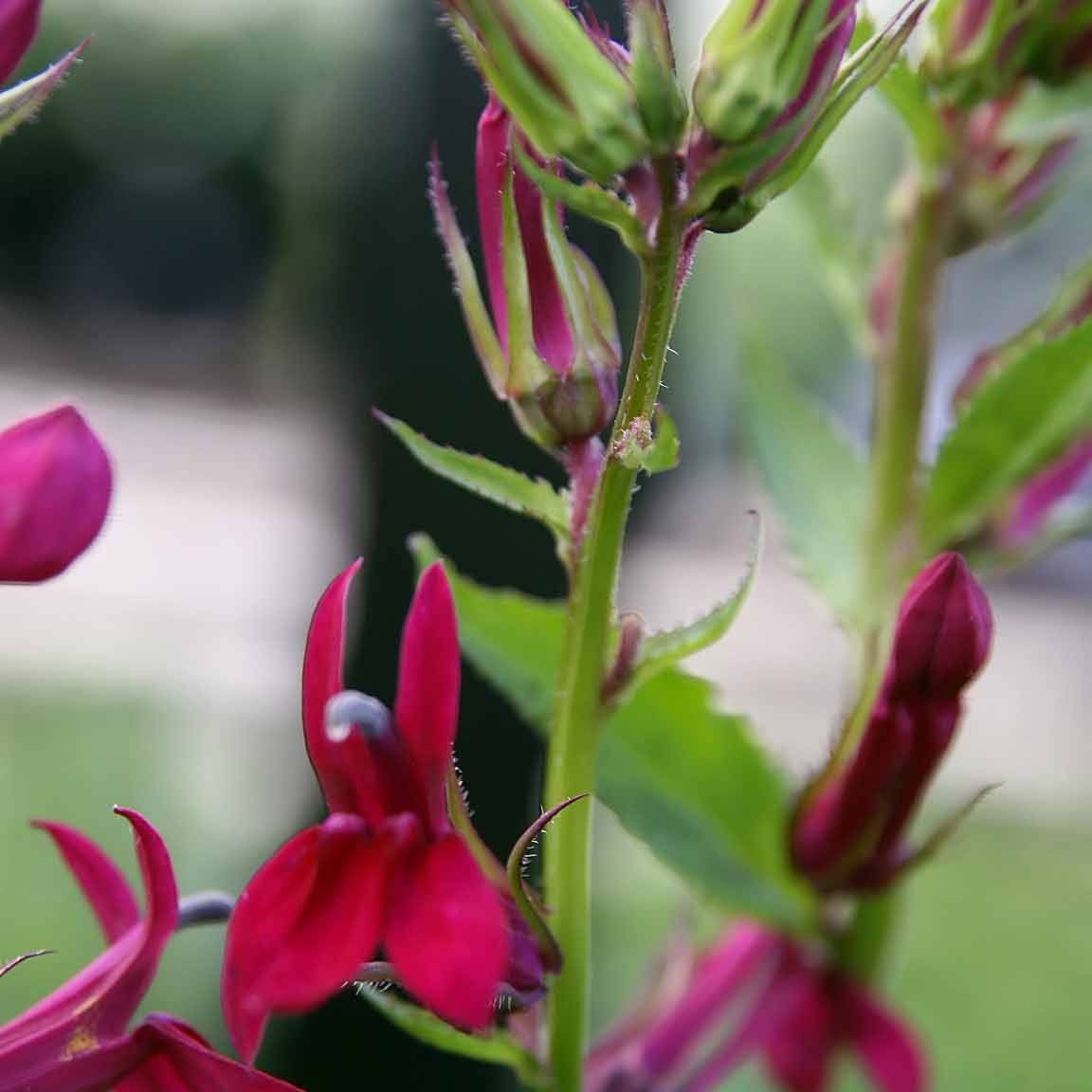
Big Red Sage is a rare herbaceous perennial endemic to the limestone slopes and seep areas of central Texas, valued for its showy, long-blooming red flower spikes and aromatic foliage. It is adapted to dry, rocky landscapes, making it a popular choice for xeriscaping and native pollinator gardens. Unlike many ornamental sages, it thrives in partially shaded riparian edges as well as full sun locations with good drainage.
Care Guide
Watering
Water deeply once every 7 to 10 days during the first growing season to establish a robust root system, reducing frequency to once every 2 to 3 weeks once mature. Avoid overwatering or allowing the plant to sit in standing water, as this can quickly cause root rot in its shallow, sensitive root system. During extended periods of summer drought, a light supplemental watering every 2 weeks will support consistent flowering without stressing the plant.
Light
Grows best in full sun to partial shade, with 4 to 6 hours of direct sunlight daily for optimal flower production. In extremely hot, arid climates, provide afternoon shade to prevent leaf scorch and reduce moisture loss from the foliage. Too much deep shade will lead to leggy growth and reduced flowering.
Soil
Requires well-drained, rocky or sandy soil with a neutral to slightly alkaline pH, mimicking its native limestone habitat. Heavy clay soils should be amended with crushed limestone and coarse sand to improve drainage before planting. It tolerates poor, low-nutrient soils very well, and overly rich soils can cause excessive, weak foliage growth at the expense of flowers.
Fertilizer
Fertilize sparingly once in early spring with a balanced, slow-release 10-10-10 fertilizer diluted to half strength to avoid overfeeding. Avoid high-nitrogen fertilizers, as these will promote lush leaf growth and reduce flower production. No additional fertilization is needed during the growing season for established plants.
Temperature
Thrives in USDA hardiness zones 7 to 10, tolerating winter lows down to 0°F (-18°C) once established. It is highly heat tolerant, withstanding summer temperatures above 100°F (38°C) as long as it has adequate drainage. In cooler zones below 7, mulch heavily around the root zone in late fall to protect crowns from freeze damage.
Pruning
Cut back spent flower spikes throughout the blooming season to encourage continuous flowering and prevent self-seeding if desired. In late winter or early spring, prune the entire plant back to 6 to 8 inches above the soil line to remove dead foliage and promote fresh, bushy new growth. Remove any damaged or diseased stems at any time to maintain plant health.
Propagation
Most commonly propagated from seed, which requires a 30-day cold stratification period before sowing to break dormancy. Softwood cuttings taken in late spring or early summer root readily in well-drained rooting medium with bottom heat. Division of mature clumps can be done in early spring, though it is less successful due to the plant’s deep, fragile taproot.
Humidity
Adapted to the dry to moderate humidity levels of its native Texas range, tolerating humidity levels between 30% and 60% without issue. High humidity combined with poor air circulation and wet soil increases the risk of fungal leaf spots and powdery mildew. Ensure plants are spaced 2 to 3 feet apart to promote good air flow around foliage.
Repotting
Big Red Sage is rarely grown in containers long-term, as its deep taproot requires ample space to grow. If grown in a pot, use a deep container at least 12 inches in diameter with multiple drainage holes, and repot every 2 to 3 years in early spring before new growth emerges. Use a well-drained cactus or native plant mix amended with crushed limestone when repotting to match its preferred soil chemistry.
Uses & Symbolism
Big Red Sage is a staple in xeriscape, native plant, and pollinator gardens, as its tubular red flowers are a major attractant for hummingbirds, bees, and butterflies. Its aromatic foliage has mild medicinal uses similar to other salvias, with indigenous groups using it to make teas for mild respiratory relief. It is also planted for erosion control on rocky slopes, as its deep root system stabilizes thin, vulnerable soils.
Diseases & Pests
The most common issues are root rot caused by overwatering or poorly draining soil, and fungal leaf spots that develop in high humidity with poor air circulation. Common pests include aphids, whiteflies, and spider mites, which can be controlled with insecticidal soap or neem oil applications. Deer and rabbits generally avoid the plant due to its strong, fragrant foliage, making it a good choice for gardens with high herbivore pressure.
Related plants
Other plants you might like if you grow Big Red Sage.