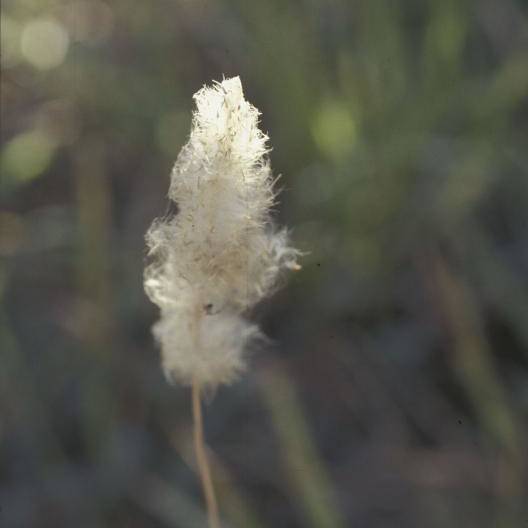
Cogon Grass
Imperata cylindrica
Overview
Cogon grass is a warm-season grass recognizable by its sharp, pointed leaf blades and fluffy, silvery-white seed heads that appear in late spring to early summer. It spreads aggressively via extensive, deep rhizome systems that can form dense, monotypic stands, outcompeting native vegetation in introduced ranges. Ornamental cultivars such as 'Red Baron' (Japanese blood grass) are popular in gardens for their striking red-tipped foliage, though they carry a risk of reverting to the aggressive wild type.
Care Guide
Watering
Cogon grass is highly drought-tolerant once established, requiring only occasional watering during prolonged dry periods to maintain foliage health. Overwatering, especially in poorly drained soil, can lead to rhizome rot, so allow the top several inches of soil to dry out between waterings. Newly planted specimens need regular, light watering to encourage root establishment for the first 2 to 3 months.
Light
This grass thrives in full sun, which supports the most vigorous growth and brightest foliage color in ornamental cultivars. It can tolerate partial shade, but growth will be sparser, and red foliage hues in 'Red Baron' may fade significantly. Avoid deep shade locations, as the plant will become weak and prone to pest issues.
Soil
Cogon grass adapts to a wide range of soil types, from sandy to clay, and tolerates acidic to slightly alkaline pH levels between 4.5 and 7.5. It prefers well-drained soil but can survive periodic waterlogging for short durations. Ornamental cultivars grow best in moderately fertile soil, as overly rich soil can encourage aggressive, unruly spread.
Fertilizer
Cogon grass generally requires minimal fertilization, as it thrives even in low-nutrient soils. A light application of balanced, slow-release granular fertilizer in early spring is sufficient to support healthy growth in ornamental plantings. Avoid over-fertilizing, as excess nitrogen can increase spread rate and reduce the intensity of red foliage in colored cultivars.
Temperature
It grows best in warm temperatures between 68°F and 86°F (20°C to 30°C), and is hardy in USDA zones 5 through 9. Established plants can tolerate light frosts, which will kill back above-ground foliage, but rhizomes will resprout in spring in suitable zones. Extended freezes below 10°F (-12°C) may damage or kill unprotected rhizomes.
Pruning
Cut back dead foliage to the ground in late winter or early spring before new growth emerges to maintain a neat appearance and encourage fresh, vibrant leaf production. For ornamental cultivars, remove any all-green shoots immediately, as these indicate reversion to the aggressive wild type that can spread invasively. To contain spread, trim back rhizomes that extend beyond desired planting boundaries at least twice per growing season.
Propagation
Cogon grass is most commonly propagated via division of rhizomes in early spring before new growth starts. Dig up a portion of the root mass, separate sections with at least one growing shoot, and replant immediately at the same depth as the original plant. It can also be grown from seed, though ornamental cultivars do not come true from seed, and wild-type seed can spread aggressively to unwanted areas.
Humidity
Cogon grass tolerates a wide range of humidity levels, from arid to humid tropical conditions, with no specific humidity requirements for healthy growth. It performs well in both dry, open landscapes and humid coastal regions, as long as soil drainage is adequate. High humidity does not typically cause disease issues for this hardy grass.
Repotting
Ornamental cogon grass grown in containers should be repotted every 2 to 3 years in early spring to prevent rhizomes from becoming root-bound and cracking the pot. Choose a heavy, wide container to accommodate spreading rhizomes and prevent the plant from tipping over as it grows. When repotting, trim back excess rhizome growth and refresh the potting mix to provide new nutrients for the growing season.
Uses & Symbolism
Ornamental cultivars of cogon grass, particularly 'Red Baron', are used in landscape design as edging, in mass plantings, or in container gardens for their striking red foliage. Wild-type cogon grass is used for erosion control on steep slopes in its native range, and is harvested for thatch, paper production, and livestock forage in some agricultural regions. It is also studied for potential bioenergy production due to its fast growth rate and high biomass yield.
Diseases & Pests
Cogon grass is highly resistant to most pests and diseases, though it may occasionally be affected by leaf spot or rust fungi in overly wet, humid conditions with poor air circulation. Root rot can occur in poorly drained soil that stays saturated for extended periods. While it has few natural predators in introduced ranges, scale insects and aphids may infest stressed plants, though damage is rarely severe.
Related plants
Other plants you might like if you grow Cogon Grass.
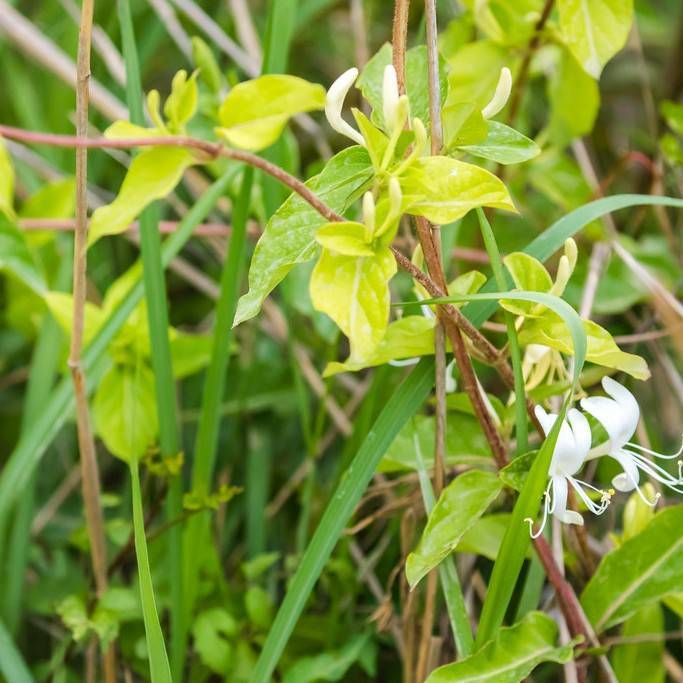
Japanese Honeysuckle
Lonicera japonica
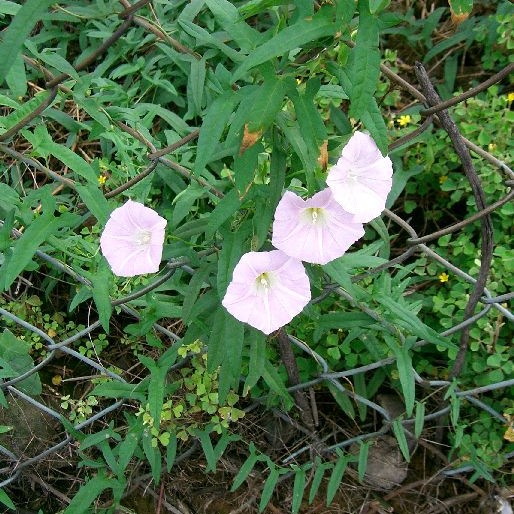
Hairy False Bindweed
Calystegia pubescens
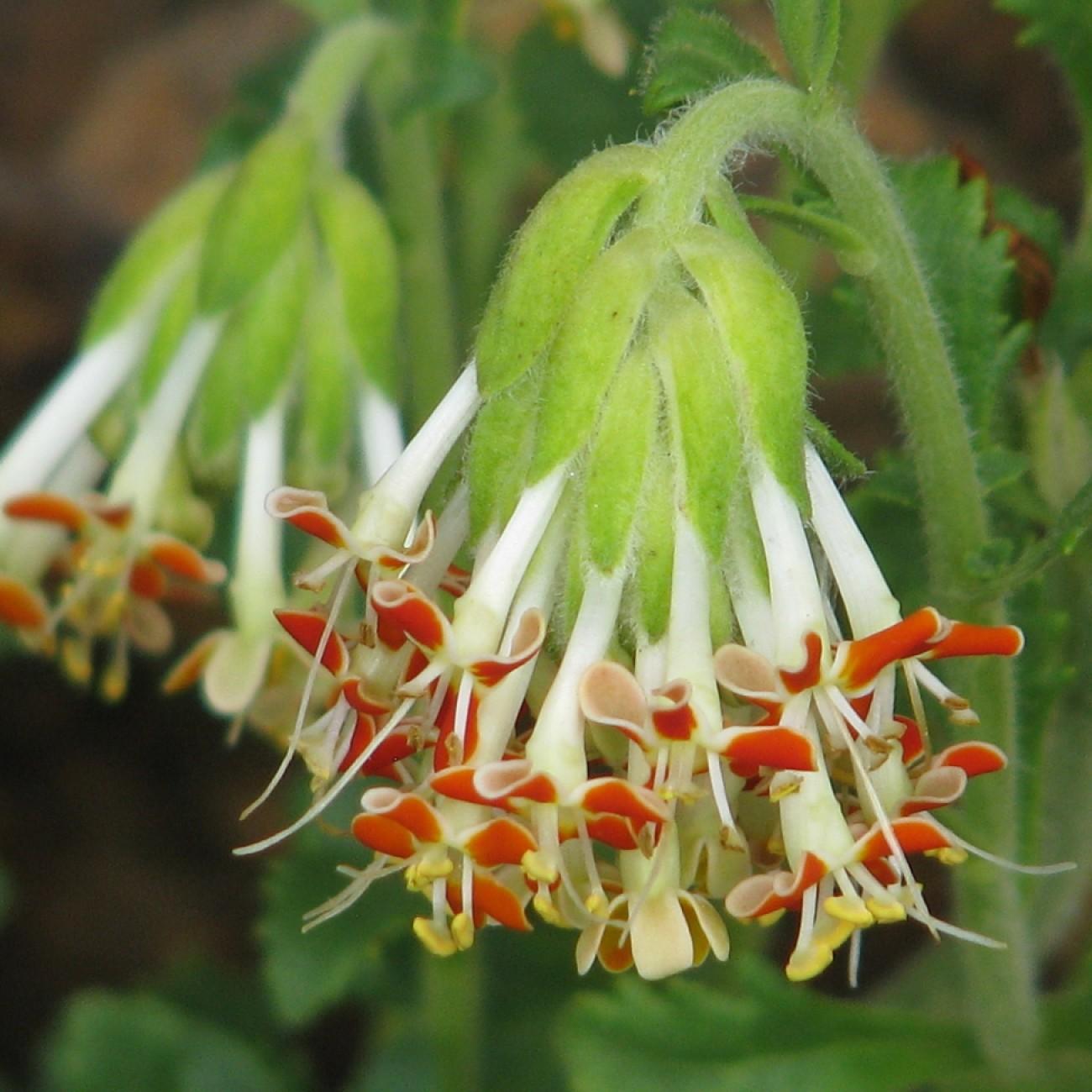
Glumicalyx
Glumicalyx spp.
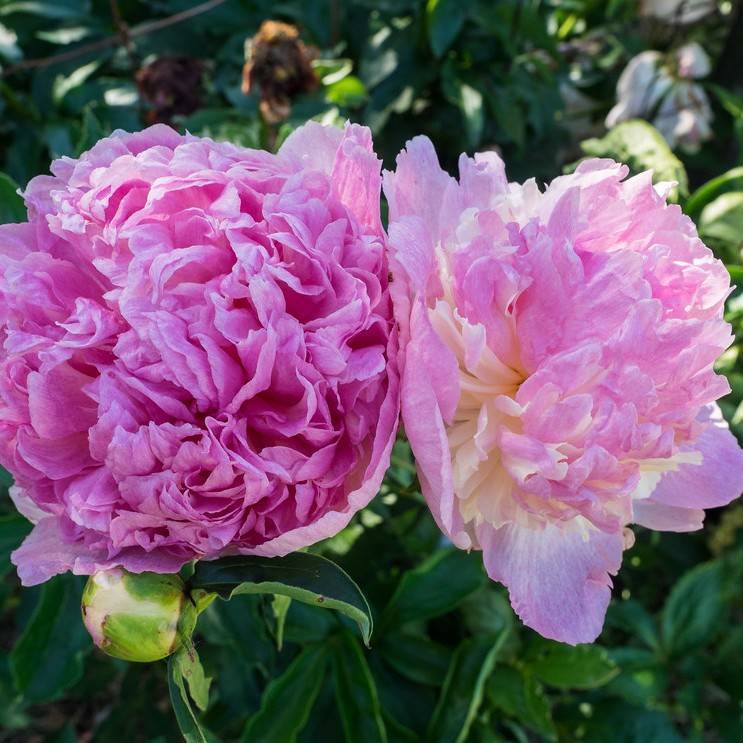
Fernleaf Peony
Paeonia tenuifolia
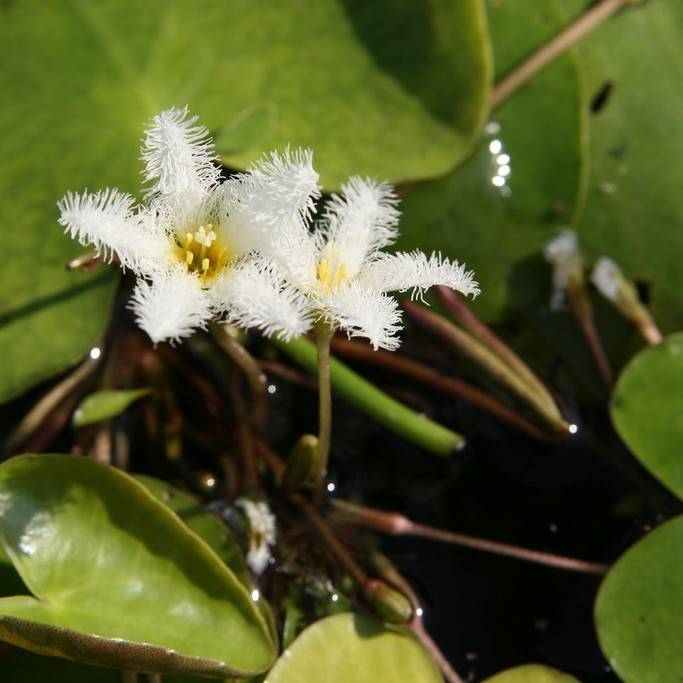
Crested Floatingheart
Nymphoides cristata
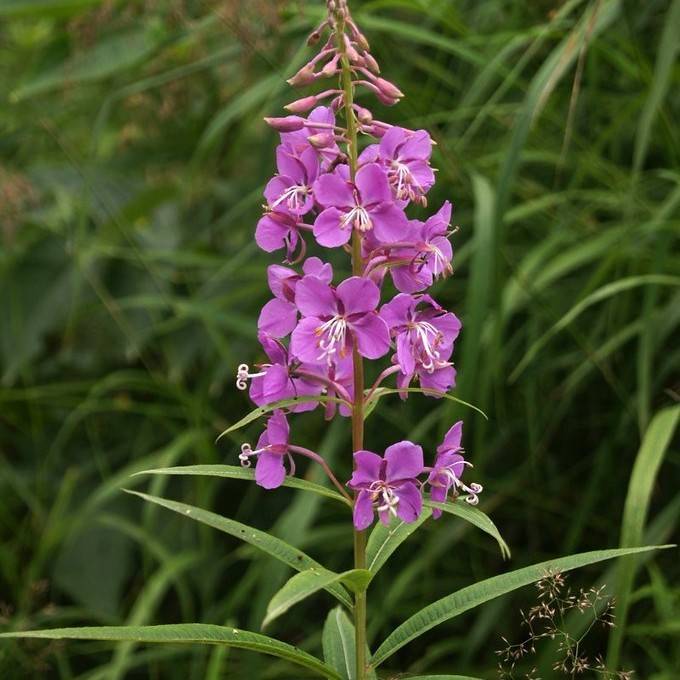
Hybrid Fireweed
Chamerion angustifolium 'Album' or interspecific Chamerion hybrids
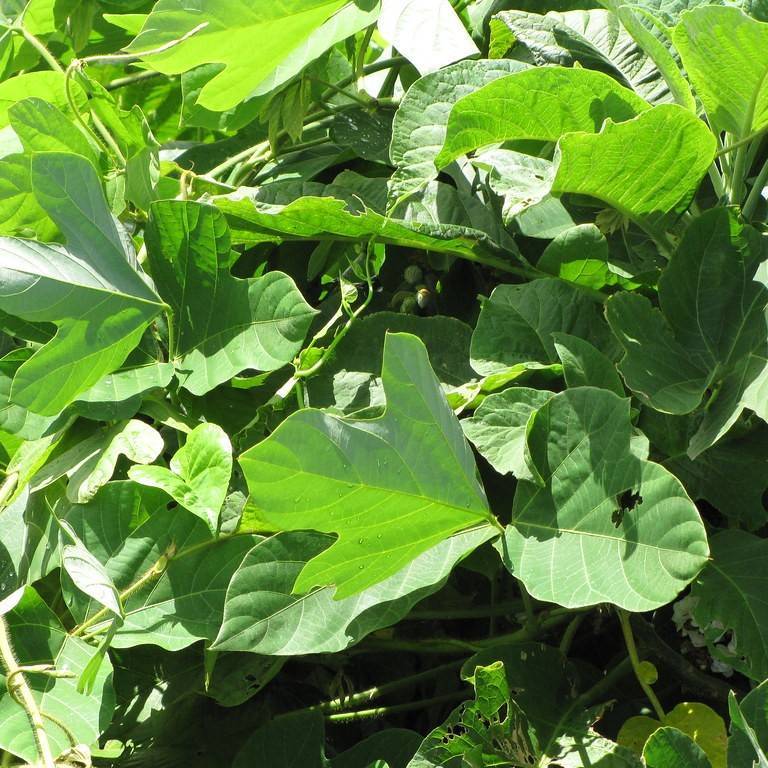
Kudzu Vine
Pueraria montana var. lobata

Kalimeris
Kalimeris indica