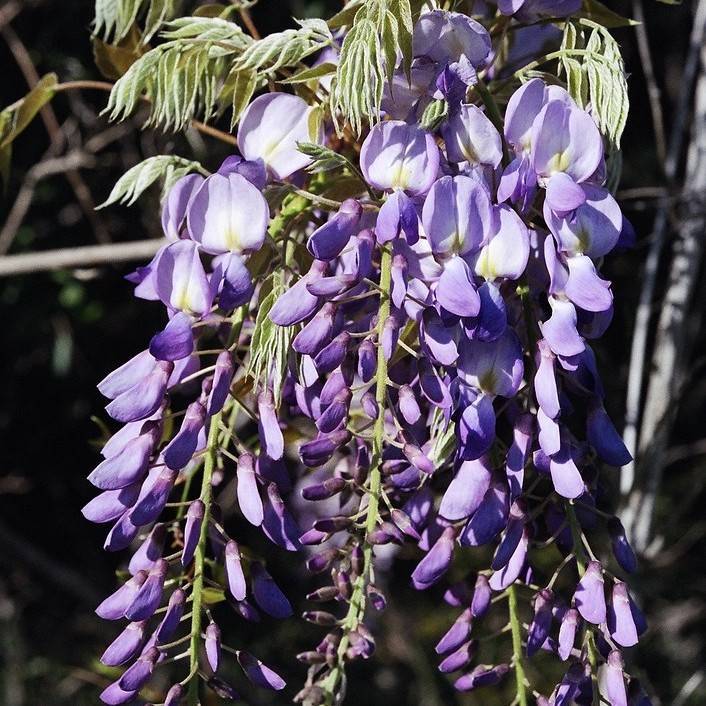
Chinese Wisteria
Wisteria sinensis
Overview
Chinese Wisteria is a vigorous twining vine widely cultivated in temperate regions for its dramatic, pendulous flower racemes that bloom before foliage emerges in mid to late spring. Its twining growth habit allows it to climb arbors, trellises, pergolas, and even building facades, creating a lush, shaded canopy once established. Though admired for its ornamental value, it is classified as invasive in parts of the eastern United States, Australia, and New Zealand due to its ability to outcompete native vegetation and girdle trees. The plant produces velvety, bean-like seed pods in late summer that persist through winter, adding winter interest to landscapes.
Care Guide
Watering
Water newly planted Chinese Wisteria deeply and regularly, keeping the soil consistently moist but not waterlogged for the first two to three years until the root system is fully established. Mature specimens are moderately drought tolerant, requiring supplemental watering only during extended dry periods, as overwatering can reduce flowering and promote excessive vegetative growth. Avoid watering within 1 foot of the root crown to prevent fungal root rot.
Light
Chinese Wisteria requires full sun, defined as a minimum of 6 to 8 hours of direct, unfiltered sunlight daily, to produce abundant, vibrant flower clusters. Plants grown in partial shade will produce sparse blooms or no flowers at all, and will develop leggy, weak growth that is more susceptible to pest infestations. In extremely hot, arid climates, a small amount of afternoon shade can prevent leaf scorch, but should be limited to no more than 2 hours per day.
Soil
This vine adapts to a wide range of soil types, including loam, sandy loam, and clay loam, but thrives in moderately fertile, well-drained soil with a neutral to slightly acidic pH between 6.0 and 7.0. Poorly drained, waterlogged soils will cause root rot and stunted growth, so amend heavy clay soils with compost or perlite to improve drainage before planting. Avoid overly rich soils, as high nitrogen levels will promote leaf growth at the expense of flower production.
Fertilizer
Fertilize established Chinese Wisteria sparingly, only once per year in early spring with a balanced, slow-release 10-10-10 fertilizer applied at a rate of 1 pound per 100 square feet of root zone. Avoid high-nitrogen fertilizers entirely, as they will inhibit flower formation and encourage excessive vine growth that requires frequent pruning. Young plants can receive a light application of phosphorus-rich bone meal in fall to support strong root development without promoting unwanted top growth.
Temperature
Chinese Wisteria is cold hardy in USDA zones 5 through 9, tolerating winter temperatures as low as -20°F (-29°C) once fully established. It requires a minimum of 300 to 500 chill hours (hours below 45°F / 7°C) during winter to break dormancy and produce flowers the following spring, making it unsuitable for tropical or subtropical climates with no winter cold. Late spring frosts can damage emerging flower buds, so cover young plants or use frost cloth if unseasonable cold is predicted during bud break.
Pruning
Prune Chinese Wisteria twice per year to encourage flowering and control its vigorous growth: first in mid-summer, 6 to 8 weeks after blooming, cutting back new side shoots to 6 to 8 leaves from the main stem. The second pruning occurs in late winter, when the plant is dormant, cutting back the same side shoots to 2 to 3 buds to direct energy toward flower production. Remove all suckers growing from the root base and any dead, damaged, or crossing branches to improve air circulation and maintain the desired shape.
Propagation
The most reliable method for propagating Chinese Wisteria that retains the parent plant's flower characteristics is softwood cuttings taken in early summer, using 4 to 6 inch long stem tips with healthy leaves, dipped in rooting hormone and planted in a moist, well-drained soilless medium. Propagation from seed is possible, but seed-grown plants can take 10 to 15 years to bloom, and may not produce flowers identical to the parent plant. Layering is another effective method: bend a low-growing, flexible stem to the ground, nick the underside, cover with 2 to 3 inches of soil, and leave attached to the parent plant for 6 to 12 months until roots form, then sever and transplant.
Humidity
Chinese Wisteria adapts well to average ambient humidity levels between 40% and 60%, which is typical of most temperate growing regions. It does not require supplemental humidity, and high humidity levels above 70% can increase the risk of fungal leaf spot and powdery mildew, especially if the plant has poor air circulation. In very dry, arid climates, occasional misting of the foliage in the morning can reduce dust buildup, but is not necessary for healthy growth.
Repotting
Chinese Wisteria grown in containers should be repotted every 2 to 3 years in late winter, before new growth emerges, using a heavy, well-draining pot with drainage holes to prevent the top-heavy vine from tipping over. Use a slightly root-bound container to restrict root growth, as this encourages flowering rather than excessive vegetative growth; when repotting, prune 1/3 to 1/2 of the root ball to keep the plant compact and fit in the same or only slightly larger pot. After repotting, water thoroughly and place in a shaded location for 1 to 2 weeks to allow the roots to recover before moving back to full sun.
Uses & Symbolism
Chinese Wisteria is primarily used as an ornamental landscape vine, trained to grow over arbors, pergolas, trellises, and garden walls to create shaded seating areas and dramatic spring floral displays. It is also a popular specimen for bonsai cultivation, as its twisting woody stems, fragrant flowers, and attractive compound leaves adapt well to container training and pruning. In traditional Chinese medicine, extracts from the bark and seeds have been used sparingly to treat rheumatism and digestive issues, though internal use is not recommended today due to the plant's high toxicity.
Diseases & Pests
Chinese Wisteria is relatively pest and disease resistant, but can be susceptible to aphids, scale insects, and Japanese beetles, which feed on new foliage and flower buds, causing leaf distortion and reduced bloom; these can be controlled with horticultural oil or insecticidal soap applied in early spring. Fungal diseases including powdery mildew, leaf spot, and crown gall can occur in conditions of high humidity, poor air circulation, or waterlogged soil, so ensure proper spacing, avoid overhead watering, and remove infected foliage promptly to prevent spread. Root rot is the most serious issue, caused by overwatering or poorly drained soil, and can be fatal if not addressed quickly by improving drainage and reducing watering frequency.
Related plants
Other plants you might like if you grow Chinese Wisteria.
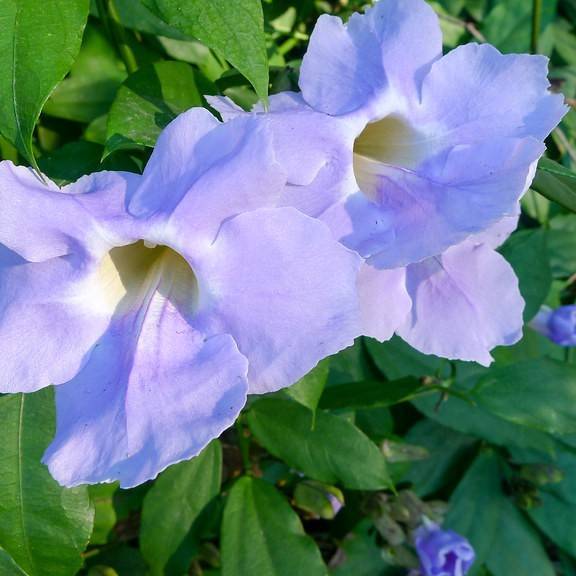
Blue Trumpet Vine
Thunbergia grandiflora
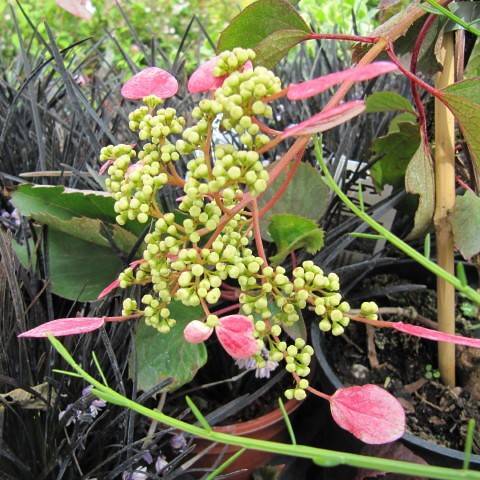
Japanese Hydrangea Vine
Schizophragma hydrangeoides
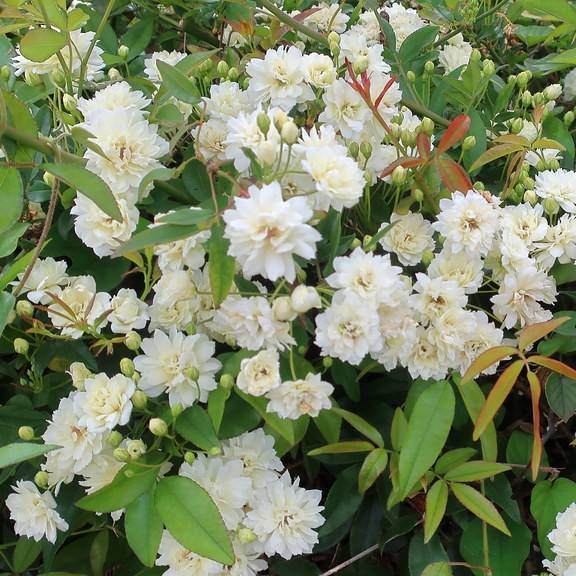
Banksian Rose
Rosa banksiae
%22%2F%3E%0A%20%20%20%20%20%20%3Ccircle%20cx%3D%22920%22%20cy%3D%22180%22%20r%3D%2290%22%20fill%3D%22%23cfe8d5%22%2F%3E%0A%20%20%20%20%20%20%3Cpath%20d%3D%22M600%20590c-90-180-215-255-310-280%200%20165%20118%20296%20270%20296h40z%22%20fill%3D%22%2379b88e%22%2F%3E%0A%20%20%20%20%20%20%3Cpath%20d%3D%22M600%20590c80-150%20198-212%20302-228-8%20142-123%20255-270%20255h-32z%22%20fill%3D%22%235c9f73%22%2F%3E%0A%20%20%20%20%20%20%3Cpath%20d%3D%22M600%20610V360%22%20stroke%3D%22%234f8c64%22%20stroke-width%3D%2218%22%20stroke-linecap%3D%22round%22%2F%3E%0A%20%20%20%20%20%20%3Ctext%20x%3D%22600%22%20y%3D%22700%22%20text-anchor%3D%22middle%22%20font-family%3D%22Arial%2C%20sans-serif%22%20font-size%3D%2244%22%20fill%3D%22%23365c45%22%3E%0A%20%20%20%20%20%20%20%20Plant%20image%20coming%20soon%0A%20%20%20%20%20%20%3C%2Ftext%3E%0A%20%20%20%20%3C%2Fsvg%3E%0A%20%20)
Climbing Tea Rose
Rosa 'Climbing Tea' (hybrid tea climbing cultivar group)
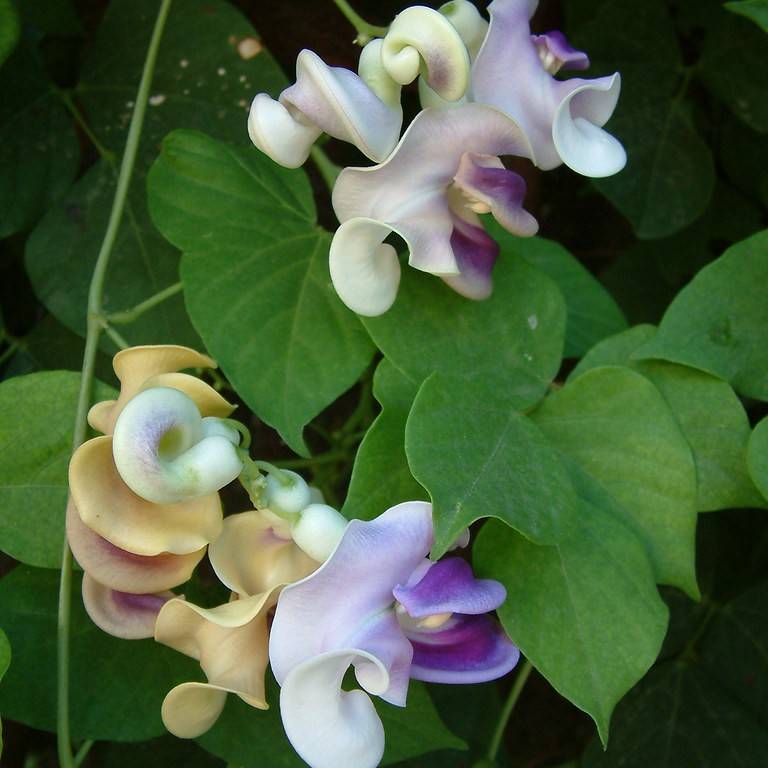
Corkscrew Flower
Vigna caracalla
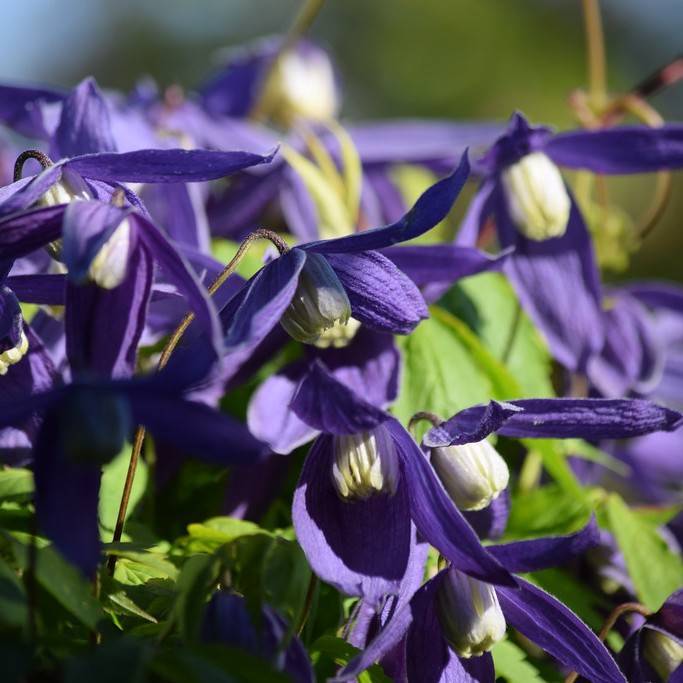
Alpine Clematis
Clematis alpina
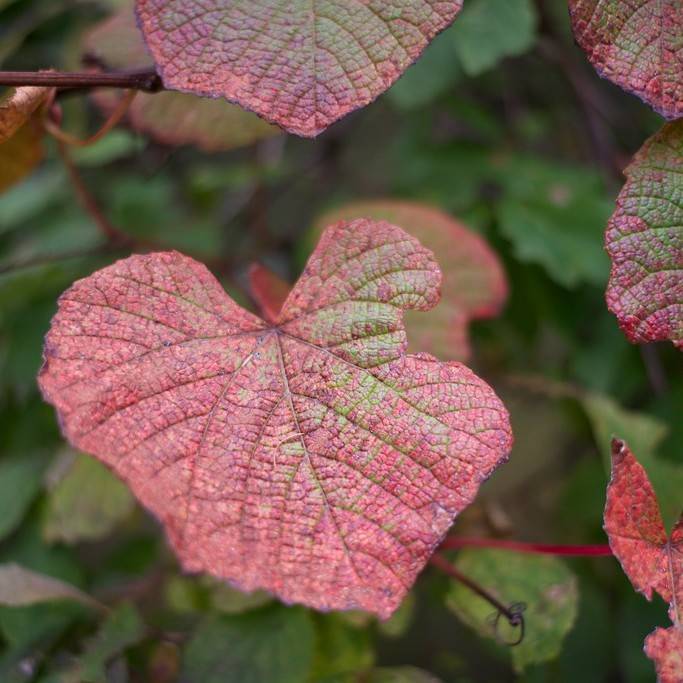
Crimson Glory Vine
Vitis coignetiae
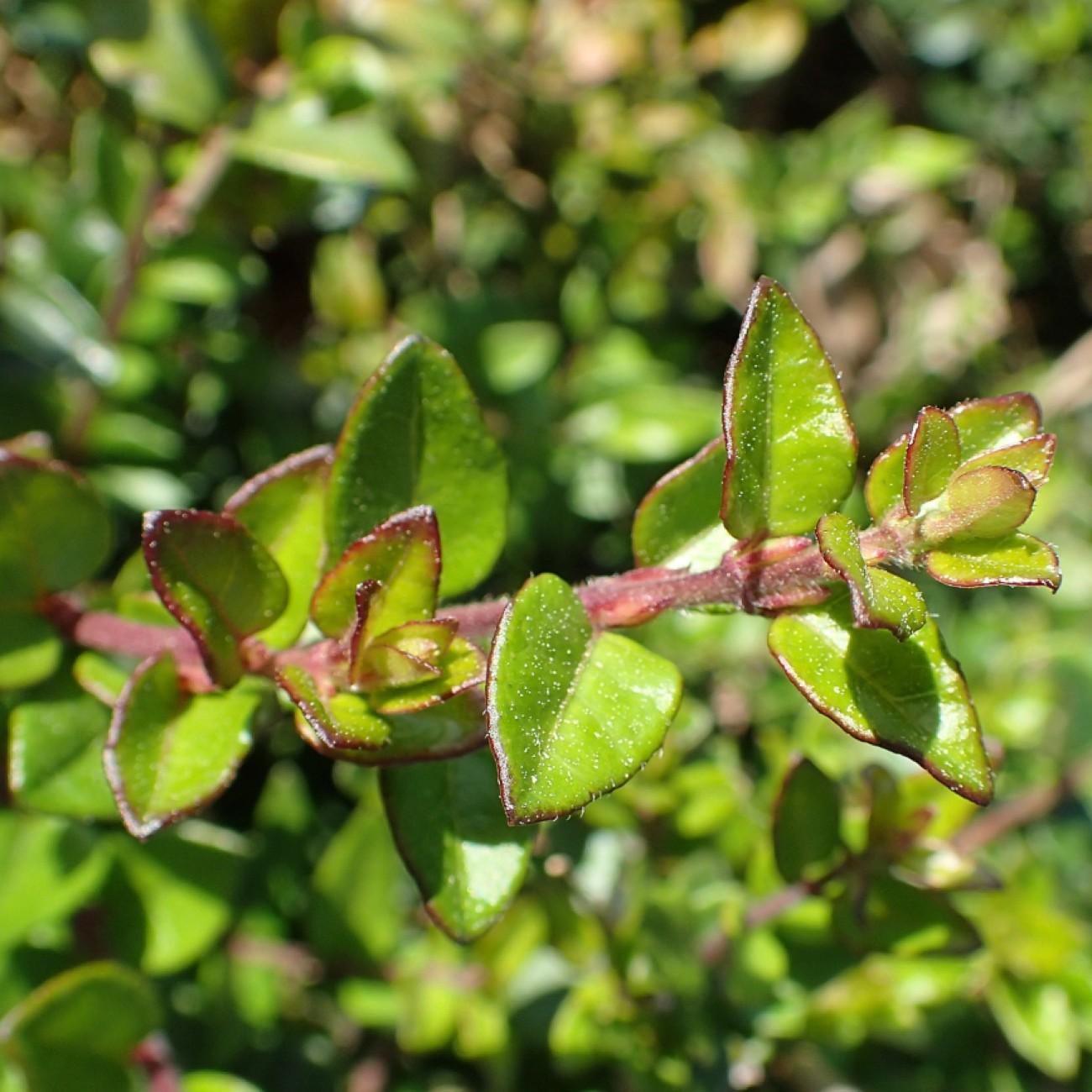
Honeysuckle
Lonicera spp.